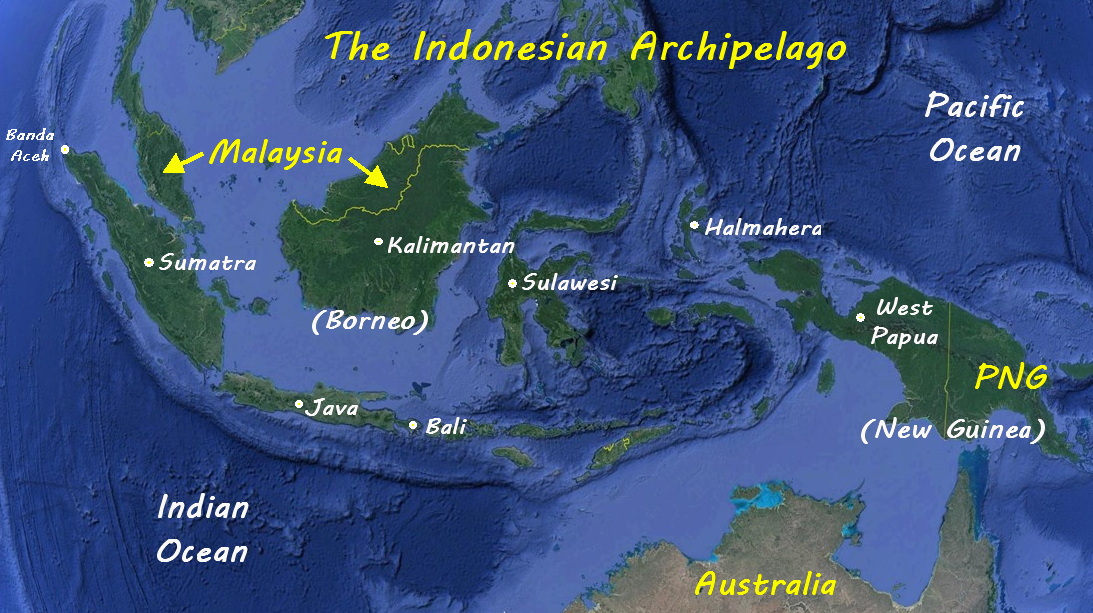
Indonesia: Archipelago of Extremes
Introduction
Imagine a place where the earth breathes fire, where emerald rice paddies meet turquoise seas, and where the call to prayer echoes from bustling cities to remote tribal villages. That place is Indonesia, a nation of staggering beauty and immense complexity, an archipelago stretching across three time zones and home to over 17,000 islands. But beneath this vibrant tapestry lies a stark reality: Indonesia is a land of extremes, a nation grappling with both breathtaking opportunities and daunting challenges.
What makes Indonesia such a unique case study? Picture this: it’s the world’s largest archipelago, blessed with unparalleled biodiversity, yet simultaneously struggling with deforestation and pollution on a massive scale. It’s a rising economic power, brimming with entrepreneurial spirit, yet battling inequality and widespread poverty. It’s a nation rich in cultural heritage, a melting pot of ethnicities and religions, yet faces the constant threat of social division and extremism.
These contrasts aren’t just academic talking points; they’re woven into the everyday lives of Indonesians, shaping their experiences and impacting the nation’s future. Understanding these extremes is crucial, not just for those interested in Southeast Asia, but for anyone seeking insights into the complexities of a rapidly developing world.
The Double-Edged Sword: Economic Growth vs. Environmental Degradation
Indonesia’s economic rise is a remarkable story. Fueled by natural resources, manufacturing, and a burgeoning middle class, the country has experienced significant growth in recent decades. But this progress has come at a steep environmental cost.
Short-term impacts:
The immediate benefits of economic expansion are undeniable – jobs, infrastructure development, and improved living standards for some. However, the rapid exploitation of natural resources, such as timber, minerals, and palm oil, has led to widespread deforestation, habitat loss, and increased greenhouse gas emissions. Jakarta, the nation’s capital, is notorious for its air pollution, a direct consequence of industrial growth and traffic congestion.
Long-term impacts:
The long-term consequences are even more alarming. Deforestation contributes to climate change, increasing the frequency and intensity of natural disasters like floods and droughts. These events disproportionately affect vulnerable communities, often wiping out livelihoods and exacerbating poverty. Furthermore, the loss of biodiversity threatens Indonesia’s unique ecosystems and the valuable resources they provide. The over-extraction of groundwater in cities like Jakarta is causing land subsidence, literally sinking parts of the city and raising the risk of coastal flooding.
Bridging the Divide: Poverty, Inequality, and Social Cohesion
Indonesia’s economic gains haven’t been evenly distributed. While a significant portion of the population has joined the middle class, a large segment remains trapped in poverty, particularly in rural areas and eastern islands. This disparity fuels social tensions and creates a breeding ground for extremism.
Short-term impacts:
High levels of income inequality contribute to social unrest and crime. Marginalized communities often feel excluded from the benefits of economic growth, leading to resentment and frustration. The lack of access to education, healthcare, and economic opportunities perpetuates the cycle of poverty, limiting social mobility and hindering national development.
Long-term impacts:
The long-term consequences of inequality are far-reaching. It undermines social cohesion, making it harder to build a strong and united nation. It creates fertile ground for radical ideologies that exploit grievances and promise solutions, often through violence and intolerance. The increasing gap between the rich and the poor can lead to political instability, hindering economic progress and jeopardizing social harmony.
Navigating the Archipelago: Practical Solutions for a Sustainable Future
Addressing these challenges requires a multi-faceted approach, focusing on sustainable development, inclusive growth, and promoting social cohesion. Here are some practical solutions that can make a real difference:
- Sustainable Resource Management:
- Strengthening Environmental Regulations: Enforce stricter regulations on deforestation, pollution, and resource extraction. Implement carbon pricing mechanisms to incentivize businesses to reduce their emissions.
- Promoting Reforestation and Conservation: Invest in large-scale reforestation projects, focusing on native species. Establish protected areas to conserve biodiversity and ecosystem services.
- Supporting Sustainable Agriculture: Encourage sustainable farming practices that minimize environmental impact and improve soil health. Promote organic farming and agroforestry.
- Inclusive Economic Growth:
- Investing in Education and Skills Development: Provide access to quality education and vocational training for all Indonesians, particularly those from disadvantaged backgrounds.
- Promoting Small and Medium Enterprises (SMEs): Support the growth of SMEs through access to financing, training, and technology. SMEs are crucial for job creation and economic diversification.
- Strengthening Social Safety Nets: Implement comprehensive social safety nets to protect vulnerable populations from economic shocks and ensure access to basic necessities.
- Fostering Social Cohesion:
- Promoting Inter-Religious Dialogue: Encourage dialogue and understanding between different religious and ethnic groups to foster tolerance and mutual respect.
- Strengthening Civil Society: Support the role of civil society organizations in promoting social justice, human rights, and good governance.
- Combating Extremism: Address the root causes of extremism by promoting education, economic opportunity, and social inclusion.
Alternative Approaches:
- Community-Based Conservation: Empower local communities to manage and protect natural resources. This approach recognizes that local communities have a vested interest in preserving their environment and can be effective stewards of natural resources.
- Green Finance: Attract private investment in sustainable development projects. Green bonds, impact investing, and other innovative financing mechanisms can help mobilize capital for environmental and social initiatives.
- Digital Inclusion: Leverage technology to bridge the gap between urban and rural areas. Provide access to internet connectivity and digital literacy programs to empower marginalized communities.
Indonesia’s Future: A Call to Action
Indonesia stands at a crossroads. The choices it makes today will determine its future for generations to come. The challenges are significant, but so are the opportunities. By embracing sustainable development, promoting inclusive growth, and fostering social cohesion, Indonesia can overcome its extremes and build a more prosperous and equitable future for all its citizens.
The journey won’t be easy. It will require commitment, innovation, and collaboration from all stakeholders – government, businesses, civil society, and individuals. But the potential rewards are immense. Imagine an Indonesia where economic growth is balanced with environmental protection, where prosperity is shared by all, and where diversity is celebrated as a source of strength.
This vision is within reach. But it requires action. Start by becoming informed. Engage in conversations. Support organizations that are working to make a difference. Every small step contributes to a larger movement. Let’s work together to build a brighter future for Indonesia, an archipelago where the extremes are balanced and the potential is unleashed. The time to act is now.