Sports

Israel: Crossroads of Hope and Conflict

Crossroads

Israel: Crossroads of Hope and Conflict

Introduction


Ever looked at a map and seen a place that just *feels* significant? Israel is one of those places. A tiny strip of land brimming with history, culture, and, yes, its fair share of complexities. It’s a place where ancient traditions meet cutting-edge technology, where faith and politics are inextricably intertwined, and where hope and conflict perpetually dance a complicated tango. It’s a crossroads, alright, but not just geographically. It’s a crossroads of ideologies, aspirations, and futures.

But why should you care? Well, the story of Israel isn’t just about a distant land; it’s about the human story. It’s about identity, belonging, and the enduring quest for peace. It impacts global politics, international relations, and even the future of technology. So, buckle up, because we’re about to dive into the heart of this fascinating and multifaceted nation.

A Land of Promise, A Legacy of Struggle

Israel’s modern story began in the aftermath of World War II, with the creation of the State of Israel in 1948. This fulfilled a centuries-old dream for the Jewish people – a homeland after generations of diaspora and persecution. But the birth of Israel also displaced hundreds of thousands of Palestinians, leading to a conflict that continues to shape the region to this day.

The short-term impact of this conflict is visible daily. We see it in the headlines: ongoing security concerns, border tensions, and the persistent struggle for a two-state solution. The Israeli-Palestinian conflict is more than just political; it’s deeply personal, affecting the daily lives of millions of people. Economic opportunities are stunted, freedom of movement is restricted, and the psychological toll of living in a state of perpetual uncertainty is immense.

Looking at the long-term impact, the stakes are even higher. The unresolved conflict fuels regional instability, impacting relations between Israel and its Arab neighbors. It also has a ripple effect globally, influencing international diplomacy and shaping perceptions of the Middle East. Furthermore, the ongoing dispute has implications for the future of Jerusalem, a city holy to three major religions. Failing to find a lasting resolution risks perpetuating a cycle of violence and mistrust for generations to come.

Beyond the Headlines: The Real Israel

While the conflict often dominates the narrative, it’s crucial to remember that Israel is also a dynamic and vibrant country with a rich tapestry of cultures and experiences. It’s a world leader in technology, known for its innovation in fields like cybersecurity, agriculture, and medicine. Tel Aviv is a bustling hub of entrepreneurship and creativity, often compared to Silicon Valley.

Furthermore, Israel is home to diverse communities, from ultra-Orthodox Jews to secular Israelis, from Arab citizens to Druze and Bedouin populations. Understanding these complexities is essential to moving beyond the simplistic narratives often portrayed in the media. It’s about seeing the people behind the politics, the hopes and fears that drive them, and the shared desire for a peaceful future.

Navigating the Crossroads: Paths to Progress

So, what can campaquilasyrup.com be done? The challenge is immense, but not insurmountable. Here are a few potential paths forward:

  • Economic Cooperation: Strengthening economic ties between Israelis and Palestinians can foster mutual dependence and build trust. Imagine joint ventures in renewable energy, tourism, or technology. The establishment of industrial parks and training programs that benefit both communities can offer tangible improvements in quality of life, which could promote cooperation. For instance, the Rawabi project, a planned Palestinian city built near Ramallah, offers housing and employment opportunities for Palestinians. These initiatives demonstrate the potential for economic collaboration to create a more interconnected and prosperous future for both communities.
  • Grassroots Initiatives: Supporting organizations working on the ground to promote dialogue and understanding is crucial. These initiatives can bridge cultural divides and foster empathy. Organizations like the Parents Circle – Families Forum, which brings together Israeli and Palestinian families who have lost loved ones in the conflict, show that even amidst profound loss, reconciliation is possible. By investing in such efforts, we can help build a foundation for peace from the bottom up.
  • Education for Peace: Promoting education that fosters critical thinking and empathy is essential for shaping future generations. This includes incorporating diverse perspectives into school curricula and supporting programs that bring Israeli and Palestinian students together. Initiatives like Seeds of Peace, which bring young people from conflict regions together for dialogue and leadership training, have a lasting impact. These programs help break down stereotypes and cultivate a shared understanding that is crucial for building a more peaceful future.
  • Track Two Diplomacy: Supporting unofficial diplomatic efforts, involving academics, former diplomats, and civil society leaders, can help explore new avenues for negotiation and build trust. These informal channels can offer a space for creative problem-solving outside the constraints of official negotiations. The Geneva Initiative, for example, is a detailed model peace agreement developed by former Israeli and Palestinian officials and experts, demonstrating the possibility of a comprehensive resolution. By encouraging and supporting these efforts, we can create a more conducive environment for future formal negotiations.
  • Focused Security Cooperation: Enhancing security cooperation between Israel and the Palestinian Authority can help address immediate security concerns and build confidence. This could involve joint efforts to combat terrorism, share intelligence, and coordinate security measures in the West Bank. The past security cooperation between Israeli and Palestinian forces to maintain stability, although strained in recent times, has shown potential when there is mutual trust and commitment. Rebuilding and strengthening these mechanisms can contribute to greater security for both sides and help create a more stable environment for negotiations.

A Reason for Optimism

The challenges facing Israel and the region are undeniably complex, but they are not insurmountable. The history of the world is filled with examples of seemingly intractable conflicts that were eventually resolved. The key lies in sustained dialogue, mutual understanding, and a willingness to compromise.

Israel, as a crossroads of hope and conflict, has the potential to be a beacon of peace in the Middle East. It requires courage, leadership, and a commitment from all parties to prioritize the well-being of future generations.

Don’t let the headlines discourage you. There are people on both sides working tirelessly to build bridges and create a more peaceful future. You can support their efforts by educating yourself, engaging in respectful dialogue, and advocating for policies that promote peace and justice.

The future of Israel, and indeed the entire region, depends on our collective ability to navigate these crossroads with wisdom, empathy, and a unwavering commitment to hope. Let’s choose hope. Let’s choose peace. The time to act is now.

 

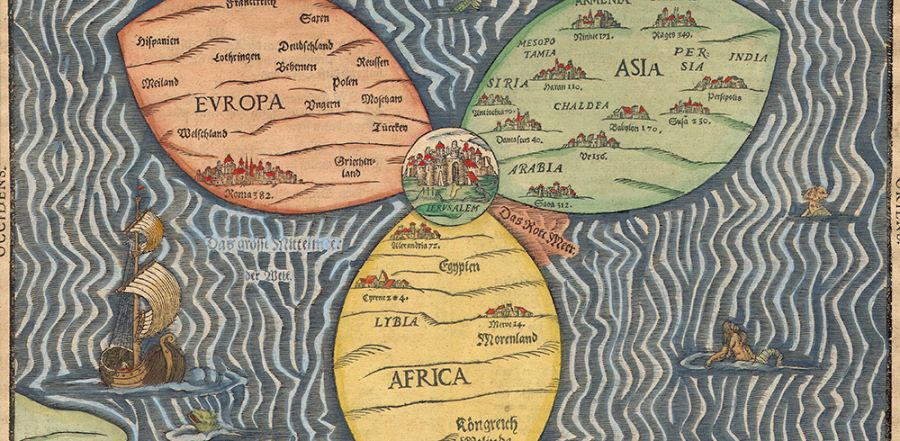
Africa: The Continent Reimagined

Africa: The Continent ReimaginedAfrica Image

Africa: The Continent Reimagined

Introduction

For many, the word “Africa” conjures up images of vast savannas, vibrant cultures, and unfortunately, persistent challenges. But what if we looked beyond the familiar narrative? What if we dared to reimagine Africa not as a continent defined by its struggles, but as a dynamic force poised to shape the future? This isn’t about wishful thinking; it’s about recognizing the seeds of change that are already taking root and understanding how we can help them flourish. Forget the stereotypes; get ready to explore a continent on the cusp of a transformative era.

The Crossroads: Challenges and Opportunities

Let’s be honest. Africa faces significant hurdles. Poverty, inequality, political instability, and the impacts of climate change are all real and pressing concerns. These challenges are not just statistics; they impact real lives, limiting opportunities for education, healthcare, and economic advancement. The short-term effects are visible in communities struggling to access basic necessities, while the long-term consequences threaten to undermine future generations’ potential.

For instance, consider the impact of climate change on agriculture. Changing rainfall patterns and increased droughts devastate crops, leading to food insecurity and economic hardship for farmers who depend on agriculture. This, in turn, can exacerbate existing inequalities and trigger migration, further straining already limited resources.

However, these challenges also present incredible opportunities. Think of it this way: necessity is the mother of invention. The pressures facing Africa are driving innovation, fostering resilience, and creating a unique entrepreneurial spirit. The continent’s young population, the fastest-growing in the world, represents a powerful engine for growth. With access to education and opportunities, this generation has the potential to drive economic transformation and build a more prosperous future.

Reimagining the Future: Practical Solutions

So, how do we reimagine Africa and unlock its full potential? It’s not about grand gestures or sweeping statements, but about practical, actionable solutions that address the root causes of the challenges and empower communities to build their own future.

Here are some approaches to consider:

  1. Investing in Education and Skills Development:
    • The Solution: Focus on providing quality education that equips young people with the skills needed for the 21st-century job market. This includes promoting STEM education, vocational training, and entrepreneurship programs.
    • Example: The African Leadership University (ALU) is pioneering a new model of higher education that focuses on developing future leaders with the skills and mindset to tackle Africa’s most pressing challenges. ALU’s curriculum emphasizes problem-solving, critical thinking, and entrepreneurial skills, preparing graduates to drive innovation and create positive change in their communities.
  2. Fostering Entrepreneurship and Innovation:
    • The Solution: Create a supportive ecosystem for entrepreneurs by providing access to funding, mentorship, and training. This includes promoting policies that encourage investment, reduce bureaucratic hurdles, and protect intellectual property.
    • Example: Tony Elumelu Foundation Entrepreneurship Programme: This initiative provides African entrepreneurs with seed funding, mentorship, and business training. The program has supported thousands of entrepreneurs across the continent, helping them to create jobs and contribute to economic growth.
  3. Embracing Technology and Digital Transformation:
    • The Solution: Leverage technology to improve access to information, healthcare, education, and financial services. This includes expanding internet connectivity, promoting digital literacy, and supporting the development of innovative tech solutions tailored to African needs.
    • Example: M-Pesa in Kenya is a mobile money transfer service that has revolutionized financial inclusion. It allows people to send and receive money using their mobile phones, providing access to financial services for millions of people who were previously excluded from the traditional banking system.
  4. Promoting Sustainable Agriculture and Food Security:
    • The Solution: Invest in climate-smart agriculture practices that improve crop yields, conserve water, and build resilience to climate change. This includes promoting the use of drought-resistant crops, providing farmers with access to irrigation, and supporting sustainable land management practices.
    • Example: The Alliance for a Green Revolution in Africa (AGRA) works to improve agricultural productivity and food security by supporting smallholder farmers with access to improved seeds, fertilizers, and training.
  5. Strengthening Governance and Promoting Transparency:
    • The Solution: Promote good governance, transparency, and accountability at all levels of government. This includes strengthening institutions, combating corruption, and ensuring that resources are used effectively and equitably.
    • Example: Several African countries have implemented e-governance initiatives to improve transparency and accountability in government operations. These initiatives use technology to streamline processes, reduce corruption, and improve public service delivery.

Alternative Approaches: Choosing the Right Path

It’s important to recognize that there’s no one-size-fits-all solution. The best approach will depend on the specific context and the needs of the community. Here are some alternative approaches to consider:

  • Community-Led Development: Empower communities to identify their own needs and develop their own solutions. This approach ensures that projects are relevant, sustainable, and culturally appropriate.
  • Public-Private Partnerships: Leverage the resources and expertise of both the public and private sectors to achieve development goals. This approach can help to accelerate progress and ensure that projects are financially sustainable.
  • South-South Cooperation: Promote collaboration and knowledge sharing between African countries and other developing nations. This approach can help to identify and adapt solutions that have been proven successful in similar contexts.
  • Focusing on Specific Sectors: Rather than trying to address all challenges at once, focus on specific sectors that have the potential to drive broader economic and social development, such as tourism, renewable energy, or creative industries.

A Call to Action: Building a Brighter Future

Reimagining Africa is not just a dream; it’s a necessity. The continent’s future is inextricably linked to the future of the world. By investing in education, fostering innovation, embracing technology, promoting sustainable agriculture, and strengthening governance, we can unlock Africa’s full potential and build a brighter future for all.

This isn’t just a task for governments or international organizations. Each of us has a role to play. Whether you’re an entrepreneur, a student, a policymaker, or simply a concerned citizen, you can contribute to the reimagining of Africa. Support African businesses, invest in African talent, and advocate for policies that promote sustainable development and inclusive growth.

The journey won’t be easy, but the rewards will be immense. By working together, we can help Africa realize its full potential and create a continent that is not just defined by its challenges but celebrated for its resilience, innovation, and unwavering spirit. Let’s move forward together, and actively build that future.

Asia: The Unfolding Century

Asia

Asia: The Unfolding Century

Introduction

Forget what you think you know about the future. Seriously. Because chances are, the script is being rewritten in real-time, and the pen wielding that script is firmly in Asia’s grasp. For decades, we’ve heard whispers of the “Asian Century,” a future dominated by the East. But it’s not a distant prospect anymore; it’s unfolding right before our eyes. The question isn’t if, but how. And more importantly, how will this shift impact the world, and what can we do to navigate this new era successfully?

Think of it this way: Asia isn’t just building skyscrapers; it’s building economies, innovating technologies, and shaping global culture at an unprecedented pace. From the bustling streets of Mumbai to the tech hubs of Seoul and the manufacturing powerhouses of China, the continent is a dynamic force, a melting pot of ambition and ingenuity.

But it’s not all smooth sailing. This rapid growth comes with its own unique set of challenges, both short-term and long-term.

The Here and Now: Growing Pains of Progress

In the short term, the relentless pursuit of economic growth is creating significant challenges. Think about it:

  • Inequality: While some are riding the wave of prosperity, vast segments of the population are being left behind, exacerbating social unrest and creating a fragile social fabric.
  • Environmental Degradation: The breakneck industrialization has taken a toll on the environment. Smog-choked cities, polluted rivers, and dwindling natural resources are becoming increasingly common, impacting public health and long-term sustainability.
  • Geopolitical Tensions: The rise of new superpowers is inherently unsettling. Territorial disputes, trade wars, and competition for resources are creating friction and uncertainty in the region.

These aren’t abstract problems. They’re affecting real people, impacting businesses, and threatening the stability of the region.

The Long Game: A Future Shaped by Asia

Looking ahead, the long-term implications are dewanusa even more profound:

  • Shifting Global Power Dynamics: As Asia’s economic and political influence grows, the traditional dominance of the West is being challenged. This shift will reshape international institutions, trade agreements, and diplomatic relations.
  • Technological Supremacy: Asia is rapidly emerging as a global leader in technology, particularly in areas like artificial intelligence, renewable energy, and biotechnology. This could lead to a world where Asian innovations set the standards and shape the future of industries.
  • Demographic Shifts: With a young and growing population, Asia holds immense potential for future growth. However, it also faces challenges related to urbanization, aging populations, and workforce development.

Ignoring these challenges is not an option. But here’s the good news: these problems aren’t insurmountable. With the right strategies and a collaborative spirit, Asia can navigate these challenges and create a more prosperous and sustainable future for itself and the world.

Navigating the Asian Century: Practical Solutions

So, what can be done? Here are a few practical and actionable solutions:

  • Investing in Sustainable Development: Rather than blindly chasing economic growth, prioritize investments in green technologies, renewable energy sources, and sustainable urban planning. China’s commitment to reducing carbon emissions, despite being the world’s largest emitter, is a significant step in the right direction, showing a shift in priorities.
  • Promoting Inclusive Growth: Implement policies that ensure that the benefits of economic growth are shared more equitably. This includes investing in education, healthcare, and social safety nets, particularly for marginalized communities. Look at Vietnam’s success in reducing poverty through targeted social programs and microfinance initiatives as a model.
  • Strengthening Regional Cooperation: Foster greater cooperation and dialogue among Asian nations to address common challenges like climate change, trade disputes, and security threats. ASEAN (Association of Southeast Asian Nations) serves as a good example of regional collaboration, although more needs to be done to strengthen its effectiveness.
  • Embracing Innovation and Technology: Invest in research and development to foster innovation and technological advancements. Singapore’s Smart Nation initiative, which leverages technology to improve quality of life, is a prime example of how innovation can drive sustainable growth.
  • Prioritizing Education and Skills Development: Prepare the workforce for the jobs of the future by investing in education and skills development programs. South Korea’s emphasis on STEM education (science, technology, engineering, and mathematics) has contributed to its success as a global technology leader.

The beauty of these solutions is that they can be tailored to specific contexts and priorities. Here are a few alternative approaches to consider:

  • Focus on Grassroots Movements: Empower local communities and grassroots organizations to drive change from the bottom up. Support local initiatives that promote sustainable practices, social justice, and environmental conservation.
  • Embrace Social Entrepreneurship: Encourage the development of social enterprises that address social and environmental challenges while generating economic value. These businesses can provide innovative solutions and create positive change in their communities.
  • Promote Cultural Exchange: Foster cultural exchange and understanding between Asian countries and the rest of the world. This can help break down stereotypes, build bridges, and promote collaboration.

A Call to Action: Shaping the Future Together

The Asian Century is not a passive phenomenon; it’s a dynamic process that requires active participation and collaboration. Whether you’re a business leader, a policymaker, an entrepreneur, or simply a concerned citizen, you have a role to play in shaping this unfolding century.

The challenges are real, but so is the opportunity. By embracing sustainable practices, promoting inclusive growth, fostering regional cooperation, and investing in innovation, Asia can create a future that is not only prosperous but also equitable, sustainable, and secure.

The future is being written now. Let’s work together to ensure that it’s a story worth telling, a century defined by progress, collaboration, and a shared commitment to a better world for all. Don’t just watch the Asian Century unfold, be a part of it. The time to act is now.


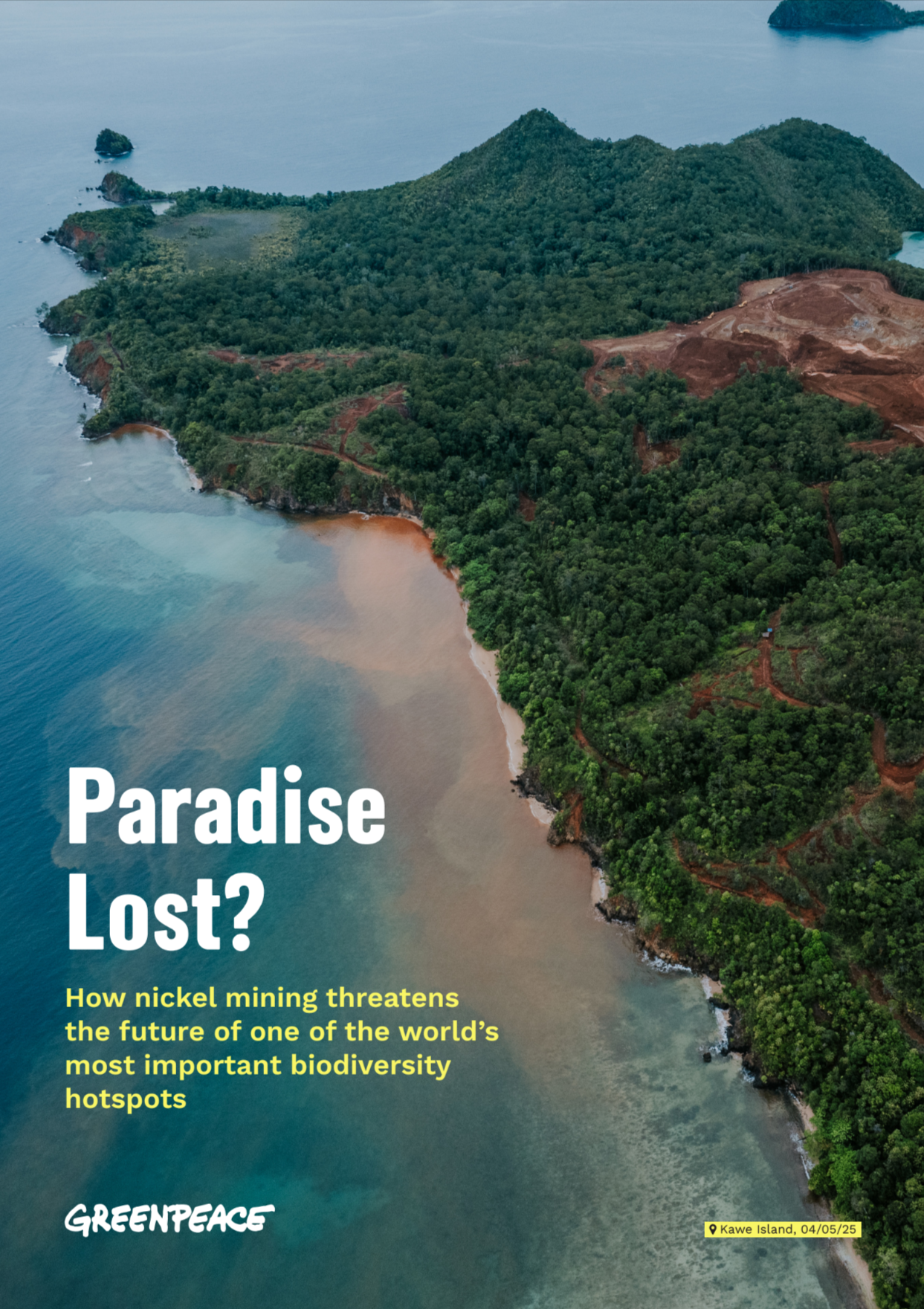
Indonesia: Paradise Lost?

Indonesia: Paradise Lost?Report Cover

Indonesia: Paradise Lost?

Introduction

Indonesia. The name conjures images of emerald rice paddies cascading down volcanic slopes, pristine beaches fringed by swaying palms, and ancient temples whispering tales of forgotten kingdoms. A land of a thousand islands, a vibrant tapestry of cultures, and a biodiversity hotspot unlike any other. Paradise, right?

But scratch beneath the surface of these idyllic postcards, and a different story emerges. A story of mounting challenges, of paradise threatened. Are we witnessing the slow erosion of Indonesia’s natural wonders and cultural heritage? Is paradise, indeed, slowly being lost?

The simple answer is, potentially, yes.

The Tides of Change: Short-Term Headaches, Long-Term Tsunamis

Indonesia’s rapid development has brought progress, undeniably. A growing economy, improved infrastructure, and rising living standards are tangible benefits. But this progress has come at a cost. The short-term impacts are readily visible: traffic choked city streets, mountains of plastic choking waterways, and air thick with pollution hanging over urban centers.

But these are just the tip of the iceberg. The long-term consequences are far more profound and pose a serious threat to the very fabric of Indonesian society and its future.

Explanation of the Problem

Deforestation: Cutting Down the Future

Indonesia is home to the world’s third-largest rainforest. These forests are not just pretty scenery; they are vital carbon sinks, regulating rainfall, and providing habitat for countless species, including iconic creatures like the Sumatran tiger and orangutan. Yet, driven by demand for palm oil, paper, and timber, these forests are vanishing at an alarming rate.

The immediate impacts are devastating: loss of biodiversity, displacement of indigenous communities, and increased soil erosion. But the long-term consequences are even more frightening. Deforestation contributes significantly to climate change, exacerbating droughts, floods, and rising sea levels – threats that disproportionately affect Indonesia’s coastal communities.

Plastic Pollution: A Sea of Troubles

Indonesia is the second-largest contributor to plastic pollution in the ocean. Images of beaches buried under mountains of plastic waste have become sadly commonplace. The short-term effects are obvious: contaminated beaches, dead marine animals, and a decline in tourism.

However, the insidious long-term effects are far more concerning. Microplastics are entering the food chain, contaminating seafood that millions of Indonesians rely on. The health impacts of microplastic ingestion are still being studied, but early research suggests potential links to hormonal disruption, immune system problems, and even cancer.

Climate Change: Paradise Under Threat

As an archipelago nation, Indonesia is particularly vulnerable to the impacts of climate change. Rising sea levels threaten to inundate coastal communities, displacing millions of people. Extreme weather events, such as floods and droughts, are becoming more frequent and intense, disrupting agriculture and damaging infrastructure.

In the short-term, these events cause economic hardship and human suffering. In the long-term, they threaten the very existence of many Indonesian islands and coastal cities, forcing mass migration and potentially leading to social unrest.

Solutions: Rekindling the Flame of Paradise

The good news is that it’s not too late to reverse course. Indonesia has the potential to become a global leader in sustainable development, showcasing how economic progress and environmental protection can go hand in hand. But this requires a concerted effort from the government, businesses, and individuals.

Here are some practical and applicable solutions:

  • Sustainable Forestry: Implement stricter regulations to prevent illegal logging and promote sustainable forestry practices. Encourage reforestation efforts and support community-based forest management. Example: The Indonesian government’s Peatland Restoration Agency (BRG) is working to restore degraded peatlands, which are vital carbon sinks.
  • Reduce, Reuse, Recycle: Implement comprehensive waste management systems that prioritize waste reduction, reuse, and recycling. Invest in infrastructure for sorting and processing waste. Educate the public about the importance of responsible waste disposal. Example: Many Indonesian cities are starting to implement “plastic bank” programs, where residents can exchange plastic waste for money or goods.
  • Invest in Renewable Energy: Transition away from fossil fuels and invest in renewable energy sources such as solar, wind, and geothermal. This will reduce carbon emissions and improve air quality. Example: Indonesia has vast geothermal resources and is actively developing geothermal power plants.
  • Eco-Tourism: Promote sustainable tourism that benefits local communities and protects the environment. Encourage tourists to choose eco-friendly accommodations and activities. Example: Community-based tourism initiatives in Raja Ampat, West Papua, are helping to protect the region’s pristine coral reefs while providing economic opportunities for local communities.
  • Education and Awareness: Educate the public about the environmental challenges facing Indonesia and the importance of sustainable living. Incorporate environmental education into school curriculums. Example: Many Indonesian NGOs are running environmental awareness campaigns, using social media and community outreach to educate people about the importance of protecting the environment.

Alternative Approaches:

  • Circular Economy: Shift from a linear “take-make-dispose” economy to a circular economy that minimizes waste and maximizes resource use. This involves designing products for durability, repairability, and recyclability.
  • Carbon Pricing: Implement a carbon tax or cap-and-trade system to incentivize businesses to reduce their carbon emissions.
  • Green Finance: Promote green finance initiatives that provide funding for sustainable development projects.

A Call to Action: Rekindling Hope

Indonesia’s environmental challenges are daunting, but they are not insurmountable. By adopting a holistic approach that combines sustainable development policies, technological innovation, and individual responsibility, Indonesia can chart a course towards a more sustainable and prosperous future.

The key is to act now. Every small action counts. Reduce your plastic consumption, support local businesses that prioritize sustainability, and advocate for policies that protect the environment.

Let us not stand idly by as paradise fades away. Let us work together to rekindle the flame of hope and ensure that future generations can enjoy the beauty and bounty of Indonesia for centuries to come. The time to act is now. The future of Indonesia, and perhaps a small piece of the world, depends on it.

Japan: The Archipelago Whispers.


Japan:TheArchipelagoWhispersJapan

Japan:TheArchipelagoWhispers

Introduction

Japan.Justthenameconjuresupimagesofserenetemplesnestledamongstvibrantcherryblossoms,bustlingcityscapesilluminatedbyneonlights,andthequietgraceofancienttraditions.Butbeyondthepostcard-perfectviews,adeeperstoryisunfolding–awhisperechoingthroughthearchipelagoaboutthepressuresfacedbythisuniquenation.

It’sastoryofarapidlyagingpopulation,ashrinkingworkforce,andthechallengesofadaptingtoaglobalizedworldwhilepreservingitsdistinctculturalidentity.Thesearen’tabstracteconomicwoes;theyaretangiblerealitiesshapingthelivesofeverydayJapanesecitizensand,increasingly,impactingthenation’sfuturetrajectory.Thinkofitasacomplexpuzzle,whereeachpiece–fromdemographicstoeconomicpolicytosocietalvalues–interlocktocreateachallenging,yetfascinating,picture.

So,whatarethesewhispers,andhowaretheyshapingtheLandofRisingSun?Moreimportantly,whatcanbedone?Let’sdelveintotheheartofthematter.

TheGrayingWave:ADemographicDilemma

Japanboastonelongestlifeexpectanciesintheworld,atestamenttoitshealthylifestyleandadvancedhealthcare.However,thissilverliningcastasignificantshadow:arapidlyagingpopulationcoupledwithadecliningbirthrate.Imagineapyramidturningupsidedown–feweryoungpeopleenteringtheworkforcetosupportagrowingelderlypopulation.

  • Short-TermImpact:Businessesarestrugglingtofindqualifiedworkers,leadingtoincreasedworkloadsforexistingemployeesandhinderingeconomicgrowth.Healthcarecostsaresoaring,strainingthenation’ssocialsecuritysystem.Inruralareas,entirevillagesarefacingdepopulation,leavingbehindagingcommunitieswithlimitedaccesstoessentialservices.
  • Long-TermImpact:Ifthecurrenttrendcontinues,Japanfacesasignificantdeclineinitsoverallpopulation,potentiallyleadingtoashrinkingeconomy,reducedglobalinfluence,andaweakenedsocialfabric.Theburdenonfuturegenerationstosupporttheelderlywillbecomeincreasinglyunsustainable.

TheEconomicEcho:NavigatingGlobalTurbulences

Beyonddemographics,Japan’seconomiclandscapeisfacingitsownsetofchallenges.Whileagloballeaderintechnologyandinnovation,thecountryhasexperiencedperiodsofstagnation,andisgrapplingwiththepressuresofglobalcompetitionandevolvingmarketdynamics.

  • Short-TermImpact:Japanesecompaniesfaceincreasingpressuretoinnovateandadapttocompetewithemergingeconomies.Wagestagnationisimpactingconsumerspending,furtherhinderingeconomicgrowth.Therelianceontraditionalbusinesspracticescansometimestifleinnovationandslowdownadaptationtonewtechnologies.
  • Long-TermImpact:FailuretoaddresstheseeconomicchallengescouldleadtoadeclineinJapan’scompetitivenessontheglobalstage.Thenationriskslosingitspositionasatechnologicalpowerhouseandfacingfurthereconomicstagnation.

WhispersofChange:PotentialSolutions

ThegoodnewsisthatJapanisactivelytacklingthesechallengeswithinnovativestrategiesandarenewedsenseofpurpose.Thesolutionsaremultifaceted,requiringacollaborativeeffortfromthegovernment,businesses,andindividuals.

Herearesomepracticalapproaches:

1.BoostingtheBirthRate:ASocietalShift

Thisisn’tjustaboutfinancialincentives(thoughtheycanhelp!).It’saboutcreatingasocietythatsupportsfamiliesandencouragescouplestohavechildren.

  • Solution:Implementcomprehensivechildcaresupportprograms,includingaffordabledaycareoptionsandflexibleworkarrangementsforparents.Promoteaculturethatvalueswork-lifebalanceandencouragesmentotakeamoreactiveroleinchildcare.Considertargetedfinancialincentivesforfamilieswithchildren,suchasincreasedtaxbreaksorsubsidiesforeducation.
  • Example:France,whichhassuccessfullyreverseditsdecliningbirthratethroughacombinationofgenerousfamilybenefits,affordablechildcare,andsupportivepolicies.

2.EmbracingImmigration:FillingtheLaborGap

ThisremainsasensitivetopicinJapan,knownforitshomogenoussociety.However,carefullymanagedimmigrationcanbeaviablesolutiontoaddressthelaborshortage.

  • Solution:Implementapoints-basedimmigrationsystemthatprioritizesskilledworkersinhigh-demandsectors.OfferlanguageandculturalintegrationprogramstohelpimmigrantsassimilateintoJapanesesociety.Addressconcernsaboutpotentialimpactsonculturalidentitythroughopendialogueandinclusivepolicies.
  • Example:Canada,whichhassuccessfullyintegratedimmigrantsfromdiversebackgroundsintoitssocietyandeconomythroughacomprehensiveimmigrationpolicy.

3.InvestinginAutomationandAI:DoingMorewithLess

Leveragingtechnologytoincreaseproductivityandefficiencyiscrucialtooffsettheshrinkingworkforce.

  • Solution:ProvideincentivesforbusinesstoinvestinautomationandAItechnologies.Offertrainingprogramstoequipworkerswiththeskillsneededtooperateandmaintainthesetechnologies.FocusondevelopingAIsolutionsthatcanassistwithtaskscurrentlyperformedbyhumans,freeingupworkerstofocusonhigher-valueactivities.
  • Example:ThemanufacturingsectorinGermany,whichhasembracedautomationandAItomaintainitscompetitivenessdespiteashrinkingworkforce.

4.EmpoweringWomenintheWorkforce:UnlockingUntappedPotential

Japanhasmadeprogresinrecentyears,butstilllagsbehindotherdevelopednationsintermsofgenderequalityintheworkplace.

  • Solution:Implementpoliciesthatpromoteequalpayforequalwork.Provideopportunitiesforwomentoadvancetoleadershippositions.Createamoreinclusiveandsupportiveworkenvironmentthataddressesissuessuchasgenderbiasanddiscrimination.
  • Example:TheNordiccountries,whichhassuccessfullypromotedgenderequalityintheworkplacethroughcomprehensivepoliciesandastrongculturalcommitmenttogenderequality.

5.RevitalizingRuralAreas:BreathingLifeBackintotheCountryside

Addressingthedepopulationofruralareasiscrucialformaintainingthenation’sculturalheritageandensuringamorebalanceddistributionofresources.

  • Solution:Investininfrastructureandservicesinruralareas,suchashigh-speedinternetandimprovedtransportation.Offerincentivesforyoungpeopletomovetoandstayinruralareas,suchasaffordablehousingandemploymentopportunities.Promotetourismtoruralareastocreateneweconomicopportunities.
  • Example:The”OneVillageOneProduct”movementinThailand,whichhashelpedtorevitalizeruralcommunitiesbypromotingthedevelopmentandmarketingofuniquelocalproducts.

ChoosingYourPath:AMenuofPossibilities

Thesearejustafewpotentialsolutions,andtheoptimalapproachwilllikelyinvolveacombinationofstrategiestailoredtoJapan’sspecificcircumstances.Thekeyistoremainopentonewideas,bewillingtoadapt,andfosteraspiritofcollaborationandinnovation.It’saboutfindingtherightbalancebetweenpreservingtraditionandembracingchange.

TheFutureBeckons:AnOptimisticOutlook

WhilethechallengesfacingJapanaresignificant,theyarenotinsurmountable.TheJapanesepeoplehaveaproventrackrecordofresilience,innovation,andastrongsenseofnationalunity.Byembracingboldsolutions,investinginitspeople,andfosteringaspiritofinnovation,Japancanovercomethesechallengesandcontinuetothriveinthe21stcentury.

Thewhispersechoingthroughthearchipelagomaybeacalltoaction,buttheyarealsoreminderoffapan’senduringstrengthanditsunwaveringcommitmenttobuildingabrighterfuture.It’stimetolistentothosewhispers,learnfromthepast,andembracetheopportunitiesthatlieahead.ThestoryofJapanisfarfromover;it’sjustenteringanewchapter,onefilledwithbothchallengesandimmensepotential.Let’shopethatthechoicesmadeleadtoamelodioussongfromthearchipelago!

China’s Century: Promise or Peril?

China's Century

China’s Century: Promise or Peril?

Introduction

For decades,we’ve been hearing whispers,then shouts,about China’s rise.It’s the economic behemoth flexing its muscles,the technological innovator churning out cutting-edge advancements,the global influencer reshaping the geopolitical landscape.Is this the dawn of “China’s Century,” a new world order with Beijing at the helm?And more importantly,is that something to celebrate,or something to fear?

Let’s be honest,the answer isn’t a simple “yes” or “no.” China’s ascent presents both incredible opportunities and potential challenges,a fascinating blend of promise and peril that demands our attention.Ignoring it is not an option.Understanding it is crucial,both for businesses navigating the global market and for individuals trying to make sense of a rapidly changing world.

The Short-Term Buzz: Economic Boom and Global Disruption

In the short term,China’s impact is undeniably felt in the global economy.Think about it:the goods on our shelves,the supply chains that fuel our industries,the investment capital flowing across borders – China is deeply intertwined with all of them.This has driven economic growth,lifted millions out of poverty (within China,of course),and fostered innovation.

But this rapid growth also brings disruption.Western companies face increased competition,intellectual property concerns loom large,and the potential for economic dependence raises anxieties.We’ve already seen glimpses of this in trade wars,technological rivalries,and debates over fair market access.These short-term anxieties aren’t just abstract concerns for economists;they impact jobs,industries,and the very fabric of global trade.

The Long Game: Influence, Innovation, and Ideological Clash

Looking further down the line,the stakes get even higher.China’s ambition isn’t just about economic dominance;it’s about shaping the future.The Belt and Road Initiative,for example,is a massive infrastructure project with far-reaching geopolitical implications,potentially reshaping global trade routes and power dynamics.

Then there’s the innovation race.China is pouring billions into AI,green energy,and other cutting-edge technologies,aiming to be a global leader.While competition often drives progress,it also raises concerns about ethical considerations,data privacy,and the potential for technological supremacy.

Perhaps the biggest long-term challenge lies in the clash of ideologies.The West,with its emphasis on democracy and individual liberties,often clashes with China’s authoritarian system and its focus on social harmony and state control.This ideological divide permeates everything from human rights to internet censorship,creating a tension that could define the 21st century.

So, What Can We Do? From Fear to Opportunity

It’s easy to feel overwhelmed,even a little scared,by the prospect of a China-dominated future.But fear doesn’t solve problems;informed action does.Here are some practical steps we can take to navigate this complex landscape:

  1. Embrace Education and Understanding:
    • Learn Mandarin: Understanding the language opens doors to understanding the culture,the business practices,and the nuances of Chinese society.Online resources like Duolingo and Coursera offer accessible ways to begin learning.
    • Study Chinese History and Culture: Go beyond stereotypes and delve into the rich history and cultural traditions that shape China’s worldview.This helps to understand the motivations and priorities driving its actions.Look to universities and online lectures for reliable sources.
    • Follow Reputable News Sources: Stay informed by relying on credible news outlets that provide balanced coverage of China,avoiding sensationalism and biased reporting.
  2. Foster Collaboration and Dialogue:
    • Promote People-to-People Exchanges: Encourage educational and cultural exchanges between China and other countries to foster mutual understanding and build bridges of communication.
    • Engage in Track II Diplomacy: Support informal dialogues and discussions between experts,policymakers,and civil society representatives from different countries to address common challenges and build trust.
    • Seek Common Ground: Identify areas of mutual interest,such as climate change,global health,and economic stability,and work together to find solutions that benefit all.
  3. Adapt and Innovate in the Business World:
    • Diversify Supply Chains: Reduce reliance on single-source suppliers in China by diversifying supply chains to other countries or regions.
    • Protect Intellectual Property: Strengthen intellectual property protection measures and be vigilant about potential infringements.
    • Develop Local Market Expertise: Invest in understanding the unique needs and preferences of Chinese consumers and tailor products and services accordingly.
    • Example: Many companies are now looking at Southeast Asia and India as alternative manufacturing hubs to reduce their dependence on China.
  4. Advocate for Human Rights and Democratic Values:
    • Support Civil Society Organizations: Donate to organizations that promote human rights,freedom of expression,and democratic values in China.
    • Speak Out Against Abuses: Use your voice to condemn human rights abuses and call for greater accountability from the Chinese government.
    • Promote Digital Freedom: Advocate for policies that protect internet freedom and prevent censorship.
  5. Encourage Responsible Investment and Trade Practices:
    • Demand Transparency and Accountability: Hold companies accountable for their environmental and social impact in China.
    • Promote Fair Trade Practices: Support fair trade agreements that ensure workers’ rights are protected and that environmental standards are met.
    • Invest in Sustainable Development: Encourage investments that promote sustainable development and reduce pollution in China.

A Final Thought: Shaping Our Shared Future

China’s rise is a complex and multifaceted phenomenon.It’s not simply a question of promise or peril,but rather a dynamic interplay of both.By embracing education,fostering collaboration,adapting to the changing business landscape,advocating for human rights,and promoting responsible investment,we can shape the future in a way that benefits all.

The “China Century” is not a predetermined outcome.It’s a process,a negotiation,a series of choices that will determine the kind of world we live in.We have a role to play in shaping that future.By engaging thoughtfully and proactively,we can navigate the challenges and seize the opportunities that lie ahead,ensuring that China’s rise leads to a more prosperous and equitable world for everyone.Let’s not be passive observers;let’s be active participants in building a future where promise outweighs peril.The future is not fixed;it is ours to create.

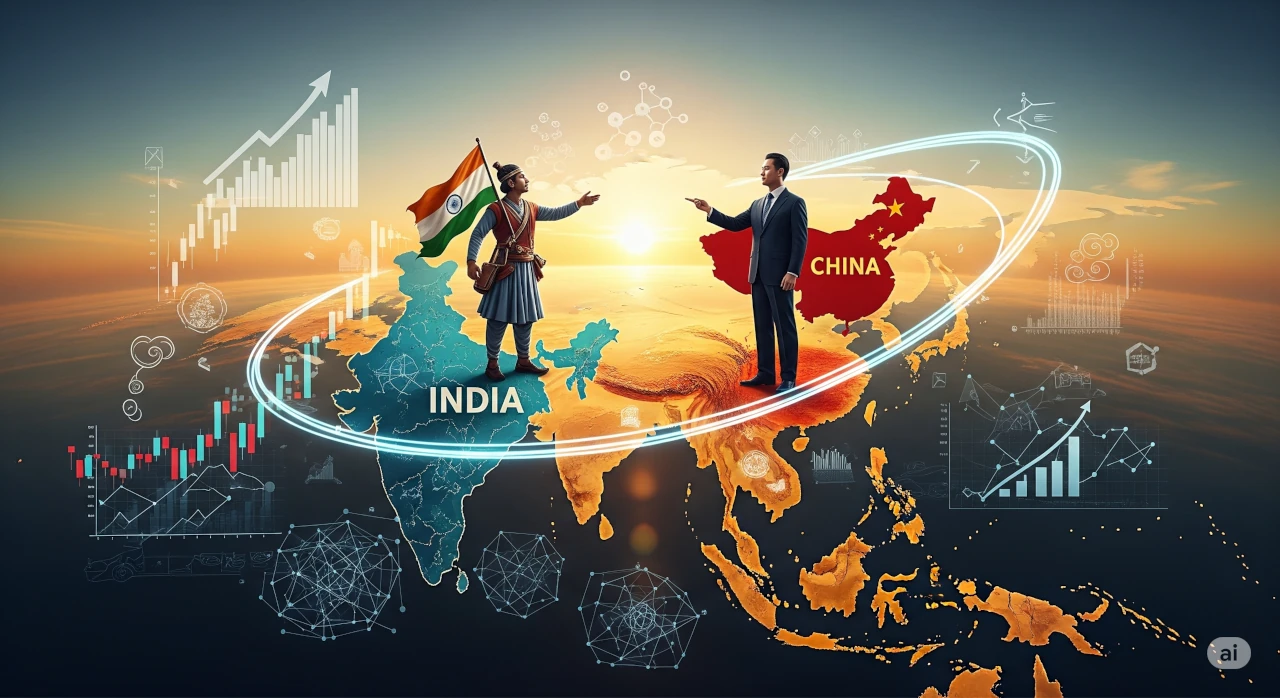
India: The Unfolding Century

India:TheUnfoldingCenturyIndia and China

India:TheUnfoldingCentury

Introduction

India.Justthenameconjuresupawhirlwindofimages–bustlingmarkets,ancienttemples,cutting-edgetechparks,andvibrantfestivals.It’salandofstarkcontrasts,anationgrapplingwithimmensechallengeswhilesimultaneouslyburstingwithunparalleledpotential.Forgetthetiredclichésofsnakecharmersandelephants;theIndiaoftodayisadynamicforcepoisedtoreshapethe21stcentury,andunderstandingitstrajectoryisvitalforanyonelookingtonavigatethecomplexitiesofourglobalizedworld.

Butthisjourneyisn’twithoutitsbumps.India’srapidgrowthhasbroughtbothopportunitiesandproblems,challengesthatifnotaddressedeffectively,couldderailitsascent.So,whatarethesehurdles,andmoreimportantly,whatcanbedoneaboutthem?Let’sdivein.

TheTightropeWalk:Growthvs.Sustainability

India’seconomicriseisundeniable.Itsyouthfulpopulation,coupledwithagrowingmiddleclassandincreasingforeigninvestment,paintsapictureofsustainedgrowth.However,thisrapidexpansionputsimmensepressureonitsresources.Imagineacaracceleratingfullthrottle–impressivespeed,sure,butwhataboutthestrainontheengine,thetires,andultimately,theenvironment?

Oneofthemostpressingconcerns iswater scarcity.Millionsfacedailystrugglestoaccesscleanwater,aproblemexacerbatedbyinefficientagriculturalpracticesandindustrialpollution.Theshort-termimpactisvisible:farmersstrugglingtoirrigatecrops,communitiesfacinghealthcrisesduetocontaminatedwater,andindustriesfacingshutdownsduetowatershortages.Long-term,thiscanleadtowidespreadsocialunrest,economicinstability,andevenecologicalcollapse.

Anothercriticalchallengeisairpollution.MajorcitieslikeDelhiroutinelytopthechartsfortheworstairqualityintheworld.Theimmediateconsequencesareobvious:respiratoryillnesses,reducedlifeexpectancy,andalowerqualityoflife.Butthelong-termimpactisfarmoreinsidious,affectingcognitivedevelopmentinchildren,exacerbatingclimatechange,andultimatelyimpactingIndia’seconomicproductivity.

Andthenthere’stheissueofinequality.Whileasignificantportionofthepopulationisthriving,millionsarestilltrappedinpoverty,lackingaccesstobasicnecessitieslikeeducationandhealthcare.ThisdisparitycreatessocialtensionsandlimitsIndia’soverallpotential,asalargesegmentofthepopulationremainsunabletocontributefullytothenation’sprogress.

NavigatingtheLabyrinth:PracticalSolutionsforaBrighterFuture

Thegoodnewsisthatthesechallengesarenotinsurmountable.Indiapossessestheinnovation,thetalent,andthepoliticalwilltoforgeasustainableandequitablepathforward.Thekeyliesinimplementingpracticalandadaptablesolutions.

1.WaterConservation:FromDripIrrigationtoRainwaterHarvesting

Thesolutiontowaterscarcityisn’tjustaboutfindingnewsources;it’saboutusingexistingresourcesmoreefficiently.Dripirrigation,forexample,deliverswaterdirectlytoplantroots,reducingwastagesignificantly.Israel,acountryfacingsimilarwaterchallenges,hasbecomeagloballeaderindripirrigationtechnology,offeringavaluablecasestudyforIndiatolearnfrom.

Beyondagriculture,promotingrainwaterharvestingattheindividualandcommunitylevelcanmakeasubstantialdifference.Chennai,acitythatfacedseverewatercrisesinthepast,hassuccessfullyimplementedrainwaterharvestinginitiatives,demonstratingitseffectivenessinreplenishinggroundwaterreserves.Thegovernmentcanincentivizethesepracticesthroughsubsidiesandawarenesscampaigns,makingthemmoreaccessibleandappealingtothepublic.

2.CombatingAirPollution:AMulti-prongedApproach

Tacklingairpollutionrequiresamulti-prongedstrategy,focusingonitsrootcauses:

  • TransitiontoCleanerEnergy:Investinginrenewableenergysourceslikesolarandwindpoweriscrucial.Indiahasalreadymadesignificantstridesinthisarea,butacceleratingthetransitionandphasingoutcoal-firedpowerplantsisessential.
  • PromotingPublicTransportation:Improvingpublictransportationinfrastructureandincentivizingitsusecanreducetrafficcongestionandemissions.CitieslikeLondonandSingaporeofferexcellentexamplesofefficientandintegratedpublictransportationsystems.
  • EnforcingStricterEmissionStandards:Implementingandenforcingstricteremissionstandardsforvehiclesandindustriesisvital.TheBharatStageVIemissionnorms,recentlyimplementedinIndia,areastepintherightdirection,butcontinuousimprovementandrigorousenforcementarenecessary.
  • AddressingAgriculturalBurning:Cropresidueburningcontributessignificantlytoairpollution.Promotingalternativeagriculturalpractices,suchasusingcropresidueasbiofuelorfertilizer,canhelpmitigatethisissue.

3.BridgingtheInequalityGap:InvestinginEducationandHealthcare

Addressinginequalityrequiresafocusonempoweringmarginalizedcommunitiesthrougheducationandhealthcare.Improvingaccesstoqualityeducation,particularlyforgirls,canbreakthecycleofpovertyandprovideopportunitiesforupwardmobility.Investinginprimaryhealthcareandensuringaccesstoaffordablehealthcareservicesforallisequallycrucial.

Furthermore,promotingskilldevelopmentprogramsandprovidingaccesstomicrofinancecanempowerindividualstostarttheirownbusinessesandbecomefinanciallyindependent.TheSelf-EmployedWomen’sAssociation(SEWA)inIndiaisaprimeexampleofhowempoweringwomenthroughmicrofinanceandskilldevelopmentcantransformlivesandcommunities.

ChoosingYourPath:AMenuofSolutions

There’snoon-size-fits-allsolutiontoIndia’schallenges.Whatworksinoneregionmightnotbesuitableforanother.That’swhyit’scrucialtoofferamenuofsolutions,allowingcommunitiesandpolicymakerstochosetheapproachesthatbestfittheirspecificcircumstances.

Thiscouldinvolve:

  • LocalizedWaterManagement:Implementingwatermanagementstrategiestailoredtothespecificneedsofeachregion,takingintoaccountlocalclimateconditionsandagriculturalpractices.
  • Community-BasedRenewableEnergyProjects:Supportingcommunity-ledinitiativestogeneraterenewableenergy,empoweringlocalcommunitiestotakecontroloftheirenergyneeds.
  • TargetedSocialWelfarePrograms:Designingsocialwelfareprogramsthatarespecificallytargetedatthemostvulnerablepopulations,ensuringthatresourcesreachthosewhoneedthemmost.

ThePowerofCollectiveAction

India’sunfoldingcenturyisnotpredetermined.Itsfuturewillbeshapedbythechoiceswemaketoday.Itrequiresacollectiveeffort–frompolicymakersandbusinessestoindividualsandcommunities.

Thechallengesarereal,butsoisthepotential.Byembracinginnovation,promotingsustainablepractices,andprioritizingequity,Indiacannotonlyovercomethesehurdlesbutalsoemergeasagloballeaderinthe21stcentury.

So,let’smoveforwardnotwithtrepidation,butwithasenseofpurposeandoptimism.Let’scontributetobuildingan Indiathatisnotonlyprosperousbutalsosustainable,equitable,andabeaconofhopefortheworld.Thefutureisnot somethingthathappenstous;it’ssomethingwecreate,together.Thetimetoactisnow.

America: Fractured. Forged. Future?

“`html
America: Fractured. Forged. Future?America

America: Fractured. Forged. Future?

Introduction

Let’s face it: walking around America these days feels a bit like navigating a minefield. Political disagreements have morphed into deeply entrenched divisions. Conversations that once sparked lively debate now trigger explosive arguments. We’re bombarded with headlines screaming about polarization, social injustice, and existential threats to democracy. America feels, in a word, fractured.

But is this fracture fatal? Or is it a necessary breaking point, a painful yet crucial step in forging a stronger, more equitable future? That’s the question we need to grapple with. The answer, unsurprisingly, is complex.

The Short-Term Pain, Long-Term Consequences

The immediate impact of this division is undeniable. Look at our political landscape. Gridlock is the norm, making it incredibly difficult to address pressing issues like climate change, healthcare access, and economic inequality. The constant infighting erodes public trust in institutions, leading to apathy and disengagement. We see this in dwindling voter turnout, particularly among younger generations who feel their voices aren’t being heard.

Beyond politics, the fractures bleed into our social fabric. Families are divided, friendships strained. Online echo chambers amplify existing biases, making it harder to understand and empathize with opposing viewpoints. This polarization creates a breeding ground for misinformation and extremism, threatening the very foundations of civil discourse.

But the long-term consequences are even more concerning. A divided America struggles to compete on the global stage. Our ability to innovate, to attract talent, and to lead on critical global issues is hampered by internal strife. More seriously, the erosion of democratic norms and the rise of extremism could threaten the stability of our government and the safety of our citizens.

Forging a Future: Practical Solutions

So, what can we do? How do we move from a fractured present towards a forged future? The answer isn’t a single magic bullet, but a multi-pronged approach that tackles the problem at its roots.

1. Reclaiming Civil Discourse: One Conversation at a Time.

This starts with conscious effort. We need to actively seek out diverse perspectives, even – and especially – those that challenge our own. This doesn’t mean abandoning our beliefs, but engaging in respectful dialogue.

Practical Application: Before reacting defensively to someone’s opinion, try asking clarifying questions: “Help me understand where you’re coming from,” or “What information led you to that conclusion?” Listen actively, without interrupting, and genuinely try to understand their viewpoint.

Case Study: “Braver Angels,” a non-profit organization, facilitates workshops bringing together people with opposing political views for structured conversations. They teach participants to listen respectfully, find common ground, and de-escalate conflict. Their success demonstrates the power of facilitated dialogue in bridging divides.

2. Strengthening Media Literacy: Navigating the Information Overload.

In the age of social media and instant information, it’s crucial to develop critical thinking skills. We need to be able to identify bias, verify information, and distinguish between credible sources and misinformation.

Practical Application: Before sharing an article or post, ask yourself: “Who wrote this? What are their biases? Are they providing evidence to support their claims? Can I find this information from other, reputable sources?”

Case Study: Schools and libraries are increasingly incorporating media literacy programs into their curriculum. These programs teach students how to critically evaluate online content, identify fake news, and understand the algorithms that shape their online experience.

3. Reforming Political Processes: Leveling the Playing Field.

Our political system is riddled with problems that exacerbate division. Gerrymandering, campaign finance regulations, and the two-party system all contribute to polarization. Reforming these processes can help level the playing field and create a more representative democracy.

Alternative Approaches: Consider supporting organizations advocating for campaign finance reform, ranked-choice voting, or independent redistricting commissions. Each of these approaches aims to reduce the influence of money in politics, promote more moderate candidates, and create more competitive elections.

Practical Application: Become an informed voter. Research candidates beyond their party affiliation. Pay attention to their voting records, their policy positions, and their sources of funding. Support candidates who prioritize collaboration and compromise over partisan loyalty.

4. Investing in Education: Building a More Inclusive Future.

Education is the cornerstone of a healthy democracy. By investing in education, particularly in underserved communities, we can create a more equitable society where everyone has the opportunity to succeed.

Practical Application: Support local schools and educational programs. Volunteer your time, donate resources, or advocate for policies that prioritize education funding.

Alternative Approaches: Consider supporting charter schools, voucher programs, or other innovative educational models that aim to improve outcomes for students in underserved communities. While these approaches are controversial, they offer potential solutions to address the persistent achievement gap.

5. Cultivating Empathy: Stepping into Someone Else’s Shoes.

Ultimately, healing our fractured nation requires cultivating empathy. We need to learn to see the world from the perspective of others, to understand their struggles and their aspirations.

Practical Application: Engage in activities that expose you to different cultures and perspectives. Read books by authors from diverse backgrounds, watch documentaries about social issues, or volunteer in your community.

Case Study: Programs like “StoryCorps” collect and share personal stories from people of all backgrounds. By listening to these stories, we can develop a deeper understanding of the human experience and build bridges of empathy.

The Future is in Our Hands

America is at a crossroads. The fractures are deep, the challenges are significant. But we also possess the resilience, the ingenuity, and the determination to forge a brighter future. The solutions are not easy, and they require a sustained commitment from all of us.

But consider this: every act of kindness, every respectful conversation, every informed vote, every act of service, contributes to the healing process. It’s not about waiting for someone else to fix things. It’s about taking responsibility for our own actions and contributing to the solution, one small step at a time.

Let’s choose to build a future where our differences are celebrated, not feared. A future where we prioritize collaboration over conflict, empathy over animosity, and progress over stagnation. The future of America is not predetermined. It is being forged, right now, in the choices we make, the conversations we have, and the actions we take. Let’s choose to forge a future we can all be proud of.


“`

Economic Earthquake: Brace for Impact.

Economic Earthquake: Brace for ImpactSeismic Bracing

Economic Earthquake: Brace for Impact

Introduction

Okay, let’s be real. You’ve probably heard the rumblings, felt the ground shake a little. Maybe you’ve even seen the headlines screaming about inflation, recession, or some other economic doom and gloom. But are you really ready for what could be coming? We’re not talking about a minor tremor; this feels more like an economic earthquake brewing, and it’s time to brace for impact.

This isn’t some fear-mongering exercise. This is about understanding the forces at play, acknowledging the potential challenges, and, most importantly, equipping ourselves to navigate the aftershocks. Think of this article as your earthquake preparedness kit – filled with practical advice, alternative solutions, and a healthy dose of optimism.

The Shifting Landscape: What’s Actually Happening?

Before we dive into solutions, let’s understand the seismic activity. We’re facing a confluence of factors creating this potential economic quake:

  • Inflation’s Grip: We’ve all felt it at the grocery store and the gas pump. Inflation, the rising cost of goods and services, erodes purchasing power, making it harder to stretch your dollar.
  • Interest Rate Hikes: To combat inflation, central banks are raising interest rates, making borrowing more expensive. This can cool down economic activity, potentially leading to a slowdown or even a recession.
  • Supply Chain Snarls: The pandemic exposed the fragility of global supply chains, leading to shortages and price increases. While things are improving, disruptions still persist.
  • Geopolitical Instability: Global events, from conflicts to trade wars, add another layer of uncertainty to the economic landscape.

These factors are interconnected, creating a ripple effect that can impact everything from your job security to your investment portfolio.

Short-Term Shocks and Long-Term Shifts

The immediate impact of this “economic earthquake” will likely manifest in a few key areas:

  • Increased Cost of Living: Expect to pay more for everyday essentials. Budgeting and smart spending will be crucial.
  • Job Market Volatility: Companies may slow hiring or even implement layoffs in response to economic uncertainty.
  • Investment Market Fluctuations: The stock market and other investment vehicles are likely to experience increased volatility, requiring a long-term perspective and a well-diversified portfolio.

Looking further down the road, we could see some significant shifts:

  • Changing Work Dynamics: Remote work and the gig economy are likely to continue evolving, requiring adaptability and new skillsets.
  • Increased Emphasis on Financial Literacy: Understanding personal finance will become even more crucial for navigating an uncertain economic future.
  • Innovation and New Opportunities: Economic downturns can often spur innovation and create new opportunities. Think of the tech boom that followed the dot-com bust.

Building Your Economic Earthquake Kit: Practical Solutions

So, how do we brace for impact? Here are some actionable strategies you can implement, choosing the ones that best suit your personal circumstances:

1. Fortify Your Finances:

  • Budgeting and Expense Tracking: Know where your money is going. Use budgeting apps, spreadsheets, or even a simple notebook to track your income and expenses. Identify areas where you can cut back.
    • Example: The Smith family realized they were spending a significant amount on takeout coffee. By brewing at home, they saved over $100 per month.
  • Emergency Fund: Aim to have 3-6 months of living expenses saved in a readily accessible account. This provides a cushion in case of job loss or unexpected expenses.
  • Debt Management: High-interest debt like credit cards can be crippling. Prioritize paying down debt to free up cash flow. Consider balance transfers or debt consolidation options.

2. Career Resilience: Skills and Adaptability

  • Skill Enhancement: Identify skills that are in demand in your industry or desired field. Invest in online courses, workshops, or certifications to enhance your skillset.
    • Example: A marketing professional took a course in data analytics and was able to land a higher-paying role with more responsibility.
  • Networking: Build and maintain relationships with colleagues, mentors, and industry professionals. Networking can open doors to new opportunities.
  • Diversify Income Streams: Explore freelance opportunities, part-time work, or passive income streams to supplement your primary income.

3. Smart Investing: Long-Term Perspective

  • Diversification: Don’t put all your eggs in one basket. Spread your investments across different asset classes like stocks, bonds, and real estate.
  • Dollar-Cost Averaging: Invest a fixed amount of money at regular intervals, regardless of market conditions. This helps to smooth out volatility and reduce risk.
  • Seek Professional Advice: Consider consulting with a financial advisor to create a personalized investment plan tailored to your goals and risk tolerance.

4. Alternative Solutions and Approaches:

  • Negotiate Better Rates: Call your service providers (internet, insurance, etc.) and negotiate lower rates. You might be surprised at how much you can save.
  • Explore Community Resources: Many communities offer resources like food banks, job training programs, and financial assistance for those in need.
  • Consider Downsizing: If your financial situation is tight, consider downsizing your home or vehicle to reduce your monthly expenses.
  • Join a Support Group: Sharing your concerns and strategies with others facing similar challenges can provide valuable support and motivation.

Navigating the Aftershocks: A Case Study

Consider the story of Maria, a single mother who lost her job during the 2008 financial crisis. Instead of panicking, Maria took a proactive approach. She immediately cut her expenses, applied for unemployment benefits, and started networking aggressively. She also used her free time to learn new skills online. Within a few months, Maria landed a new job that paid even better than her previous one. Maria’s story demonstrates the power of resilience, adaptability, and a proactive mindset in the face of economic adversity.

The Road Ahead: Optimism and Action

The economic landscape may be uncertain, but it’s not a reason to despair. By understanding the potential risks, taking proactive steps to fortify your finances and career, and maintaining a long-term perspective, you can navigate this “economic earthquake” with resilience and emerge stronger on the other side.

Remember, even after a major earthquake, communities rebuild. New structures are built, stronger than before. The same can be true for your financial life. Take action today. Start small. Create a budget, update your resume, or research new investment options. Every step you take will make you more prepared and more confident.

The future is not predetermined. It’s shaped by the choices we make today. Embrace the challenge, learn from the experience, and build a more resilient and prosperous future for yourself. You’ve got this. The ground may shake, but you can stand firm.

Politics: The Art of Deception, Perfected.

Politics: The Art of Deception, Perfected?Image

Politics: The Art of Deception, Perfected?

Introduction

Let’s be honest, when was the last time you felt completely confident that everything a politician said was the unvarnished truth? Chances are, that feeling is rarer than finding a parking spot downtown on a Saturday night. We’ve all been there, scrolling through news feeds, questioning the motives behind carefully crafted statements, and wondering if we’re being played. Politics, at its core, should be about serving the people, but somewhere along the line, it seems to have picked up a reputation – perhaps unfairly, perhaps not – as the art of deception, perfected.

But is it really? And more importantly, what does this perception, whether justified or not, mean for us, our communities, and the future?

Explanation of the Problem

The reality is, this perception doesn’t materialize out of thin air. It’s fueled by broken promises, shifting narratives, and the strategic use of misinformation, or “alternative facts,” as some like to call them. While complete transparency might be utopian and practically impossible in the complex world of governance, the perceived gap between what’s said and what’s done breeds cynicism and erodes trust. And that’s where the problems begin.

The Short-Term Sting and the Long-Term Wound

The immediate impact of perceived political deception is often frustration and disillusionment. Think about the last time a candidate made a grand promise only to backpedal on it once elected. It’s not just about the broken promise itself; it’s about the feeling of being misled, of having your voice ignored, and of your vote being devalued. This breeds apathy. People start to disengage. Why bother voting when you feel like your choice makes no difference?

However, the long-term consequences are far more damaging. A society where trust in political institutions is consistently low is a society vulnerable to instability. When people stop believing in their government, they become less likely to participate in civic life, less likely to obey laws, and more susceptible to extremist ideologies that promise radical change. We’ve seen historical examples of this time and again, from the rise of authoritarian regimes to widespread social unrest fueled by a lack of faith in established systems.

Consider the Brexit referendum in the UK. While the motivations behind the vote were complex, the widespread perception of misleading information and outright lies disseminated during the campaign undeniably contributed to the final outcome. The short-term impact was a nation deeply divided. The long-term consequences are still unfolding, impacting the UK’s economy, its relationship with the European Union, and its place on the global stage.

So, what can we do? How do we reclaim our trust and ensure that politics serves the people, not the other way around?

Solutions

The good news is, we’re not powerless. We have the agency to demand greater transparency and accountability from our leaders. Here are a few practical approaches:

  1. Become a Critical News Consumer:

    This isn’t just about reading the headlines; it’s about developing a discerning eye for media bias and misinformation.

    • Solution:Diversify your news sources. Don’t rely solely on one outlet. Read articles from different perspectives, including those you disagree with. This helps you get a more well-rounded picture of the issues.
    • Example:Instead of just reading your favorite news website, check out articles from academic institutions, think tanks, and international publications that offer different perspectives.
    • Why it works:By exposing yourself to a wider range of viewpoints, you can identify potential biases and develop a more informed opinion.
  2. Demand Fact-Checking and Transparency:

    Hold politicians and media outlets accountable for the information they present.

    • Solution:Support independent fact-checking organizations. Organizations like Snopes and PolitiFact work to debunk false claims and hold public figures accountable for their statements.
    • Example:If you see a politician make a questionable claim, check it against these fact-checking websites before sharing it on social media.
    • Why it works:Fact-checking provides a crucial layer of accountability, forcing politicians and media outlets to be more careful with the information they disseminate.
  3. Support Campaign Finance Reform:

    The influence of money in politics can lead to corruption and undue influence.

    • Solution:Advocate for campaign finance reforms that limit the influence of wealthy donors and corporations. This could include public financing of elections or stricter regulations on lobbying.
    • Example:Support organizations working to get big money out of politics. Petition your representatives to vote for campaign finance reform legislation.
    • Why it works:By reducing the influence of money, we can create a more level playing field and ensure that politicians are responsive to the needs of their constituents, not just wealthy donors.
  4. Engage in Civil Discourse and Debate:

    Don’t shy away from difficult conversations. Engage with people who hold different views in a respectful and constructive manner.

    • Solution:Participate in town hall meetings, attend community forums, and engage in online discussions with people who have different perspectives.
    • Example:Instead of just arguing with someone online, try to understand their point of view and find common ground. Listen actively and ask questions.
    • Why it works:Engaging in civil discourse helps us to break down echo chambers, challenge our own assumptions, and find solutions that work for everyone.
  5. Hold Politicians Accountable at the Ballot Box:

    Ultimately, the most effective way to hold politicians accountable is to vote them out of office if they consistently engage in deception or fail to deliver on their promises.

    • Solution:Research candidates thoroughly before voting. Look at their voting records, their campaign promises, and their past statements. Don’t just vote along party lines.
    • Example:Support candidates who prioritize transparency, accountability, and integrity.
    • Why it works:By holding politicians accountable at the ballot box, we send a clear message that we demand honesty and integrity from our leaders.

Alternative Approaches:

  • Citizen Journalism: Embrace citizen journalism by using social media and other platforms to report on local issues and hold public officials accountable.
  • Grassroots Activism: Join or support grassroots organizations that are working to promote transparency and accountability in government.
  • Education and Awareness: Promote education and awareness about media literacy, critical thinking, and the importance of civic engagement.

A Reason for Optimism

It’s easy to feel overwhelmed by the complexities of politics and the pervasive perception of deception. But remember, cynicism is a self-fulfilling prophecy. If we disengage and give up, we allow the status quo to continue.

The truth is, we have the power to shape our political landscape. By becoming informed and engaged citizens, by demanding transparency and accountability, and by holding our leaders accountable at the ballot box, we can create a more honest and trustworthy political system.

The journey won’t be easy. It will require effort, persistence, and a willingness to challenge the status quo. But the rewards – a more just, equitable, and democratic society – are well worth the effort. Don’t just stand by and watch. Get involved, make your voice heard, and become part of the solution. The future of our democracy depends on it. Let’s reclaim the narrative and strive for a politics that is driven by truth, integrity, and a genuine commitment to serving the people.