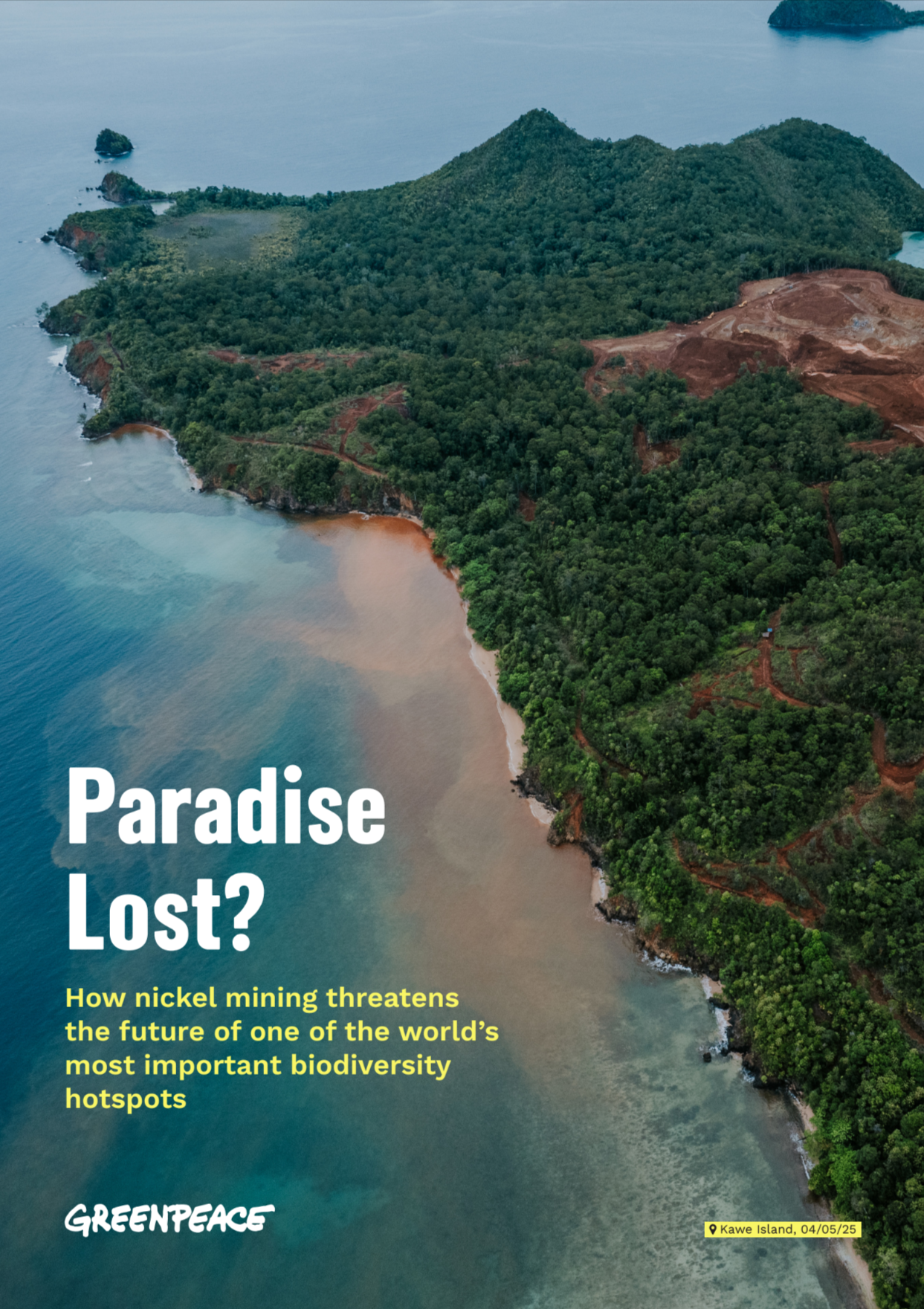
Indonesia: Paradise Lost?
Introduction
Indonesia. The name conjures images of emerald rice paddies cascading down volcanic slopes, pristine beaches fringed by swaying palms, and ancient temples whispering tales of forgotten kingdoms. A land of a thousand islands, a vibrant tapestry of cultures, and a biodiversity hotspot unlike any other. Paradise, right?
But scratch beneath the surface of these idyllic postcards, and a different story emerges. A story of mounting challenges, of paradise threatened. Are we witnessing the slow erosion of Indonesia’s natural wonders and cultural heritage? Is paradise, indeed, slowly being lost?
The simple answer is, potentially, yes.
The Tides of Change: Short-Term Headaches, Long-Term Tsunamis
Indonesia’s rapid development has brought progress, undeniably. A growing economy, improved infrastructure, and rising living standards are tangible benefits. But this progress has come at a cost. The short-term impacts are readily visible: traffic choked city streets, mountains of plastic choking waterways, and air thick with pollution hanging over urban centers.
But these are just the tip of the iceberg. The long-term consequences are far more profound and pose a serious threat to the very fabric of Indonesian society and its future.
Explanation of the Problem
Deforestation: Cutting Down the Future
Indonesia is home to the world’s third-largest rainforest. These forests are not just pretty scenery; they are vital carbon sinks, regulating rainfall, and providing habitat for countless species, including iconic creatures like the Sumatran tiger and orangutan. Yet, driven by demand for palm oil, paper, and timber, these forests are vanishing at an alarming rate.
The immediate impacts are devastating: loss of biodiversity, displacement of indigenous communities, and increased soil erosion. But the long-term consequences are even more frightening. Deforestation contributes significantly to climate change, exacerbating droughts, floods, and rising sea levels – threats that disproportionately affect Indonesia’s coastal communities.
Plastic Pollution: A Sea of Troubles
Indonesia is the second-largest contributor to plastic pollution in the ocean. Images of beaches buried under mountains of plastic waste have become sadly commonplace. The short-term effects are obvious: contaminated beaches, dead marine animals, and a decline in tourism.
However, the insidious long-term effects are far more concerning. Microplastics are entering the food chain, contaminating seafood that millions of Indonesians rely on. The health impacts of microplastic ingestion are still being studied, but early research suggests potential links to hormonal disruption, immune system problems, and even cancer.
Climate Change: Paradise Under Threat
As an archipelago nation, Indonesia is particularly vulnerable to the impacts of climate change. Rising sea levels threaten to inundate coastal communities, displacing millions of people. Extreme weather events, such as floods and droughts, are becoming more frequent and intense, disrupting agriculture and damaging infrastructure.
In the short-term, these events cause economic hardship and human suffering. In the long-term, they threaten the very existence of many Indonesian islands and coastal cities, forcing mass migration and potentially leading to social unrest.
Solutions: Rekindling the Flame of Paradise
The good news is that it’s not too late to reverse course. Indonesia has the potential to become a global leader in sustainable development, showcasing how economic progress and environmental protection can go hand in hand. But this requires a concerted effort from the government, businesses, and individuals.
Here are some practical and applicable solutions:
- Sustainable Forestry: Implement stricter regulations to prevent illegal logging and promote sustainable forestry practices. Encourage reforestation efforts and support community-based forest management. Example: The Indonesian government’s Peatland Restoration Agency (BRG) is working to restore degraded peatlands, which are vital carbon sinks.
- Reduce, Reuse, Recycle: Implement comprehensive waste management systems that prioritize waste reduction, reuse, and recycling. Invest in infrastructure for sorting and processing waste. Educate the public about the importance of responsible waste disposal. Example: Many Indonesian cities are starting to implement “plastic bank” programs, where residents can exchange plastic waste for money or goods.
- Invest in Renewable Energy: Transition away from fossil fuels and invest in renewable energy sources such as solar, wind, and geothermal. This will reduce carbon emissions and improve air quality. Example: Indonesia has vast geothermal resources and is actively developing geothermal power plants.
- Eco-Tourism: Promote sustainable tourism that benefits local communities and protects the environment. Encourage tourists to choose eco-friendly accommodations and activities. Example: Community-based tourism initiatives in Raja Ampat, West Papua, are helping to protect the region’s pristine coral reefs while providing economic opportunities for local communities.
- Education and Awareness: Educate the public about the environmental challenges facing Indonesia and the importance of sustainable living. Incorporate environmental education into school curriculums. Example: Many Indonesian NGOs are running environmental awareness campaigns, using social media and community outreach to educate people about the importance of protecting the environment.
Alternative Approaches:
- Circular Economy: Shift from a linear “take-make-dispose” economy to a circular economy that minimizes waste and maximizes resource use. This involves designing products for durability, repairability, and recyclability.
- Carbon Pricing: Implement a carbon tax or cap-and-trade system to incentivize businesses to reduce their carbon emissions.
- Green Finance: Promote green finance initiatives that provide funding for sustainable development projects.
A Call to Action: Rekindling Hope
Indonesia’s environmental challenges are daunting, but they are not insurmountable. By adopting a holistic approach that combines sustainable development policies, technological innovation, and individual responsibility, Indonesia can chart a course towards a more sustainable and prosperous future.
The key is to act now. Every small action counts. Reduce your plastic consumption, support local businesses that prioritize sustainability, and advocate for policies that protect the environment.
Let us not stand idly by as paradise fades away. Let us work together to rekindle the flame of hope and ensure that future generations can enjoy the beauty and bounty of Indonesia for centuries to come. The time to act is now. The future of Indonesia, and perhaps a small piece of the world, depends on it.