“`html
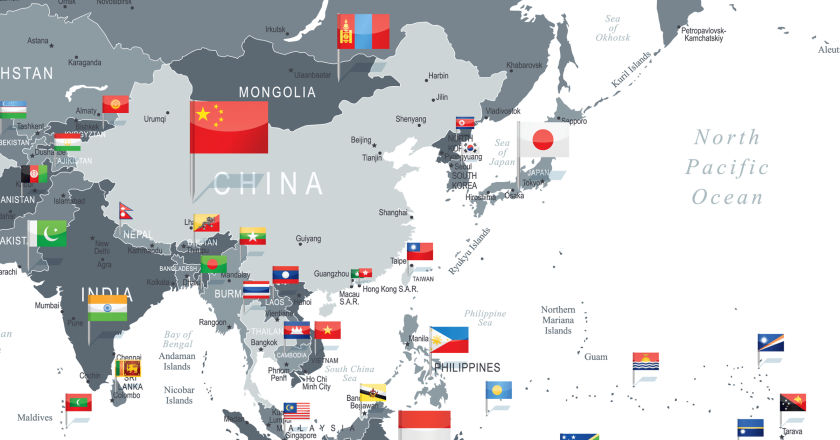
Asia: The World’s Pivot Point
Introduction
For centuries, the narrative of global power has been largely written in the West. But the ink is shifting. Look East. Asia, with its burgeoning economies, technological innovation, and youthful populations, isn’t just catching up; it’s rapidly becoming the world’s pivot point. From bustling megacities to sprawling rural landscapes, Asia’s dynamism is reshaping global trade, politics, and even our understanding of the future. But this transformation isn’t without its complexities. The pivot presents immense opportunities, intertwined with formidable challenges that demand our attention. Ready to explore this shifting landscape? Let’s dive in.
The Rise: A Perfect Storm of Growth
Asia’s ascent isn’t an overnight sensation. It’s the result of decades of strategic planning, investment in education and infrastructure, and a relentless entrepreneurial spirit. China’s economic miracle is perhaps the most well-known example, but look beyond the Middle Kingdom. India’s booming tech sector, Southeast Asia’s manufacturing prowess, and Japan and South Korea’s technological leadership are all contributing to a continental powerhouse.
This growth is fueled by several key factors:
- Demographic Dividend: Asia boasts a young, growing population, providing a massive and relatively affordable workforce. This contrasts sharply with aging populations in many Western nations, creating a significant advantage in terms of labor supply and potential for economic growth.
- Investment in Infrastructure: From high-speed rail networks to modern ports and airports, Asian nations have invested heavily in infrastructure development, facilitating trade and attracting foreign investment.
- Technological Leapfrogging: Instead of following the traditional developmental path, many Asian economies have leaped directly into the digital age, adopting mobile technology and e-commerce at an astonishing pace. This allows them to bypass legacy systems and gain a competitive edge.
- Strategic Trade Policies: Asian countries have actively pursued regional trade agreements and partnerships, creating larger and more integrated markets for their goods and services.
The Challenges: Navigating the Complexities
However, this rapid rise comes with a unique set of challenges. Ignoring these challenges would be like navigating a ship without a compass.
- Geopolitical Tensions: The region is a complex tapestry of historical rivalries, territorial disputes, and competing national interests. The South China Sea dispute, tensions between India and Pakistan, and the ongoing situation on the Korean Peninsula are just a few examples of the geopolitical fault lines that could destabilize the region.
- Income Inequality: Despite overall economic growth, income inequality remains a persistent problem in many Asian countries. The gap between the rich and the poor can fuel social unrest and hinder sustainable development.
- Environmental Degradation: Rapid industrialization has taken a toll on the environment. Air and water pollution, deforestation, and climate change are pressing issues that require urgent attention.
- Human Rights Concerns: Concerns about human rights, political freedom, and labor standards continue to be raised in some Asian countries. Addressing these issues is essential for building a more just and equitable society.
Short-Term Impacts: Immediate Shifts in Power
In the short term, Asia’s rise is already reshaping global dynamics. We’re seeing:
- Increased Global Trade: Asian economies are becoming increasingly central to global supply chains. Companies around the world are relying on Asian manufacturers and suppliers for everything from electronics to textiles.
- Shifting Investment Flows: Foreign investment is increasingly flowing into Asia, as investors seek to capitalize on the region’s growth potential.
- Rise of Asian Multinationals: Asian companies are expanding their global footprint, acquiring businesses and establishing operations in other parts of the world. Think of companies like Samsung, Alibaba, and Tata.
- Increased Diplomatic Influence: Asian nations are playing a more prominent role in international organizations and global governance.
Long-Term Impacts: A Transformed World Order
The long-term impacts of Asia’s rise will be even more profound. We can anticipate:
- A Multipolar World: The traditional dominance of the West will likely give way to a multipolar world, where power is more evenly distributed among different regions and nations.
- New Global Standards: As Asian economies gain more influence, they will likely shape global standards and norms in areas such as technology, trade, and finance.
- A Shift in Cultural Influence: Asian cultures, languages, and ideas will become increasingly influential on the global stage. We’re already seeing this in the popularity of K-Pop, anime, and other forms of Asian entertainment.
- A Redefinition of Development Models: The Asian experience of rapid economic growth and development may offer alternative models for other developing countries to follow.
Solutions: Charting a Course for Sustainable Growth
Navigating the challenges and maximizing the opportunities presented by Asia’s rise requires a multifaceted approach. Here are some practical solutions:
- Promoting Regional Cooperation: Strengthening regional organizations and institutions can help to resolve disputes, promote trade, and address shared challenges. Examples include ASEAN (Association of Southeast Asian Nations) and the Shanghai Cooperation Organisation (SCO). These platforms can facilitate dialogue and cooperation on issues ranging from security to economic development.
- Investing in Education and Skills Development: Ensuring that Asia’s workforce is equipped with the skills needed for the 21st century is crucial for sustained economic growth. This requires investing in education, vocational training, and lifelong learning programs. Countries like Singapore have excelled in this area, prioritizing education and skills development to build a knowledge-based economy.
- Addressing Income Inequality: Implementing policies to reduce income inequality, such as progressive taxation, social safety nets, and investments in education and healthcare, is essential for promoting social stability and inclusive growth.
- Promoting Sustainable Development: Embracing sustainable development practices, such as renewable energy, resource efficiency, and environmental protection, is crucial for mitigating the environmental impacts of rapid industrialization. China, for example, is making significant investments in renewable energy technologies, aiming to become a global leader in green energy.
- Strengthening Governance and Human Rights: Promoting good governance, transparency, and respect for human rights is essential for building stable and prosperous societies. This requires strengthening democratic institutions, promoting the rule of law, and protecting fundamental freedoms.
Alternative Approaches: Tailoring Solutions to Specific Contexts
It’s important to recognize that there’s no one-size-fits-all solution. Different Asian countries face different challenges and have different strengths. Therefore, solutions need to be tailored to specific contexts. Here are some alternative approaches:
- For countries with strong manufacturing sectors: Focus on upgrading technology, improving productivity, and diversifying into higher-value-added industries.
- For countries with abundant natural resources: Prioritize sustainable resource management, invest in diversification, and ensure that resource revenues are used for the benefit of the population.
- For countries with large informal sectors: Implement policies to formalize the informal sector, provide access to credit and training, and extend social protection to informal workers.
- For countries with rapidly aging populations: Focus on promoting active aging, investing in healthcare and eldercare, and encouraging immigration to replenish the workforce.
Conclusion: Seizing the Opportunity
Asia’s rise is not just a regional phenomenon; it’s a global transformation. It presents both immense opportunities and formidable challenges. By embracing regional cooperation, investing in education and skills development, addressing income inequality, promoting sustainable development, and strengthening governance and human rights, Asia can chart a course for sustainable and inclusive growth.
The future is not predetermined. It is shaped by the choices we make today. By embracing innovation, fostering collaboration, and prioritizing sustainability, we can harness the full potential of Asia’s rise and create a more prosperous and equitable world for all. The pivot is happening. The opportunity to shape the future is here. Let’s seize it.
“`