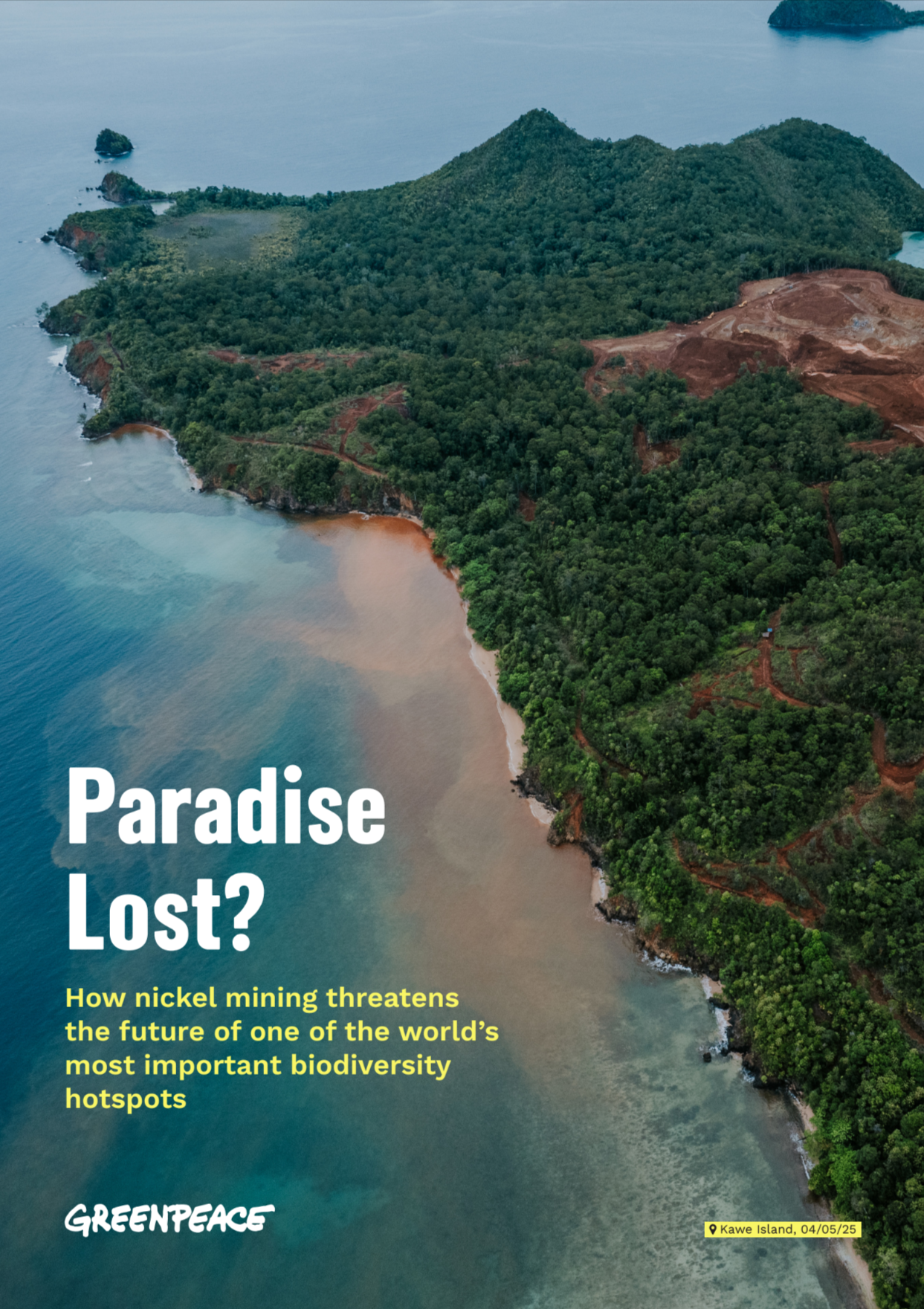
Indonesia: Paradise Lost?
Introduction
Indonesia. Just the name conjures images of emerald rice paddies, pristine beaches, and ancient temples humming with spirituality. It’s a postcard dream, a place where volcanoes pierce the sky and coral reefs teem with life. But scratch beneath the surface of this tropical idyll, and you’ll find a paradise facing unprecedented challenges. Is Indonesia heading towards “paradise lost,” or can it navigate the turbulent waters of development and environmental pressures to preserve its unique beauty for future generations?
The Cracks in the Emerald:
Let’s be honest: Indonesia’s rapid growth hasn’t been without its consequences. The insatiable global appetite for palm oil has led to rampant deforestation, particularly in Sumatra and Kalimantan (Borneo). Orangutans, Sumatran tigers, and countless other species are losing their habitats at an alarming rate. Think of it this way: that cheap chocolate spread you love might be indirectly contributing to the destruction of the rainforest.
Then there’s the plastic. Oh, the plastic! Indonesia is a major contributor to ocean plastic pollution, with rivers acting as conduits for waste flowing into the archipelago’s precious seas. Beaches once pristine are now choked with plastic debris. The impact extends beyond unsightly landscapes. Marine life suffers, fisheries decline, and the very ecosystems that underpin Indonesia’s tourism industry are under threat.
And the impacts aren’t just environmental. Rapid urbanization, fueled by economic growth, places immense strain on infrastructure, exacerbating issues like air and water pollution in densely populated areas like Jakarta. The gap between the wealthy and the poor widens, leading to social unrest and inequality. So, while Indonesia’s economy may be booming on the surface, its natural resources and social fabric are showing signs of wear and tear.
Short-Term Pain, Long-Term Gain (Hopefully):
The immediate consequences of these issues are clear. Farmers displaced by deforestation struggle to find new livelihoods. Coastal communities see their fishing yields plummet. Tourists opt for cleaner destinations. The economy suffers as natural resources dwindle and environmental disasters become more frequent. These are the visible wounds, the immediate pain.
But the long-term implications are far more profound. Deforestation accelerates climate change, increasing the risk of droughts, floods, and other extreme weather events. Ocean acidification, caused by absorbing excess carbon dioxide, threatens coral reefs and marine ecosystems, potentially collapsing vital food chains. Social inequalities can lead to instability and conflict, hindering long-term development. In essence, failing to address these issues risks undermining Indonesia’s economic prosperity and social harmony for generations to come.
Charting a New Course: Solutions for a Sustainable Paradise:
The good news is that Indonesia still has time to change course. The solutions aren’t always easy, but they are within reach. It’s about striking a balance between economic growth and environmental stewardship, a concept often referred to as sustainable development.
Here are some practical, actionable steps that can make a real difference:
- Sustainable Palm Oil Production: The key is to promote sustainable palm oil practices. This means enforcing stricter regulations against illegal deforestation, supporting smallholder farmers in adopting sustainable farming methods, and increasing transparency in the palm oil supply chain.
- Example: The Roundtable on Sustainable Palm Oil (RSPO) is a certification scheme that promotes sustainable palm oil production. Consumers can support this by choosing products with the RSPO label.
- Tackling Plastic Pollution: A multi-pronged approach is needed. This includes improving waste management infrastructure, promoting recycling initiatives, reducing the production of single-use plastics, and educating the public about responsible waste disposal.
- Example: Several Indonesian communities are implementing successful waste management programs that involve sorting, recycling, and composting. These initiatives are often driven by local communities and NGOs.
- Investing in Renewable Energy: Shifting away from fossil fuels and embracing renewable energy sources like solar, wind, and geothermal can significantly reduce Indonesia’s carbon footprint and improve air quality.
- Example: Indonesia has vast geothermal potential, which can be harnessed to generate clean electricity. The government is investing in geothermal power plants to diversify its energy mix.
- Empowering Local Communities: Local communities are often the most affected by environmental degradation, but they also hold the key to sustainable solutions. Empowering them through land rights, resource management, and economic opportunities can lead to more effective conservation efforts.
- Example: Community-based ecotourism initiatives can provide alternative livelihoods for local communities while protecting natural resources.
- Strengthening Environmental Governance: Enforcing environmental regulations, combating corruption, and promoting transparency are crucial for ensuring that environmental laws are effectively implemented.
- Example: The Corruption Eradication Commission (KPK) in Indonesia has been instrumental in investigating and prosecuting environmental crimes, demonstrating the importance of strong governance in protecting the environment.
Choosing Your Path:
There is no one-size-fits-all solution. Indonesia needs a diverse range of approaches tailored to its specific challenges and contexts.
- For Individuals: Make conscious consumer choices by supporting sustainable products, reducing your plastic consumption, and advocating for environmental protection.
- For Businesses: Invest in sustainable practices, promote transparency in your supply chains, and support community-based conservation efforts.
- For Policymakers: Enforce environmental regulations, invest in renewable energy, and empower local communities to manage their resources sustainably.
A Call to Action: Reclaiming Paradise:
Indonesia’s journey towards sustainability is a marathon, not a sprint. There will be setbacks and challenges along the way. But by embracing sustainable practices, empowering local communities, and strengthening environmental governance, Indonesia can reclaim its paradise and ensure a brighter future for generations to come.
The choice is ours. Will we stand idly by as Indonesia’s natural beauty fades away, or will we work together to preserve this incredible archipelago for future generations? The time for action is now. Let’s rewrite the narrative from “Paradise Lost” to “Paradise Regained.” Let’s ensure that Indonesia remains a vibrant, thriving, and sustainable haven for all. The future of this paradise is in our hands.