“`html
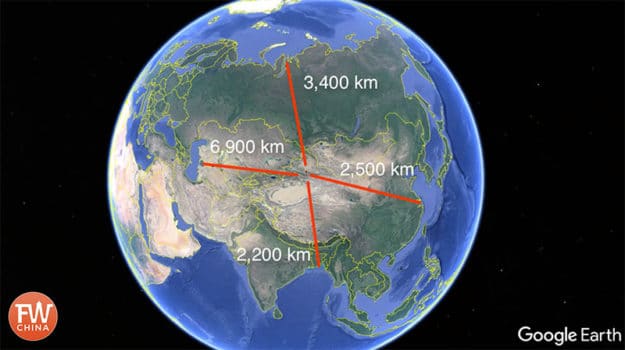
Asia: The World’s Center
A Continent of Contrasts and Connections
For centuries, the world has looked to different corners of the globe as centers of power, innovation, and culture. From the Roman Empire to the European Renaissance, the spotlight has shifted across continents. But today, all eyes are increasingly turning eastward. Asia, with its diverse cultures, booming economies, and technological advancements, is rapidly solidifying its position as the world’s center.
Asia isn’t a monolith. It’s a tapestry woven with vibrant threads of ancient traditions and cutting-edge technology. From the bustling streets of Tokyo to the serene landscapes of Bhutan, the continent offers a kaleidoscope of experiences. This diversity is not a weakness but a strength, fostering innovation and resilience in the face of global challenges.
But why now? What’s driving this shift in global power? Several factors are at play, each contributing to Asia’s ascendance.
- Economic Powerhouse: Asia is home to some of the world’s fastest-growing economies. China and India, in particular, are engines of global growth, driving demand and shaping international trade. Southeast Asia, with its dynamic economies and young populations, is also emerging as a significant economic force.
- Technological Innovation: Asia is at the forefront of technological innovation. From artificial intelligence and robotics to fintech and e-commerce, Asian companies are pushing the boundaries of what’s possible. Countries like South Korea, Japan, and Singapore are leading the way in research and development, creating new industries and transforming existing ones.
- Cultural Influence: Asian culture is increasingly influencing global trends. From K-pop and anime to traditional medicine and cuisine, Asian arts and entertainment are captivating audiences worldwide. This cultural exchange is fostering understanding and appreciation for Asian values and perspectives.
Short-Term Impacts: Navigating a Changing Landscape
Asia’s rise has immediate implications for businesses, governments, and individuals around the world.
- Supply Chain Disruptions: The concentration of manufacturing in Asia means that disruptions in the region can have ripple effects across the globe. The COVID-19 pandemic exposed vulnerabilities in global supply chains, highlighting the need for diversification and resilience.
- Geopolitical Tensions: The rise of China has led to increased geopolitical tensions in the region. Disputes over territory, trade, and security are creating uncertainty and requiring careful diplomacy to manage.
- Increased Competition: Asian companies are becoming increasingly competitive in global markets. Western businesses need to adapt and innovate to stay ahead of the curve.
Long-Term Impacts: Shaping the Future
The long-term implications of Asia’s rise are even more profound.
- A Multipolar World: The world is moving away from a unipolar system dominated by the United States to a multipolar system with multiple centers of power. Asia will play a central role in shaping this new world order.
- New Global Norms: Asian values and perspectives are likely to influence global norms and standards. This could lead to a shift in priorities, with greater emphasis on collectivism, sustainability, and long-term planning.
- A More Interconnected World: Asia’s rise is accelerating the pace of globalization. Increased trade, investment, and cultural exchange are creating a more interconnected and interdependent world.
Practical Solutions: Thriving in the Asian Century
So, how can businesses, governments, and individuals navigate this changing landscape and thrive in the Asian century? Here are some practical solutions:
- Invest in Understanding: Take the time to understand Asian cultures, languages, and business practices. This will help you build stronger relationships and avoid costly mistakes.
- Example: A Western company looking to expand into China should invest in cultural training for its employees and hire local experts who understand the market.
- Build Partnerships: Collaboration is key. Partner with Asian companies to access new markets, technologies, and expertise.
- Example: A European technology company could partner with a South Korean manufacturer to produce and distribute its products in Asia.
- Embrace Innovation: Stay ahead of the curve by investing in research and development and adopting new technologies.
- Example: A U.S. retailer could invest in e-commerce platforms and mobile payment solutions to compete with Asian online marketplaces.
- Diversify Supply Chains: Reduce your reliance on any single region by diversifying your supply chains.
- Example: A clothing company could source materials from multiple countries in Asia and other parts of the world.
- Develop Cultural Intelligence: Cultivate the ability to adapt and thrive in diverse cultural settings. This includes being aware of your own cultural biases and learning to communicate effectively across cultures.
- Example: A manager leading a team with members from different Asian countries should be sensitive to cultural differences in communication styles and decision-making processes.
Alternative Approaches: Tailoring Solutions to Your Needs
There is no one-size-fits-all solution to navigating the Asian century. Here are some alternative approaches you can consider:
- Focus on Niche Markets: Instead of trying to compete head-on with established Asian companies, focus on niche markets where you have a competitive advantage.
- Leverage Technology: Use technology to bridge cultural and geographical divides. Online translation tools, video conferencing, and social media can help you connect with people and businesses in Asia.
- Embrace Sustainability: As Asia grows, there is increasing demand for sustainable products and services. By focusing on sustainability, you can differentiate yourself from the competition and appeal to environmentally conscious consumers.
Case Study: The Rise of Samsung
Samsung is a prime example of an Asian company that has successfully transformed itself into a global leader. Founded in South Korea in 1938, Samsung started as a trading company before diversifying into electronics in the 1960s. The company invested heavily in research and development, embraced innovation, and built strong partnerships with other companies. Today, Samsung is a global powerhouse, producing a wide range of products from smartphones and televisions to semiconductors and home appliances. Samsung’s success demonstrates the potential of Asian companies to compete and thrive in the global market.
A Call to Action: Embrace the Future
Asia’s rise is not a threat but an opportunity. By understanding the dynamics of the region, building strong relationships, and embracing innovation, you can position yourself for success in the Asian century. The future is being written in Asia, and it’s time to be a part of the story. Don’t be a passive observer; become an active participant. Invest in understanding, build partnerships, and embrace innovation. The world is changing, and Asia is leading the way. Are you ready to join the journey?
The narrative of Asia as the world’s center is not just a trend but a fundamental shift that requires attention, adaptation, and proactive engagement. By adopting the strategies and solutions outlined, we can all contribute to a more interconnected, prosperous, and culturally rich global future. The time to act is now.
“`