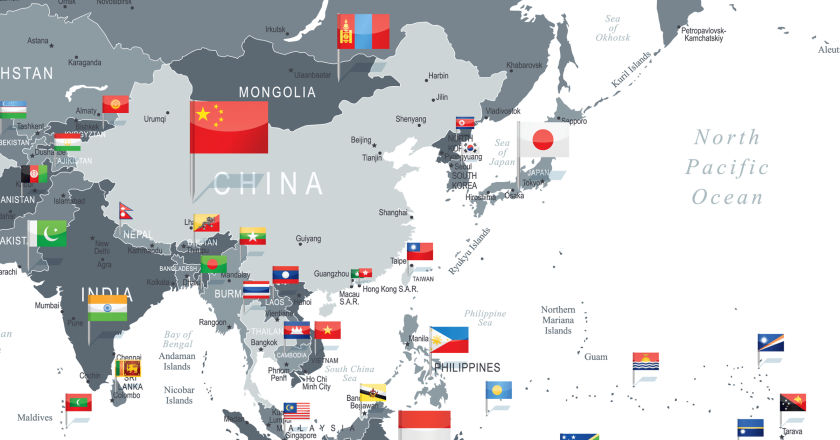
Asia:TheWorld’sPivot
Introduction
Remember when everyone talked about the “rise of China”? Well, buckle up, because the story is way bigger than just one country. Asia, as a whole, is rapidly shifting from a continent often viewed through the lens of manufacturing and emerging markets to a global powerhouse – the veritable pivot point of the 21st century.
But why now? And what does this shift really mean for you, whether you’re a business owner, an investor, or simply someone trying to understand where the world is headed? Let’s dive in and explore the forces driving this monumental change, the challenges it presents, and, most importantly, the opportunities it unlocks.
ThePerfectStorm:DriversofAsia’sAscendancy
Several factors are converging to propel Asia forward. First, let’s talk about demographics. Asia is home to over half the world’s population, a vast consumer market with increasingly sophisticated tastes and disposable income. This massive population isn’t just cheap labor anymore; it’s a dynamic source of innovation and demand.
Then there’s technology. Forget the image of Asia as simply a follower; many Asian nations are now at the forefront of technological advancements. South Korea dominates in semiconductors, Singapore is a fintech hub, and China is leading the charge in AI and renewable energy. This technological prowess is fueling rapid economic growth and creating new industries.
Finally, we can’t ignore the geopolitical landscape. As Western economies grapple with their own challenges, Asia is stepping up to fill the void, forging new trade alliances and asserting its influence on the global stage. The Regional Comprehensive Economic Partnership (RCEP), the world’s largest free trade agreement, is just one example of this growing economic integration.
Short-TermTurbulence,Long-TermTransformation
This rapid shift isn’t without its bumps. In the short term, we’re seeing:
- Supply Chain Disruptions: The pandemic exposed the vulnerabilities of relying heavily on Asian supply chains. Lockdowns and geopolitical tensions can cause major headaches for businesses worldwide.
- Geopolitical Risk: Tensions in the South China Sea, the ongoing situation in Myanmar, and the complex relationship between China and the United States create uncertainty and volatility.
- Income Inequality: Despite overall economic growth, wealth is not always distributed evenly. Addressing income inequality is crucial for long-term stability.
Looking further ahead, the long-term implications are transformative:
- Shifting Economic Power: The global economic center of gravity is undoubtedly moving eastward. This will reshape trade flows, investment patterns, and international relations.
- New Consumer Markets: Asia’s growing middle class represents a massive opportunity for businesses across all sectors, from luxury goods to healthcare.
- Technological Innovation: Asian companies are poised to lead the way in many key technologies, shaping the future of industries like AI, robotics, and clean energy.
NavigatingtheNewAsianLandscape:PracticalSolutions
So, how can you navigate this new landscape and capitalize on the opportunities it presents? Here are some practical solutions:
- DiversifyYourSupplyChains:Don’t put all your eggs in one basket. Explore alternative sourcing options in Southeast Asia, India, or even Latin America to reduce your reliance on any single country or region.
- Example:Many companies that previously relied solely on China for manufacturing are now establishing production facilities in Vietnam and Thailand to diversify their supply chains.
- EmbraceDigitalization:Invest in digital technologies to improve efficiency, enhance communication, and reach new customers in Asia. This includes e-commerce platforms, digital marketing tools, and data analytics.
- Case Study:A small European fashion brand successfully expanded into the Asian market by partnering with local e-commerce platforms and using social media marketing to build brand awareness.
- UnderstandLocalCulture:Asia is not a monolith. Each country has its own unique culture, customs, and business practices. Take the time to learn about these differences and adapt your approach accordingly.
- Tip:Hire local experts who understand the cultural nuances of the markets you’re targeting.
- InvestinEducationandTraining:Equip your workforce with the skills they need to succeed in the new Asian economy. This includes language training, cultural awareness programs, and technical skills development.
- ForgeStrategicPartnerships:Collaborate with local companies to gain access to new markets, technologies, and expertise. These partnerships can help you navigate the complex regulatory environment and build trust with local stakeholders.
- Example:A US-based renewable energy company partnered with a local construction firm in India to develop a solar power project, leveraging the local company’s knowledge of the market and regulatory landscape.
AlternativeApproaches:ChoosingYourPath
There’s no one-size-fits-all approach to engaging with Asia. Here are a few alternative strategies to consider:
- Focus on Niche Markets: Instead of trying to compete with established players in large markets like China and India, identify niche markets with specific needs and tailor your products or services accordingly.
- LeverageRegionalTradeAgreements: Take advantage of regional trade agreements like RCEP and the Comprehensive and Progressive Agreement for Trans-Pacific Partnership (CPTPP) to reduce tariffs and barriers to trade.
- InvestinSustainableDevelopment: Focus on projects that promote sustainable development and address social and environmental challenges in Asia. This can help you build a positive brand image and attract socially conscious consumers.
AFutureForgedinCollaborationandInnovation
Asia’s rise is not a threat, but an opportunity. It’s a chance to collaborate, innovate, and build a more prosperous and sustainable future for all. By understanding the drivers of this transformation, navigating the challenges, and embracing the opportunities, you can position yourself to thrive in the new Asian landscape.
The world is indeed pivoting towards Asia. This shift demands adaptability, understanding, and a willingness to embrace new perspectives. Don’t just watch from the sidelines; become an active participant in shaping this exciting new chapter in global history. The time to act is now. Don’t be left behind. The future is being written in Asia, and you can be a part of the story.