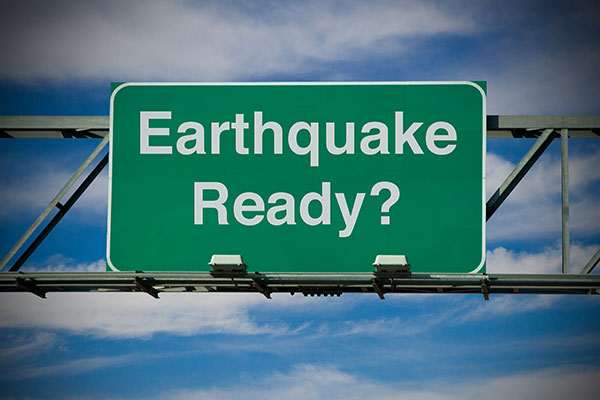
Economic Earthquake: Are You Ready?
Introduction
Okay, let’s be honest. When you saw the title, did a little shiver run down your spine? Good. Because the global economy feels a bit like it’s teetering on the edge of something… significant. Maybe you’re thinking, “Great, another doomsday article,” but hold on a second. This isn’t about fear-mongering; it’s about preparedness. We’re not predicting the end of the world, but acknowledging the possibility of a major economic shift – let’s call it an “economic earthquake” – and, more importantly, equipping you to navigate it.
Think of it like this: you wouldn’t go hiking without a map and some water, right? Similarly, understanding the potential impacts of an economic downturn and having a plan is crucial for weathering the storm. So, grab a cup of coffee (or tea – we’re not judging), and let’s dive in.
What Does an Economic Earthquake Even Feel Like?
We’re not talking about a gentle tremor here. An economic earthquake is a period of significant instability, characterized by a combination of factors like:
- Market Volatility: Wild swings in stock prices, bond yields, and commodity values can become the norm, creating uncertainty and fear.
- Inflation: Rising prices erode purchasing power, making everyday necessities more expensive. We’ve seen this recently, and the impact can be felt by everyone, from struggling families to large corporations.
- Job Losses: Companies, facing reduced demand and profitability, may resort to layoffs, impacting individual households and overall economic stability.
- Supply Chain Disruptions: Remember the toilet paper shortages of 2020? Economic earthquakes can exacerbate these issues, leading to scarcity and price increases.
- Increased Interest Rates: To combat inflation, central banks often raise interest rates, making borrowing more expensive for businesses and individuals.
Short-Term Impacts: The Aftershocks
Imagine the immediate aftermath of an earthquake. Power outages, damaged buildings, and a general sense of chaos. Similarly, the short-term impacts of an economic earthquake can be jarring:
- Shrinking Budgets: Rising prices and potential job losses can force individuals to cut back on spending, impacting businesses that rely on consumer demand.
- Investment Losses: Market volatility can erode the value of investments, particularly for those close to retirement or with a high-risk tolerance.
- Increased Debt: With higher interest rates, borrowing money becomes more expensive, making it harder to manage existing debt and potentially leading to defaults.
- Business Closures: Small and medium-sized businesses, often operating on thin margins, are particularly vulnerable during economic downturns.
Long-Term Impacts: Rebuilding the Foundations
The long-term effects of an economic earthquake can reshape the economic landscape for years to come:
- Shifting Industries: Some industries may decline, while others experience growth. For example, during the 2008 financial crisis, the housing market suffered significantly, while the technology sector eventually rebounded and thrived.
- Changing Consumer Behavior: After experiencing economic hardship, consumers may become more cautious with their spending habits, prioritizing value and necessity over luxury and convenience.
- Increased Inequality: Economic downturns often disproportionately impact vulnerable populations, exacerbating existing inequalities in wealth and opportunity.
- Technological Advancements: Desperation breeds innovation. Companies may look for new technologies and automation to survive and grow.
So, What Can You Do? Practical Solutions for a Shaky Future
Okay, enough doom and gloom. Let’s talk about practical steps you can take to prepare for – and even thrive – during an economic earthquake. These solutions aren’t one-size-fits-all, so choose the ones that best suit your situation and risk tolerance:
- Build an Emergency Fund: This is your financial safety net. Aim to save at least 3-6 months’ worth of living expenses in a readily accessible account. This will provide a cushion in case of job loss or unexpected expenses.
- Example: Sarah lost her job during the pandemic. Because she had a solid emergency fund, she was able to cover her expenses for several months while she searched for a new opportunity, avoiding debt and financial stress.
- Diversify Your Income Streams: Don’t put all your eggs in one basket. Explore opportunities to generate income outside of your primary job. This could include freelancing, starting a side business, or investing in income-generating assets.
- Case Study: John, an accountant, started a part-time consulting business in his spare time. When his company downsized, his consulting income helped him bridge the gap while he searched for a new full-time position.
- Reduce Debt: High debt burdens can be crippling during economic downturns. Focus on paying down high-interest debt like credit cards and personal loans. Consider consolidating your debt to lower your monthly payments.
- Invest Wisely: Don’t panic-sell your investments during market downturns. Instead, consider rebalancing your portfolio to ensure it aligns with your risk tolerance and long-term goals. Diversification is key to mitigating risk. Consider also investing in assets that tend to hold their value during economic turmoil, such as precious metals or real estate.
- Enhance Your Skills: Invest in your professional development to stay competitive in the job market. Take online courses, attend workshops, or pursue certifications that will enhance your skills and make you a more valuable asset to employers.
- Network, Network, Network: Build and maintain strong relationships with people in your industry. Networking can provide valuable insights, opportunities, and support during challenging times.
- Be Frugal (Without Sacrificing Happiness): Look for ways to cut expenses without sacrificing your quality of life. Cook at home more often, negotiate better deals on your bills, and find free or low-cost entertainment options.
- Consider Inflation-Resistant Assets: Certain assets, like real estate or commodities, tend to hold their value or even increase in value during periods of high inflation. Consult with a financial advisor to determine if these assets are a good fit for your portfolio.
- Learn About Financial Literacy: The more you understand about personal finance, the better equipped you’ll be to make informed decisions and navigate economic challenges. Read books, take online courses, and consult with a financial advisor to improve your financial literacy.
- Stay Informed, But Don’t Overreact: Keeping up-to-date with economic news is important, but avoid getting caught up in fear-mongering and sensationalism. Focus on reliable sources of information and make decisions based on facts and logic, rather than emotions.
Alternative Approaches:
- Focus on Value Investing: Instead of chasing high-growth stocks, consider investing in undervalued companies with strong fundamentals that are likely to weather economic storms.
- Embrace the Gig Economy: Consider supplementing your income with freelance work or side hustles. This can provide a valuable source of income and flexibility during economic uncertainty.
- Invest in Yourself: Take the time to learn new skills, explore new interests, and take care of your physical and mental health. These investments will pay dividends in the long run, regardless of the economic climate.
Conclusion: Prepare, Don’t Panic
An economic earthquake might be on the horizon, but with the right preparation and mindset, you can weather the storm and emerge stronger on the other side. This isn’t about predicting the future; it’s about building resilience and taking control of your financial destiny. The strategies outlined here provide a starting point for building a more secure and adaptable financial future.
Remember, the best time to prepare for an earthquake is before it happens. By taking proactive steps now, you can protect yourself and your family from the potential impacts of an economic downturn and position yourself for long-term success. So, take a deep breath, assess your situation, and start putting these strategies into action. You’ve got this!