Politics

Israel: A Nation Forged in Conflict, Defining the Future.

Israel

Israel: A Nation Forged in Conflict, Defining the Future

Israel. The name itself conjures a whirlwind of images: ancient history, religious significance, bustling cities, and, undeniably, ongoing conflict. It’s a nation that has been shaped – some might even say forged – in the fires of adversity, a place where the past constantly collides with the present, and where the future is perpetually being negotiated. But beyond the headlines and the complexities, lies a vibrant and resilient society, striving to define its place in the world.

So, how does a nation born out of conflict navigate the turbulent waters of the 21st century, and what does the future hold for Israel? Let’s dive in.

A Legacy Etched in Struggle: Understanding the Short and Long-Term Impacts

The story of Israel is inextricably linked to conflict. From its establishment in 1948 amidst the Arab-Israeli War to the ongoing Israeli-Palestinian conflict, the nation has faced near-constant challenges. These conflicts have had profound short-term impacts, including:

  • Human Cost: Loss of life, injuries, and displacement on both sides of the conflict remain devastating realities. The psychological toll of living in a region marked by instability is immeasurable.
  • Economic Strain: Security concerns necessitate significant investment in defense, diverting resources from other vital sectors like education and healthcare.
  • Diplomatic Isolation: Israel’s actions in the conflict often lead to criticism and strained relationships with other nations, hindering its ability to participate fully in international collaborations.

But the long-term effects are equally significant and often less immediately apparent:

  • Entrenched Mistrust: Decades of conflict have created deep-seated mistrust between Israelis and Palestinians, making reconciliation and lasting peace incredibly difficult.
  • Societal Polarization: Internal divisions within Israeli society have deepened, with differing views on the conflict and its solutions further complicating the political landscape.
  • Brain Drain: The ongoing instability encourages some of Israel’s brightest minds to seek opportunities elsewhere, hindering its long-term economic potential.

These challenges, while daunting, are not insurmountable. Recognizing their profound impact is the first step toward charting a more positive course for the future.

Forging a Path Forward: Practical Solutions for a More Secure and Prosperous Future

So, what can be done? Here are a few practical solutions, focusing on different aspects of the challenge:

  1. Economic Cooperation: Building Bridges Through Shared Prosperity

    One of the most promising avenues for progress lies in fostering greater economic cooperation between Israelis and Palestinians. This can be achieved through:

    • Joint Ventures: Supporting businesses that employ both Israelis and Palestinians can create mutual benefits and foster understanding. The “SodaStream” factory, for example, initially employed hundreds of Palestinians before relocating due to boycott pressures. Its initial success demonstrates the potential of such initiatives.
    • Infrastructure Development: Investing in shared infrastructure projects, such as water purification plants or transportation networks, can address critical needs and create opportunities for collaboration.
    • Trade Facilitation: Reducing trade barriers and streamlining border crossings can boost economic activity and improve the livelihoods of both Israelis and Palestinians.
  2. Education for Peace: Cultivating Empathy and Understanding

    Long-term peace requires a fundamental shift in attitudes. Education plays a crucial role in fostering empathy, understanding, and critical thinking.

    • Bilingual Schools: Supporting and expanding bilingual schools where Israeli and Palestinian children learn together can help break down stereotypes and build relationships.
    • Peace Education Programs: Implementing comprehensive peace education programs in schools can equip students with the skills and knowledge they need to resolve conflicts peacefully.
    • People-to-People Initiatives: Encouraging cultural exchanges, joint workshops, and dialogue groups can foster understanding and build bridges between communities.
  3. Technological Innovation: Solving Problems Through Creativity and Ingenuity

    Israel is renowned for its technological prowess. Harnessing this innovation to address pressing challenges can contribute to a more secure and prosperous future.

    • Cyber Security Cooperation: Collaborating with international partners to combat cyber threats can enhance regional security and build trust.
    • Water Technology: Developing and sharing innovative water management technologies can address water scarcity, a major source of tension in the region.
    • Renewable Energy: Investing in renewable energy sources can reduce reliance on fossil fuels and promote environmental sustainability.
  4. Diplomatic Engagement: Fostering Dialogue and Compromise

    Ultimately, a lasting solution to the conflict requires sustained diplomatic engagement. This means:

    • Multilateral Negotiations: Supporting renewed negotiations between Israeli and Palestinian leaders, with the involvement of international mediators.
    • Confidence-Building Measures: Implementing confidence-building measures, such as prisoner releases or easing restrictions on movement, to create a more conducive environment for negotiations.
    • Regional Cooperation: Fostering cooperation between Israel and other Arab nations on issues of mutual interest, such as security and economic development.

Alternative Approaches: A Menu of Options for a Complex Reality

It’s important to acknowledge that there is no one-size-fits-all solution to the Israeli-Palestinian conflict. Different approaches may resonate with different individuals and communities. Here are a few alternative perspectives:

  • The Two-State Solution: This remains the most widely supported framework for resolving the conflict, calling for the establishment of an independent Palestinian state alongside Israel.
  • The One-State Solution: This proposes a single state in which Israelis and Palestinians live together as equals, with equal rights and responsibilities. This solution is controversial, with concerns about demographic dominance and potential for ongoing conflict.
  • Confederation: A confederation could involve two independent states maintaining close ties, sharing certain institutions and resources, while preserving their own sovereignty.

The best path forward likely involves a combination of these approaches, tailored to the specific needs and aspirations of both Israelis and Palestinians.

A Future Worth Fighting For: Embracing Hope and Taking Action

The challenges facing Israel are significant, but so too is its potential. A nation forged in conflict has the opportunity to define its future, not by repeating the mistakes of the past, but by embracing innovation, cooperation, and a commitment to peace.

The solutions outlined above are not mere wishful thinking; they are practical, actionable steps that can be taken today. Whether you are an Israeli, a Palestinian, or simply someone who cares about the future of the region, you can play a role in building a more secure and prosperous future.

Here’s how you can get involved:

  • Support Organizations: Donate to or volunteer with organizations that promote peace, reconciliation, and economic development in the region.
  • Engage in Dialogue: Seek out opportunities to learn from and connect with people from different backgrounds and perspectives.
  • Advocate for Change: Contact your elected officials and urge them to support policies that promote peace and justice in the Middle East.

The path to peace will not be easy, but it is a path worth fighting for. By embracing hope, taking action, and working together, we can help build a future where Israelis and Palestinians can live side-by-side in peace and security. The future of Israel, and indeed the entire region, depends on it.

Africa: The Continent Awakening

Africa:TheContinentAwakeningAfrica

Africa:TheContinentAwakening

Introduction

Forcenturies,Africahasbeenviewedthroughalensofchallenges–poverty,conflict,andinstabilityoftendominatingthenarrative.Butscratchbeneaththesurface,andyou’llfindacontinentbrimmingwithpotential,innovation,andapalpablesenseofawakening.Imagineagiant,slowlystretching,yawning,andrealizingitsownimmensestrength.That’sAfricatoday.

Thisisn’tjustaboutromanticizingthe”rising”narrative;it’saboutacknowledgingthereal,tangibleshiftshappeningontheground.Frombustlingtechhubstoinnovativeagriculturalsolutions,Africaisnolongerwaitingtobesaved;it’sactivelybuildingitsfuture,brickbyinnovativebrick.

So,whatexactlyisfuelingthisawakening,andwhatdoesitmeanforthecontinentandtheworld?Let’sdivein.

TheSeedsofChange:FactorsDrivingtheAwakening

  • AYoungandGrowingPopulation:Africaboaststhyoungestpopulationglobally,ademographicdividendreadytodriveeconomicgrowthandinnovation.Theseyoungmindsareeagertolearn,adapt,andcreatesolutionstailoredtotheiruniqueenvironment.
  • TechnologicalLeapfrogging:Whilelackingintraditionalinfrastructureinsomeareas,Africahasembracedmobiletechnologywithastonishingspeed.Mobilebanking,e-commerce,andaccesstoinformationaretransforminglivesandcreatingnewopportunities.
  • IncreasedForeignInvestment:Whilechallengesremain,Africaisattractingincreasedforeigninvestment,particularlyinsectorslikerenewableenergy,infrastructure,andtechnology.Thisinvestmentfuelseconomicgrowthandcreatesjobs.
  • PoliticalStabilityandGoodGovernance(inpockets):Whilenotuniformacrossthecontinent,thereisagrowingtrendtowardspoliticalstabilityandimprovedgovernanceinseveralcountries.Thiscreatesamorestableenvironmentforbusinessestothrive.
  • EntrepreneurialSpirit:Africansarenaturallyresourcefulandentrepreneurial.Frominformalmarketstotechstartups,avibrantentrepreneurialecosystemisblossoming,drivinginnovationandeconomicgrowthfromthegrassrootslevel.

Short-TermPains,Long-TermGains:ChallengesandOpportunities

Thisawakeningisn’twithoutitschallenges.Whilethelong-termvisionisbright,theshort-termrealitiesareoftencomplex.

  • InfrastructureDeficit:Alackofadequateinfrastructure,includingroads,railways,andelectricity,hinderseconomicgrowthandlimitsthepotentialofbusinesses.Thistranslatestohighercostsofoperationanddifficultyinaccessingmarkets.
    • Short-TermImpact:Slowedbusinessgrowth,difficultyintrade.
    • Long-TermImpact:Reducedcompetitiveness,limitedeconomicdiversification.
  • PoliticalInstabilityandCorruption:Politicalinstabilityandcorruptioncontinuetoplaguesomeregions,deterringinvestmentandhinderingdevelopment.
    • Short-TermImpact:Investoruncertainty,slowedeconomicgrowth.
    • Long-TermImpact:Erosionoftrustininstitutions,socialunrest.
  • ClimateChange:Africaisdisproportionatelyaffectedbyclimatechange,withdroughts,floods,andrisingsealevelsthreateninglivelihoodsandfoodsecurity.
    • Short-TermImpact:Cropfailures,displacementofcommunities.
    • Long-TermImpact:Increasedpoverty,resourcescarcity,andpotentialforconflict.
  • Inequality:Despiteeconomicgrowth,inequalityremainsasignificantchallenge,withwealthconcentratedinthehandsofafew.
    • Short-TermImpact:Socialunrest,limitedeconomicopportunitiesforthemajority.
    • Long-TermImpact:Hinderedsocialmobility,instability.

However,thesechallengesalsopresentopportunitiesforinnovativesolutions.Forinstance,theinfrastructuredeficitisdrivingthedevelopmentofcreativesolutionssuchasoff-gridrenewableenergysystemsandmobilepaymentsolutions.Thechallengesofclimatechangearespurringinnovationinsustainableagricultureandwatermanagement.

EmpoweringtheFuture:PracticalSolutionsforSustainableGrowth

So,howcanAfricacapitalizeonitsawakeningandovercomethechallengesitfaces?Herearesomepractical,actionablesolutions:

  • InvestinginEducationandSkillsDevelopment:Equippingtheyoungpopulationwiththeskillsneededforthe21st-centuryeconomyisparamount.ThisincludesSTEMeducation,vocationaltraining,andentrepreneurshipprograms.
    • Example:TheAfricanLeadershipUniversity(ALU)ispioneeringanewapproachtoeducation,focusingondevelopingethicalleadersandproblem-solvers.
  • PromotingGoodGovernanceandFightingCorruption:Strengtheninginstitutions,promotingtransparency,andtacklingcorruptionareessentialforcreatingastableandpredictablebusinessenvironment.
    • Example:Rwanda’scommitmenttofightingcorruptionandpromotinggoodgovernancehasmadeitoneofthemostattractiveinvestmentdestinationsinAfrica.
  • DevelopingSustainableInfrastructure:Investinginsustainableinfrastructure,includingrenewableenergy,efficienttransportationsystems,andwatermanagement,iscrucialforsupportingeconomicgrowthandmitigatingtheeffectsofclimatechange.
    • Example:TheGrandEthiopianRenaissanceDam(GERD)isamassivehydroelectricprojectthatwillprovidecleanenergytomillionsofpeople.
  • SupportingSmallandMedium-SizedEnterprises(SMEs):SMEsarethebackboneoftheAfricaneconomy,providingjobsanddrivinginnovation.Providingaccesstofinance,training,andmarketsisessentialforsupportingtheirgrowth.
    • Example:TheTonyElumeluFoundationEntrepreneurshipProgrammehasempowerethousandsofAfricanentrepreneurswithseedfunding,training,andmentorship.
  • LeveragingTechnologyforDevelopment:Harnessingthepoweroftechnologytoaddresschallengesinagriculture,healthcare,education,andfinancecansignificantlyimprovethelivesofAfricans.
    • Example:M-Pesa,amobilemoneytransferservice,hasrevolutionizedfinancialinclusioninKenyaandotherAfricancountries.

AlternativeApproaches:TailoringSolutionstoLocalContexts

It’scrucialtorecognizethatthereisnoon-size-fits-allsolutionforAfrica.Thecontinentisincrediblydiverse,andsolutionsmustbetailoredtothespecificcontextofeachcountryandregion.

  • Community-BasedDevelopment:Empoweringlocalcommunitiestodesignandimplementtheirowndevelopmentprojectscansurethatsolutionsarerelevantandsustainable.
  • South-SouthCooperation:LearningfromtheexperiencesofotherdevelopingcountriesinAsiaandLatinAmericacanprovidevaluableinsightsandbestpractices.
  • Public-PrivatePartnerships:Leveragingtheresourcesandexpertiseofboththepublicandprivatesectorscanaccelerateinfrastructureddevelopmentandimproveservicedelivery.
  • FocusonRegionalIntegration:Promotingregionaltradeandcooperationcancreatelargermarketsandfacilitatethemovementofgoods,services,andpeople.

Conclusion

Africa’sawakeningisnotjustastoryofeconomicgrowth;it’sastoryofresilience,innovation,andself-determination.It’sacontinentthat’sshakingoffoldnarrativesandforgingitsownpathtoprosperity.

Thechallengesarereal,buttheopportunitiesareimmense.Byinvestingineducation,promotinggoodgovernance,developingsustainableinfrastructure,andempoweringentrepreneurs,Africacanunlockitsfullpotentialandbecomeamajorplayerontheglobalstage.

ThefutureofAfricaisnotpredetermined.It’sbeingwrittenbytheyoung,thebold,andtheinnovative.Itisafuturefilledwithhope,possibility,andthepromiseofacontinenttrulyawakened.Nowisthetimetoembracetheopportunity,supportthevision,andbeapartofAfrica’sincrediblejourney.Thetimeforactionisnow.Let’snotjustwatchtheawakening;let’scontributetoit.

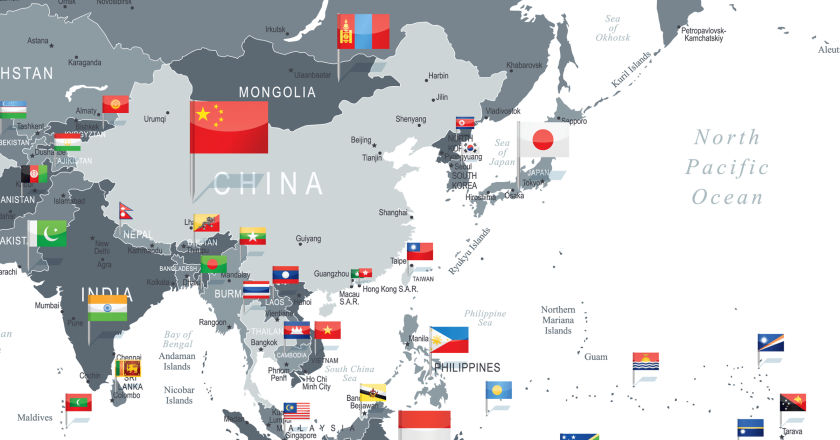
Asia: The World’s Pivot Point.

“`html
Asia: The World’s Pivot PointAsia

Asia: The World’s Pivot Point

Introduction

For centuries, the narrative of global power has been largely written in the West. But the ink is shifting. Look East. Asia, with its burgeoning economies, technological innovation, and youthful populations, isn’t just catching up; it’s rapidly becoming the world’s pivot point. From bustling megacities to sprawling rural landscapes, Asia’s dynamism is reshaping global trade, politics, and even our understanding of the future. But this transformation isn’t without its complexities. The pivot presents immense opportunities, intertwined with formidable challenges that demand our attention. Ready to explore this shifting landscape? Let’s dive in.

The Rise: A Perfect Storm of Growth

Asia’s ascent isn’t an overnight sensation. It’s the result of decades of strategic planning, investment in education and infrastructure, and a relentless entrepreneurial spirit. China’s economic miracle is perhaps the most well-known example, but look beyond the Middle Kingdom. India’s booming tech sector, Southeast Asia’s manufacturing prowess, and Japan and South Korea’s technological leadership are all contributing to a continental powerhouse.

This growth is fueled by several key factors:

  • Demographic Dividend: Asia boasts a young, growing population, providing a massive and relatively affordable workforce. This contrasts sharply with aging populations in many Western nations, creating a significant advantage in terms of labor supply and potential for economic growth.
  • Investment in Infrastructure: From high-speed rail networks to modern ports and airports, Asian nations have invested heavily in infrastructure development, facilitating trade and attracting foreign investment.
  • Technological Leapfrogging: Instead of following the traditional developmental path, many Asian economies have leaped directly into the digital age, adopting mobile technology and e-commerce at an astonishing pace. This allows them to bypass legacy systems and gain a competitive edge.
  • Strategic Trade Policies: Asian countries have actively pursued regional trade agreements and partnerships, creating larger and more integrated markets for their goods and services.

The Challenges: Navigating the Complexities

However, this rapid rise comes with a unique set of challenges. Ignoring these challenges would be like navigating a ship without a compass.

  • Geopolitical Tensions: The region is a complex tapestry of historical rivalries, territorial disputes, and competing national interests. The South China Sea dispute, tensions between India and Pakistan, and the ongoing situation on the Korean Peninsula are just a few examples of the geopolitical fault lines that could destabilize the region.
  • Income Inequality: Despite overall economic growth, income inequality remains a persistent problem in many Asian countries. The gap between the rich and the poor can fuel social unrest and hinder sustainable development.
  • Environmental Degradation: Rapid industrialization has taken a toll on the environment. Air and water pollution, deforestation, and climate change are pressing issues that require urgent attention.
  • Human Rights Concerns: Concerns about human rights, political freedom, and labor standards continue to be raised in some Asian countries. Addressing these issues is essential for building a more just and equitable society.

Short-Term Impacts: Immediate Shifts in Power

In the short term, Asia’s rise is already reshaping global dynamics. We’re seeing:

  • Increased Global Trade: Asian economies are becoming increasingly central to global supply chains. Companies around the world are relying on Asian manufacturers and suppliers for everything from electronics to textiles.
  • Shifting Investment Flows: Foreign investment is increasingly flowing into Asia, as investors seek to capitalize on the region’s growth potential.
  • Rise of Asian Multinationals: Asian companies are expanding their global footprint, acquiring businesses and establishing operations in other parts of the world. Think of companies like Samsung, Alibaba, and Tata.
  • Increased Diplomatic Influence: Asian nations are playing a more prominent role in international organizations and global governance.

Long-Term Impacts: A Transformed World Order

The long-term impacts of Asia’s rise will be even more profound. We can anticipate:

  • A Multipolar World: The traditional dominance of the West will likely give way to a multipolar world, where power is more evenly distributed among different regions and nations.
  • New Global Standards: As Asian economies gain more influence, they will likely shape global standards and norms in areas such as technology, trade, and finance.
  • A Shift in Cultural Influence: Asian cultures, languages, and ideas will become increasingly influential on the global stage. We’re already seeing this in the popularity of K-Pop, anime, and other forms of Asian entertainment.
  • A Redefinition of Development Models: The Asian experience of rapid economic growth and development may offer alternative models for other developing countries to follow.

Solutions: Charting a Course for Sustainable Growth

Navigating the challenges and maximizing the opportunities presented by Asia’s rise requires a multifaceted approach. Here are some practical solutions:

  • Promoting Regional Cooperation: Strengthening regional organizations and institutions can help to resolve disputes, promote trade, and address shared challenges. Examples include ASEAN (Association of Southeast Asian Nations) and the Shanghai Cooperation Organisation (SCO). These platforms can facilitate dialogue and cooperation on issues ranging from security to economic development.
  • Investing in Education and Skills Development: Ensuring that Asia’s workforce is equipped with the skills needed for the 21st century is crucial for sustained economic growth. This requires investing in education, vocational training, and lifelong learning programs. Countries like Singapore have excelled in this area, prioritizing education and skills development to build a knowledge-based economy.
  • Addressing Income Inequality: Implementing policies to reduce income inequality, such as progressive taxation, social safety nets, and investments in education and healthcare, is essential for promoting social stability and inclusive growth.
  • Promoting Sustainable Development: Embracing sustainable development practices, such as renewable energy, resource efficiency, and environmental protection, is crucial for mitigating the environmental impacts of rapid industrialization. China, for example, is making significant investments in renewable energy technologies, aiming to become a global leader in green energy.
  • Strengthening Governance and Human Rights: Promoting good governance, transparency, and respect for human rights is essential for building stable and prosperous societies. This requires strengthening democratic institutions, promoting the rule of law, and protecting fundamental freedoms.

Alternative Approaches: Tailoring Solutions to Specific Contexts

It’s important to recognize that there’s no one-size-fits-all solution. Different Asian countries face different challenges and have different strengths. Therefore, solutions need to be tailored to specific contexts. Here are some alternative approaches:

  • For countries with strong manufacturing sectors: Focus on upgrading technology, improving productivity, and diversifying into higher-value-added industries.
  • For countries with abundant natural resources: Prioritize sustainable resource management, invest in diversification, and ensure that resource revenues are used for the benefit of the population.
  • For countries with large informal sectors: Implement policies to formalize the informal sector, provide access to credit and training, and extend social protection to informal workers.
  • For countries with rapidly aging populations: Focus on promoting active aging, investing in healthcare and eldercare, and encouraging immigration to replenish the workforce.

Conclusion: Seizing the Opportunity

Asia’s rise is not just a regional phenomenon; it’s a global transformation. It presents both immense opportunities and formidable challenges. By embracing regional cooperation, investing in education and skills development, addressing income inequality, promoting sustainable development, and strengthening governance and human rights, Asia can chart a course for sustainable and inclusive growth.

The future is not predetermined. It is shaped by the choices we make today. By embracing innovation, fostering collaboration, and prioritizing sustainability, we can harness the full potential of Asia’s rise and create a more prosperous and equitable world for all. The pivot is happening. The opportunity to shape the future is here. Let’s seize it.


“`

Indonesia: Tipping Point.

Indonesia: Tipping PointIndonesia Image

Indonesia: Tipping Point

Introduction

Okay, let’s talk Indonesia. Picture this: a sprawling archipelago of over 17,000 islands, brimming with vibrant cultures, breathtaking landscapes, and a young, dynamic population. It’s a country of incredible potential, poised to become a global economic powerhouse. But here’s the rub: beneath the surface of paradise lies a challenge, a critical juncture that will determine the nation’s trajectory. We’re talking about sustainability, and Indonesia is standing at a tipping point.

It’s not just about pretty beaches and lush rainforests, though those are certainly at stake. It’s about the long-term well-being of over 270 million people, the stability of the economy, and Indonesia’s role in shaping a sustainable future for the planet. Let’s dive in and see what’s at stake and, more importantly, what can be done.

The Short-Term Pain, Long-Term Gain (Or Loss)

The pressures on Indonesia’s environment are immense. Rapid economic growth, while undeniably lifting millions out of poverty, has come at a cost. Deforestation for palm oil plantations and agriculture, unsustainable fishing practices, and rampant plastic pollution are just a few of the immediate challenges.

In the short term, these activities fuel economic growth, create jobs, and provide essential resources. Palm oil, for instance, is a major export, and fishing is a crucial source of food and income for coastal communities. But the long-term consequences are dire.

  • Environmental Degradation: Deforestation contributes to climate change, destroys vital habitats, and increases the risk of floods and landslides. Plastic pollution chokes waterways, harms marine life, and contaminates food sources.
  • Economic Vulnerability: Over-reliance on unsustainable practices can lead to resource depletion, reduced agricultural yields, and decreased tourism revenue. Imagine Bali without its pristine beaches, or Borneo without its rainforests.
  • Social Injustice: Environmental degradation disproportionately affects marginalized communities who depend on natural resources for their livelihoods.

Consider the case of Jakarta, a megacity grappling with severe air and water pollution, as well as land subsidence due to excessive groundwater extraction. The immediate effects are visible: respiratory illnesses, water shortages, and increased flooding. But the long-term consequences are far more profound, potentially leading to displacement, economic instability, and social unrest.

The “business-as-usual” approach isn’t sustainable. Indonesia is facing a pivotal moment where it must choose between short-term gains and long-term prosperity. The choices made today will determine the health, wealth, and stability of the nation for generations to come.

Turning the Tide: Practical Solutions for a Sustainable Future

The good news is that Indonesia has the potential to navigate this tipping point and emerge as a global leader in sustainability. But it requires a shift in mindset, a commitment to innovative solutions, and a collaborative effort from government, businesses, and individuals. Here are some practical approaches that can make a real difference:

  1. Sustainable Agriculture and Forestry:
    • The Solution: Promote sustainable farming practices that minimize deforestation, reduce chemical use, and improve soil health. This includes agroforestry, crop rotation, and organic farming. Implement stricter regulations and enforcement against illegal logging and land clearing. Support reforestation efforts with native species.
    • Example: The “Forest Stewardship Council” (FSC) certification can help consumers identify and support sustainably sourced timber products, reducing demand for illegally logged wood.
  2. Responsible Fisheries Management:
    • The Solution: Implement quotas and regulations to prevent overfishing. Invest in sustainable aquaculture practices that minimize environmental impact. Protect marine ecosystems through the establishment of marine protected areas. Educate fishermen on sustainable fishing techniques.
    • Example: In Raja Ampat, Indonesia, local communities have established marine protected areas with support from NGOs and the government. These areas have seen a resurgence in fish populations and coral reef health, boosting tourism and supporting local livelihoods.
  3. Waste Management Revolution:
    • The Solution: Invest in modern waste management infrastructure, including recycling plants and composting facilities. Implement policies to reduce single-use plastics and promote reusable alternatives. Educate the public on proper waste disposal and recycling practices.
    • Example: The city of Surabaya, Indonesia, has implemented a successful “plastic for bus tickets” program, incentivizing residents to recycle plastic waste.
  4. Renewable Energy Transition:
    • The Solution: Invest in renewable energy sources like solar, wind, and geothermal power. Develop policies that incentivize renewable energy development and discourage reliance on fossil fuels. Support the development of energy-efficient technologies.
    • Example: Indonesia has significant geothermal potential and is already a major producer of geothermal energy. Expanding geothermal capacity can provide clean, reliable electricity and reduce reliance on coal-fired power plants.
  5. Sustainable Tourism:
    • The Solution: Promote eco-tourism that minimizes environmental impact and benefits local communities. Encourage sustainable tourism practices, such as responsible waste management, water conservation, and the use of local products. Educate tourists on the importance of respecting the environment and local cultures.
    • Example: The “Community Based Tourism” (CBT) initiatives in various parts of Indonesia empower local communities to manage tourism activities and benefit directly from tourism revenue, promoting both conservation and economic development.

Choosing Your Path: A Buffet of Sustainable Solutions

The beauty of sustainability is that there’s no one-size-fits-all solution. Indonesia is a diverse nation with varying needs and priorities. The key is to tailor the approach to the specific context and empower local communities to take ownership of the solutions.

  • For Businesses: Embrace corporate social responsibility, invest in sustainable technologies, and adopt environmentally friendly practices. Consumers are increasingly demanding sustainable products and services, so it’s good for business and the planet.
  • For Government: Enforce environmental regulations, provide incentives for sustainable practices, and invest in research and development of green technologies. A strong regulatory framework is essential for creating a level playing field and driving systemic change.
  • For Individuals: Make conscious choices as consumers, reduce waste, conserve energy, and support businesses that prioritize sustainability. Every small action adds up and contributes to a larger movement.
  • For Communities: Organize cleanup drives, promote environmental awareness, and advocate for local policies that protect the environment. Grassroots movements can be powerful drivers of change.

A Brighter Tomorrow: Indonesia’s Sustainable Potential

Indonesia stands at a crossroads. The path ahead is challenging, but the rewards of embracing sustainability are immense. By adopting practical solutions, fostering collaboration, and empowering communities, Indonesia can secure a brighter future for its people and the planet.

This isn’t just about preserving natural beauty, it’s about building a resilient economy, fostering social equity, and ensuring a healthy environment for generations to come. It’s about transforming challenges into opportunities, and turning a tipping point into a turning point.

Indonesia has the potential to be a global leader in sustainability, demonstrating that economic growth and environmental stewardship can go hand in hand. The time to act is now. Let’s work together to ensure that Indonesia’s future is as vibrant and prosperous as its past. So, are you in?

Japan: Beyond the Cherry Blossoms.

Japan:Beyond the Cherry BlossomsJapan Scenery

Japan:Beyond the Cherry Blossoms

Introduction

Ah,Japan.The land of the rising sun,sushi,and,of course,those breathtaking cherry blossoms.We’ve all seen the pictures,haven’t we?Delicate pink petals cascading like snow,painting landscapes in a pastel dream.But let’s be honest,while those images are captivating,they only offer a glimpse into the multifaceted jewel that is Japan.There’s a world beyond the ephemeral beauty of sakura,a world brimming with ancient traditions wrestling with modern realities,and a future being carefully crafted amidst complex challenges.Are you ready to peel back the layers and explore the real Japan?

Forget the postcard stereotypes for a moment.Imagine bustling cityscapes buzzing with technological innovation,serene temples whispering tales of centuries past,and a culture that prizes both harmony and relentless progress.This is a country deeply rooted in its history,yet constantly pushing the boundaries of what’s possible.But behind the neon lights and impeccably polite service,Japan faces significant hurdles,challenges that demand innovative solutions and a shift in perspective.Let’s dive in.

The Graying Nation:A Demographic Time Bomb

One of the most pressing issues Japan faces is its rapidly aging population and declining birth rate.It’s a demographic time bomb ticking away,with profound implications for the nation’s economy,social security,and cultural identity.The numbers are stark:Japan has one of the oldest populations in the world,with a shrinking workforce struggling to support an ever-growing number of retirees.

The Short-Term Sting

The immediate consequences are already being felt.Businesses are struggling to find enough workers,leading to increased automation and a reliance on temporary or foreign labor.Healthcare costs are soaring,putting immense strain on the national budget.Smaller towns and rural areas are becoming ghost towns as young people flock to the cities in search of opportunities,leaving behind aging populations with dwindling resources.

The Long-Term Shadows

Looking further ahead,the implications are even more daunting.A shrinking workforce translates to slower economic growth and reduced innovation.The social security system faces potential collapse,threatening the financial stability of future generations.The very fabric of Japanese society,traditionally built on strong family ties and community bonds,is under threat.

Reimagining the Future:Practical Solutions for a Changing Japan

So,what can be done?How can Japan navigate this demographic crisis and build a sustainable future?The solutions require a multifaceted approach,tackling the problem from various angles.

1.Embrace and Empower Women in the Workplace:

One of the most impactful changes Japan can make is to fully integrate women into the workforce.Traditionally,women have faced significant barriers to career advancement,often forced to choose between family and professional life.By creating a more supportive and equitable environment,Japan can unlock a vast pool of untapped talent.

  • Practical Steps:Implement policies that promote equal pay,provide affordable childcare,and encourage flexible working arrangements.Challenge cultural norms that discourage women from pursuing leadership roles.
  • Case Study:Companies like Shiseido are actively promoting gender equality through mentorship programs and leadership training for women,resulting in increased female representation in management positions and improved overall business performance.

2.Embrace Immigration and Integration:

While historically resistant to immigration,Japan needs to reconsider its stance.A controlled and well-managed immigration policy can help address the labor shortage and inject new ideas and perspectives into the economy.

  • Practical Steps:Streamline the visa application process for skilled workers,particularly in fields like technology and healthcare.Invest in language training and cultural integration programs to help newcomers adapt to Japanese society.
  • Alternative Approach:Rather than mass immigration,focusing on attracting highly skilled professionals with specific expertise can be a more palatable and manageable option.

3.Invest in Technology and Automation:

Japan is already a leader in robotics and automation.By further investing in these technologies,businesses can increase productivity and offset the impact of a shrinking workforce.

  • Practical Steps:Provide incentives for companies to adopt automation technologies.Invest in research and development to create innovative solutions that address specific labor shortages.
  • Example:In the agriculture sector,robots are being developed to harvest crops and perform other labor-intensive tasks,freeing up human workers for more skilled jobs.

4.Reform the Pension System:

The current pension system is unsustainable in the long term.Reforms are needed to ensure its viability for future generations.

  • Practical Steps:Increase the retirement age gradually,raise contribution rates,and explore alternative investment strategies.Consider introducing a multi-pillar system that combines public and private pensions.
  • Alternative Approach:Shifting the focus to promoting lifelong learning and encouraging people to work longer,even part-time,can help alleviate the strain on the pension system.

5.Incentivize Childbirth and Support Families:

Reversing the declining birth rate is a long-term challenge,but steps can be taken to create a more family-friendly environment.

  • Practical Steps:Offer generous parental leave benefits,provide affordable childcare options,and create a culture that supports working parents.Offer financial incentives to encourage couples to have children.
  • Case Study:France,which has a higher birth rate than Japan,offers extensive government support for families,including subsidized childcare,generous parental leave,and financial allowances for each child.

Alternative Pathways and Tailored Solutions

There isn’t a one-size-fits-all solution.Different regions and industries will require tailored approaches.For example,rural communities might focus on attracting younger residents through remote work opportunities and improved infrastructure,while urban areas might prioritize affordable housing and childcare.

The Road Ahead:Embracing Change and Building a Sustainable Future

The challenges facing Japan are significant,but they are not insurmountable.By embracing innovation,fostering inclusivity,and adapting to changing demographics,Japan can navigate these challenges and build a sustainable future for generations to come.

It requires a collective effort – from the government implementing progressive policies to businesses embracing diversity and innovation,and individuals challenging traditional norms.The solutions outlined above are not merely theoretical possibilities;they are practical steps that can be taken to shape a brighter future.

Let’s move beyond the picture-perfect image of cherry blossoms and recognize the resilience,ingenuity,and unwavering spirit of the Japanese people.They have a rich history of overcoming adversity,and with a willingness to adapt and embrace change,they can once again lead the way in creating a vibrant and prosperous society for all.The time for action is now.Let’s work together to build a Japan that is not just beautiful,but also sustainable,equitable,and ready to face the future with confidence.

China’s Century: Reset or Ruin?

China’s Century: Reset or Ruin?China's Century

China’s Century: Reset or Ruin?

Introduction

For decades, the world has been whispering about it, and now, it’s undeniable: China is a global force. From its booming economy to its technological prowess and its growing geopolitical influence, the 21st century is increasingly being painted as “China’s Century.” But is this rise destined to lead to a global reset, ushering in an era of prosperity and shared growth? Or could it ultimately spell ruin, fraught with conflict, instability, and a decline in global cooperation?

Forget the textbook analysis. Let’s get real. The narrative surrounding China’s ascendancy is complex, often oscillating between breathless admiration and stark apprehension. And the truth, as always, lies somewhere in between. We’re not just talking about a shift in power, we’re talking about a potential reshaping of the entire global order.

The Dragon’s Breath: Short-Term Impacts We’re Already Feeling

The immediate impacts of China’s growth are already tangible. Think about it. The clothes you wear, the electronics you use, even the cars you drive – chances are, a significant portion was either manufactured in China or relies on Chinese components. This isn’t necessarily a bad thing. It has, for decades, contributed to lower prices and greater accessibility for consumers worldwide.

However, this global interconnectedness also means that when China sneezes, the world catches a cold. The COVID-19 pandemic brutally illustrated this point, exposing vulnerabilities in global supply chains reliant on China. Disruptions to manufacturing and shipping sent ripples throughout the global economy, causing inflation and impacting countless businesses.

Beyond economics, China’s growing military strength and assertive foreign policy are raising eyebrows. Its actions in the South China Sea, its relationship with Russia, and its stance on Taiwan are all fueling geopolitical tensions. While some see these actions as a natural assertion of its growing power, others view them as aggressive and potentially destabilizing. The short-term impact? Increased defense spending, heightened diplomatic friction, and a growing sense of uncertainty about the future of international relations.

The Long Game: A Century on the Line

Looking ahead, the long-term implications of China’s rise are even more profound. We’re talking about potentially rewriting the rules of the game – reshaping global institutions, redefining economic models, and even challenging the dominance of Western liberal democracies.

One major concern is the potential for a shift away from multilateralism. China’s preference for bilateral deals and its investment in alternative institutions, like the Belt and Road Initiative, could weaken existing global organizations like the World Trade Organization (WTO) and the World Bank. This could lead to a more fragmented and less cooperative global landscape, where powerful nations pursue their own interests at the expense of collective action on issues like climate change, pandemics, and poverty reduction.

Furthermore, the increasing reliance on technology developed and controlled by China, particularly in areas like artificial intelligence and 5G, raises concerns about data privacy, cybersecurity, and potential surveillance. The potential for technological dependence and the imposition of authoritarian values on the digital realm are significant challenges that need to be addressed.

But it’s not all doom and gloom. China’s economic growth has lifted hundreds of millions of people out of poverty, a remarkable achievement that has no precedent in human history. Furthermore, its investment in renewable energy and its commitment to reducing carbon emissions, albeit driven partly by its own self-interest, offer a glimmer of hope for addressing the climate crisis. The long-term impact could be a more multipolar world, where different powers compete and cooperate, leading to innovation and potentially a more balanced global order.

Navigating the Crossroads: Practical Solutions for a Sustainable Future

So, how do we steer clear of the “ruin” scenario and pave the way for a “reset” – a future where China’s rise benefits all of humanity? Here are some practical approaches:

  • Strengthening Global Institutions: Instead of abandoning existing multilateral institutions, we need to reform and revitalize them. This means giving developing countries, including China, a greater voice and stake in decision-making. A reformed WTO, for example, could create a level playing field for trade and address issues like intellectual property theft and unfair competition.
    • Example: The European Union’s recent efforts to reform its trade policies and engage in dialogue with China on issues like market access and intellectual property rights demonstrate a commitment to constructive engagement rather than confrontation.
  • Diversifying Supply Chains: The pandemic highlighted the risks of over-reliance on a single source for critical goods. Diversifying supply chains, investing in domestic manufacturing, and building regional trade partnerships can reduce vulnerability and enhance economic resilience.
    • Example: Companies like Apple are already diversifying their manufacturing base, moving production to countries like India and Vietnam to reduce their dependence on China.
  • Promoting Technological Independence: Investing in research and development, fostering innovation, and building strong domestic technological capabilities are crucial for maintaining competitiveness and preventing technological dependence. This includes developing robust cybersecurity infrastructure and establishing clear rules and regulations for data privacy and security.
    • Example: The United States’ CHIPS and Science Act aims to boost domestic semiconductor manufacturing and reduce reliance on foreign suppliers, particularly China.
  • Engaging in Dialogue and Diplomacy: Open and frank dialogue is essential for managing differences and preventing misunderstandings. Diplomatic engagement, both bilaterally and multilaterally, can help build trust and foster cooperation on shared challenges.
    • Example: The ongoing climate talks between China and the United States, despite their broader geopolitical tensions, demonstrate the importance of cooperation on issues of mutual concern.
  • Promoting Transparency and Accountability: Encouraging greater transparency in China’s economic and political system is crucial for building trust and ensuring fair competition. This includes promoting human rights, protecting intellectual property, and combating corruption.
    • Example: International organizations like Transparency International play a vital role in monitoring corruption and promoting good governance, which can help create a more level playing field for businesses operating in China.

Alternative Approaches: A Toolbox for a Complex World

These solutions aren’t mutually exclusive. A multi-pronged approach, tailored to specific contexts, is likely to be the most effective. Here are some alternative approaches to consider:

  • Focus on Regional Partnerships: Strengthening regional trade agreements, like the Comprehensive and Progressive Agreement for Trans-Pacific Partnership (CPTPP), can create alternative economic blocs and reduce reliance on China.
  • Invest in Education and Skills Development: Equipping citizens with the skills and knowledge needed to compete in a globalized economy is crucial for long-term prosperity and resilience.
  • Promote Cultural Exchange: Fostering greater understanding and empathy between cultures can help bridge divides and build trust.

The Choice is Ours: A Call to Action

The future of China’s rise is not predetermined. It’s a narrative still being written, and we all have a role to play in shaping it. Whether we witness a global reset or a descent into ruin depends on the choices we make today. By embracing a pragmatic and collaborative approach, strengthening global institutions, diversifying our economies, and engaging in open dialogue, we can navigate this complex landscape and build a future where China’s rise contributes to a more prosperous and sustainable world for all.

Don’t be a passive observer. Educate yourself, engage in informed discussions, and advocate for policies that promote cooperation, transparency, and shared prosperity. The stakes are high, but the potential rewards are even greater. Let’s work together to ensure that China’s century is a century of progress, not peril. The future is not something that happens to us, it’s something we create. Let’s create a future worth living in.

India: The Unfolding Century

India:TheUnfoldingCenturyIndiaImage

India:TheUnfoldingCentury

Introduction

Imagineanationteemingwith1.4billiondreams,alandwhereancienttraditionsdancewithcutting-edgetechnology,andaplacepoisedtoreshapethegloballandscape.That’sIndia,aforcesodynamicandmultifacetedthatunderstandingitfeelslikepeelingbacklayersofacaptivatingstory.Forgetdustystereotypesandtirednarratives.Indiaisonthemove,andthecenturyaheadpromisestobeunlikeanythingwe’veseenbefore.

Butthisjourneyisn’twithoutitsbumps.Agiantawakeningpresentsbothincredibleopportunitiesandsignificantchallenges.Thisisn’tjustabouteconomicgrowth;it’saboutnavigatingthecomplexitiesofarapidlychangingsociety,balancingambitionwithsustainability,andensuringthatprogressbenefitseveryone.

So,buckleup.Let’sdivetotheheartofIndia’sunfoldingcentury,exploringthechallengesitfacesandthepathwaystoafuturethatisbothprosperousandequitable.

TheTightropeWalk:Growthvs.Sustainability

India’seconomicascentisundeniable.It’sprojectedtobe theworld’sthird-largesteconomyby2030,fueledbyaburgeoningmiddleclass,ayouthfulworkforce,andavibrantentrepreneurialspirit.FromtechstartupsinBangaloretomanufacturinghubsinGujarat,theengineofgrowthisroaring.

However,thisrapiddevelopmentcomeswithasignificantenvironmentalpricetag.Indiagrappleswithsevereairandwaterpollution,dwindlingnaturalresources,andthegrowingthreatofclimatechange.Theshort-termimpactisvisible–respiratoryillnessesspikinginmajorcities,farmersstrugglingwithunpredictablemonsoonseasons,andcommunitiesdisplacedbyrisingsealevels.

Thelong-termconsequencesareevenmorealarming.Uncheckedpollutioncouldlead towidespreadhealthcrises,resourcescarcitycouldtriggersocialunrest,andclimatechangecoulddevastateagriculturalproductivity,jeopardizingfoodsecurityformillions.

Thecentralquestionis:howcanIndiasustainitseconomicmomentumwithoutsacrificingitsenvironmentalhealthandthewell-beingofitscitizens?

BridgingtheDivide:InequalityandOpportunity

Anothercrucialchallengeisthepersistentgapbetweentherichandthepoor.WhilesomeIndiansarereapingtherewardsofglobalization,millionsremaintrappedinpoverty,lackingaccesstobasicnecessitieslikehealthcare,education,andsanitation.

Theshort-termimpactofthisinequalityisevidentinsocialunrest,limitedaccesstoqualityeducationandhealthcareformarginalizedcommunities,andadrainonthepotentialofasignificantportionofthepopulation.Thelong-termimplicationsareevenmoreprofound:awideninggapbetweenthehavesandhave-notscoulddestabilizesociety,limiteconomicgrowth,andperpetuatecyclesofpoverty.

NavigatingtheSolutions:AMulti-ProngedApproach

Fortunately,Indiaisnotstandingstill.Agrowingawarenessofthesechallengesisdrivinginnovationandinspiringactionatmultiplelevels.HerearesomepracticalsolutionsthatcanhelpIndia navigateitsunfoldingcentury:

  • EmbraceGreenTechnologies:Indianeedstoleapfrogthepollutingtechnologiesofthepastandembracesustainablesolutions.Thismeansinvestingheavilyinrenewableenergysourceslikesolarandwindpower.Forexample,thestateofRajasthanisemergingasasolarpowerhub,attractingsignificantinvestmentandcreatingjobs.Similarly,promotingelectricvehicles(EVs)throughsubsidiesandinfrastructuredevelopmentcansignificantlyreduceairpollutioninurbanareas.TheIndiangovernment’sFasterAdoptionandManufacturingof(Hybrid&)ElectricVehicles(FAME)schemeisastepinthedirection.
  • PromoteSustainableAgriculture:Traditionalfarmingpracticesoftendepletesoilfertilityandcontributetowaterpollution.Promotingsustainableagriculturetechniques,suchasorganicfarming,croprotation,andwaterconservation,canhelpincreaseproductivitywhileminimizingenvironmentalimpact.TheZeroBudgetNaturalFarming(ZBNF)movement,gainingtractioninstateslikeAndhraPradesh,isapromisingexampleofafarmer-ledinitiativethatpromoteschemical-freefarming.
  • InvestinEducationandSkillDevelopment:Toaddressinequalityandunlockthepotentialofitsvastworkforce,Indianeedstoprioritizeeducationandskilldevelopment.Thismeansnotonlyincreasingaccesstoeducationbutalsoimprovingthequalityofteachingandaligningcurriculawiththeneedsofthemoderneconomy.InitiativesliketheNationalEducationPolicy(NEP)2020aimtooverhaultheeducationsystemandmakeitmorerelevantandskill-oriented.
  • StrengthenSocialSafetyNets:Providingasafetynetforthevulnerableiscrucialtoensurethatprogressbenefitseveryone.Thisincludesexpandingaccesstohealthcare,providingunemploymentbenefits,andimplementingtargetedpovertyalleviationprograms.TheMahatmaGandhiNationalRuralEmploymentGuaranteeAct(MGNREGA),whichprovidesguaranteedemploymenttoruralhouseholds,isavitalsafetynetthathashelpedreducepovertyandempowerruralcommunities.
  • FosterInnovationandEntrepreneurship:India’sentrepreneurialspiritisavaluableasset.Support startupsandsmallbusinessesthroughaccesstofunding,mentorship,andincubationprogramscandriveinnovationandcreatejobs.InitiativeslikeStartupIndiaandAtalInnovationMissionarefosteringavibrantecosystemforentrepreneursacrossthecountry.
  • ImproveGovernanceandTransparency:Goodgovernanceisessentialforensuringthatresourcesareusedeffectivelyandthatpoliciesareimplementedfairly.Thismeansstrengtheninginstitutions,promotingtransparency,andtacklingcorruption.InitiativesliketheRighttoInformation(RTI)Acthaveempoweredcitizenstoholdthegovernmentaccountable.

AlternativeApproaches:AMenuofOptions

There’snoone-size-fits-allsolution.Herearesomealternativeapproachesthatcancomplementthestrategiesoutlinedabove:

  • DecentralizedSolutions:Empoweringlocalcommunitiestomanagetheirresourcesandimplementsolutionstailoredtotheirspecificneedscanbemoreeffectivethantop-downapproaches.
  • Public-PrivatePartnerships:Leveragingtheexpertiseandresourcesoftheprivatesectorcanaccelerateprogressinareaslikeinfrastructuredevelopmentandhealthcaredelivery.
  • BehavioralChangeCampaigns:Raisingawarenessaboutenvironmentalissuesandpromotingsustainableconsumptionpatternscanencourageindividualstomakemoreresponsiblechoices.
  • Technology-DrivenSolutions:Utilizingtechnologytoimproveefficiency,reducewaste,andtrackprogresscanenhancetheeffectivenesso variousinitiatives.Forexample,usingdronestomonitordeforestationordeployingsmartsensorstooptimizewaterusage.

AFutureForgedwithPurpose

India’sunfoldingcenturyisastorystillbeingwritten.Thechallengesaresignificant,butsoisthepotential.Byembracingsustainabledevelopment,investinginitspeople,andfosteringinnovation,Indiacanovercomethesehurdlesandemergeasagloballeader.

ThisisnotjustaboutIndia’sfuture;it’saboutthefutureoftheworld.AprosperousandequitableIndiacancontributesignificantlytoglobalstabilityandprogress.Andwhilethetaskaheadmayseemdaunting,rememberthatchangestartswithindividualactions.Bea consciousconsumer,advocateforsustainablepolicies,andsupportinitiativesthat promotesocialjustice.Every smallstepcontributestoalargermovement.

Thejourneyaheadwill undoubtedlybecomplexandchallenging.ButthepromiseofabrighterfutureforIndia,afuturewhereprosperityandequitygohandinhand,isagoalworthstrivingfor.Theunfoldingcenturyisaninvitationtoparticipatein shapingabetterworld,onesteatatime.So,let’sembracethechallenge,learnfromourexperiences,andworktogethertobuildafuturethatisbothprosperousand sustainableforall.

America: A Reckoning.

America:A Reckoning

Introduction

We stand at a crossroads.Not just in terms of politics or economics,but in terms of identity.For generations,the narrative of America has been one of unparalleled opportunity,unwavering progress,and global leadership.But lately,a different story is emerging,one painted with strokes of inequality,division,and a questioning of the very ideals we hold dear.This isn’t about choosing sides;it’s about acknowledging a simple truth:America is facing a reckoning.

Think about it.The headlines scream of a widening wealth gap,where the rich get richer while working families struggle to keep their heads above water.Political polarization has reached a fever pitch,turning every issue into a battlefield.And simmering beneath the surface are deep-seated societal issues – racial injustice,healthcare disparities,and environmental concerns – that demand our attention.Are we truly living up to the promise of “liberty and justice for all?”

This isn’t a lament,but a call to action.Understanding the gravity of our situation is the first step toward forging a better future.So,let’s unpack this “reckoning” and explore what it means for us,both in the short term and the long run.

Explanation of the Problem

The Immediate Impact:A House Divided

In the short term,the impacts of these divisions are palpable.Look at our political discourse.Nuance has been replaced by echo chambers and social media shouting matches.It’s harder than ever to have a productive conversation with someone who holds different views.This polarization seeps into our communities,our families,and even our workplaces.

Economically,the short-term impacts are equally concerning.Uncertainty breeds instability.Businesses hesitate to invest,and individuals become more cautious with their spending.The growing wealth gap exacerbates these problems,creating a cycle of poverty and limited opportunity for millions of Americans.

We also see the immediate effects in our social fabric.Increased stress levels,mental health challenges,and a decline in social trust are all symptoms of a society grappling with deep-seated anxieties.The erosion of trust in institutions – from government to media – further complicates the situation,making it harder to find common ground and address pressing issues.

The Long Game:Shaping Future Generations

The long-term consequences of our current challenges are even more profound.If we fail to address systemic inequality,we risk perpetuating a cycle of poverty and disadvantage that will impact generations to come.Imagine a future where access to quality education,healthcare,and economic opportunity is determined solely by socioeconomic status.

The environmental stakes are equally high.Climate change poses an existential threat,and delaying action will only lead to more catastrophic consequences for our planet and future generations.Sea levels will rise,extreme weather events will become more frequent,and our natural resources will be depleted.

Furthermore,the erosion of civic engagement and social cohesion could lead to a decline in our democracy.Apathy,distrust,and division can create fertile ground for extremism and authoritarianism.The long-term impact on our global standing is also significant.If America fails to live up to its ideals,it risks losing its credibility and influence on the world stage.

Solutions

The good news is that we’re not powerless.We have the capacity to address these challenges and create a more just and equitable society.The key is to focus on practical,applicable solutions that empower individuals and communities.

Here are a few alternative approaches to consider:

  • Investing in Education:Education is the great equalizer.We need to ensure that all children,regardless of their background,have access to quality education from early childhood through higher education.This includes increasing funding for public schools,expanding access to preschool programs,and making college more affordable.
    • Example:The “Promise Neighborhoods” initiative,which provides comprehensive support services to children and families in underserved communities,has shown promising results in improving educational outcomes and reducing poverty.
  • Promoting Economic Opportunity:We need to create an economy that works for everyone,not just the wealthy.This includes raising the minimum wage,strengthening worker protections,and investing in job training programs that prepare people for the jobs of the future.
    • Example:The German apprenticeship system,which combines classroom instruction with on-the-job training,has been highly successful in equipping young people with the skills they need to succeed in the workforce.
  • Reforming the Criminal Justice System:Our criminal justice system is in need of reform.We need to reduce mass incarceration,end discriminatory policing practices,and invest in rehabilitation programs that help people re-enter society.
    • Example:The “Ban the Box” movement,which prohibits employers from asking about criminal history on job applications,has helped to reduce recidivism and increase employment opportunities for people with criminal records.
  • Addressing Climate Change:We need to take bold action to reduce carbon emissions and transition to a clean energy economy.This includes investing in renewable energy sources,promoting energy efficiency,and implementing policies that incentivize sustainable practices.
    • Example:The European Union’s “Green Deal” is a comprehensive plan to achieve climate neutrality by 2050.It includes investments in renewable energy,energy efficiency,and sustainable transportation.
  • Strengthening Democracy:We need to strengthen our democracy by promoting civic engagement,protecting voting rights,and reducing the influence of money in politics.
    • Example:Ranked-choice voting,which allows voters to rank candidates in order of preference,has been shown to increase voter turnout and reduce negative campaigning.

Finding Your Fit:Choosing Your Approach

The beauty of these solutions is their versatility.You can advocate for policy changes at the local,state,or federal level.You can volunteer your time with organizations working to address these issues.You can support businesses and initiatives that are committed to social and environmental responsibility.

Consider these options and choose the one that best aligns with your values,skills,and resources.Do you have a passion for education?Volunteer as a tutor or mentor.Are you concerned about the environment?Join a local environmental group or advocate for sustainable practices in your community.Are you passionate about political reform?Support candidates who are committed to addressing these issues.

Conclusion

The path ahead won’t be easy.It will require hard work,dedication,and a willingness to engage in difficult conversations.But the potential rewards are immense.A more just,equitable,and sustainable America is within our reach.

This is our reckoning.It’s a chance to learn from our mistakes,to confront our challenges,and to build a better future for ourselves and for generations to come.Let’s seize this opportunity and work together to create an America that truly lives up to its ideals.Let’s make this reckoning the catalyst for a new era of progress,unity,and hope.The future of America depends on it,and we all have a role to play.

Economy’s Last Stand.

Economy’s Last StandEconomy Image

Economy’s Last Stand

Introduction

Okay, let’s be honest. When was the last time you heard the word “economy” and didn’t feel a little twinge of anxiety? Whether it’s headlines about inflation, murmurs of recession, or just that nagging feeling that your paycheck isn’t stretching as far as it used to, the economy seems to be constantly teetering on the edge. It feels like we’re watching a tightrope walker, holding our breath, hoping they don’t stumble. Is this “Economy’s Last Stand?” Maybe not last, but definitely a pivotal one.

The truth is, the global economy is facing a complex cocktail of challenges. We’re dealing with everything from supply chain disruptions and geopolitical instability to the long-term effects of a global pandemic and the looming shadow of climate change. It’s a lot to unpack. So, let’s break it down and explore some practical ways we can navigate this economic landscape, both individually and collectively.

The Short and Long of It: Impacts We’re Feeling Now and Tomorrow

Right now, the immediate impacts are probably hitting your wallet. Inflation is the obvious culprit, eating away at your purchasing power. Groceries cost more, gas prices fluctuate wildly, and even streaming services seem to be bumping up their subscription fees. This short-term squeeze forces us to make tough choices: cutting back on non-essentials, delaying big purchases, and generally tightening our belts.

But the long-term impacts are potentially even more concerning. High inflation can lead to rising interest rates, making it more expensive to borrow money for mortgages, car loans, and business investments. This can slow down economic growth, potentially leading to job losses and a recession. Furthermore, global supply chain disruptions expose our vulnerability to external shocks, making it harder to access essential goods and impacting industries reliant on global trade. The cost of energy and food is also a great concern that needs long-term planning and adjustments.

Looking further ahead, the biggest long-term threat might be the transition to a green economy. While crucial for our planet’s survival, shifting away from fossil fuels and embracing renewable energy requires massive investment and adaptation. If not managed correctly, this transition could disproportionately affect certain industries and communities, leading to economic disruption and social unrest. Climate change in itself has a huge economic impact through extreme weather events, crop failures, and forced migrations that have long-term economic impacts.

Solutions

Okay, doom and gloom aside. The good news is that we’re not powerless. There are practical steps we can take, both as individuals and as a society, to navigate these economic challenges and build a more resilient future. Here are a few alternative solutions to consider:

1. Personal Finance Makeover: Taking Control of Your Spending

This might seem obvious, but taking a hard look at your spending habits is the first line of defense against economic uncertainty.

  • Budgeting Like a Pro: Use budgeting apps, spreadsheets, or even good old-fashioned pen and paper to track your income and expenses. Identify areas where you can cut back on unnecessary spending.
  • Negotiating Bills: Don’t be afraid to call your service providers (internet, phone, insurance) and negotiate lower rates. You might be surprised at how much you can save just by asking.
  • Building an Emergency Fund: Aim to have at least 3-6 months’ worth of living expenses saved in an easily accessible account. This provides a financial cushion to weather unexpected job losses or medical expenses.
  • Invest Smartly: Consider diversifying your investments to mitigate risk. Consult with a financial advisor to create a plan that aligns with your goals and risk tolerance.

Example: My friend Sarah was feeling overwhelmed by rising grocery costs. She started using a meal planning app to minimize food waste and shop strategically. By sticking to her grocery list and avoiding impulse purchases, she was able to cut her grocery bill by 20% in just a few weeks.

2. Skill Up, Branch Out: Investing in Your Future

In a rapidly changing economy, adaptability is key. Investing in your skills and exploring new career opportunities can help you stay ahead of the curve.

  • Online Courses and Certifications: Platforms like Coursera, edX, and LinkedIn Learning offer a wide range of online courses and certifications in high-demand fields.
  • Networking and Mentorship: Attend industry events, join professional organizations, and connect with mentors who can provide guidance and support.
  • Entrepreneurship: Consider starting your own business. Even a small side hustle can provide extra income and valuable experience.
  • Reskilling and Upskilling: Identify the skills that are in demand in your industry and invest in developing those skills.

Case Study: John, a former factory worker, lost his job due to automation. Instead of giving up, he enrolled in a coding bootcamp and learned the basics of web development. Within six months, he landed a job as a junior developer at a local tech company.

3. Sustainable Consumption: Making Conscious Choices

Our consumption patterns have a significant impact on the economy and the environment. By making conscious choices about what we buy and how we live, we can contribute to a more sustainable future.

  • Reduce, Reuse, Recycle: Embrace the principles of reduce, reuse, and recycle to minimize waste and conserve resources.
  • Buy Local and Support Small Businesses: Support local farmers, artisans, and small businesses to strengthen your community and reduce your carbon footprint.
  • Choose Sustainable Products: Look for products that are made from sustainable materials, ethically sourced, and designed to last.
  • Conserve Energy: Reduce your energy consumption by using energy-efficient appliances, turning off lights when you leave a room, and adjusting your thermostat.

Example: Maria switched to using reusable shopping bags, water bottles, and coffee cups. She also started composting her food scraps and gardening her food in her backyard. These small changes not only saved her money but also reduced her environmental impact.

4. Community Engagement: Working Together for Change

Addressing complex economic challenges requires collective action. By engaging with our communities and advocating for policy changes, we can create a more just and sustainable economy.

  • Support Local Initiatives: Volunteer your time or donate to organizations that are working to address poverty, inequality, and environmental issues in your community.
  • Advocate for Policy Changes: Contact your elected officials and advocate for policies that promote economic justice, environmental protection, and social equity.
  • Join or Start a Community Group: Connect with like-minded individuals and work together to address local challenges and build a stronger community.

Conclusion: Embracing Change, Building Resilience

The economy might feel like it’s on its last stand, but in reality, it’s constantly evolving. Challenges are inevitable, but so is our capacity to adapt and overcome them. By taking proactive steps to manage our finances, invest in our skills, embrace sustainable practices, and engage with our communities, we can build a more resilient and prosperous future for ourselves and for generations to come.

This isn’t about predicting the future, but about preparing for it. It’s about taking control where we can, learning to navigate uncertainty, and remembering that even in times of economic turbulence, we have the power to shape our own destinies. So, breathe deep, take a step, and remember that we are all in this together. The economy’s next chapter is being written now, and you have a role in writing it. Let’s make it a good one.

Politics: The Art of the Deal…ing Death?


Politics: The Art of the Deal…ing Death?The Art of the Deal Cover

Politics: The Art of the Deal…ing Death?

Introduction

We’ve all heard politics described as “the art of the deal.” It conjures images of backroom negotiations, compromises forged in smoke-filled rooms, and the subtle dance of power. But what happens when that art, that constant push and pull, starts to feel less like deal-making and more like, well, a game of life and death?

Let’s be honest, politics can feel abstract, a distant world of debates and policies that barely touch our everyday lives. But scratch the surface, and you’ll find that every political decision, every law passed (or not passed), has tangible consequences. These consequences ripple through our lives, affecting everything from the air we breathe to the opportunities our children have. Sometimes, those ripples turn into tidal waves, causing profound and lasting damage.

Think about it. Decisions on healthcare funding can determine whether a person receives life-saving treatment. Environmental regulations, or the lack thereof, can impact the health of entire communities, leading to increased rates of respiratory illnesses and other health problems. Foreign policy decisions can plunge nations into conflict, leaving a legacy of trauma and displacement for generations. The stakes are undeniably high.

The question then becomes, are we, as citizens, fully aware of the gravity of these choices? Are we holding our elected officials accountable for the long-term ramifications of their actions? And, most importantly, what can we do to ensure that the “art of the deal” doesn’t devolve into a game of “dealing death?”

The Short-Term Firestorm, The Long-Term Fallout

The immediate impacts of political decisions are often the most visible. A tax cut might put more money in people’s pockets in the short run, but what happens when that cut leads to underfunded schools and crumbling infrastructure? A deregulation policy might boost profits for a specific industry, but what if it comes at the cost of environmental degradation that threatens future generations?

These are not hypothetical scenarios. The 2008 financial crisis, fueled by deregulation and risky financial practices, serves as a stark reminder of the devastating short-term and long-term consequences of unchecked political power. The immediate fallout was widespread economic hardship, job losses, and foreclosures. But the long-term effects, including increased income inequality and a loss of trust in financial institutions, are still being felt today.

Similarly, consider the ongoing debate surrounding climate change. Short-term decisions to prioritize economic growth over environmental protection have led to increasingly severe weather events, rising sea levels, and disruptions to agricultural production. The long-term consequences of inaction are potentially catastrophic, threatening the stability of our planet and the well-being of future generations.

The challenge is that politicians often operate within short election cycles, incentivized to prioritize immediate gains over long-term sustainability. This creates a disconnect between the needs of the present and the needs of the future. We need to find ways to bridge that gap, to encourage policymakers to think beyond the next election and consider the lasting impact of their decisions.

Turning the Tide: Practical Solutions for a Better Future

So, what can we do? How can we ensure that politics becomes a force for good, a vehicle for progress, rather than a source of harm? Here are some practical solutions we can implement:

  • Demanding Transparency and Accountability: One of the most powerful tools we have is the ability to hold our elected officials accountable. This means demanding transparency in government, scrutinizing their actions, and holding them responsible for the consequences of their decisions. Organizations like the Center for Public Integrity and the Sunlight Foundation work tirelessly to promote transparency and expose corruption in government. We can support their efforts and use the information they provide to make informed decisions at the ballot box.
  • Investing in Civic Education: A well-informed citizenry is essential for a healthy democracy. We need to invest in civic education programs that teach citizens about the workings of government, the importance of critical thinking, and the value of civic engagement. Organizations like iCivics offer free and engaging resources for teachers and students, helping to foster a new generation of informed and engaged citizens.
  • Promoting Long-Term Thinking: We need to create incentives for politicians to think beyond the next election cycle. This could involve establishing independent commissions to assess the long-term impact of proposed policies, or implementing campaign finance reforms that reduce the influence of special interests. New Zealand’s Wellbeing Budget, which prioritizes long-term social and environmental outcomes over short-term economic gains, provides an interesting model for other countries to consider.
  • Engaging in Grassroots Activism: Real change often starts at the grassroots level. By organizing and mobilizing within our communities, we can amplify our voices and demand action from our elected officials. Organizations like MoveOn and Indivisible provide platforms for citizens to connect, organize, and advocate for progressive policies.
  • Supporting Ethical Journalism: A free and independent press is essential for holding power accountable. We need to support ethical journalism and combat the spread of misinformation. Organizations like the Committee to Protect Journalists and Reporters Without Borders work to defend press freedom around the world. We can support their efforts by subscribing to reputable news sources and sharing reliable information on social media.

Multiple Paths, One Destination

There’s no single magic bullet solution. The path forward requires a multi-faceted approach, a combination of individual action and collective effort. Here are a few alternative approaches to consider:

  • Focus on Local Politics: While national politics often dominate the headlines, local politics have a direct impact on our daily lives. By getting involved in local elections and advocating for local policies, we can make a tangible difference in our communities.
  • Support Independent Candidates: Break the two-party system deadlock by supporting candidates from outside the traditional political establishment.
  • Advocate for Electoral Reform: Push for reforms like ranked-choice voting, which can give voters more choices and reduce the power of special interests.

A Reason for Hope, A Call to Action

The challenges we face are significant, but they are not insurmountable. By demanding transparency, promoting civic education, and engaging in grassroots activism, we can hold our elected officials accountable and ensure that politics becomes a force for good. The “art of the deal” doesn’t have to be a game of “dealing death.” It can be a process of building a better future for all.

The future isn’t predetermined. It’s shaped by the choices we make today. Let’s choose to be informed, engaged, and proactive citizens. Let’s choose to demand a better future. Let’s choose to ensure that the art of the deal is used to build a world where everyone has the opportunity to thrive. The time to act is now. The power to change the future is in our hands.