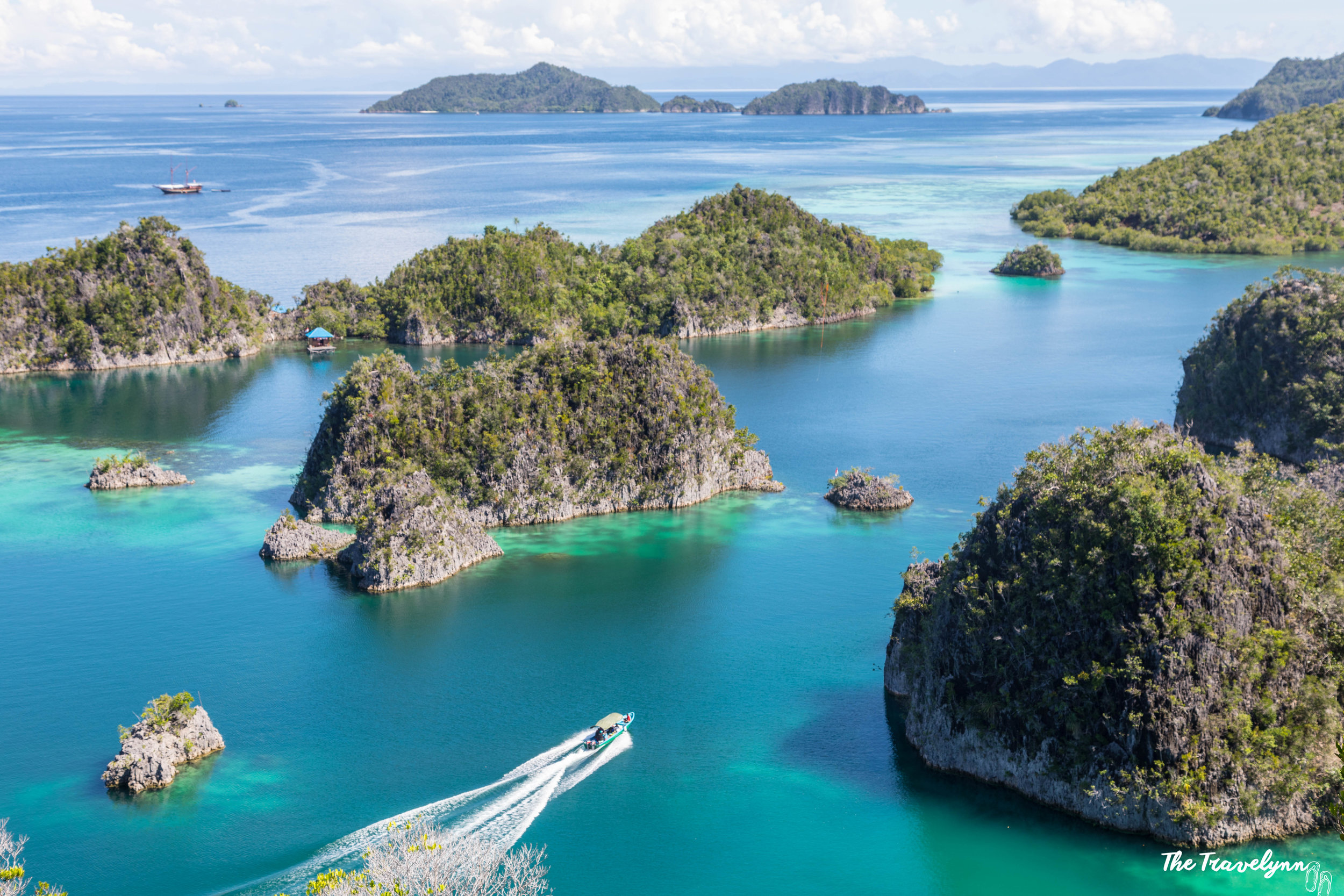
Indonesia: Archipelago of Astonishment
Introduction
Ever dreamt of waking up to the sound of crashing waves, only to spend the afternoon trekking through lush, emerald rainforests teeming with exotic wildlife? Or perhaps you envision yourself haggling for vibrant textiles in bustling markets, followed by a tranquil evening watching the sun dip below ancient temples? If that sounds like your cup of (Indonesian) coffee, then Indonesia is calling your name.
This sprawling archipelago, a necklace of over 17,000 islands strung across the equator, is more than just a picturesque postcard. It’s a land of astonishing diversity, a melting pot of cultures, and a living, breathing testament to the power and beauty of nature. From the fiery volcanoes of Java to the serene beaches of Bali, Indonesia offers a sensory overload in the best possible way. But beneath the surface of this tropical paradise lies a challenge, a threat to the very beauty that draws millions each year.
Paradise Under Pressure: The Waste Crisis
Let’s be honest: paradise has its problems, and Indonesia’s is a growing mountain of waste. While the country boasts incredible landscapes and vibrant cultures, it also struggles with a significant waste management issue. You might see it washing up on pristine beaches, clogging rivers, or even piling up in landfills that are reaching capacity. It’s a stark contrast to the idyllic imagery, and it’s a problem that demands our attention.
Short-Term Pain, Long-Term Consequences:
The immediate impact of this waste crisis is plain to see. Littered landscapes diminish tourism, impacting local economies that rely on the allure of pristine beaches and unspoiled nature. Clogged waterways lead to flooding, damaging infrastructure and displacing communities. The pungent smell of overflowing landfills hangs heavy in the air, impacting public health and quality of life.
But the long-term consequences are far more insidious. Plastic waste, slowly breaking down into microplastics, contaminates marine ecosystems, threatening the delicate balance of the food chain. This, in turn, impacts fisheries and the livelihoods of countless Indonesians who depend on the ocean for their sustenance. Furthermore, burning waste releases harmful pollutants into the atmosphere, contributing to air pollution and climate change, exacerbating the very environmental challenges that Indonesia is already facing. Think of it as a snowball effect, growing larger and more destructive with each passing year.
Turning the Tide: Practical Solutions for a Sustainable Future
The good news? The situation is far from hopeless. The Indonesian government, local communities, and individuals are actively working to address the waste crisis, and there are concrete steps that can be taken to make a real difference. Here are some practical solutions that can be implemented on a national and individual level:
- The Power of the Three R’s: Reduce, Reuse, Recycle (and Refuse!)
This might sound like a cliché, but it’s the foundation of any successful waste management strategy.
- Reduce: This is about minimizing the amount of waste we generate in the first place. Think before you buy – do you really need that extra packaging? Opt for products with minimal packaging or choose refillable options whenever possible.
- Reuse: Give items a second life. Instead of throwing away glass jars, use them for storage. Repair broken items instead of replacing them. Carry reusable shopping bags, water bottles, and coffee cups.
- Recycle: Properly sort and recycle materials like paper, plastic, and glass. Support local recycling initiatives and advocate for improved recycling infrastructure.
- Refuse: This is the new addition to the mantra, and perhaps the most powerful. Say no to single-use plastics whenever possible. Refuse plastic bags, straws, and cutlery. This simple act sends a powerful message to businesses and manufacturers, encouraging them to adopt more sustainable practices.
Example: Communities across Indonesia are embracing the “Bring Your Own (BYO)” movement. Local cafes and restaurants offer discounts to customers who bring their own reusable containers, encouraging a culture of reuse and reducing single-use plastic consumption.
- Waste Segregation at the Source:
Implementing mandatory waste segregation programs at the household and community levels is crucial. This means separating waste into categories like organic waste, recyclable materials, and non-recyclable waste. This makes recycling more efficient and reduces contamination.
Example: In several cities in Indonesia, local governments provide color-coded bins for different types of waste. Regular educational campaigns help residents understand how to properly segregate their waste.
- Composting: Turning Waste into Wealth:
Organic waste, such as food scraps and yard waste, makes up a significant portion of the waste stream. Composting this waste not only reduces the amount of garbage going to landfills but also creates valuable fertilizer for agriculture and gardening.
Example: Many villages in Indonesia are implementing community composting programs, turning organic waste into nutrient-rich compost that is used to improve crop yields and reduce the need for chemical fertilizers.
- Investing in Waste Management Infrastructure:
Indonesia needs to invest in modern waste management infrastructure, including recycling facilities, composting plants, and sanitary landfills. This requires government funding, private investment, and international cooperation.
Example: Some innovative Indonesian companies are developing technologies to convert waste into energy, reducing landfill waste and generating clean energy.
- Education and Awareness:
Raising public awareness about the importance of waste management is critical. Educational campaigns can teach people about the environmental and health impacts of waste and encourage them to adopt more sustainable practices.
Example: Many schools in Indonesia are incorporating environmental education into their curriculum, teaching children about the importance of reducing, reusing, and recycling.
- Government Policies and Regulations:
Strong government policies and regulations are essential to drive change. This includes implementing stricter regulations on waste management, promoting the use of sustainable materials, and providing incentives for businesses that adopt eco-friendly practices.
Example: The Indonesian government has implemented a plastic bag levy in some cities, which has been shown to reduce the use of plastic bags.
Alternative Approaches: Finding What Works Best
No single solution is a silver bullet. The most effective approach to tackling the waste crisis will likely involve a combination of these strategies, tailored to the specific needs and circumstances of different communities.
- Community-Based Solutions: Empowering local communities to take ownership of waste management is crucial. This can involve setting up community recycling centers, organizing cleanup campaigns, and promoting sustainable practices.
- Circular Economy: Shifting from a linear “take-make-dispose” economy to a circular economy, where resources are kept in use for as long as possible, is essential. This requires rethinking product design, promoting reuse and repair, and developing innovative recycling technologies.
- Technological Solutions: Exploring innovative technologies like waste-to-energy plants, advanced recycling technologies, and smart waste management systems can help to improve waste management efficiency and reduce environmental impact.
A Future of Astonishment: Embracing Sustainability
The challenge of waste management in Indonesia is significant, but it is not insurmountable. By embracing the solutions outlined above, working together as individuals, communities, and governments, Indonesia can turn the tide on this crisis and create a more sustainable future.
Imagine a future where Indonesia’s beaches are pristine, its rivers are clean, and its air is clear. A future where waste is seen not as a problem, but as a resource. A future where the archipelago’s natural beauty is preserved for generations to come.
This future is within reach. It requires commitment, innovation, and a willingness to change our habits. But the rewards – a healthier environment, a stronger economy, and a more vibrant culture – are well worth the effort.
Don’t let the problem overwhelm you. Start small. Refuse that plastic bag. Segregate your waste. Educate yourself and others. Every action, no matter how small, makes a difference.
Indonesia, with its breathtaking landscapes and diverse cultures, is truly an archipelago of astonishment. Let’s work together to ensure that it remains so for generations to come. Let’s not just admire its beauty, but actively protect it. The future of this incredible archipelago is in our hands. Are you ready to be part of the solution?