Israel: A Tinderbox Nation
Introduction
Israel, a land steeped in history and brimming with innovation, often feels like a tinderbox. A single spark – a political decision, a religious event, a misinterpreted word – can ignite widespread unrest and threaten to engulf the entire region in flames. This isn’t new, of course. For decades, Israelis and Palestinians have lived with the constant hum of tension, navigating a complex landscape of competing claims, deep-seated grievances, and the ever-present threat of violence. But why does this simmer continue to boil, and what are the long-term implications if left unchecked?
Let’s be clear: the stakes are incredibly high. The Israeli-Palestinian conflict isn’t just a local issue; it has far-reaching consequences for global stability, international relations, and even the global economy. The ongoing conflict fuels extremism, creates humanitarian crises, and distracts from other critical global challenges like climate change and poverty.
Short-Term Pain, Long-Term Consequences
In the short term, the instability in Israel impacts daily life. Constant security threats necessitate stringent security measures, affecting freedom of movement, economic opportunities, and overall quality of life. The constant fear of violence creates a climate of anxiety and mistrust, hindering social cohesion and perpetuating cycles of animosity. The tourism industry, a vital component of the Israeli economy, suffers during periods of unrest, leading to job losses and economic hardship. For Palestinians, the daily reality often includes restricted access to resources, limitations on movement, and the constant fear of displacement.
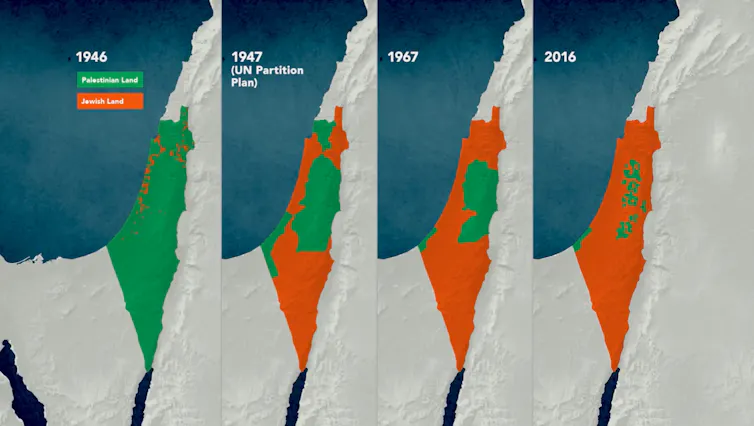
However, the long-term consequences are even more dire. Unresolved conflict entrenches extremism on both sides, making peaceful resolution even more difficult. The lack of progress fosters a sense of hopelessness, particularly among young people, leading to radicalization and a willingness to resort to violence. The continued expansion of settlements in the West Bank further complicates the situation, eroding the possibility of a two-state solution and fueling international condemnation. Economically, the ongoing conflict drains resources that could be invested in education, healthcare, and infrastructure development, hindering long-term growth and prosperity.
Extinguishing the Flames: Practical Solutions for a Brighter Future
So, what can be done to defuse this tinderbox and build a more peaceful and sustainable future for Israelis and Palestinians? There’s no single, magic bullet solution, but a combination of approaches focusing on dialogue, economic cooperation, and justice can pave the way for progress.
- Prioritizing Dialogue and Negotiation:
The most obvious, yet often most difficult, path forward involves renewed and sustained dialogue between Israeli and Palestinian leaders. This means creating a safe space for open and honest conversations, facilitated by neutral international mediators. These discussions need to tackle the core issues head-on: borders, security, Jerusalem, and the right of return for Palestinian refugees.
Example: The Oslo Accords, despite their ultimate failure, demonstrate the power of dialogue in achieving significant breakthroughs. They created a framework for future negotiations and established the Palestinian Authority, laying the groundwork for potential self-governance. We need to learn from both the successes and failures of Oslo to craft a more sustainable and equitable agreement.
- Fostering Economic Cooperation:
Economic interdependence can create shared interests and incentives for peace. Initiatives that promote joint ventures, cross-border trade, and investment in both Israeli and Palestinian territories can help build trust and improve living standards.
Example: The Israel-Jordan peace treaty led to increased trade and tourism between the two countries, creating jobs and fostering goodwill. Similar initiatives can be implemented between Israel and Palestine, focusing on sectors like technology, agriculture, and renewable energy.
- Promoting Justice and Accountability:
Addressing grievances and ensuring accountability for human rights abuses are crucial for building trust and reconciliation. This means investigating and prosecuting perpetrators of violence, providing redress for victims, and promoting a culture of respect for human rights on both sides.
Example: The Truth and Reconciliation Commission in South Africa offers a valuable model for dealing with past injustices and promoting healing. While the context is different, the principles of truth-telling, accountability, and reconciliation can be adapted to the Israeli-Palestinian context.
- Investing in Education and People-to-People Initiatives:
Education plays a vital role in shaping perceptions and attitudes. Promoting curricula that teach empathy, understanding, and respect for different cultures and perspectives can help break down stereotypes and build bridges between communities. People-to-people initiatives, such as youth exchange programs and joint cultural projects, can foster personal connections and challenge prejudices.
Example: Seeds of Peace is an organization that brings together young people from conflict regions, including Israel and Palestine, for leadership training and dialogue. These programs help participants develop empathy, critical thinking skills, and a commitment to peace.
- Grassroots Activism and Civil Society Engagement:
Lasting peace cannot be imposed from above; it must be built from the ground up. Supporting grassroots activism and civil society organizations that promote dialogue, non-violence, and social justice is crucial for creating a more peaceful and inclusive society.
Example: Groups like Combatants for Peace, which brings together former Israeli soldiers and Palestinian fighters who have renounced violence, demonstrate the power of shared experiences and a commitment to peace.
Multiple Paths to Progress:
These are just a few examples of the many potential solutions. Each approach has its own strengths and weaknesses, and the most effective strategy will likely involve a combination of efforts.
- Bottom-up vs. Top-down: Should the focus be on grassroots initiatives and community-level reconciliation, or on high-level negotiations between political leaders? A balanced approach is crucial, with both top-down and bottom-up efforts working in tandem.
- Incremental vs. Comprehensive: Should the focus be on achieving small, incremental gains, such as improving economic cooperation or addressing specific security concerns, or on pursuing a comprehensive peace agreement that addresses all core issues simultaneously? An incremental approach may be more realistic in the short term, but it should be guided by a long-term vision of a comprehensive peace agreement.
- Unilateral vs. Multilateral: Should Israel and Palestine act unilaterally to address specific issues, or should they rely on international mediation and support? A multilateral approach can provide legitimacy and resources, but it can also be slow and cumbersome.
A Spark of Hope:
The challenges facing Israel and Palestine are immense, but they are not insurmountable. Despite the deep-seated divisions and the seemingly endless cycle of violence, there are reasons for optimism. There are individuals and organizations on both sides who are working tirelessly to build bridges, promote understanding, and create a more peaceful future. Their dedication and resilience offer a spark of hope in a region often shrouded in darkness.
The path to peace will be long and arduous, but it is a path worth pursuing. By embracing dialogue, fostering economic cooperation, promoting justice, investing in education, and supporting grassroots activism, we can work towards extinguishing the flames of conflict and building a more peaceful and sustainable future for Israelis and Palestinians. It requires commitment, courage, and a willingness to challenge deeply held beliefs. But the rewards – a future free from violence, fear, and despair – are immeasurable. Let’s choose to be part of the solution, not the problem, and contribute to building a future where Israelis and Palestinians can live side-by-side in peace and security. The time to act is now.