“`html
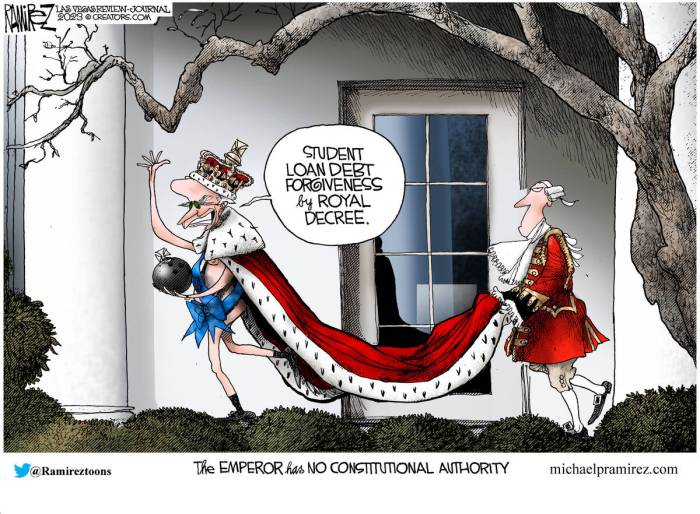
The Emperor Has No Policies
Introduction
We’ve all been there, right? Staring at a leader – be it in your company, your community, or even your own family – and realizing they’re…well, not really leading. They’re holding court, maybe making pronouncements, but when it comes to actual, tangible policies, it’s like peering into an empty cupboard. “The Emperor has no clothes!” – or, in our case, no policies.
This isn’t just about vague pronouncements or motivational speeches. It’s about the tangible absence of a clear, well-defined roadmap. It’s about the sinking feeling that important decisions are being made on a whim, based on gut feelings, or worse, ignored altogether. It’s about the deafening silence where a policy should be.
But what’s the real cost of this lack of policy? And what can we do about it? Let’s delve in.
The Short-Term Pain: Chaos and Confusion
In the immediate aftermath of a policy vacuum, the symptoms are often easy to spot. Think about it:
- Lack of Direction: Teams flounder, uncertain of priorities and objectives. Projects stall because no one knows how to make critical decisions. Imagine a marketing team launching a new product without a clear social media policy – a potential PR nightmare waiting to happen.
- Inconsistency and Inequity: Decisions become arbitrary and subjective. One employee might get a raise, while another, equally deserving, is overlooked. One department might be allowed to expense certain items, while another isn’t. This breeds resentment and undermines morale.
- Increased Conflict: With no established procedures, disagreements escalate quickly. What started as a minor difference of opinion can erupt into a full-blown conflict, consuming valuable time and resources.
- Reactive Firefighting: Instead of proactively planning and addressing potential issues, everyone is constantly scrambling to put out fires. The organization becomes trapped in a cycle of crisis management, unable to focus on long-term growth.
- Stifled Innovation: When there’s no clear framework for experimentation and risk-taking, innovation grinds to a halt. Employees are afraid to try new things for fear of making a mistake and facing undefined consequences.
The Long-Term Bleed: Erosion and Stagnation
While the short-term consequences are painful, the long-term effects of a policy-free zone are far more insidious.
- Erosion of Trust: Over time, the lack of clear policies undermines trust in leadership. Employees begin to question the competence and fairness of those in charge, leading to disengagement and cynicism.
- Decreased Productivity: Uncertainty and ambiguity create stress and anxiety, draining productivity. Employees spend more time worrying about what might happen than focusing on their work.
- Talent Exodus: The best and brightest employees will eventually seek opportunities where they feel valued and supported. A company known for its lack of policies will struggle to attract and retain top talent.
- Reputational Damage: A company’s reputation can suffer significantly if it’s perceived as disorganized, unfair, or unpredictable. This can impact its ability to attract customers, partners, and investors.
- Missed Opportunities: A lack of clear policies can prevent an organization from capitalizing on emerging opportunities. They might be too slow to respond to market changes or too afraid to take calculated risks.
Filling the Void: Practical Solutions for Policy-Phobes
The good news? The “Emperor” can get clothed! Here are several practical approaches to developing effective policies:
- Identify the Gaps: Start by identifying the areas where policies are lacking. Conduct surveys, hold focus groups, and review past decisions to identify pain points and recurring issues. For example, a quick survey to your employees might reveal that the policy for remote work is unclear, leading to uncertainty about expectations.
- Prioritize and Focus: Don’t try to create all the policies at once. Focus on the most critical areas first, such as those related to compliance, safety, or employee conduct. Prioritize the gaps identified in step one to focus on the most pressing issues.
- Involve Stakeholders: Policies should be developed in consultation with those who will be affected by them. This ensures that the policies are relevant, practical, and fair. Creating a working group that represents various departments can bring diverse perspectives to the table.
- Document Everything: Create clear, written policies that are easily accessible to everyone. Use simple language and avoid jargon. Consider creating a centralized policy manual or a digital repository.
- Communicate Clearly: Announce new policies effectively. Use a variety of communication channels, such as email, meetings, and training sessions, to ensure that everyone understands the policies and their implications. A webinar or town hall meeting can be effective in explaining the rationale behind a new policy and answering questions.
- Implement Consistently: Enforce policies fairly and consistently. Don’t make exceptions for certain individuals or departments. This reinforces the importance of the policies and prevents perceptions of favoritism.
- Review and Revise: Policies should be reviewed and updated regularly to ensure that they remain relevant and effective. The business environment changes, so policies need to adapt.
Alternative Approaches: Finding What Fits
Not every organization is the same. Here are a few alternative approaches that you can tailor to your specific needs:
- The Agile Policy: Develop “minimum viable policies” – simple, basic guidelines that can be iterated on over time. This approach is particularly useful in fast-moving environments where agility is essential.
- The Collaborative Policy: Use a collaborative platform, such as a wiki or a shared document, to develop policies collectively. This empowers employees to contribute their expertise and creates a sense of ownership.
- The “Principles-Based” Policy: Instead of creating detailed, prescriptive policies, focus on establishing guiding principles that can inform decision-making. This allows for greater flexibility and adaptability.
- The Case Study Policy: Use real-life examples to illustrate how policies should be applied in different situations. This helps employees understand the practical implications of the policies and makes them easier to remember.
Example: Netflix’s “Freedom and Responsibility”
Netflix provides a compelling example of a company that embraces a policy of “freedom and responsibility.” Instead of rigid rules, they emphasize trust, judgment, and self-discipline. While they still have essential policies related to legal compliance and ethical behavior, they empower employees to make decisions that are in the best interest of the company. This approach has fostered a culture of innovation, accountability, and high performance.
Moving Forward: From Policy Paralysis to Proactive Progress
It’s time to face the uncomfortable truth: a policy vacuum is a breeding ground for chaos, inequity, and stagnation. But by acknowledging the problem and taking proactive steps to address it, you can create a more transparent, fair, and effective organization.
Don’t be afraid to start small. Choose one area where policies are lacking and begin to develop a clear, well-defined framework. Involve your stakeholders, communicate clearly, and implement consistently.
The journey from policy paralysis to proactive progress may not be easy, but the rewards are well worth the effort. A clear set of policies will empower your employees, enhance your reputation, and unlock your organization’s full potential. So, let’s get “The Emperor” dressed in some policies – and watch the empire flourish.
“`