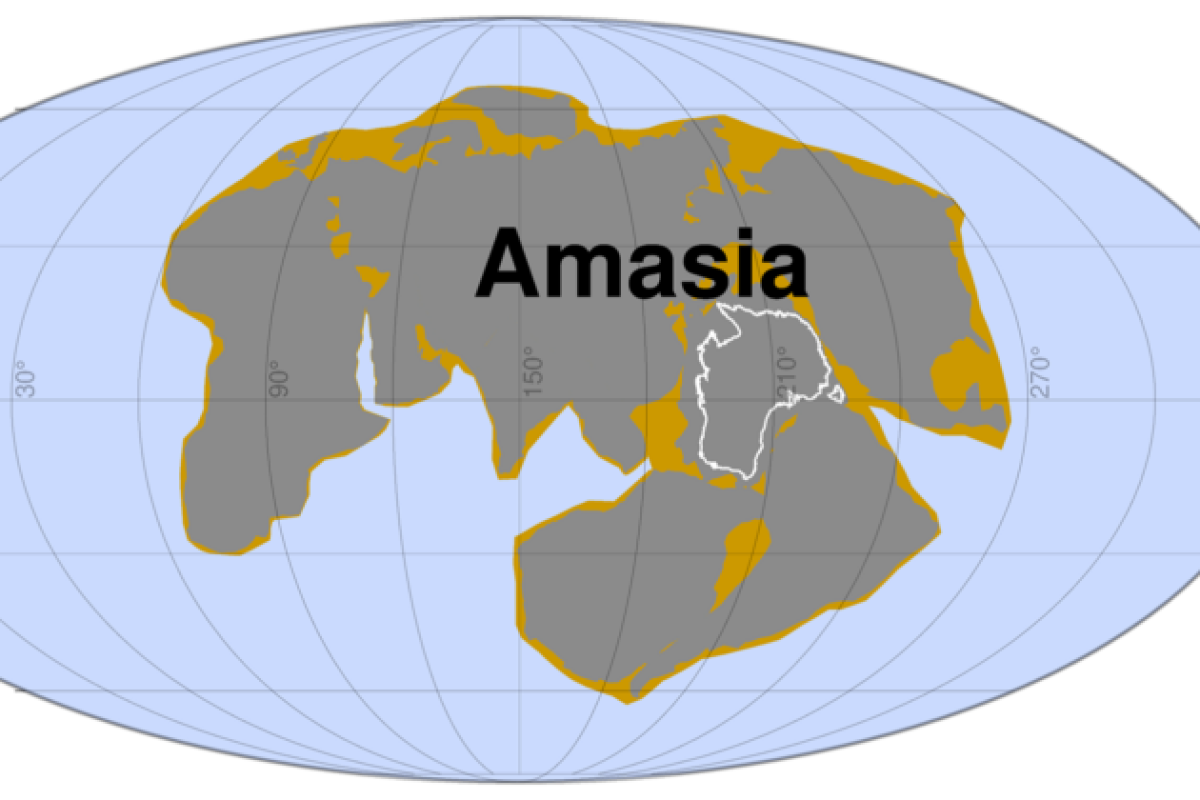
Asia: The Next World
Introduction
Ever feel like the world’s axis is subtly shifting? Like something big is brewing just over the horizon? That feeling isn’t just intuition; it’s recognition. Look East. Asia isn’t just “up-and-coming” anymore. It’s here. It’s now. And it’s poised to redefine the 21st century. We’re talking about economic powerhouses, technological innovation hubs, and cultural shifts that are impacting everything from the food we eat to the clothes we wear. But it’s not just about flashy growth figures and gleaming skyscrapers. There are complex challenges lurking beneath the surface.
So, buckle up. We’re diving deep into the rise of Asia, exploring its incredible potential, the hurdles it faces, and what all of this means for you and the rest of the world.
The Roar of the Dragon (and the Tiger, and the Elephant…)
Let’s start with the obvious: Asia’s economic growth is staggering. China’s transformation from a largely agrarian society to the world’s second-largest economy is a well-worn story, but it’s a story that continues to evolve. India, meanwhile, is becoming a tech and innovation giant. Southeast Asia, with its dynamic economies like Vietnam, Indonesia, and the Philippines, is becoming a major manufacturing and consumer market.
This isn’t just about raw economic output; it’s about innovation. Asian companies are leading the way in areas like fintech, e-commerce, and renewable energy. Think about it: Alibaba and Tencent are household names, rivaling the reach and influence of their Western counterparts. Companies like Samsung and Huawei are driving innovation in consumer electronics. And across the continent, startups are emerging with disruptive ideas that are changing the way we live, work, and play.
Short-Term Impact:
- Increased Global Competition: Get ready for more competition. Asian companies are aggressively expanding into global markets, challenging established players in everything from automobiles to consumer goods.
- Shifting Supply Chains: The pandemic exposed the vulnerabilities of relying too heavily on a single source for manufacturing. Expect to see supply chains diversifying, with more production moving to Southeast Asia and other Asian countries.
- Rising Consumer Power: Asia is home to billions of consumers, many of whom are entering the middle class for the first time. This growing consumer base is driving demand for goods and services from around the world.
Long-Term Impact:
- A New Global Order: As Asia’s economic and political influence grows, expect to see a reshaping of the global order. Traditional power structures are being challenged, and new alliances are forming.
- Technological Leapfrogging: In some areas, Asia is leapfrogging traditional technologies and embracing cutting-edge innovations. This could lead to new paradigms in areas like artificial intelligence, blockchain, and sustainable energy.
- Cultural Influence: Asian cultures are becoming increasingly influential on the global stage. From K-Pop to anime to the spread of Asian cuisine, expect to see a greater appreciation and integration of Asian cultures in the West.
The Challenges Within the Growth:
But it’s not all sunshine and roses. This rapid growth comes with significant challenges.
- Inequality: The benefits of economic growth are not always shared equally. Many Asian countries grapple with significant income inequality, which can lead to social unrest and instability.
- Environmental Degradation: Rapid industrialization has taken a toll on the environment. Air and water pollution, deforestation, and climate change are pressing issues that need to be addressed.
- Geopolitical Tensions: The rise of Asia is creating geopolitical tensions, particularly in the South China Sea and between China and its neighbors. These tensions could escalate and disrupt regional stability.
Practical Solutions: Navigating the Asian Century
So, how do we navigate this new landscape? Here are some practical solutions for individuals, businesses, and policymakers:
- Embrace Lifelong Learning: The skills that are in demand today may not be relevant tomorrow. Invest in continuous learning and development to stay ahead of the curve. Focus on skills like data analysis, critical thinking, and cross-cultural communication.
- Example: Online learning platforms like Coursera and edX offer a wide range of courses on topics relevant to the Asian market.
- Build Cross-Cultural Competence: Understanding and appreciating different cultures is essential for success in a globalized world. Invest in language learning, cultural sensitivity training, and building relationships with people from diverse backgrounds.
- Example: Companies like Berlitz offer customized cross-cultural training programs for businesses looking to expand into Asian markets.
- Invest in Sustainable Solutions: Asia needs sustainable solutions to address its environmental challenges. Support companies and initiatives that are focused on renewable energy, clean technology, and responsible resource management.
- Example: The Asian Development Bank is investing heavily in sustainable infrastructure projects across the region.
- Diversify Your Investments: Don’t put all your eggs in one basket. Diversify your investments across different asset classes and geographies, including Asian markets.
- Example: Consider investing in Asian stock market indices or mutual funds that focus on Asian equities.
- Advocate for Responsible Policies: Support policies that promote inclusive growth, environmental protection, and regional stability. Engage with your elected officials and advocate for policies that align with your values.
- Cultivate Local Partnerships: For businesses, building strong relationships with local partners is crucial. Navigating the nuances of Asian business culture requires trust and understanding, which are best achieved through collaboration.
- Example: Western companies expanding into China often partner with local firms to navigate regulatory hurdles and market dynamics.
- Embrace Adaptability and Flexibility: Asia is a diverse and dynamic region. Be prepared to adapt your strategies and approaches to meet the unique needs and challenges of each market.
Alternative Approaches:
- Focus on Niche Markets: Instead of trying to compete with large multinational corporations, identify niche markets where you can offer specialized products or services.
- Leverage Technology: Use technology to overcome geographical barriers and connect with customers and partners across Asia.
- Embrace Social Entrepreneurship: Develop business models that address social and environmental challenges while also generating profits.
A Future Forged Together:
The rise of Asia presents both opportunities and challenges. But by embracing lifelong learning, building cross-cultural competence, investing in sustainable solutions, and advocating for responsible policies, we can navigate this new landscape and create a more prosperous and equitable world for all.
The narrative of Asia is still being written, and you have a role to play. Whether you’re an entrepreneur, an investor, a student, or simply a curious global citizen, now is the time to engage, to learn, and to contribute to the next chapter of this incredible story. Don’t just watch from the sidelines; jump in and be a part of shaping the future. The world awaits.