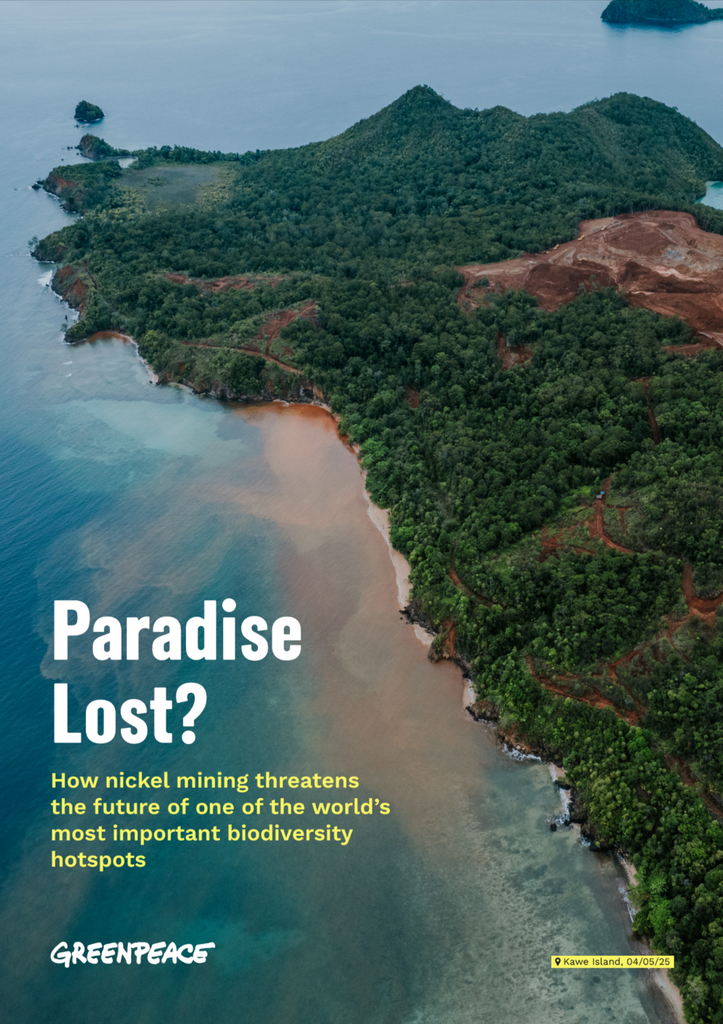
Indonesia:Paradise Lost?
Introduction
Indonesia.Just the name conjures images of breathtaking sunsets over emerald rice paddies,ancient temples humming with history,and a vibrant tapestry of cultures woven together across thousands of islands.It’s a land of Komodo dragons and orangutans,of coral reefs teeming with life and volcanic peaks piercing the clouds.Paradise,right?
Well,maybe.But look closer,and you’ll see cracks appearing in the idyllic facade.Cracks widened by deforestation,pollution,and a growing gap between economic progress and environmental sustainability.The question isn’t just “Is Indonesia losing its paradise?” but “Can we help it find its way back?”
For decades,Indonesia has experienced rapid economic growth,fueled by natural resource exploitation.This boom has lifted millions out of poverty,but at a significant cost.The insatiable global demand for palm oil,for instance,has led to the large-scale destruction of rainforests,displacing indigenous communities and releasing massive amounts of carbon dioxide into the atmosphere.Jakarta,a sprawling metropolis,consistently ranks among the world’s most polluted cities,with air quality posing serious health risks to its inhabitants.Plastic waste chokes the oceans surrounding the islands,devastating marine ecosystems and impacting the livelihoods of fishermen.
The Short-Term Pain,the Long-Term Consequences
The immediate impact is visible:hazy skies obscuring the stunning landscapes,fishermen pulling in nets filled with plastic instead of fish,and the relentless march of development swallowing precious natural habitats.But the long-term consequences are far more daunting.
- Economic Instability:Tourism,a vital source of income for many Indonesians,is threatened by environmental degradation.Who wants to vacation in a polluted paradise?Furthermore,depleted natural resources mean dwindling opportunities for future generations.
- Health Crisis:Air and water pollution contribute to respiratory illnesses,skin diseases,and other health problems,straining the healthcare system and reducing productivity.
- Climate Change Amplification:Deforestation and industrial emissions exacerbate climate change,leading to rising sea levels,extreme weather events,and disruptions to agriculture.As an archipelago nation,Indonesia is particularly vulnerable to these effects.
- Social Unrest:Displacement of indigenous communities and competition for dwindling resources can lead to social tensions and conflicts,undermining social cohesion.
These aren’t just abstract concerns;they’re realities unfolding across Indonesia right now.But the story doesn’t have to end here.The good news is that Indonesia,with its vibrant culture and resilient people,possesses the potential to reverse this trend and build a more sustainable future.
Reclaiming Paradise:Practical Solutions
The path to restoring Indonesia’s paradise isn’t a single road,but a network of interconnected initiatives.Here are some practical approaches that can make a real difference:
- Sustainable Agriculture & Forestry:Instead of viewing forests solely as sources of timber and land for plantations,we need to embrace sustainable practices that prioritize conservation.
- Reforestation & Agroforestry:Actively replanting degraded areas with native trees and promoting agroforestry systems(integrating trees into agricultural landscapes)can restore ecosystems,sequester carbon,and provide alternative income sources for local communities.The success of programs like the “One Million Trees” initiative,which aims to plant millions of trees across Indonesia,demonstrates the potential of large-scale reforestation efforts.
- Sustainable Palm Oil Production:Supporting certified sustainable palm oil production can reduce deforestation by promoting responsible land management and minimizing environmental impact.Consumers can also play a role by choosing products that use sustainably sourced palm oil.
- Protecting Peatlands:Peatlands are crucial carbon sinks.Preventing drainage and fires in peatlands is essential to reducing greenhouse gas emissions and preserving biodiversity.Indonesia has already made progress in restoring degraded peatlands,but continued efforts are crucial.
- Waste Management Revolution:Tackling the plastic pollution crisis requires a multi-pronged approach focused on reducing,reusing,and recycling.
- Reducing Plastic Consumption:Implementing policies such as bans on single-use plastics,promoting reusable alternatives,and incentivizing businesses to reduce plastic packaging can significantly decrease waste generation.Cities like Bali have already taken steps in this direction by banning single-use plastics,providing a blueprint for other regions.
- Improving Waste Collection & Recycling:Investing in modern waste management infrastructure,including efficient collection systems,sorting facilities,and recycling plants,is crucial to diverting waste from landfills and oceans.Community-based waste management programs,which empower local residents to manage their own waste,can also be highly effective.
- Waste-to-Energy Technologies:Exploring waste-to-energy technologies,such as incineration and anaerobic digestion,can convert waste into electricity and reduce reliance on fossil fuels.However,it’s crucial to ensure that these technologies are implemented with proper environmental safeguards to minimize air pollution.
- Renewable Energy Transition:Shifting away from fossil fuels and embracing renewable energy sources is essential to reducing air pollution and mitigating climate change.
- Solar & Wind Power:Indonesia has abundant solar and wind resources that can be harnessed to generate clean electricity.Investing in solar farms,wind turbines,and rooftop solar installations can significantly reduce reliance on coal-fired power plants.The government’s commitment to increasing the share of renewable energy in the national energy mix is a positive step,but further investment and policy support are needed.
- Geothermal Energy:Indonesia is located on the “Ring of Fire,” making it a prime location for geothermal energy development.Geothermal power plants can provide a reliable and sustainable source of electricity.
- Hydropower:Developing small-scale hydropower projects can provide clean energy to remote communities without the environmental impacts associated with large dams.
- Empowering Local Communities:Engaging local communities in conservation efforts is crucial to ensuring their long-term success.
- Community-Based Ecotourism:Promoting ecotourism initiatives that are owned and managed by local communities can provide alternative income sources and incentivize conservation.By showcasing the natural beauty and cultural heritage of Indonesia,ecotourism can create a positive feedback loop between conservation and economic development.
- Supporting Traditional Knowledge:Indigenous communities possess valuable knowledge about sustainable resource management.Integrating traditional knowledge into conservation strategies can enhance their effectiveness and ensure that they are culturally appropriate.
- Providing Education & Training:Investing in education and training programs that empower local communities to participate in conservation efforts can build local capacity and ensure the long-term sustainability of these initiatives.
Your Role in Reclaiming Paradise
The transformation of Indonesia requires collective action from individuals,businesses,and governments.As individuals,we can make conscious choices to reduce our environmental footprint,support sustainable businesses,and advocate for policy changes.Businesses can adopt sustainable practices,invest in renewable energy,and support community-based conservation initiatives.Governments can enact policies that promote sustainable development,protect natural resources,and incentivize responsible behavior.
The journey to reclaiming Indonesia’s paradise is a challenging one,but it’s a journey worth taking.By embracing sustainable practices,empowering local communities,and investing in a green future,we can ensure that Indonesia remains a land of breathtaking beauty and vibrant culture for generations to come.It’s not about simply restoring what was lost,but about creating a new paradigm where economic prosperity and environmental sustainability go hand in hand.
Don’t let Indonesia become a paradise lost.Let’s work together to make it a paradise regained,a beacon of hope for a sustainable future.The power to make a difference lies within each of us.Are you ready to act?