Daisy Robinson

Israel: A Tinderbox Nation

Israel: A Tinderbox NationIsrael

Israel: A Tinderbox Nation

Introduction

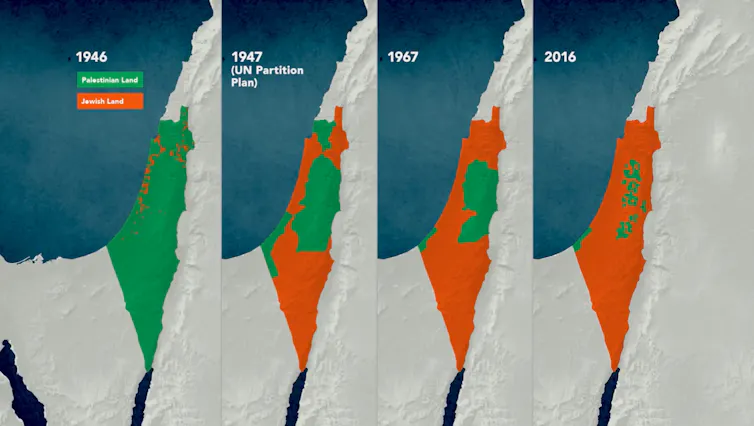
Israel, a land steeped in history and brimming with innovation, often feels like a tinderbox. A single spark – a political decision, a religious event, a misinterpreted word – can ignite widespread unrest and threaten to engulf the entire region in flames. This isn’t new, of course. For decades, Israelis and Palestinians have lived with the constant hum of tension, navigating a complex landscape of competing claims, deep-seated grievances, and the ever-present threat of violence. But why does this simmer continue to boil, and what are the long-term implications if left unchecked?

Let’s be clear: the stakes are incredibly high. The Israeli-Palestinian conflict isn’t just a local issue; it has far-reaching consequences for global stability, international relations, and even the global economy. The ongoing conflict fuels extremism, creates humanitarian crises, and distracts from other critical global challenges like climate change and poverty.

Short-Term Pain, Long-Term Consequences

In the short term, the instability in Israel impacts daily life. Constant security threats necessitate stringent security measures, affecting freedom of movement, economic opportunities, and overall quality of life. The constant fear of violence creates a climate of anxiety and mistrust, hindering social cohesion and perpetuating cycles of animosity. The tourism industry, a vital component of the Israeli economy, suffers during periods of unrest, leading to job losses and economic hardship. For Palestinians, the daily reality often includes restricted access to resources, limitations on movement, and the constant fear of displacement.

However, the long-term consequences are even more dire. Unresolved conflict entrenches extremism on both sides, making peaceful resolution even more difficult. The lack of progress fosters a sense of hopelessness, particularly among young people, leading to radicalization and a willingness to resort to violence. The continued expansion of settlements in the West Bank further complicates the situation, eroding the possibility of a two-state solution and fueling international condemnation. Economically, the ongoing conflict drains resources that could be invested in education, healthcare, and infrastructure development, hindering long-term growth and prosperity.

Extinguishing the Flames: Practical Solutions for a Brighter Future

So, what can be done to defuse this tinderbox and build a more peaceful and sustainable future for Israelis and Palestinians? There’s no single, magic bullet solution, but a combination of approaches focusing on dialogue, economic cooperation, and justice can pave the way for progress.

  1. Prioritizing Dialogue and Negotiation:

    The most obvious, yet often most difficult, path forward involves renewed and sustained dialogue between Israeli and Palestinian leaders. This means creating a safe space for open and honest conversations, facilitated by neutral international mediators. These discussions need to tackle the core issues head-on: borders, security, Jerusalem, and the right of return for Palestinian refugees.

    Example: The Oslo Accords, despite their ultimate failure, demonstrate the power of dialogue in achieving significant breakthroughs. They created a framework for future negotiations and established the Palestinian Authority, laying the groundwork for potential self-governance. We need to learn from both the successes and failures of Oslo to craft a more sustainable and equitable agreement.

  2. Fostering Economic Cooperation:

    Economic interdependence can create shared interests and incentives for peace. Initiatives that promote joint ventures, cross-border trade, and investment in both Israeli and Palestinian territories can help build trust and improve living standards.

    Example: The Israel-Jordan peace treaty led to increased trade and tourism between the two countries, creating jobs and fostering goodwill. Similar initiatives can be implemented between Israel and Palestine, focusing on sectors like technology, agriculture, and renewable energy.

  3. Promoting Justice and Accountability:

    Addressing grievances and ensuring accountability for human rights abuses are crucial for building trust and reconciliation. This means investigating and prosecuting perpetrators of violence, providing redress for victims, and promoting a culture of respect for human rights on both sides.

    Example: The Truth and Reconciliation Commission in South Africa offers a valuable model for dealing with past injustices and promoting healing. While the context is different, the principles of truth-telling, accountability, and reconciliation can be adapted to the Israeli-Palestinian context.

  4. Investing in Education and People-to-People Initiatives:

    Education plays a vital role in shaping perceptions and attitudes. Promoting curricula that teach empathy, understanding, and respect for different cultures and perspectives can help break down stereotypes and build bridges between communities. People-to-people initiatives, such as youth exchange programs and joint cultural projects, can foster personal connections and challenge prejudices.

    Example: Seeds of Peace is an organization that brings together young people from conflict regions, including Israel and Palestine, for leadership training and dialogue. These programs help participants develop empathy, critical thinking skills, and a commitment to peace.

  5. Grassroots Activism and Civil Society Engagement:

    Lasting peace cannot be imposed from above; it must be built from the ground up. Supporting grassroots activism and civil society organizations that promote dialogue, non-violence, and social justice is crucial for creating a more peaceful and inclusive society.

    Example: Groups like Combatants for Peace, which brings together former Israeli soldiers and Palestinian fighters who have renounced violence, demonstrate the power of shared experiences and a commitment to peace.

Multiple Paths to Progress:

These are just a few examples of the many potential solutions. Each approach has its own strengths and weaknesses, and the most effective strategy will likely involve a combination of efforts.

  • Bottom-up vs. Top-down: Should the focus be on grassroots initiatives and community-level reconciliation, or on high-level negotiations between political leaders? A balanced approach is crucial, with both top-down and bottom-up efforts working in tandem.
  • Incremental vs. Comprehensive: Should the focus be on achieving small, incremental gains, such as improving economic cooperation or addressing specific security concerns, or on pursuing a comprehensive peace agreement that addresses all core issues simultaneously? An incremental approach may be more realistic in the short term, but it should be guided by a long-term vision of a comprehensive peace agreement.
  • Unilateral vs. Multilateral: Should Israel and Palestine act unilaterally to address specific issues, or should they rely on international mediation and support? A multilateral approach can provide legitimacy and resources, but it can also be slow and cumbersome.

A Spark of Hope:

The challenges facing Israel and Palestine are immense, but they are not insurmountable. Despite the deep-seated divisions and the seemingly endless cycle of violence, there are reasons for optimism. There are individuals and organizations on both sides who are working tirelessly to build bridges, promote understanding, and create a more peaceful future. Their dedication and resilience offer a spark of hope in a region often shrouded in darkness.

The path to peace will be long and arduous, but it is a path worth pursuing. By embracing dialogue, fostering economic cooperation, promoting justice, investing in education, and supporting grassroots activism, we can work towards extinguishing the flames of conflict and building a more peaceful and sustainable future for Israelis and Palestinians. It requires commitment, courage, and a willingness to challenge deeply held beliefs. But the rewards – a future free from violence, fear, and despair – are immeasurable. Let’s choose to be part of the solution, not the problem, and contribute to building a future where Israelis and Palestinians can live side-by-side in peace and security. The time to act is now.

Africa Rising: A Continent Reimagined.

Africa Rising: A Continent Reimagined

Africa Rising: A Continent Reimagined

Introduction

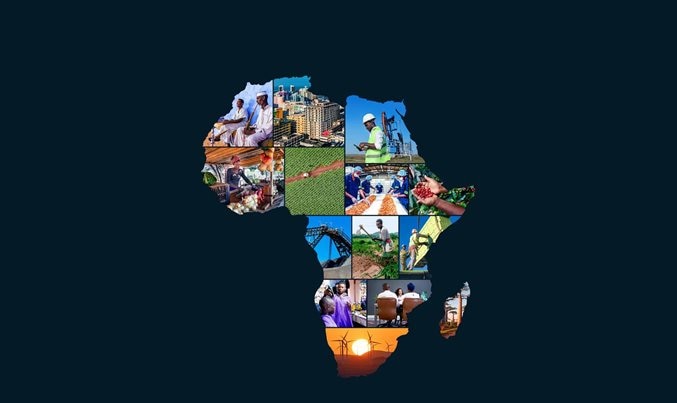
Remember those old maps in school? The ones where Africa was often depicted smaller than it actually is, a land seemingly frozen in time? Toss those images out the window. What’s happening on the African continent right now is anything but stagnant. It’s a dynamic, evolving story of innovation, resilience, and a collective reimagining of what’s possible. Forget the outdated narratives; Africa is rising, and it’s doing so on its own terms.

But this isn’t some fluffy, feel-good piece. We’re going to delve into the real challenges, the tangible solutions, and the concrete steps being taken to build a brighter future. We’ll look at the short-term wins and the long-term visions that are driving this transformation. Because understanding both the problems and the possibilities is key to truly appreciating the magnitude of what’s unfolding. Ready to dive in?

The Shifting Sands: Challenges and Opportunities

Africa is a continent of staggering diversity, and with that comes a complex web of challenges. Rapid urbanization, infrastructure deficits, climate change, and governance issues are just a few of the hurdles that need to be addressed. But within these challenges lie tremendous opportunities.

  • The Digital Leapfrog: Unlike many developed nations, Africa isn’t burdened by legacy infrastructure. This allows it to leapfrog older technologies and adopt cutting-edge solutions, particularly in the digital realm. Mobile technology is a prime example. While landline penetration remains low in many areas, mobile phone usage is soaring, driving innovation in fintech, e-commerce, and education.
    • Short-term Impact: Increased access to information, financial services, and online markets, empowering individuals and small businesses.
    • Long-term Impact: Fostering a digital economy, creating new jobs, and improving overall quality of life.
  • The Demographic Dividend: Africa has the world’s youngest population, a potential economic powerhouse waiting to be unleashed. However, this demographic dividend can only be realized through investment in education, skills development, and job creation.
    • Short-term Impact: Addressing youth unemployment and providing opportunities for entrepreneurship and innovation.
    • Long-term Impact: Building a skilled workforce that can drive economic growth and contribute to global competitiveness.
  • Harnessing Natural Resources Sustainably: Africa is rich in natural resources, but historically, these resources have often been exploited with little benefit to local communities. Moving towards sustainable resource management, value addition, and beneficiation is crucial.
    • Short-term Impact: Increasing revenue from natural resources, creating local jobs, and improving community livelihoods.
    • Long-term Impact: Diversifying economies, reducing reliance on commodity exports, and ensuring environmental sustainability.

Building Bridges: Practical Solutions for a Brighter Future

So, how do we turn these opportunities into reality? Here are some practical, applicable solutions that are already making a difference:

  1. Investing in Education and Skills Development: This isn’t just about building more schools. It’s about reforming curricula to be relevant to the 21st-century economy, promoting vocational training, and fostering critical thinking skills.
    • Example: The Mastercard Foundation Scholars Program, which provides scholarships and leadership training to young Africans, is a prime example of investing in the continent’s future leaders.
  2. Promoting Entrepreneurship and Innovation: Creating a supportive ecosystem for entrepreneurs, including access to funding, mentorship, and incubators, is essential.
    • Example: The Tony Elumelu Foundation Entrepreneurship Programme, which provides seed capital and mentorship to African entrepreneurs, has empowered thousands of businesses across the continent.
  3. Strengthening Governance and Institutions: Good governance, transparency, and the rule of law are fundamental to attracting investment, promoting economic growth, and ensuring social stability.
    • Example: Rwanda’s efforts to improve governance and reduce corruption have made it one of the most attractive investment destinations in Africa.
  4. Investing in Infrastructure: Building roads, railways, ports, and energy infrastructure is crucial to connecting markets, facilitating trade, and driving economic growth.
    • Example: The African Union’s Programme for Infrastructure Development in Africa (PIDA) aims to accelerate infrastructure development across the continent.
  5. Leveraging Technology for Development: Using technology to improve access to healthcare, education, and financial services, and to promote sustainable agriculture, is key.
    • Example: M-Pesa, the mobile money transfer service in Kenya, has revolutionized financial inclusion and empowered millions of people.

Your Role in the African Narrative

This isn’t just a story for Africans; it’s a global story. Whether you’re an investor, a student, a business owner, or simply a concerned global citizen, you have a role to play. Here are a few ways to get involved:

  • Invest in African Businesses: Support entrepreneurs and companies that are creating jobs and driving economic growth.
  • Promote Fair Trade: Support businesses that are committed to fair labor practices and sustainable sourcing.
  • Advocate for Good Governance: Support organizations that are working to promote transparency, accountability, and the rule of law.
  • Share the Positive Stories: Help to change the narrative about Africa by sharing stories of innovation, resilience, and progress.
  • Learn More: Educate yourself about the challenges and opportunities facing the continent.

A Call to Action: Embrace the Potential

Africa’s rise is not inevitable, but it is possible. It requires a collective effort from governments, businesses, civil society, and individuals. It demands a shift in mindset, from seeing Africa as a recipient of aid to recognizing it as a partner in progress.

The challenges are real, but so is the potential. By investing in education, promoting entrepreneurship, strengthening governance, building infrastructure, and leveraging technology, we can help to unlock Africa’s full potential and create a brighter future for the continent and the world.

This isn’t just about economic growth; it’s about creating a more just, equitable, and sustainable world. It’s about empowering people, fostering innovation, and building a future where everyone has the opportunity to thrive. Africa is rising, and the time to get involved is now. Let’s embrace the potential, celebrate the progress, and work together to build a continent reimagined. The future is being written now – will you be part of the story?

Asia: The New World Order.

Asia: The New World OrderAsia

Asia: The New World Order

Introduction

Forget everything you think you know about global power dynamics. The West isn’t fading, but the narrative is undeniably shifting. Asia, long viewed through a lens of outsourcing and manufacturing, is rapidly evolving into the center of a new world order. It’s a transformation fueled by economic growth, technological innovation, and a growing assertiveness on the global stage. But what does this “new order” actually look like? And more importantly, how will it impact you?

Think of it like this: the global stage used to be a rock concert dominated by Western bands. Now, Asian artists are headlining, drawing bigger crowds and shaping the music itself. This isn’t just about economic might; it’s about influencing culture, setting technological standards, and wielding political influence in unprecedented ways. Intrigued? Let’s dive in.

The Rise of the Dragon (and the Elephant, and the Tiger…)

The story isn’t just about China, although its economic ascendancy is undoubtedly a key driver. India’s vibrant tech sector, the innovation hubs of Southeast Asia (think Singapore, Vietnam, and Indonesia), and the continued economic prowess of Japan and South Korea are all pieces of this complex puzzle.

Short-Term Impacts: A World Remade

In the short term, we’re already seeing some significant shifts:

  • Supply Chain Realities: Remember the toilet paper shortage of 2020? That was a stark reminder of our dependence on global supply chains, many of which originate in Asia. As Asian economies grow stronger, they are less likely to tolerate disruptions and more likely to demand greater control over these critical networks. Expect more regionalization of supply chains, with Asian companies prioritizing intra-Asian trade.
  • Tech Dominance: From 5G to AI, Asia is at the forefront of technological innovation. Huawei, Samsung, and countless other Asian tech giants are shaping the future of communication, transportation, and even healthcare. This dominance means Western companies will increasingly need to partner with, and even compete against, Asian firms to stay relevant.
  • Investment Flows: The capital is flowing eastward. Asian sovereign wealth funds and private investors are increasingly deploying capital within the region and beyond, funding infrastructure projects, tech startups, and even real estate developments around the world. This shift in investment power is reshaping global financial markets.

Long-Term Impacts: A Geopolitical Earthquake

The long-term implications are even more profound, potentially reshaping the geopolitical landscape:

  • A Multipolar World: The unipolar world order dominated by the United States is giving way to a multipolar system, where power is more distributed among several major players. Asia will be a central pillar of this new multipolarity, challenging the traditional dominance of the West.
  • New Standards and Norms: Asia’s growing influence will translate into the development of new international standards and norms. This could range from data privacy regulations to trade agreements, reflecting Asian values and priorities.
  • The Future of Work: The rise of Asia will have a direct impact on the future of work. Western workers will need to develop skills that are in demand in the Asian market, such as Mandarin language proficiency, cross-cultural communication skills, and expertise in emerging technologies.

Navigating the New Order: Practical Solutions for Individuals and Businesses

So, how do you navigate this changing landscape and capitalize on the opportunities it presents? Here are some practical solutions:

  • Embrace Lifelong Learning: Stay curious and constantly update your skills. Focus on areas where Asian economies are excelling, such as technology, renewable energy, and advanced manufacturing. Online courses, workshops, and industry conferences are great resources.
  • Build Cross-Cultural Competence: Understanding Asian cultures, languages, and business practices is crucial for success. Consider taking language classes, attending cultural events, or even traveling to Asia to immerse yourself in the local environment.
    • Example: Many universities now offer certificate programs in Asian business studies, providing a structured approach to learning about the region.
  • Network Strategically: Build relationships with Asian professionals and businesses. Attend industry events in Asia, join online communities, and connect with people on LinkedIn.
  • Adapt Your Business Model: If you’re a business owner, consider how you can adapt your business model to serve the Asian market. This could involve developing products and services that are tailored to Asian needs, establishing partnerships with Asian companies, or even opening a branch office in Asia.
    • Case Study: Nike’s success in China is a great example of adapting to local preferences. They created sneakers specifically designed for the Chinese market, featuring traditional motifs and catering to local sizing preferences.
  • Diversify Your Investments: Consider diversifying your investment portfolio to include Asian stocks and bonds. This can help you benefit from the region’s economic growth and reduce your overall risk.
  • Explore New Career Paths: Consider pursuing a career in a field that is in high demand in Asia. This could include roles in technology, finance, or international trade. Many companies are actively recruiting talent with Asian language skills and cultural understanding.

Alternative Approaches: A Menu of Options

The “Asia Pivot” is not a one-size-fits-all strategy. Here are a few alternative approaches depending on your circumstances:

  1. The “Partnership” Approach: Focus on building strategic alliances with Asian companies to leverage their expertise and market access. This is a good option for companies that lack the resources or expertise to enter the Asian market on their own.
  2. The “Innovation” Approach: Concentrate on developing cutting-edge technologies that can solve problems in the Asian market. This approach is best suited for companies with strong research and development capabilities.
  3. The “Localization” Approach: Adapt your products and services to meet the specific needs of the Asian market. This approach requires a deep understanding of local culture and consumer preferences.
  4. The “Niche” Approach: Focus on a specific niche market within Asia where you have a competitive advantage. This is a good option for smaller companies with limited resources.

The Future is Now: Take Action!

The rise of Asia is not a distant future scenario; it’s happening now. By embracing lifelong learning, building cross-cultural competence, and adapting your business model, you can not only navigate this changing landscape but also thrive in it.

Don’t be a passive observer. Be an active participant in shaping the new world order. Start by taking small steps today: read a book about Asian history, learn a new language, or connect with an Asian professional on LinkedIn.

The future is bright, and Asia is leading the way. Embrace the opportunity, and you’ll be well-positioned to succeed in the decades to come. The world is changing, and the time to adapt is now. What are you waiting for?

Indonesia: Archipelago Ablaze

Indonesia: Archipelago AblazeIndonesia Fire

Indonesia:Archipelago Ablaze

Introduction

Imagine a string of emeralds, scattered across the vast ocean, each brimming with life and bursting with biodiversity. This is Indonesia, the world’s largest archipelago, a land of vibrant cultures, ancient traditions, and breathtaking landscapes. But beneath this idyllic facade, a troubling reality simmers – Indonesia is, quite literally, ablaze.

No, we’re not talking about some metaphorical political inferno. We’re talking about actual fires, raging across vast swathes of the country, consuming forests, endangering wildlife, and impacting the health and livelihoods of millions. It’s a complex problem with deep roots, but understanding it is crucial, not just for Indonesia, but for the entire planet.

So, what’s fueling these flames? Why does this happen year after year? And most importantly, what can be done to douse the fire and protect this precious archipelago?

The Tinderbox: Causes and Culprits

While natural events like lightning strikes can ignite wildfires, the primary culprit behind Indonesia’s burning issue is undeniably human activity. Land clearing for agriculture, particularly for palm oil plantations and pulpwood industries, is a major driver. The slash-and-burn technique, despite being illegal, remains a tragically common practice. It’s a quick, cheap way to clear land, but the consequences are devastating.

Peatlands, unique ecosystems rich in carbon, exacerbate the problem. These swampy areas, when drained and dried for agriculture, become incredibly flammable. Once ignited, peat fires can burn for weeks, even months, smoldering underground and releasing massive amounts of greenhouse gases into the atmosphere, further fueling climate change, which in turn makes the region more susceptible to fires. It’s a vicious cycle.

Corruption, weak law enforcement, and a lack of education also contribute to the problem. The economic incentives for land clearing often outweigh the penalties, and the lack of alternative sustainable practices leaves many communities reliant on destructive methods.

The Smoldering Aftermath: Short-Term and Long-Term Impacts

The immediate impacts of these fires are alarming. Thick smoke blankets cities and towns, choking residents and causing respiratory illnesses. Schools are often closed, flights are disrupted, and daily life grinds to a halt. Vulnerable populations, such as children and the elderly, are particularly at risk.

But the long-term consequences are even more profound. The destruction of forests leads to habitat loss for endangered species like orangutans, Sumatran tigers, and rhinos, pushing them closer to extinction. The loss of biodiversity undermines the resilience of the ecosystem and weakens its ability to provide essential services.

Economically, the fires cause significant damage to agriculture, tourism, and other industries. The haze can impact regional air quality, affecting neighboring countries and straining diplomatic relations.

And then there’s the climate change aspect. The release of massive amounts of carbon dioxide from burning peatlands contributes significantly to global warming, exacerbating extreme weather events and impacting sea levels.

Cooling Down: Practical Solutions for a Sustainable Future

The good news is that this problem, while complex, is not insurmountable. Effective solutions exist, and with the right commitment and collaboration, Indonesia can move towards a fire-free future.

Here are some practical approaches:

  • Strengthening Law Enforcement:This is paramount. Holding perpetrators accountable for illegal land clearing and burning is crucial. This requires a multi-pronged approach: increasing monitoring and surveillance, imposing stricter penalties, and addressing corruption within the enforcement system. The Indonesian government has already made strides in this area, but more needs to be done to ensure effective implementation.
  • Sustainable Land Management Practices:Promoting and supporting sustainable agriculture and forestry practices is essential. This includes providing training and resources to farmers on alternative land clearing methods, such as mechanical clearing and controlled burning techniques. Supporting the adoption of sustainable palm oil production, certified by organizations like the Roundtable on Sustainable Palm Oil (RSPO), is also critical.
  • Peatland Restoration and Conservation:Protecting and restoring peatlands is crucial for preventing fires and reducing carbon emissions. This involves rewetting drained peatlands, restoring vegetation, and implementing sustainable management practices. For example, the Indonesian Peatland Restoration Agency (BRGM) has been working to restore millions of hectares of degraded peatlands, showing the potential for large-scale impact.
  • Community Empowerment and Education:Engaging local communities in fire prevention and management is vital. Providing them with the necessary resources, training, and incentives to protect their forests and peatlands can be highly effective. This includes educating them about the risks of fire, promoting alternative livelihoods, and involving them in monitoring and reporting illegal activities.
  • Technology and Innovation:Utilizing technology can play a significant role in preventing and managing fires. This includes using satellite imagery and drones to detect hotspots early, developing fire prediction models, and utilizing early warning systems to alert communities. The use of mobile apps to report fires and access information on fire prevention can also be very effective.
  • International Collaboration:The Indonesian fire crisis is a regional and global issue, requiring international collaboration. Sharing expertise, providing financial and technical assistance, and working together to address climate change are all crucial. Partnering with international organizations like the World Bank and the UN Environment Programme can help Indonesia access the resources and expertise it needs to combat the fires.

Finding the Right Fit: Choosing the Best Approach

No single solution is a silver bullet. The most effective approach will likely involve a combination of strategies, tailored to the specific context of each region and community.

  • For areas heavily reliant on agriculture, focusing on sustainable farming practices and alternative livelihoods is essential.
  • In areas with extensive peatlands, prioritizing restoration and conservation efforts is crucial.
  • In regions with weak law enforcement, strengthening governance and tackling corruption is paramount.

A Future Ablaze with Hope

The challenges are significant, but so is the potential for positive change. By embracing sustainable practices, strengthening governance, and empowering communities, Indonesia can douse the flames and protect its precious archipelago.

This isn’t just about saving forests and wildlife; it’s about securing the health and well-being of millions of people, contributing to global efforts to combat climate change, and preserving the natural heritage of this extraordinary nation for future generations.

It’s a call to action for individuals, communities, governments, and international organizations to work together to create a future where Indonesia is not an archipelago ablaze, but a beacon of sustainability and environmental stewardship. The time to act is now. The future is in our hands. Let’s make sure it’s a future filled with hope, not haze.

Japan: Echoes of Tomorrow.

Japan:Echoes of TomorrowJapan

Japan:Echoes of Tomorrow

Introduction

Have you ever felt like Japan is perpetually a few steps ahead? Whether it’s cutting-edge technology, innovative design, or even just the way they embrace (and sometimes clash with) tradition, Japan often feels like a glimpse into a potential future. But what happens when the future, once dreamed of, presents unforeseen challenges? Japan is grappling with one such challenge: a rapidly aging and shrinking population. It’s a phenomenon that casts long shadows, impacting everything from the economy to social structures, and it holds lessons for the rest of the world. This isn’t just a Japanese problem; it’s a global bellwether.

So, what exactly are these “echoes of tomorrow” reverberating across the country? And more importantly, what can be done about them? Let’s dive in.

The Graying Archipelago: Understanding the Challenge

Japan’s demographic situation is stark. The birth rate is declining while life expectancy is increasing, leading to a rapidly aging population. This isn’t just about having more elderly people; it’s about having fewer young people to support them. This creates a cascade of issues:

  • Economic Strain:A smaller workforce translates to lower productivity, reduced tax revenue, and increased pressure on social security and healthcare systems. Imagine trying to fund a large pension system with a shrinking pool of contributors – that’s the reality Japan faces.
  • Labor Shortages:From healthcare to construction, industries across the board are struggling to find enough workers. This leads to delays, increased costs, and potentially compromised quality of services. Ever tried to book a popular restaurant and been told they’re short-staffed? Multiply that across an entire nation.
  • Social Isolation:As the elderly population grows, many find themselves living alone, far from family, and lacking social interaction. This can lead to loneliness, depression, and a decline in overall well-being.
  • Regional Decline:Rural areas, already facing population loss, are becoming ghost towns as young people migrate to urban centers in search of opportunities. This leaves behind aging communities with limited resources and infrastructure.

Short-Term Pain, Long-Term Implications

In the short term, we see businesses struggling to stay afloat, healthcare systems stretched to their limits, and a sense of unease about the future. Imagine small family-owned businesses closing because the next generation isn’t interested in taking over. This isn’t just an economic loss; it’s a loss of tradition, culture, and community.

Longer term, the implications are even more profound. A shrinking workforce could lead to economic stagnation, making it difficult for Japan to maintain its global competitiveness. The social fabric of the nation could fray as traditional support systems weaken. And perhaps most concerning, a sense of pessimism could take hold, making it even harder to attract young people and encourage them to start families.

Possible Solutions: A Multifaceted Approach

There’s no silver bullet to solve this complex challenge, but a combination of strategies can help mitigate the impact and create a more sustainable future.

  1. Embrace Automation and Technology:

    The Idea:Investing in automation and robotics to fill labor gaps and increase productivity.

    Why It Works:Japan is already a leader in robotics. Expanding the use of robots in industries like manufacturing, agriculture, and healthcare can help offset labor shortages and improve efficiency.

    Example:Using robots to assist with elderly care, freeing up human caregivers to focus on more personalized attention.

    How it helps:Eases the strain on the care system and allows humans to focus on more personal engagement.

  2. Promote Immigration and Integration:

    The Idea:Loosening immigration policies to attract skilled workers and address labor shortages.

    Why It Works:Immigration can bring fresh talent, diverse perspectives, and new energy to the workforce.

    Example:Creating pathways for foreign workers in high-demand sectors like IT and healthcare to obtain long-term visas and permanent residency.

    How it helps:Fills gaps in the workforce. New immigrants can also contribute to social life and community enrichment.

  3. Encourage Higher Birth Rates:

    The Idea:Implementing policies that support families and make it easier to have children.

    Why It Works:Addressing the financial and logistical challenges that discourage couples from having children can help boost birth rates.

    Example:Providing subsidized childcare, generous parental leave policies, and financial incentives for having children.

    How it helps:Allows younger people to focus on children without sacrificing their career goals.

  4. Empower Women in the Workforce:

    The Idea:Creating a more equitable and supportive environment for women to advance in their careers.

    Why It Works:Fully utilizing the talents and skills of women can boost productivity and economic growth.

    Example:Addressing gender pay gaps, promoting women to leadership positions, and providing flexible work arrangements that allow women to balance work and family responsibilities.

    How it helps:Increases the workforce without sacrificing the female employee’s aspirations.

  5. Reimagine Work and Retirement:

    The Idea:Encouraging older adults to stay in the workforce longer and creating opportunities for flexible or part-time employment.

    Why It Works:Older adults possess valuable experience and skills that can benefit the economy. Allowing them to work longer can also help them stay active, engaged, and financially secure.

    Example:Eliminating mandatory retirement ages, providing training and retraining programs for older workers, and creating part-time or consulting opportunities.

    How it helps:Improves the quality of life of the retirees and their expertise isn’t lost to the workforce.

Alternative Approaches: Learning from Others

Japan isn’t alone in facing these demographic challenges. Countries like South Korea, Italy, and Germany are also grappling with aging populations and declining birth rates. By studying their successes and failures, Japan can gain valuable insights and adapt best practices to its own unique context.

For example, France has had some success in boosting birth rates through generous family support policies. Germany has focused on integrating immigrants into the workforce. And Singapore has invested heavily in technology and automation to improve productivity.

A Call to Action: Shaping the Future

Japan’s demographic challenges are a complex and multifaceted problem, but they are not insurmountable. By embracing innovative solutions, fostering collaboration, and prioritizing the well-being of its citizens, Japan can navigate these challenges and create a more sustainable and prosperous future.

This isn’t just about Japan; it’s a lesson for the world. As other countries face similar demographic trends, they can learn from Japan’s experiences and proactively implement strategies to mitigate the impact.

The echoes of tomorrow are already being heard. It’s time to listen, learn, and act. Let’s work together to create a future where aging is not a burden, but an opportunity. A future where technology enhances human potential, and where communities thrive regardless of age. The time to shape that future is now. Don’t be a passive observer; be an active participant in building a better tomorrow.

China’s Century: Triumph or Tragedy?

China’s Century: Triumph or Tragedy?Image

China’s Century: Triumph or Tragedy?

Introduction

Okay, let’s talk about China. For decades, we’ve heard whispers, then shouts, about its inevitable rise. “China’s Century” – the phrase itself carries a weight of expectation, a promise of global power shifting eastward. But is this future a guaranteed golden age, a harmonious symphony of innovation and prosperity? Or could it be a more discordant tune, a tragedy of unforeseen consequences and missed opportunities?

This isn’t some dry, academic debate. The answer to that question will ripple through every aspect of our lives, from the price of our electronics to the future of global security. So, buckle up, because we’re diving into the heart of China’s trajectory, exploring its triumphs, acknowledging its challenges, and figuring out what its success (or failure) means for the rest of the world.

The Boom and the Buzz: A Short-Term Victory Lap?

Let’s be honest, China’s short-term economic ascent has been nothing short of spectacular. Think of the gleaming skyscrapers of Shanghai, the high-speed rail connecting sprawling metropolises, the sheer volume of “Made in China” products flooding the global market. This isn’t just about cheap manufacturing anymore. China is a tech powerhouse, a driving force in AI, and a major player in renewable energy.

This rapid development has lifted hundreds of millions out of poverty, creating a burgeoning middle class with aspirations and purchasing power. For those who remember the China of the past, this transformation feels miraculous. And the impact is clear: global economic growth has been fueled, supply chains revolutionized, and new markets opened.

But scratching beneath the surface reveals some serious short-term concerns. The breakneck pace of growth has come at a cost. Rampant pollution chokes cities, placing a huge burden on public health. An aging population threatens to strain social security systems. And let’s not forget the glaring wealth inequality, a stark contrast to the idealized image of a harmonious society.

The Long Game: Challenges on the Horizon

Zooming out, the long-term picture is even more complex. China’s ambitions extend far beyond economic dominance. Its assertive foreign policy, particularly in the South China Sea and towards Taiwan, raises geopolitical tensions. Its Belt and Road Initiative, while ambitious in its infrastructure development goals, is also viewed by some as a tool for expanding its influence.

Perhaps the most significant long-term challenge lies in maintaining social stability. The Communist Party faces the daunting task of balancing economic progress with political control. The desire for greater individual freedoms and political participation is growing, particularly among the younger generation. Suppressing dissent and maintaining a tight grip on information flow is becoming increasingly difficult in a connected world.

Furthermore, the environmental damage inflicted by decades of rapid industrialization poses a long-term threat to sustainability. Addressing climate change, cleaning up polluted ecosystems, and ensuring food security are all critical challenges that will define China’s future.

Navigating the Future: Practical Solutions for a Complex Problem

So, how can China navigate these challenges and ensure its century is one of triumph, not tragedy? The good news is that many solutions are already being explored, but they need to be scaled up and implemented effectively.

  • Green Growth Revolution: China needs to fully commit to sustainable development. This means aggressively investing in renewable energy sources like solar and wind power, phasing out coal-fired power plants, and implementing stricter environmental regulations. Example: China is already a global leader in solar panel manufacturing. Continuing to innovate and drive down costs will make green energy more accessible and economically viable.
  • Strengthening the Social Safety Net: Expanding social security programs, improving access to healthcare, and investing in education are crucial for addressing inequality and ensuring that all citizens benefit from China’s economic success. Example: Pilot programs offering universal basic income in certain regions could provide a safety net for those displaced by automation or facing economic hardship.
  • Promoting Innovation and Entrepreneurship: Fostering a more open and competitive business environment will unleash creativity and drive technological innovation. This includes reducing red tape, protecting intellectual property, and encouraging foreign investment. Example: Creating special economic zones with streamlined regulations and tax incentives can attract innovative startups and foreign companies.
  • Embracing Soft Power: Shifting away from assertive diplomacy and focusing on cultural exchange, educational programs, and humanitarian aid can improve China’s global image and build trust with other nations. Example: Expanding scholarship programs for international students to study in China and promoting Chinese culture through film, music, and art can foster understanding and goodwill.
  • Internal Reform and Dialogue: Relaxing censorship, allowing for greater freedom of expression, and engaging in open dialogue with its citizens are crucial for fostering a more stable and harmonious society. This doesn’t necessarily mean adopting Western-style democracy, but rather finding a Chinese model that balances economic progress with individual freedoms.

Alternative Approaches: Choosing the Right Path

The specific approach China takes will depend on its own internal dynamics and the evolving global landscape. Here are a few alternative approaches to consider:

  • Controlled Liberalization: Gradual political and economic reforms, carefully managed to avoid instability. This approach emphasizes stability and order while gradually opening up the system.
  • Technological Authoritarianism: Utilizing technology to enhance social control and maintain political stability. This approach relies on surveillance, data analysis, and artificial intelligence to monitor and manage the population.
  • Sustainable Socialism: Emphasizing social justice, environmental protection, and state-led development. This approach prioritizes the collective good over individual gain and seeks to create a more equitable and sustainable society.

A Call to Action: Shaping Our Shared Future

Ultimately, the answer to whether China’s century will be a triumph or tragedy rests not only with China itself but also with the rest of the world. We all have a role to play in shaping this shared future. We can:

  • Engage in constructive dialogue: Understanding each other’s perspectives and finding common ground is crucial for navigating complex geopolitical challenges.
  • Promote fair trade and investment: Ensuring a level playing field and preventing protectionism will foster economic growth and innovation.
  • Collaborate on global challenges: Working together to address climate change, pandemics, and other global issues is essential for building a more sustainable and secure world.
  • Hold our own governments accountable: Urging our leaders to engage with China in a responsible and constructive manner is crucial for shaping a positive future.

The rise of China presents both opportunities and challenges. By embracing a spirit of collaboration, innovation, and understanding, we can work towards a future where China’s century is indeed a period of shared prosperity and progress for all. The future isn’t predetermined. It’s being written right now, and we all have a pen in our hand. Let’s use it wisely.

India Ascendant: A Billion Dreams Take Flight

India AscendantIndia Ascendant

India Ascendant: A Billion Dreams Take Flight

Introduction

Imagine a tapestry woven with threads of ancient history, vibrant culture, and a relentless drive for progress. That’s India. For centuries, it’s been a land of contrasts, a place where tradition dances with modernity, and where ambition flickers in the eyes of a billion-plus people. But something’s shifting, a palpable sense of forward motion that’s hard to ignore. India is no longer just a land of potential; it’s a nation taking flight. But what does this “ascension” really mean, and what challenges and opportunities lie ahead as a billion dreams seek to take shape?

The Rocket’s Launch: Understanding the Forces at Play

India’s current trajectory is fueled by a confluence of factors. First, the sheer demographic dividend – a youthful population brimming with energy and aspirations – is a significant engine. These are the digital natives, the entrepreneurs, and the skilled workforce eager to contribute to a new India.

Secondly, economic liberalization, while a decades-long process, has steadily opened doors to innovation and investment. We’ve seen the rise of homegrown giants in sectors like IT, pharmaceuticals, and renewable energy, companies that are not just competing on the global stage but often leading the way.

Thirdly, technological advancements are leapfrogging traditional developmental stages. From the widespread adoption of mobile technology and digital payment systems to the burgeoning AI and machine learning sectors, India is embracing technology at an unprecedented pace, bypassing many of the infrastructure hurdles that once seemed insurmountable.

The View From Above: Short-Term Gains and Long-Term Goals

The immediate impact of this growth is visible in rising incomes, increased access to education and healthcare, and a burgeoning middle class with growing purchasing power. We see it in the bustling metropolises, the vibrant startup ecosystems, and the infrastructure projects that are transforming the landscape.

However, the ascent is not without its challenges. The short-term impacts also include widening income inequality, environmental degradation due to rapid industrialization, and the strain on existing infrastructure. These are the growing pains that come with rapid development, and they demand immediate attention.

Looking further ahead, the long-term success of India’s ascent hinges on addressing these challenges head-on. Failing to do so could lead to social unrest, environmental crises, and a slowing of the very momentum that propels the nation forward. The long-term goals must include sustainable and inclusive growth, investing in education and skills development, and strengthening governance to ensure equitable distribution of resources.

Charting a Course: Practical Solutions for a Sustainable Ascent

So, how can India navigate these turbulent skies and ensure a smooth and sustainable flight? Here are a few practical solutions across key areas:

  • Bridging the Skills Gap: While India has a vast workforce, a significant portion lacks the skills required for modern industries. The solution lies in investing in vocational training programs aligned with industry needs, promoting apprenticeships, and encouraging collaboration between educational institutions and businesses.
    • Example: The Pradhan Mantri Kaushal Vikas Yojana (PMKVY) scheme is a step in the right direction, but it needs to be further strengthened and customized to meet the specific demands of different sectors.
  • Sustainable Infrastructure Development: Building a modern infrastructure is crucial, but it must be done in an environmentally responsible manner. This means investing in renewable energy sources, promoting sustainable transportation solutions, and implementing stricter environmental regulations for construction projects.
    • Example: The Delhi Metro Rail Corporation (DMRC) is a great example of sustainable urban transportation, demonstrating how efficient public transportation can reduce traffic congestion and air pollution.
  • Empowering Rural India: While urban centers are thriving, rural areas often lag behind. Addressing this requires investing in rural infrastructure, promoting agriculture diversification, and providing access to education and healthcare in remote areas.
    • Example: Initiatives like the Mahatma Gandhi National Rural Employment Guarantee Act (MGNREGA) have provided employment opportunities in rural areas, but the program needs to be more effectively implemented and linked to skill development initiatives.
  • Leveraging Technology for Good Governance: Technology can play a crucial role in improving governance and ensuring transparency. Implementing e-governance initiatives, promoting digital literacy, and strengthening cybersecurity are essential steps.
    • Example: The Aadhaar program, while controversial, has the potential to streamline government services and reduce corruption if implemented responsibly and with adequate data protection measures.
  • Promoting Inclusive Growth: Addressing income inequality requires a multi-pronged approach, including progressive taxation policies, strengthening social safety nets, and creating opportunities for marginalized communities.
    • Example: Programs like the National Food Security Act (NFSA) provide subsidized food grains to millions of people, but the effectiveness of these programs needs to be continuously monitored and improved to ensure that they reach those who need them most.

Alternative Approaches: Tailoring Solutions to Local Contexts

There’s no one-size-fits-all solution. Different regions and communities in India face unique challenges and require tailored approaches. Here are a few alternative solutions:

  • Focus on Local Entrepreneurship: Instead of solely relying on large corporations, promoting local entrepreneurship can create jobs and boost economic activity in smaller towns and villages. This can be achieved through microfinance initiatives, skill development programs tailored to local industries, and access to mentorship and business support.
  • Community-Based Resource Management: In areas facing environmental challenges, empowering local communities to manage natural resources can be more effective than top-down regulatory approaches. This involves providing communities with the knowledge, skills, and resources to sustainably manage forests, water resources, and agricultural land.
  • Decentralized Governance: Strengthening local governance bodies like Panchayats and Municipalities can ensure that development initiatives are aligned with the needs and priorities of local communities. This requires devolving more power and resources to these bodies and promoting citizen participation in decision-making.

A Flight Path to the Future: Optimism and Action

India’s ascent is not just about economic growth; it’s about realizing the potential of a billion dreams. The challenges are real, but the opportunities are even greater. By embracing innovation, investing in its people, and promoting sustainable and inclusive development, India can chart a course towards a brighter future.

The journey won’t be easy, and there will be turbulence along the way. But with vision, determination, and a collective commitment to building a better India, the nation can overcome these challenges and continue its ascent.

So, let’s not just stand on the sidelines and watch. Let’s become active participants in this journey. Let’s support policies that promote sustainable development, invest in initiatives that empower communities, and hold our leaders accountable for creating a more just and equitable society.

The future of India is not just a destination; it’s a journey we are all on together. And with each step forward, we can help a billion dreams take flight.

America: Reckoning

America Reckoning Cover

America: Reckoning

Introduction

We’re at a crossroads, folks. No sugarcoating it. America is facing a reckoning, a moment of truth where we have to confront some hard realities about who we are and where we’re headed. It’s not just about politics or economics, although those are certainly part of the equation. It’s about the very soul of the nation, the promises we made to ourselves and to the world, and whether we’re living up to them.

Think of it like a building with cracks in its foundation. We can ignore them, slap on some paint, and pretend everything’s fine for a while. But eventually, those cracks will widen, and the whole structure will be at risk. That’s where we are now – ignoring the cracks is no longer an option.

Explanation of the Problem

But what are these “cracks,” exactly? Well, they manifest in several ways: deep-seated social inequalities, a widening wealth gap, a polarized political landscape, and a growing sense of disillusionment among many Americans. These aren’t new problems, of course, but they’ve been amplified in recent years, brought to the forefront by events like the pandemic, social justice movements, and political upheaval.

The Short-Term Pain, The Long-Term Consequences

The immediate consequences of these issues are already visible. We see it in the rising rates of anxiety and depression, the increasing levels of political animosity, and the erosion of trust in institutions. These are real problems that affect real people every day.

But the long-term consequences are even more concerning. If we don’t address these issues, we risk further fragmentation of our society. Imagine a future where people are even more isolated from one another, where cooperation becomes impossible, and where the American dream feels like a distant memory for most. We risk losing our competitive edge in the global economy, as other nations address these challenges more effectively. We risk undermining our democracy itself, as people lose faith in the system and turn to more extreme solutions.

For example, consider the growing wealth gap. In the short-term, it leads to disparities in access to healthcare, education, and housing. But in the long-term, it can fuel social unrest, limit economic mobility, and even destabilize the political system. When a significant portion of the population feels like the game is rigged, they’re less likely to invest in the system.

Another example is political polarization. In the short-term, it leads to gridlock and inaction on important issues. But in the long-term, it can erode our ability to compromise, to find common ground, and to solve problems collectively.

Building a Better Foundation: Practical Solutions

So, what do we do? How do we fix these cracks and build a stronger foundation for the future? The good news is that we’re not without options. There are concrete steps we can take, both individually and collectively, to address these challenges. The key is MAHJONG 222 to move beyond simply identifying the problems and start implementing solutions.

Here are some practical approaches we can consider:

  • Investing in Education and Skills Training: Education is the great equalizer. By investing in early childhood education, improving our public schools, and expanding access to affordable higher education, we can give more Americans the opportunity to succeed. We also need to focus on skills training and apprenticeships, ensuring that people have the skills needed for the jobs of the future.
    • Example: Germany’s apprenticeship system, where young people combine classroom learning with on-the-job training, is a successful model that the U.S. could adapt.
  • Strengthening the Social Safety Net: A strong social safety net is essential for protecting vulnerable populations and providing a safety net for those who fall on hard times. This includes things like unemployment insurance, food assistance, and affordable healthcare.
    • Example: Expanding access to Medicaid and the Affordable Care Act can help ensure that more Americans have access to healthcare.
  • Promoting Economic Justice: Addressing the wealth gap requires a multi-pronged approach, including raising the minimum wage, strengthening unions, and reforming our tax system to make it fairer.
    • Example: Implementing a progressive tax system, where higher earners pay a larger percentage of their income in taxes, can help redistribute wealth and fund public services.
  • Bridging the Political Divide: We need to find ways to bridge the political divide and foster more constructive dialogue. This includes promoting media literacy, encouraging civil discourse, and supporting organizations that work to bring people together across ideological lines.
    • Example: Supporting community-based organizations that facilitate conversations between people with different political views.
  • Reforming Our Political System: Campaign finance reform, ranked-choice voting, and independent redistricting are all reforms that could help make our political system more responsive to the needs of the people.
    • Example: Ranked-choice voting allows voters to rank candidates in order of preference, which can lead to more moderate outcomes and reduce the impact of extreme voices.
  • Investing in Infrastructure: Investing in infrastructure not only creates jobs but also improves our quality of life. This includes things like roads, bridges, public transportation, and renewable energy.
    • Example: Building a high-speed rail network could connect different parts of the country, reduce reliance on cars, and stimulate economic growth.

Alternative Approaches: A Menu of Options

Not every solution works for everyone, which is why it’s important to have a menu of options to choose from. Here are some alternative approaches to consider:

  • Focus on Local Action: Sometimes, the most effective change happens at the local level. Getting involved in your community, supporting local businesses, and running for local office are all ways to make a difference.
  • Embrace Social Entrepreneurship: Social entrepreneurs are people who use business principles to solve social problems. Supporting these ventures can help create positive change in your community and beyond.
  • Promote Restorative Justice: Restorative justice focuses on repairing harm and building relationships, rather than simply punishing offenders. This approach can be more effective in reducing crime and healing communities.
  • Cultivate Mindfulness and Empathy: In a world that’s often filled with negativity, cultivating mindfulness and empathy can help us connect with others and build more compassionate communities.

A Call to Action: Building a Brighter Future

The challenges we face are significant, but they are not insurmountable. We have the resources, the ingenuity, and the spirit to build a brighter future for ourselves and for generations to come. The key is to start taking action, one step at a time.

Don’t feel like you have to solve all the problems yourself. Find an issue you care about and get involved. Whether it’s volunteering, donating, advocating, or simply having conversations with people who have different views, every action counts.

Remember, America has faced challenges before. We’ve overcome slavery, fought for civil rights, and landed on the moon. We have a history of resilience and innovation. Now is the time to tap into that spirit and build a nation that lives up to its ideals.

The reckoning is here, but it’s not a cause for despair. It’s an opportunity to create a more just, equitable, and sustainable future for all Americans. Let’s seize it. Let’s get to work. The future of America depends on it.


Economic Tsunami: Are You Ready?

Economic Tsunami: Are You Ready?

Introduction

Ever felt that unsettling rumble beneath your feet, that nagging sense that something big is about to hit? That, my friend, might just be the early tremors of an economic tsunami. We’re not talking about some doomsday prophecy here, but a realistic look at the potential challenges and opportunities heading our way in the current economic climate. Let’s face it, the global economy has been a bit of a rollercoaster lately, and ignoring the potential for a downturn is like ignoring the warning signs before a storm.

But don’t reach for the panic button just yet! The good news is that by understanding the potential impacts and taking proactive steps, you can not only weather the storm but also position yourself for future success. This isn’t about burying your head in the sand; it’s about equipping yourself with the knowledge and tools to navigate the turbulent waters ahead.

Short-Term Waves: What to Expect

In the short term, an economic downturn can manifest in a variety of ways. One of the most immediate concerns is often job security. Companies, facing reduced demand and tightening budgets, might resort to layoffs or hiring freezes. Remember the tech sector layoffs of the past year? That’s a prime example of how quickly things can shift.

Beyond job security, we can expect to see impacts on consumer spending. As uncertainty rises, people tend to tighten their belts, postponing major purchases and cutting back on discretionary spending. This, in turn, can further depress business revenues, creating a ripple effect throughout the economy.

Inflation, while hopefully starting to cool, remains a significant factor. High prices for essential goods and services can strain household budgets and reduce disposable income, further impacting consumer behavior. We’ve all felt the pinch at the grocery store or the gas pump, and these everyday expenses can quickly add up.

Finally, the stock market often reacts sharply to economic uncertainty. Volatility can increase, and investment portfolios can experience significant fluctuations. This can be particularly concerning for those nearing retirement or with short-term financial goals.

Long-Term Undertow: Deeper, More Lasting Effects

The long-term consequences of an economic downturn can be even more profound. A prolonged period of slow growth can lead to stagnant wages and reduced career opportunities, especially for younger generations entering the workforce.

Businesses, particularly small and medium-sized enterprises (SMEs), can face significant challenges. Access to capital may become more difficult, and the cost of borrowing may increase. This can stifle innovation, limit expansion, and even lead to business closures.

Furthermore, an economic downturn can exacerbate existing inequalities. Those already struggling to make ends meet may be disproportionately affected, leading to increased social unrest and instability. We’ve seen how economic hardship can fuel social divisions in various countries, and it’s a trend worth paying attention to.

Riding the Wave: Practical Solutions and Strategies

Okay, so the forecast isn’t exactly sunny. But remember, knowing is AZTEC 88 half the battle! Here are some practical strategies to help you navigate this potential economic tsunami:

  • Fortify Your Financial Foundation:
    • Emergency Fund: This is your life raft. Aim for at least 3-6 months’ worth of essential living expenses in a readily accessible, liquid account. Think of it as your financial cushion in case of job loss or unexpected expenses.
    • Debt Management: High-interest debt, like credit card debt, can be a major drain on your finances. Focus on paying down these debts as quickly as possible. Consider debt consolidation or balance transfers to lower your interest rates.
    • Budgeting and Expense Tracking: Knowing where your money is going is crucial. Use budgeting apps, spreadsheets, or even just a notebook to track your income and expenses. Identify areas where you can cut back and save.
  • Invest in Yourself:
    • Upskilling and Reskilling: The job market is constantly evolving. Staying relevant and competitive requires continuous learning. Identify skills that are in high demand in your industry or in emerging fields and invest in acquiring those skills through online courses, workshops, or certifications.
    • Networking: Building and maintaining a strong professional network can open doors to new opportunities. Attend industry events, connect with people on LinkedIn, and nurture your relationships.
    • Personal Branding: In today’s digital age, your online presence is your calling card. Ensure your LinkedIn profile is up-to-date and showcases your skills and experience. Actively participate in online communities and share your expertise.
  • Diversify Your Income Streams:
    • Side Hustles: Exploring opportunities for additional income can provide a safety net and boost your financial security. Consider freelancing, consulting, or starting a small online business.
    • Passive Income: Explore ways to generate income without actively working. This could include investing in dividend-paying stocks, creating and selling online courses, or renting out a spare room.
  • Review Your Investments:
    • Asset Allocation: Ensure your investment portfolio aligns with your risk tolerance and financial goals. Consider diversifying your investments across different asset classes, such as stocks, bonds, and real estate.
    • Long-Term Perspective: Don’t panic sell during market downturns. Remember that investing is a long-term game. Focus on your long-term goals and stick to your investment strategy.
    • Seek Professional Advice: If you’re unsure about your investment strategy, consult with a qualified financial advisor.
  • For Business Owners:
    • Cash Flow Management: Monitor your cash flow closely and ensure you have sufficient reserves to weather any potential downturn.
    • Cost Optimization: Identify areas where you can reduce costs without compromising the quality of your products or services.
    • Customer Retention: Focus on retaining existing customers. It’s often more cost-effective to keep a customer than to acquire a new one.
    • Innovation and Adaptation: Continuously innovate and adapt to changing market conditions. Explore new products, services, or business models.

Case Studies: Learning from Experience

The 2008 Financial Crisis: Individuals who had diversified investments and maintained emergency funds fared much better than those who were heavily leveraged or had all their eggs in one basket.

The COVID-19 Pandemic: Businesses that quickly adapted to online sales and remote work were able to survive and even thrive during the pandemic, while those that were slow to adapt struggled.

Alternative Approaches: Finding What Works for You

The best approach for navigating an economic downturn will depend on your individual circumstances and risk tolerance. Here are a few alternative strategies to consider:

  • Defensive Investing: Focus on investing in companies that are less sensitive to economic cycles, such as those in the healthcare or consumer staples sectors.
  • Value Investing: Look for undervalued companies that have the potential to rebound when the economy recovers.
  • Real Estate Investing: Consider investing in real estate, which can provide a hedge against inflation and generate rental income.

Riding the Wave, Not Drowning in It

The prospect of an economic downturn can be daunting, but it doesn’t have to be a cause for despair. By taking proactive steps to fortify your financial foundation, invest in yourself, and adapt to changing market conditions, you can not only weather the storm but also position yourself for future success.

Remember, economic cycles are a natural part of the economic landscape. There will always be periods of boom and bust. The key is to be prepared and to take a long-term perspective.

This isn’t just about survival; it’s about opportunity. Downturns can create opportunities to buy assets at lower prices, invest in new skills, and build stronger businesses. So, take a deep breath, assess your situation, and start taking action. You’ve got this! The economic seas might be choppy, but with the right preparation and a proactive approach, you can navigate them successfully and emerge stronger on the other side.


Politics: The Art of the Steal.

Politics: The Art of the StealImage

Politics: The Art of the Steal

Introduction

Politics. The word itself can conjure up a cocktail of emotions – frustration, apathy, even outright disgust. We hear about backroom deals, broken promises, and taxpayer money seemingly vanishing into thin air. It’s easy to feel like the whole system is rigged, a sophisticated “art of the steal” where the average citizen gets the short end of the stick. But is that really the whole story? And more importantly, is there anything we can do about it?

Explanation of the Problem

Let’s be honest, the perception of corruption in politics isn’t exactly unfounded. We’ve all witnessed instances – maybe it’s a politician caught accepting lavish gifts, a company securing a lucrative contract through questionable lobbying, or a blatant misuse of public funds. These aren’t isolated incidents; they contribute to a pervasive sense that power is being used for personal gain rather than the collective good.

The Ripple Effect: Short-Term Pain, Long-Term Erosion

The immediate consequences of political “stealing” are often quite tangible. Think about a school district that’s consistently underfunded despite ample tax revenue. Where did that money go? Perhaps it was diverted to a pet project of a local official, or siphoned off through inflated contracts awarded to political allies. This translates to fewer resources for students, lower teacher salaries, and ultimately, a weaker education system.

But the long-term impact is even more insidious. A culture of corruption erodes public trust. When citizens lose faith in their government, they become less likely to participate in civic life. Voter turnout declines, community engagement wanes, and the very foundation of democracy weakens. This creates a vicious cycle: less participation allows corruption to flourish even further, reinforcing the initial cynicism and apathy. Think of countries struggling with endemic corruption. Economic development stagnates, inequality widens, and social unrest festers. This is the long game of the “art of the steal,” and it’s a game that nobody wins in the end.

Solutions

So, how do we reclaim politics and make it work for everyone, not just a select few? The good news is that there are concrete steps we can take, both as individuals and as a society.

1. Shine a Light: Increased Transparency and Accountability

Sunlight is the best disinfectant. The more transparent our political processes are, the harder it becomes to hide corruption. This means demanding access to information about how our money is being spent, who is lobbying our elected officials, and how decisions are being made.

Practical Application: Support organizations that advocate for open government laws and data. Demand that your elected officials publicly disclose their financial interests and any meetings with lobbyists.

Case Study: The Open Government Partnership (OGP), an international initiative, brings together governments and civil society organizations to promote transparency, accountability, and citizen participation. Countries within the OGP have implemented reforms ranging from open budgeting to access to information laws, demonstrating the power of transparency in combating corruption.

2. Empower the Watchdogs: Strengthening Independent Oversight

Independent institutions like ombudsman offices, auditors general, and ethics commissions play a crucial role in holding politicians accountable. These bodies need to be adequately funded and empowered to investigate allegations of wrongdoing without fear of political interference.

Practical Application: Advocate for the creation or strengthening of independent oversight bodies at all levels of government. Ensure that these bodies have the power to subpoena documents, conduct investigations, and impose penalties on those found guilty of corruption.

Case Study: Hong Kong’s Independent Commission Against Corruption (ICAC) is widely recognized as a successful example of an independent anti-corruption agency. The ICAC has the power to investigate and prosecute corruption cases, and it operates independently of the government, contributing significantly to Hong Kong’s relatively low levels of corruption.

3. Level the Playing Field: Campaign Finance Reform

The influence of money in politics is a major driver of corruption. When wealthy individuals and corporations can pour unlimited funds into campaigns, it creates an uneven playing field where their voices are amplified, and the interests of ordinary citizens are often drowned out.

Practical Application: Support campaign finance reforms that limit contributions, ban corporate and union donations, and promote public financing of elections. Encourage small-dollar donations to level the playing field.

Case Study: Several countries, including Canada and the United Kingdom, have implemented strict campaign finance laws that limit individual and corporate contributions, and prohibit foreign donations. These measures help to reduce the influence of money in politics and create a more level playing field for candidates.

4. Educate and Engage: Empowering Citizens to Demand Better

Ultimately, the fight against corruption depends on an informed and engaged citizenry. We need to educate ourselves about the issues, hold our elected officials accountable, and demand better governance.

Practical Application: Participate in town hall meetings, write letters to your elected officials, and support organizations that promote civic education. Encourage your friends and family to get involved in the political process.

Case Study: The success of anti-corruption movements in countries like South Korea and Brazil has been attributed to the active participation of civil society organizations and citizens who demanded accountability from their government.

Choosing Your Weapon: A Toolkit for Change

There’s no one-size-fits-all solution to the problem of political corruption. Depending on your resources, interests, and local context, you might choose to focus on one or more of the following approaches:

  • The Advocate: Join or support organizations that advocate for specific reforms, such as campaign finance reform or open government laws.
  • The Watchdog: Monitor the actions of your elected officials and report any instances of corruption or abuse of power to the appropriate authorities.
  • The Educator: Educate your friends, family, and community about the importance of good governance and the dangers of corruption.
  • The Voter: Make informed decisions at the ballot box, supporting candidates who are committed to ethical and transparent governance.

Conclusion

It’s easy to feel discouraged by the seemingly endless cycle of corruption in politics. But it’s important to remember that change is possible. By embracing transparency, strengthening oversight, leveling the playing field, and empowering citizens, we can reclaim our democracy and build a more just and equitable society.

The “art of the steal” doesn’t have to be the defining characteristic of our political system. We have the power to rewrite the narrative, to create a system where integrity, accountability, and the public good are the guiding principles. It won’t be easy, but it’s a fight worth fighting. The future of our democracy depends on it. So, let’s get to work.