Daisy Robinson

Israel: Crossroads of Hope and Conflict

Israel: Crossroads of Hope and ConflictBook Cover

Israel: Crossroads of Hope and Conflict

Introduction

Ever find yourself captivated by a place that’s equal parts breathtaking history and complex present? That’s Israel. Imagine a land where ancient ruins whisper tales of empires past, while bustling modern cities pulse with innovation and life. A place where the air crackles with the energy of a nation constantly reinventing itself, yet forever grappling with deeply rooted challenges. That’s Israel in a nutshell – a land of vibrant contrasts, a crossroads where hope and conflict walk hand-in-hand.

For centuries, Israel has been a focal point of global attention, a tiny sliver of land disproportionately influencing world events. It’s a place revered by billions, considered sacred by multiple faiths, and simultaneously, a region caught in a seemingly perpetual cycle of political and social turmoil. But beyond the headlines, beyond the political jargon, lies a real country with real people striving for a better future.

So, what makes Israel such a compelling, and often complicated, story? What are the short-term and long-term impacts of the challenges it faces? And more importantly, are there solutions – practical, achievable steps that can pave the way for a more peaceful and prosperous future? Let’s dive in and explore.

The Tightrope Walk: Short-Term Impacts

The Israeli-Palestinian conflict casts a long shadow, its short-term impacts felt acutely in everyday life. Think of the constant security concerns that impact everything from travel to public gatherings. Checkpoints, security alerts, and the ever-present awareness of potential threats become normalized experiences. Economically, the conflict introduces instability. Businesses can be hesitant to invest in areas perceived as high-risk, and tourism, a vital industry, can fluctuate dramatically depending on the security situation.

But the impact extends beyond the tangible. The ongoing conflict fuels social division, creating deep-seated mistrust and animosity between communities. This impacts everything from interpersonal relationships to political discourse, making it harder to build bridges and find common ground. Think of the constant media coverage – the stories of violence, displacement, and loss – it can create a climate of fear and anxiety, impacting mental health and overall well-being.

The Long Game: Long-Term Repercussions

Looking further down the road, the long-term consequences of the ongoing conflict are even more profound. Consider the demographic shifts. The expansion of settlements in the West Bank, for instance, has significantly altered the landscape, making a two-state solution – a long-held aspiration for peace – increasingly difficult to achieve.

Economically, the long-term impact of instability can be crippling. A lack of foreign investment, coupled with the cost of maintaining security infrastructure, can hinder sustainable growth. Brain drain, where skilled professionals leave the country in search of more stable opportunities, is another potential threat.

But perhaps the most concerning long-term impact is the erosion of hope. The longer the conflict persists, the more deeply entrenched the divisions become. Young people, growing up in an environment of constant conflict and uncertainty, may lose faith in the possibility of a peaceful resolution, perpetuating the cycle of violence and mistrust.

Building Bridges: Practical Solutions for a Brighter Future

So, what can be done? Are there practical solutions that can address the challenges facing Israel and pave the way for a more peaceful and prosperous future? The answer, thankfully, is yes. The path forward is complex, but several approaches offer tangible hope.

  • Economic Cooperation: Imagine a scenario where Israelis and Palestinians work together on joint economic projects. This isn’t just a pipe dream; there are existing examples of successful collaborations in areas like agriculture and technology. By fostering economic interdependence, we can create shared interests that outweigh political divisions. A great example is the Rawabi project, a planned Palestinian city built with significant Israeli cooperation. It provides housing and jobs, fostering economic growth and cooperation.
  • People-to-People Initiatives: Breaking down stereotypes and fostering understanding through direct interaction is crucial. Organizations like Seeds of Peace bring together young people from conflict regions for dialogue and leadership training. These programs foster empathy, build relationships, and cultivate a new generation of peacemakers. These initiatives cultivate empathy, break down stereotypes, and encourage understanding between different groups.
  • Investing in Education: Education is a powerful tool for shaping attitudes and fostering critical thinking. Promoting curricula that emphasize tolerance, mutual respect, and a balanced understanding of history can help break down harmful narratives and promote a more nuanced perspective. Think about the impact of teaching children about the shared cultural heritage of the region, highlighting the contributions of both Israelis and Palestinians to art, music, and literature.
  • Strengthening Civil Society: Empowering civil society organizations that work on peacebuilding, human rights, and social justice is essential. These organizations play a vital role in holding governments accountable, advocating for marginalized communities, and fostering dialogue and reconciliation. Support them through donations, volunteering, or simply amplifying their message.
  • Technological Innovation: Israel is a hub of technological innovation, and these advancements can be leveraged to address the challenges of the conflict. For example, technologies for water conservation, renewable energy, and sustainable agriculture can promote cooperation and resource sharing between communities. Think of joint projects focused on developing and implementing these technologies, creating opportunities for collaboration and shared prosperity.

Alternative Approaches: A Multifaceted Strategy

The reality is that there’s no silver bullet solution. A comprehensive approach requires considering multiple perspectives and adopting a multifaceted strategy.

  • Track Two Diplomacy: These informal, off-the-record dialogues between influential individuals from both sides can help break down barriers and explore new avenues for negotiation.
  • Regional Integration: Fostering closer ties with neighboring countries can create a more stable and prosperous regional environment, incentivizing cooperation and reducing the risk of conflict.
  • Grassroots Movements: Supporting local initiatives that promote coexistence and peacebuilding from the ground up can empower communities to take ownership of the peace process.

The specific solution will depend on the unique circumstances of each situation, but the key is to remain flexible, adaptable, and committed to finding common ground.

A Reason to Believe: Embracing Hope and Action

Israel, at its heart, is a testament to the resilience and ingenuity of the human spirit. Despite the challenges, it’s a country brimming with innovation, creativity, and a deep-seated desire for a better future. The road ahead may be long and winding, but it’s a road worth traveling.

By supporting economic cooperation, investing in education, strengthening civil society, and fostering people-to-people initiatives, we can help build bridges of understanding and pave the way for a more peaceful and prosperous future. Let’s not be passive observers, but active participants in shaping a brighter tomorrow. Let’s embrace hope, take action, and work together to transform the crossroads of conflict into a beacon of hope for the region and the world. The future of Israel, and indeed the region, depends on it.

Africa Rising: A Continent Awakens.

Africa Rising: A Continent AwakensAfrica Rising

Africa Rising: A Continent Awakens

Introduction

For decades, Africa has been a continent often painted with broad, and often negative, strokes. But those narratives are rapidly becoming outdated. A new story is unfolding, one of dynamic growth, innovation, and a continent finally taking control of its own destiny. This isn’t just wishful thinking; it’s a tangible shift visible in bustling cities, technological leaps, and a growing sense of self-determination. This is Africa rising, and it’s an awakening that promises to reshape the global landscape.

But what does this “rising” really mean? Is it just economic data, or something more profound? And what challenges still lie ahead on this journey? Let’s dive in and explore the multifaceted nature of this awakening, examining its impacts, the obstacles that remain, and the paths forward that are empowering Africans to build a brighter future.

The Spark: What’s Fueling the Rise?

Several factors are contributing to Africa’s resurgence. For starters, demographics are playing a significant role. The continent boasts the youngest population globally, a powerful engine for innovation, entrepreneurship, and a burgeoning consumer market. This youthful energy is coupled with:

  • Increased Political Stability: While challenges remain, many African nations have seen improvements in governance, democratic processes, and a reduction in conflict. This stability is crucial for attracting investment and fostering sustainable development.
  • Technological Leapfrogging: Instead of following traditional development paths, Africa is embracing technology to solve its unique challenges. Mobile banking, for instance, has revolutionized financial inclusion, bypassing the need for extensive brick-and-mortar infrastructure.
  • Resource Wealth and Diversification: While historically reliant on resource extraction, many African nations are actively diversifying their economies, investing in manufacturing, agriculture, and the service sector.
  • A Growing Middle Class: An expanding middle class fuels demand for goods and services, creating local markets and opportunities for businesses to thrive.

The Ripple Effect: Short-Term and Long-Term Impacts

The rise of Africa isn’t just a feel-good story; it has real-world implications, both in the short term and for generations to come.

Short-Term Impacts:

  • Increased Investment: The prospect of a growing market and a stable political climate is attracting foreign direct investment, creating jobs and stimulating economic activity.
  • Improved Infrastructure: Investment in infrastructure, such as roads, railways, and energy projects, is improving connectivity and facilitating trade.
  • Job Creation: The growth of various sectors is creating employment opportunities, particularly for young people.
  • Rise in Entrepreneurship: With increased access to capital and resources, there’s been a surge in entrepreneurship, with many young Africans starting their own businesses and driving innovation.

Long-Term Impacts:

  • Economic Transformation: Diversification and industrialization will lead to a more resilient and sustainable economy, less reliant on fluctuating commodity prices.
  • Improved Living Standards: Increased incomes and better access to education and healthcare will contribute to improved living standards and reduced poverty.
  • Increased Global Influence: A stronger, more prosperous Africa will have a greater voice in global affairs, shaping international policy and trade.
  • Regional Integration: Initiatives like the African Continental Free Trade Area (AfCFTA) are fostering regional integration, creating a single market and boosting intra-African trade.

The Roadblocks: Challenges that Still Loom

Despite the progress, significant challenges remain. Ignoring these obstacles would be naive and counterproductive. Some of the key hurdles include:

  • Corruption: Corruption continues to plague many African nations, hindering economic development and eroding public trust.
  • Infrastructure Deficits: While improvements are being made, infrastructure deficits still pose a significant obstacle to growth and development.
  • Climate Change: Africa is disproportionately vulnerable to the impacts of climate change, including droughts, floods, and rising sea levels, threatening food security and livelihoods.
  • Political Instability: Conflicts and political instability continue to disrupt progress in some regions, creating insecurity and displacement.
  • Skills Gap: A shortage of skilled workers in key sectors limits the ability to fully capitalize on economic opportunities.

Paving the Way Forward: Practical Solutions and Approaches

Addressing these challenges requires a multifaceted approach, focusing on good governance, investment in human capital, and sustainable development. Here are some practical solutions and approaches:

Strengthening Governance and Combating Corruption:

  • Transparency and Accountability: Implement transparent procurement processes, strengthen anti-corruption agencies, and promote citizen participation in governance.
  • Digital Governance: Embrace technology to improve efficiency, reduce opportunities for corruption, and enhance service delivery.

Case Study: Rwanda has made significant strides in combating corruption through a combination of strong leadership, institutional reforms, and a zero-tolerance policy.

Investing in Human Capital:

  • Education Reform: Improve the quality of education, focusing on science, technology, engineering, and mathematics (STEM) skills.
  • Vocational Training: Provide vocational training and apprenticeship programs to equip young people with the skills needed for the job market.
  • Access to Healthcare: Improve access to healthcare services, particularly for women and children, to ensure a healthy and productive workforce.

Sustainable Development and Climate Resilience:

  • Renewable Energy: Invest in renewable energy sources, such as solar and wind, to reduce reliance on fossil fuels and mitigate climate change.
  • Climate-Smart Agriculture: Promote climate-smart agriculture practices to improve food security and resilience to climate change.

Case Study: Morocco is a leader in renewable energy, with ambitious plans to generate over 50% of its electricity from renewable sources by 2030.

Fostering Entrepreneurship and Innovation:

  • Access to Finance: Provide access to finance for small and medium-sized enterprises (SMEs) through microfinance institutions and venture capital funds.
  • Incubation and Acceleration Programs: Support incubators and accelerators to provide mentorship, training, and access to resources for startups.
  • Digital Infrastructure: Invest in digital infrastructure to promote e-commerce and digital entrepreneurship.

Alternative Approaches: A Toolkit for Progress

It’s crucial to recognize that there’s no one-size-fits-all solution. Different regions and countries will require tailored approaches. Here are a few alternative strategies:

  • South-South Cooperation: Learning from the experiences of other developing countries, particularly in Asia and Latin America, can provide valuable insights and strategies.
  • Leveraging the Diaspora: Engaging with the African diaspora can bring expertise, investment, and networks that can contribute to development efforts.
  • Public-Private Partnerships: Collaborating with the private sector can leverage resources and expertise to address infrastructure deficits and promote economic growth.

A Call to Action: Embracing the Opportunity

The “Africa Rising” narrative isn’t just a story to be told; it’s an invitation to participate. Whether you’re an investor, an entrepreneur, a policymaker, or simply someone who believes in the potential of this continent, there’s a role for you to play. This isn’t just about economic growth; it’s about creating a more just, equitable, and sustainable future for all Africans.

The challenges are real, but so is the opportunity. By embracing innovation, promoting good governance, investing in human capital, and fostering sustainable development, Africa can truly realize its potential and become a global powerhouse. Let’s work together to ensure that this awakening is not just a moment, but a lasting transformation that benefits generations to come. The future is being written now, and Africa is holding the pen. It’s time to be part of the story.

Asia: The World’s Center.

“`html
Asia Map

Asia: The World’s Center

A Continent of Contrasts and Connections

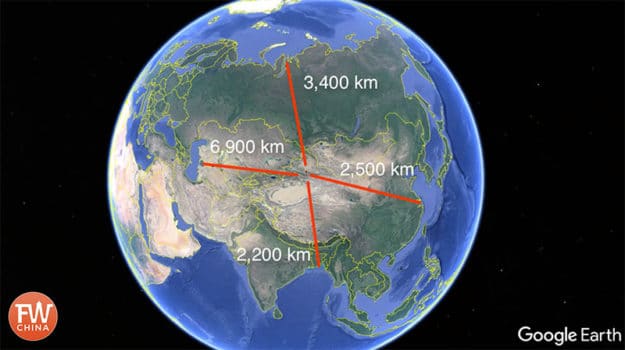
For centuries, the world has looked to different corners of the globe as centers of power, innovation, and culture. From the Roman Empire to the European Renaissance, the spotlight has shifted across continents. But today, all eyes are increasingly turning eastward. Asia, with its diverse cultures, booming economies, and technological advancements, is rapidly solidifying its position as the world’s center.

Asia isn’t a monolith. It’s a tapestry woven with vibrant threads of ancient traditions and cutting-edge technology. From the bustling streets of Tokyo to the serene landscapes of Bhutan, the continent offers a kaleidoscope of experiences. This diversity is not a weakness but a strength, fostering innovation and resilience in the face of global challenges.

But why now? What’s driving this shift in global power? Several factors are at play, each contributing to Asia’s ascendance.

  • Economic Powerhouse: Asia is home to some of the world’s fastest-growing economies. China and India, in particular, are engines of global growth, driving demand and shaping international trade. Southeast Asia, with its dynamic economies and young populations, is also emerging as a significant economic force.
  • Technological Innovation: Asia is at the forefront of technological innovation. From artificial intelligence and robotics to fintech and e-commerce, Asian companies are pushing the boundaries of what’s possible. Countries like South Korea, Japan, and Singapore are leading the way in research and development, creating new industries and transforming existing ones.
  • Cultural Influence: Asian culture is increasingly influencing global trends. From K-pop and anime to traditional medicine and cuisine, Asian arts and entertainment are captivating audiences worldwide. This cultural exchange is fostering understanding and appreciation for Asian values and perspectives.

Short-Term Impacts: Navigating a Changing Landscape

Asia’s rise has immediate implications for businesses, governments, and individuals around the world.

  • Supply Chain Disruptions: The concentration of manufacturing in Asia means that disruptions in the region can have ripple effects across the globe. The COVID-19 pandemic exposed vulnerabilities in global supply chains, highlighting the need for diversification and resilience.
  • Geopolitical Tensions: The rise of China has led to increased geopolitical tensions in the region. Disputes over territory, trade, and security are creating uncertainty and requiring careful diplomacy to manage.
  • Increased Competition: Asian companies are becoming increasingly competitive in global markets. Western businesses need to adapt and innovate to stay ahead of the curve.

Long-Term Impacts: Shaping the Future

The long-term implications of Asia’s rise are even more profound.

  • A Multipolar World: The world is moving away from a unipolar system dominated by the United States to a multipolar system with multiple centers of power. Asia will play a central role in shaping this new world order.
  • New Global Norms: Asian values and perspectives are likely to influence global norms and standards. This could lead to a shift in priorities, with greater emphasis on collectivism, sustainability, and long-term planning.
  • A More Interconnected World: Asia’s rise is accelerating the pace of globalization. Increased trade, investment, and cultural exchange are creating a more interconnected and interdependent world.

Practical Solutions: Thriving in the Asian Century

So, how can businesses, governments, and individuals navigate this changing landscape and thrive in the Asian century? Here are some practical solutions:

  1. Invest in Understanding: Take the time to understand Asian cultures, languages, and business practices. This will help you build stronger relationships and avoid costly mistakes.
    • Example: A Western company looking to expand into China should invest in cultural training for its employees and hire local experts who understand the market.
  2. Build Partnerships: Collaboration is key. Partner with Asian companies to access new markets, technologies, and expertise.
    • Example: A European technology company could partner with a South Korean manufacturer to produce and distribute its products in Asia.
  3. Embrace Innovation: Stay ahead of the curve by investing in research and development and adopting new technologies.
    • Example: A U.S. retailer could invest in e-commerce platforms and mobile payment solutions to compete with Asian online marketplaces.
  4. Diversify Supply Chains: Reduce your reliance on any single region by diversifying your supply chains.
    • Example: A clothing company could source materials from multiple countries in Asia and other parts of the world.
  5. Develop Cultural Intelligence: Cultivate the ability to adapt and thrive in diverse cultural settings. This includes being aware of your own cultural biases and learning to communicate effectively across cultures.
    • Example: A manager leading a team with members from different Asian countries should be sensitive to cultural differences in communication styles and decision-making processes.

Alternative Approaches: Tailoring Solutions to Your Needs

There is no one-size-fits-all solution to navigating the Asian century. Here are some alternative approaches you can consider:

  • Focus on Niche Markets: Instead of trying to compete head-on with established Asian companies, focus on niche markets where you have a competitive advantage.
  • Leverage Technology: Use technology to bridge cultural and geographical divides. Online translation tools, video conferencing, and social media can help you connect with people and businesses in Asia.
  • Embrace Sustainability: As Asia grows, there is increasing demand for sustainable products and services. By focusing on sustainability, you can differentiate yourself from the competition and appeal to environmentally conscious consumers.

Case Study: The Rise of Samsung

Samsung is a prime example of an Asian company that has successfully transformed itself into a global leader. Founded in South Korea in 1938, Samsung started as a trading company before diversifying into electronics in the 1960s. The company invested heavily in research and development, embraced innovation, and built strong partnerships with other companies. Today, Samsung is a global powerhouse, producing a wide range of products from smartphones and televisions to semiconductors and home appliances. Samsung’s success demonstrates the potential of Asian companies to compete and thrive in the global market.

A Call to Action: Embrace the Future

Asia’s rise is not a threat but an opportunity. By understanding the dynamics of the region, building strong relationships, and embracing innovation, you can position yourself for success in the Asian century. The future is being written in Asia, and it’s time to be a part of the story. Don’t be a passive observer; become an active participant. Invest in understanding, build partnerships, and embrace innovation. The world is changing, and Asia is leading the way. Are you ready to join the journey?

The narrative of Asia as the world’s center is not just a trend but a fundamental shift that requires attention, adaptation, and proactive engagement. By adopting the strategies and solutions outlined, we can all contribute to a more interconnected, prosperous, and culturally rich global future. The time to act is now.

“`

Indonesia: Paradise Lost?

Indonesia: Paradise Lost?Greenpeace Report Cover

Indonesia: Paradise Lost?

Introduction

Indonesia.The name conjures images of emerald rice paddies cascading down volcanic slopes, ancient temples shrouded in mist, and pristine beaches lapped by turquoise waters.It’s a land of breathtaking beauty, a vibrant tapestry woven with diverse cultures and a rich history.But beneath the surface of this tropical paradise, a concerning narrative is unfolding – is Indonesia on the path to becoming a paradise lost?

For decades, Indonesia has been riding a wave of economic growth, fueled by natural resources and a rapidly expanding middle class.But this progress has come at a cost.Deforestation, pollution, and unsustainable tourism are threatening the very foundations of its natural beauty and cultural heritage.The idyllic landscapes we envision are slowly being eroded, replaced by scenes of environmental degradation and social disruption.

So, what’s really happening in Indonesia, and what can be done to prevent the loss of this precious gem? Let’s dive in.

The Cracks in Paradise: Impacts We Can’t Ignore

The problems plaguing Indonesia aren’t just abstract environmental concerns; they have tangible, far-reaching consequences. Let’s break down some of the most pressing issues:

  • Deforestation: The Disappearing Rainforest: Indonesia’s rainforests, once vast and teeming with biodiversity, are disappearing at an alarming rate.Driven by the demand for palm oil, timber, and mining activities, this deforestation leads to habitat loss, endangering iconic species like orangutans and Sumatran tigers.Short-term, it boosts the economy through agricultural expansion.Long-term, it contributes to climate change, soil erosion, and the loss of vital ecosystem services like water purification.We see the immediate profits, but ignore the future costs.
  • Plastic Pollution: A Sea of Troubles: Walk along almost any beach in Indonesia, and you’re likely to encounter a disheartening sight: plastic waste.Indonesia is one of the world’s largest contributors to marine plastic pollution, with devastating effects on marine life and coastal ecosystems.In the short-term, cheap and readily available plastic provides convenience.Long-term, it chokes our oceans, kills marine life, and contaminates food chains.
  • Unsustainable Tourism: Loving It to Death: Bali, the crown jewel of Indonesian tourism, is a prime example of the double-edged sword of tourism.While tourism generates significant revenue and creates jobs, it also puts immense pressure on local resources, leading to overcrowding, pollution, and cultural commodification.In the short term, tourism booms bring economic benefits.In the long-term, they risk eroding the very essence of what attracts visitors in the first place.
  • Cultural Erosion: A Fading Heritage: The rapid pace of modernization and globalization threatens to dilute Indonesia’s unique cultural heritage.Traditional crafts, languages, and customs are at risk of being lost as younger generations embrace Western influences.Short term, cultural exchanges broaden perspectives.Long term, the loss of unique cultural identity diminishes the richness and diversity of Indonesian society.

Restoring Paradise: Practical Solutions for a Sustainable Future

The good news is that the situation is far from hopeless.Indonesia has the potential to reverse the damage and forge a path towards a more sustainable future.The key lies in implementing practical, well-designed solutions.

Here are some approaches that can make a real difference:

  1. Sustainable Palm Oil Production: Instead of blanket bans, focus on promoting sustainable palm oil practices.This involves implementing stricter regulations on land clearing, ensuring fair labor practices, and supporting smallholder farmers who adopt sustainable methods.
    • Example: The Roundtable on Sustainable Palm Oil (RSPO) is a certification scheme that promotes sustainable palm oil production.Supporting RSPO-certified products can help drive demand for sustainable practices.
  2. Investing in Waste Management Infrastructure: The solution to plastic pollution is not simply blaming individuals.We need to invest in robust waste management systems, including recycling facilities, composting programs, and improved waste collection services.
    • Example: Surabaya, Indonesia, has implemented a successful program where residents can exchange plastic waste for bus tickets.This incentivizes recycling and reduces plastic waste in landfills.
  3. Promoting Ecotourism and Responsible Travel: Shift the focus from mass tourism to ecotourism, which prioritizes environmental protection and cultural preservation.This involves supporting local communities, promoting sustainable accommodations, and educating tourists about responsible travel practices.
    • Example: Nihiwatu, a resort on Sumba Island, is committed to empowering local communities and preserving the island’s unique culture.The resort provides employment opportunities for local residents and supports community development projects.
  4. Empowering Local Communities: Local communities are the guardians of Indonesia’s natural and cultural heritage.By empowering them with the resources and knowledge they need, we can ensure that conservation efforts are effective and sustainable.
    • Example: The “Hutan Harapan” (Hope Forest) project in Sumatra involves empowering local communities to protect and restore degraded forest areas.The project provides training and support for community members to manage the forest sustainably.
  5. Strengthening Environmental Regulations and Enforcement: Laws and regulations are only effective if they are enforced.The Indonesian government needs to strengthen environmental regulations and crack down on illegal activities such as deforestation and illegal mining.
  6. Investing in Education and Awareness: Ultimately, creating a sustainable future for Indonesia requires a shift in mindset.Investing in education and awareness programs can help raise awareness about environmental issues and empower individuals to make more sustainable choices.

A Call to Action: Paradise Regained

Indonesia stands at a crossroads.The challenges are undeniable, but so is the potential for positive change.By embracing sustainable practices, investing in innovative solutions, and empowering local communities, Indonesia can reclaim its status as a true paradise.

This isn’t just about preserving natural beauty; it’s about creating a healthier, more equitable, and more prosperous future for all Indonesians.It’s about ensuring that future generations can experience the magic of this extraordinary archipelago.

The responsibility lies with each of us – governments, businesses, communities, and individuals.By making conscious choices in our daily lives, we can contribute to the restoration of paradise.Support sustainable businesses, reduce your plastic consumption, travel responsibly, and advocate for policies that protect the environment.

Indonesia’s future is not predetermined.It’s a future that we can shape together.Let’s choose to shape a future where paradise is not lost, but regained, stronger, and more vibrant than ever before.Let’s work together to ensure that the enchanting islands of Indonesia remain a source of wonder and inspiration for generations to come.

Japan: Beyond the Neon Glow

Japan: Beyond the Neon GlowJapan

Japan: Beyond the Neon Glow

Introduction

Japan.The name conjures up images of dazzling neon cityscapes, bullet trains slicing through picturesque landscapes, and ancient temples whispering tales of centuries past.It’s a land of fascinating contrasts, a place where cutting-edge technology and deep-rooted tradition intertwine in a unique and captivating way.But peel back the vibrant layers, and you’ll find a nation facing a challenge that threatens to dim that very glow: a rapidly aging and shrinking population.

It’s a story unfolding not just in Japan, but across many developed nations.However, Japan’s experience is particularly stark, a harbinger of potential futures and a case study in societal adaptation.Let’s step beyond the neon lights and delve into the heart of this demographic shift, exploring its impacts and, more importantly, potential solutions.

The Silent Tsunami: Understanding the Demographic Shift

For decades, Japan has enjoyed a period of unprecedented economic growth and prosperity.This success, however, has come at a price.Lower birth rates coupled with increasing life expectancy have created a demographic imbalance, where the number of elderly citizens far outweighs the younger generation.Imagine a pyramid slowly inverting, with fewer and fewer people at the bottom supporting an ever-expanding top.That’s essentially the situation Japan faces.

But why is this happening?Several factors contribute:

  • Economic Pressures: The high cost of living, coupled with job insecurity, makes raising children a daunting prospect for many young couples.
  • Changing Social Norms: Traditional values surrounding marriage and family are evolving, with more young people prioritizing careers and personal fulfillment.
  • Limited Immigration: Japan’s historically strict immigration policies have hindered the influx of younger workers who could help offset the aging population.

The Ripple Effect: Short-Term and Long-Term Impacts

The impact of this demographic shift is far-reaching and touches every facet of Japanese society.

Short-Term Impacts:

  • Labor Shortages: With fewer young people entering the workforce, businesses struggle to fill open positions.This affects productivity, innovation, and overall economic growth.Sectors like healthcare and elder care are particularly strained.
  • Increased Healthcare Costs: An aging population requires more medical care, putting immense pressure on the healthcare system and national budget.
  • Stagnant Economy: Reduced consumer spending and a shrinking workforce contribute to economic stagnation, making it harder to maintain a high standard of living.
  • Rural Decline: As young people migrate to urban centers for opportunities, rural areas are left with aging populations and dwindling infrastructure, leading to ghost towns and social isolation.

Long-Term Impacts:

  • National Debt: The burden of supporting a large elderly population with a smaller tax base could lead to unsustainable levels of national debt, jeopardizing future generations.
  • Social Security Crisis: The pension system, designed to support retirees, faces collapse as the number of contributors dwindles and the number of beneficiaries grows.
  • Erosion of Cultural Heritage: As rural communities decline, traditional arts, crafts, and cultural practices are at risk of disappearing, leading to a loss of national identity.
  • Geopolitical Implications: A shrinking and aging population could weaken Japan’s economic and military power, impacting its role in the global arena.

Illuminating the Path Forward: Practical Solutions

The challenges are undeniable, but Japan is not standing still.Recognizing the urgency of the situation, the government and private sector are actively exploring and implementing a range of solutions.

1. Embracing Automation and Technology:

  • Robotics and AI: Investing in robotics and artificial intelligence to automate tasks, fill labor shortages, and improve efficiency in various sectors, particularly healthcare and agriculture.
    • Example: Nursing homes are increasingly using robots to assist with patient care, such as lifting, bathing, and monitoring vital signs.
  • Smart Technologies: Implementing smart technologies to optimize resource management, improve infrastructure, and enhance the quality of life for elderly citizens.
    • Example: Smart homes equipped with sensors that monitor elderly residents’ health and activity levels, alerting caregivers to potential problems.

2. Empowering Women in the Workforce:

  • Equal Pay and Opportunities: Promoting equal pay and opportunities for women to encourage them to stay in the workforce and pursue leadership positions.
  • Flexible Work Arrangements: Offering flexible work arrangements, such as telecommuting and flexible hours, to help women balance work and family responsibilities.
  • Accessible Childcare: Investing in affordable and accessible childcare facilities to alleviate the burden on working parents.
    • Case Study: Companies like Shiseido are implementing comprehensive programs that support working mothers, including on-site childcare and flexible work policies, leading to increased retention and productivity.

3. Reforming Immigration Policies:

  • Targeted Immigration Programs: Implementing targeted immigration programs to attract skilled workers and address specific labor shortages in key industries.
  • Simplified Visa Processes: Simplifying visa processes and creating a more welcoming environment for foreign workers and students.
  • Integration Programs: Developing integration programs to help immigrants learn the language, understand the culture, and contribute to society.

4. Encouraging Higher Birth Rates:

  • Financial Incentives: Providing financial incentives, such as cash bonuses and tax breaks, to encourage couples to have children.
  • Subsidized Childcare: Subsidizing childcare costs to make it more affordable for parents.
  • Family-Friendly Policies: Implementing family-friendly policies, such as parental leave and flexible work arrangements, to support working parents.

5. Rethinking Retirement and Promoting Active Aging:

  • Raising the Retirement Age: Gradually raising the retirement age to keep older workers in the workforce longer and reduce the burden on the pension system.
  • Promoting Lifelong Learning: Encouraging lifelong learning and skills development to enable older workers to remain productive and adaptable.
  • Creating Age-Friendly Communities: Creating age-friendly communities that support the physical, social, and emotional well-being of elderly citizens.
    • Example: Cities like Toyama are developing compact urban areas with accessible transportation, walkable streets, and integrated healthcare facilities, making it easier for elderly residents to maintain an active and independent lifestyle.

Alternative Approaches: A Multifaceted Strategy

No single solution will solve Japan’s demographic challenge.A multifaceted strategy that combines several approaches is crucial.Here are some additional ideas:

  • Promoting Regional Revitalization: Incentivizing businesses and individuals to relocate to rural areas, creating new opportunities and revitalizing local economies.
  • Investing in Education and Skills Development: Preparing young people for the future workforce by investing in education, vocational training, and digital literacy programs.
  • Strengthening Social Safety Nets: Providing robust social safety nets to support vulnerable populations and reduce economic inequality.

A Future Illuminated: Taking Action and Inspiring Hope

The challenges facing Japan are significant, but they are not insurmountable.By embracing innovation, adapting policies, and fostering a culture of inclusivity, Japan can navigate this demographic shift and create a more sustainable and prosperous future.

The lessons learned in Japan are relevant to countries around the world facing similar demographic challenges.By understanding the impacts, exploring potential solutions, and taking proactive measures, we can all work towards building societies that are resilient, adaptable, and capable of thriving in an aging world.

The neon glow of Japan may flicker momentarily, but with ingenuity and determination, it can be rekindled, illuminating a path forward for the nation and inspiring others to create a brighter future for all.It’s a future where technology empowers, communities thrive, and the wisdom of experience is valued and celebrated.The time to act is now.

China’s Century: Reset or Ruin?

China’s Century: Reset or Ruin?China Fortune Telling Relics

China’s Century: Reset or Ruin?

Introduction

Okay,let’s be real.We’ve all heard it:”China’s rising,””China’s taking over,””The 21st century belongs to China.”For decades,this narrative has been building,painting a picture of a global power shift unlike anything we’ve seen in generations.But is this future a foregone conclusion?And more importantly,is it a future that benefits everyone?The truth is,the story of China’s ascent is far more complex,and the path ahead is riddled with potential pitfalls that could lead to a “reset” – a period of instability and adjustment – or even,dare we say,”ruin” – a scenario nobody wants.

So,ditch the dragon myths and the doomsday predictions.Let’s dive into the real issues,the potential consequences,and,most importantly,what can be done to steer this historical moment towards a more prosperous and equitable outcome for everyone.

The Short-Term: Navigating the Now

Right now,the global economy is a tangled web,and China’s threads are deeply interwoven within it.Short-term impacts of China’s actions and policies are being felt across the globe in very real ways.Think about it: supply chain disruptions caused by lockdowns,the ebb and flow of commodity prices influenced by China’s demand,and even the inflationary pressures we’re experiencing in many countries.

One immediate area of concern is China’s real estate sector.The troubles of companies like Evergrande send ripples throughout the global financial system.If China experiences a significant economic slowdown,demand for goods and services from other countries plummets,impacting jobs and growth elsewhere.We’ve already seen this play out in Australia,a major exporter of resources to China,where anxieties about slowing Chinese demand have triggered economic jitters.

Another immediate factor is geopolitical tensions.The South China Sea,Taiwan,trade wars… these aren’t abstract concepts.They have the potential to disrupt shipping lanes,spark conflict,and ultimately,impact the global economy.Imagine the scenario where tensions over Taiwan escalate.The economic consequences would be catastrophic,dwarfing anything we’ve seen with recent conflicts.

The Long-Term: Shaping the Future

Looking further down the line,the stakes become even higher.China’s long-term ambitions,technological advancements,and demographic shifts have the power to reshape the global order.

  • Technological Dominance:China is investing heavily in AI,renewable energy,and advanced manufacturing.If they achieve dominance in these key sectors,they will wield enormous economic and political power.This isn’t necessarily a bad thing,but it raises questions about fair competition,data privacy,and the potential for technological dependence.
  • Demographic Challenges:China’s one-child policy,while now abandoned,has left a lasting legacy: a rapidly aging population and a shrinking workforce.This demographic time bomb could strain social security systems,slow economic growth,and ultimately impact China’s global competitiveness.
  • Environmental Impact:China is the world’s largest emitter of greenhouse gases.Its commitment to achieving carbon neutrality is crucial,not just for its own citizens but for the entire planet.If China fails to meet its environmental targets,the consequences for climate change will be devastating.

So,Reset or Ruin? What Can Be Done?

The good news is,we’re not passive observers in this unfolding drama.There are concrete steps that can be taken to mitigate the risks and ensure that China’s rise benefits everyone:

  1. Diversify Supply Chains:Companies and countries need to reduce their dependence on a single source for critical goods and materials.This makes economic sense anyway.Instead of relying solely on Chinese manufacturing,explore alternative sourcing in Southeast Asia,Latin America,or even reshore production where feasible.The COVID-19 pandemic was a rude awakening,highlighting the vulnerability of over-reliance on a single nation for critical goods.
  2. Promote Multilateralism:International cooperation is more important than ever.We need strong international institutions,like the WTO and the UN,to provide a framework for resolving disputes,setting standards,and addressing global challenges like climate change.Countries should actively participate in these organizations and work towards reforms that make them more effective and equitable.
  3. Invest in Innovation:Western nations need to ramp up their own investments in research and development.Rather than simply playing catch-up,focus on developing cutting-edge technologies that can drive future economic growth and ensure continued competitiveness.For example,countries in the West can invest in research and innovation to improve their own technological prowess and compete with China in global markets.
  4. Foster Dialogue and Engagement:Isolation isn’t the answer.Maintaining open channels of communication with China is crucial,even when disagreements arise.Regular dialogues between governments,businesses,and civil society organizations can help to build trust,address misunderstandings,and identify areas of common interest.This includes engaging in open and honest conversations about human rights,trade practices,and geopolitical issues.
  5. Support Civil Society:Promoting freedom of expression,independent media,and a vibrant civil society within China is critical for ensuring accountability and fostering positive change from within.This could involve supporting independent journalism or providing training for Chinese lawyers and activists.This could also include supporting local organizations in China that are working to address social and environmental challenges.

Alternative Approaches: A Menu of Options

There’s no one-size-fits-all solution to navigating the complexities of China’s rise.Here are some alternative approaches to consider:

  • The “Coopetition” Model:This involves cooperating with China on areas of mutual interest,such as climate change,while simultaneously competing on economic and technological fronts.It’s a pragmatic approach that recognizes the importance of engagement while also safeguarding national interests.
  • The “Containment” Strategy:This approach focuses on limiting China’s influence and power through a combination of military alliances,economic sanctions,and diplomatic pressure.While this approach may be tempting for some,it carries significant risks of escalation and could backfire,leading to increased tensions and instability.
  • The “Values-Based Engagement” Approach:This emphasizes the importance of promoting human rights,democracy,and the rule of law in China through a combination of diplomacy,economic incentives,and targeted sanctions.This approach seeks to influence China’s internal development in a positive direction.

A Call to Action: Shaping Our Shared Future

China’s rise presents both opportunities and challenges.The future – whether it’s a “reset” or “ruin” – isn’t predetermined.By understanding the stakes,taking proactive steps,and embracing a spirit of collaboration and innovation,we can shape a future where China’s rise contributes to a more prosperous and equitable world for all.

Don’t wait for others to act.Start thinking about how your own actions – as a consumer,investor,citizen,or business leader – can contribute to a more sustainable and responsible relationship with China.Engage in informed discussions,support policies that promote international cooperation,and make choices that align with your values.The future is not something that happens to us;it’s something we create.Let’s create a future worth living in.

India: The Ticking Time Bomb of Potential

India: The Ticking Time Bomb of Potential

Introduction

Okay, let’s be honest. When you think of India, what’s the first thing that pops into your head? Maybe the vibrant colours of Holi, the tantalizing aroma of curry, or the sheer, breathtaking scale of the Taj Mahal. But beneath the surface of this dazzling tapestry lies something… complex. Something that could either catapult India into unprecedented prosperity or, if ignored, become a major roadblock. We’re talking about India’s potential – and the ticking time bomb that could prevent it from exploding into full bloom.

Think of it like this: India is a coiled spring, brimming with energy, innovation, and a youthful population. But that spring is being held back by a few critical factors, creating immense pressure. Let’s dive in and see what’s holding it back and, more importantly, what we can do about it.

Explanation of the Problem

India’s potential is undeniable. A burgeoning tech sector, a rapidly expanding middle class, and a strategic geopolitical position make it a force to be reckoned with. But before we start popping the champagne, let’s acknowledge the elephants in the room.

  • The Skill Gap: India boasts a massive youth population, a demographic dividend envied by many aging nations. However, raw numbers aren’t enough. The real question is: are these young people equipped with the skills needed to compete in the global marketplace? The answer, frankly, is often no. Many graduates lack the practical skills demanded by employers, leading to underemployment and wasted potential. This is a short-term problem because it affects productivity and innovation but a long-term problem because it can lead to social unrest and economic stagnation.
  • Infrastructure Deficiencies: Imagine trying to run a marathon with your shoelaces tied together. That’s essentially what businesses in India face. Overburdened transportation networks, inconsistent power supply, and inadequate sanitation are major impediments to growth. This not only impacts economic efficiency but also affects the quality of life for millions. We are talking about delays in transporting goods that affect businesses and unreliable water and electricity services that reduce productivity.
  • The Equality Conundrum: India is a land of stark contrasts. While some are enjoying the fruits of economic liberalization, vast swathes of the population are left behind, struggling with poverty, inequality, and lack of access to basic services. This disparity creates social tensions and limits the overall potential of the nation. This is a long-term issue that has social consequences that need to be addressed immediately.

Ignoring these challenges has serious consequences. In the short term, it translates to slower economic growth, lower productivity, and mahyong288 increased social unrest. Businesses struggle to operate efficiently, leading to job losses and reduced investment. The already stretched resources become further burdened.

But the long-term implications are even more alarming. A failure to address the skill gap could lead to a lost generation, unable to contribute meaningfully to the economy. Infrastructure bottlenecks could stifle innovation and prevent India from achieving its full potential on the global stage. And persistent inequality could exacerbate social tensions, creating instability and hindering progress.

Solutions

So, how do we tackle these challenges and unlock India’s immense potential? Here are some practical, applicable solutions:

  1. Revamping the Education System: This isn’t about tweaking the curriculum; it’s about a complete overhaul. We need to shift the focus from rote learning to practical skills development, critical thinking, and problem-solving.
    • Example: The National Skill Development Corporation (NSDC) is already working to provide vocational training and skill development programs to millions of Indians. We need to scale up these efforts and ensure that the training is aligned with industry needs.
  2. Investing in Infrastructure: We need to build better roads, railways, ports, and power grids. This requires massive investment, both from the government and the private sector.
    • Example: The Bharatmala Pariyojana project, which aims to improve India’s road network, is a step in the right direction. But we need to accelerate the pace of construction and ensure that the projects are executed efficiently.
  3. Promoting Inclusive Growth: We need to create a level playing field for all Indians, regardless of their caste, religion, or socioeconomic background. This requires targeted interventions to address poverty, inequality, and discrimination.
    • Example: The Mahatma Gandhi National Rural Employment Guarantee Act (MGNREGA) provides guaranteed employment to rural households, helping to alleviate poverty and improve livelihoods. We need to strengthen these social safety nets and ensure that they reach those who need them most.
  4. Embracing Technology: India has the potential to leapfrog traditional development models by embracing technology. We need to invest in research and development, promote innovation, and encourage the adoption of new technologies.
    • Example: The Digital India initiative aims to transform India into a digitally empowered society and knowledge economy. We need to ensure that this initiative reaches all corners of the country and that everyone has access to affordable internet and digital literacy training.

The beauty is, there isn’t a single “right” answer. Here are a few alternative approaches to consider:

  • Focus on Specific Sectors: Instead of trying to tackle everything at once, we could prioritize specific sectors that have the greatest potential for growth, such as manufacturing, tourism, or renewable energy.
  • Decentralize Decision-Making: Empowering local governments to make decisions about infrastructure development and social programs can lead to more efficient and effective outcomes.
  • Public-Private Partnerships: Leveraging the expertise and resources of the private sector can help to accelerate infrastructure development and improve the delivery of public services.

Conclusion

India stands at a crossroads. The challenges are significant, but so is the potential. By acknowledging the ticking time bomb and taking decisive action, we can unlock India’s true potential and create a brighter future for all.

This isn’t just about governments and corporations. It’s about individuals, entrepreneurs, and communities coming together to build a better India. It’s about each one of us contributing our skills, talents, and resources to the collective effort.

Think of yourself as a crucial component in this complex machine. Your actions, however small, can contribute to the overall momentum. Volunteer your time, support local businesses, advocate for change, and most importantly, believe in India’s potential.

The time to act is now. Let’s defuse the bomb and unleash the power of India. Let’s make sure that future generations look back on this moment as the turning point when India finally realized its full potential. It won’t be easy, but it will be worth it. Are you ready to be a part of the solution?

America: Reckoning.

America:Reckoning

Introduction

We’reatacrossroads,folks.Abigone.Youcanfeelitintheair,can’tyou?Asenseofunease,anaggingquestionmarkhangingovertheAmericandream.It’snotjustonething,it’saconfluenceoffactors–economicinequality,politicalpolarization,socialunrest,afeelingthattheplayingfieldisn’texactlylevel.We’renotjustfacingchallenges;we’refacingareckoning.Amomentwherewehavetolookinthemirrorandaskourselves:Arewelivinguptoourideals?Arewebuildingafutureworthyofthename?

Thisisn’tadюм-and-gloompiece.It’sanestconversation.It’saboutacknowledgingthecracksinourafoundation,understandinghowtheygotthere,andfiguringouthowtofixthem.It’saboutfacingrealityhead-on,witheyeswideopen,andthenrollingupoursleevestobuildsomethingbetter.

TheHereandNow:ImmediateImpacts

Thesignsofthisreckoningareallaroundus.Lookattheeconomy.Whilethestockmarketmightbebooming,manyAmericansarestillstrugglingtomakeendsmeet.Wageshaven’tkeptpacewithinflation,thecostofhealthcareisastronomical,andstudentloandebtiscrushingageneration.Thiseconomicstrainfuelsanxietyandresentment,contributingtosocialdivision.Theshort-termimpact?Peoplearedelayingmajorlifedecisionslikebuyinghomesorstartingfamilies.They’reworkingmultiplejobsjusttostayafloat.It’sapressurecookerenvironment,andit’stakingatollonourcollectivewell-being.

Thenthere’sthepoliticallandscape.Thedividefeelswiderthanever.Civildiscourseisoftenreplacedbyshoutingmatches,andcompromiseseemslikeadirtyword.Thispolarizationparalyzesprogressoncrucialissueslikeclimatechange,healthcarereform,andimmigration.Theimmediateeffectisgridlock,frustration,andagrowingsenseofdisillusionmentwiththepoliticalprocess.Peoplefeelunheard,ignored,andpowerless.

Andlet’snotforgetthesocialfabric.Issuesofracialinjusticeandinequalitycontinuetoplagueournation.Theeventsofrecentyearshavesparkedanationalconversationaboutsystemicbiasandtheneedforrealchange.Theimmediateimpactisheightenedawareness,butalsoincreasedtensionanddivisionasdifferentgroupsstruggletounderstandandaddressthesecondlexissues.jawabet 88

TheLongGame:RipplesintheFuture

Theshort-termimpactsareconcerning,butthelong-termconsequencesareevenmoredaunting.Ifwedon’taddresstheseissues,weriskcreatingasocietywhereopportunityislimited,socialmobilityisstagnant,andtrustininstitutionseerodespletely.

Economically,continuedinequalitycouldleadtoadeclineinconsumerspending,slowereconomicgrowth,andincreasedsocialunrest.Agenerationsaddledwithdebtandlimitedopportunitiesmaybedisengagedanddisillusioned,impactingproductivityandinnovation.

Politically,continuedpolarizationcouldleadtofurthergridlock,politicalinstability,andevenviolence.Afracturedsocietyisvulnerabletoextremismandoutsideinterference,threateningourdemocraticinstitutions.

Socially,afailuretoaddressracialinjusticeandinequalitycouldleadtoapermanentunderclass,perpetuatingcyclesofpovertyanddiscrimination.Thiswouldnotonlybemorallywrongbutalsoeconomicallyunsustainable,asitwouldlimitthepotentialofasignificantportionofourpopulation.

TurningtheTide:PracticalSolutions

So,whatcanwedo?Thisisn’taboutassigningblame;it’saboutfindingsolutions.Hereareafewpracticalapproaches,designedtobeaccessibleandimpactful:

  • InvestinginEducationandSkillsTraining:Thisisperhapsthemostfundamentalsolution.Awell-educatedandskilledworkforceisessentialforeconomicgrowthandsocialmobility.Weneedtoinvestinearlychildhoodeducation,improveourpublicschools,andmakehighereducationmoreaffordable.Furthermore,weneedtofocusonvocationaltrainingandapprenticeshipprogramsthatequippeoplewiththeskillstheyneedforin-demandjobs.
    • Example:Germany’sapprenticeshipsystem,whichbinesclassroomlearningwithon-the-jobtraining,hasbeenlaudedforitssuccessincreatingahighlyskilledworkforceandreducingyouthunemployment.Wecouldadaptandimplementsimilarprograms here.
  • StrengtheningtheSocialSafetyNet:Astrongsocialsafetynetprovidesacushionforthosewhofallonhardtimesandhelpstoreduceinequality.Thisincludesexpandingaccesstoaffordablehealthcare,increasingunemploymentbenefits,andprovidingfoodassistancetothoseinneed.Astrongersafetynetnotonlyprotectsvulnerablepopulationsbutalsohelpstostabilizetheeconomyduringrecessions.
    • Example:TheexpansionoftheAffordableCareAct(ACA)hasprovidedhealthinsurancetomillionsofAmericanswhowerepreviouslyuninsured.WhiletheACAisnotperfect,itdemonstratesthepotentialofgovernmentactiontoexpandaccesstohealthcare.
  • PromotingCivicEngagementandDialogue:Weneedtobridgethepoliticaldivideandfosteracultureofrespectfuldialogue.Thisincludesencouragingpeopletoparticipateinthepoliticalprocess,promotingmedialiteracy,andcreatingopportunitiesforpeoplefromdifferentbackgroundstogetherandsharetheirperspectives.
    • Example:Organizationslike”BraverAngels”bringtogetherpeoplewithdifferingpoliticalviewstoengageinrespectfulconversationsandfindcommonground.Theseinitiativesdemonstratethepotentialofdialoguetobridgedividesandbuildunderstanding.
  • AddressingSystemicInjustice:Weneedtoconfrontthelegacyofracialinjusticeandinequalityinoursociety.Thisincludesreformingourcriminaljusticesystem,addressingdisparitiesineducationandhousing,andpromotingdiversityandinclusioninallaspectsofsociety.
    • Example:The”BantheBox”movement,whichremovesquestionsaboutcriminalhistoryfromjobapplications,hashelpedtoreducediscriminationagainstformerlyincarceratedindividualsandgivethematsecondchance.

AlternativeApproaches:AToolkitforChange

There’snoon-size-fits-allsolution.Herearesomealternativeapproachestoconsider:

  • UniversalBasicIncome(UBI):Providingaregular,unconditionalincometoallcitizenscouldhelptoalleviatepovertyandreduceinequality.
  • TaxReform:Reformingthetaxcodetomakeitmoreprogressivecouldhelptoredistributewealthandfundpublicservices.
  • CampaignFinanceReform:Reducingtheinfluenceofmoneyinpoliticscouldhelptoleveltheplayingfieldandmakeelectedofficialsmoreaccountabletothepublic.
  • Community-BasedSolutions:Empoweringlocalmunitiestoadresstheirownchallengescanleadtomoreeffectiveandsustainablesolutions.

ACalltoAction:ThePowerofCollectiveEffort

Thechallengeswefacearesignificant,buttheyarenotinsurmountable.Wehavetheresources,theingenuity,andthespiritoovercomethem.Butitwillrequireacollectiveeffort.Itwillrequireeachoftostepupandplayourpart.

Thisisn’tjustaboutgovernmentaction.It’saboutindividualresponsibility.It’sabouttreatingeachotherwithrespect,engagingincivildiscourse,andworkingtogethertobuildabetterfutureforall.It’saboutsupportinglocalbusinesses,volunteeringinourmunities,andholdingourelectedofficialsaccountable.

Thefutureisnotpredetermined.Itisshapedbythechoiceswemaketoday.Let’schoosetobuildamorejust,equitable,andprosperousAmerica.Let’schoosetoliveuptoourideals.Let’schoosetofacethereckoningandemergestronger,moreunited,andmoredeterminedthaneverbefore.Thetimeforactionisnow.Let’sgettowork.

Economic Tsunami: Are You Ready?

Economic Tsunami: Are You Ready?Tsunami Ready

Economic Tsunami: Are You Ready?

Introduction

Picture this: You’re relaxing on a beautiful beach, enjoying the calm, serene ocean. Suddenly, a barely perceptible ripple appears on the horizon. You barely notice it. But that ripple grows, steadily, relentlessly, into a colossal wave – a tsunami – threatening to engulf everything in its path.

This, metaphorically, is where we stand with the global economy. While the sun might be shining today, whispers of an “economic tsunami” are growing louder, fueled by rising inflation, geopolitical instability, and a potential recession looming on the horizon. Are you prepared for the impact?

This isn’t about fear-mongering. It’s about informed preparedness. We’re not saying the sky is falling. Instead, we’re equipping you with the knowledge and tools to navigate potentially choppy waters and emerge stronger on the other side.

The Tsunami’s Ripple Effect: Short-Term and Long-Term Impacts

Let’s break down what this “economic tsunami” could actually mean for you, both in the immediate and the long run:

Short-Term Impacts (The Initial Surge):

  • Shrinking Budgets & Higher Costs:Inflation erodes your purchasing power. The same groceries cost more, the gas tank empties faster, and that dream vacation suddenly seems out of reach. Businesses face the same pressure, impacting profitability and potentially leading to price increases, layoffs, or hiring freezes.
  • Job Market Volatility:Economic uncertainty often triggers hiring freezes and layoffs. Competition for jobs increases, making it harder to secure new employment or negotiate better terms. This impact will be felt heavily by those in industries more sensitive to economic downturns, such as retail, construction, and discretionary spending.
  • Investment Fluctuations:The stock market can become a rollercoaster. Fear and uncertainty drive volatility, making it difficult to predict investment performance and potentially leading to losses. Real estate markets may cool down, making it harder to sell properties quickly or at desired prices.
  • Credit Crunch:Banks become more cautious with lending, making it harder to secure loans for mortgages, business expansion, or even personal needs. Interest rates rise, increasing the cost of borrowing.

Long-Term Impacts (The Lingering Effects):

  • Erosion of Savings & Wealth:Prolonged inflation coupled with sluggish investment returns can significantly erode savings and long-term wealth accumulation. Retirement plans may need to be reevaluated and adjusted.
  • Increased Economic Inequality:Economic downturns often disproportionately affect lower-income individuals and marginalized communities, exacerbating existing inequalities. Job losses, reduced access to credit, and limited safety nets can create a cycle of poverty.
  • Business Failures & Industry Consolidation:Struggling businesses may be forced to close down, leading to industry consolidation. Larger, more resilient companies may acquire smaller competitors, further concentrating economic power.
  • Shift in Consumer Behavior:People become more cautious and prioritize essential spending over discretionary purchases. Brand loyalty may decline as consumers seek out cheaper alternatives. This can lead to long-term changes in consumer habits and preferences.

Bracing for Impact: Practical Solutions for Individuals and Businesses

Now, let’s focus on what you can do to protect yourself and your future. Remember, preparation is key.

For Individuals:

  1. Fortify Your Financial Foundation:
    • Budgeting is Your Best Friend:Track your income and expenses meticulously. Identify areas where you can cut back on non-essential spending. Explore budgeting apps or spreadsheets to stay organized.
    • Emergency Fund is Non-Negotiable:Aim for 3-6 months’ worth of living expenses in a readily accessible savings account. This cushion provides a safety net in case of job loss or unexpected expenses.
    • Debt Reduction Strategy:High-interest debt is your enemy in an economic downturn. Prioritize paying down credit card debt and other high-interest loans. Explore options for debt consolidation or balance transfers.

    Example:Sarah, a marketing professional, meticulously tracked her expenses for a month and discovered she was spending a significant amount on dining out and subscription services. By cutting back on these areas, she was able to save an extra $300 per month, which she directed towards building her emergency fund.

  2. Invest Smart, Not Hard:
    • Diversification is Key:Don’t put all your eggs in one basket. Diversify your investment portfolio across different asset classes, such as stocks, bonds, and real estate.
    • Consider Value Investing:Look for undervalued companies with strong fundamentals. These companies may be more resilient during economic downturns.
    • Stay the Course:Avoid panic selling during market downturns. Focus on the long-term and resist the urge to make impulsive decisions.

    Example:John, a software engineer, diversified his investment portfolio by investing in a mix of stocks, bonds, and real estate. When the stock market experienced a significant downturn, his overall portfolio was less affected due to the diversification.

  3. Sharpen Your Skills & Adapt:
    • Continuous Learning:Invest in yourself by acquiring new skills or enhancing existing ones. Online courses, workshops, and certifications can make you more competitive in the job market.
    • Networking is Essential:Build and maintain a strong professional network. Attend industry events, connect with people on LinkedIn, and reach out to former colleagues.
    • Embrace the Gig Economy:Consider freelance or contract work to supplement your income or explore new career paths.

    Example:Maria, a retail worker, enrolled in an online course on digital marketing to enhance her skills and explore new career opportunities. She also started networking with people in the marketing industry on LinkedIn.

For Businesses:

  1. Optimize Operations & Cut Costs:
    • Efficiency Audits:Identify areas where you can streamline operations and reduce costs.
    • Negotiate with Suppliers:Explore options for negotiating better terms with your suppliers.
    • Embrace Technology:Invest in technology that can automate tasks, improve efficiency, and reduce labor costs.
  2. Strengthen Customer Relationships:
    • Focus on Customer Retention:Retaining existing customers is more cost-effective than acquiring new ones.
    • Provide Exceptional Customer Service:Go above and beyond to meet your customers’ needs and exceed their expectations.
    • Loyalty Programs:Implement loyalty programs to reward repeat customers and encourage them to stay with your business.

    Example:A local restaurant implemented a loyalty program that rewarded repeat customers with discounts and special offers. As a result, they saw an increase in customer retention and revenue.

  3. Diversify Revenue Streams:
    • Explore New Markets:Consider expanding into new markets or offering new products or services.
    • Online Sales:Invest in an online presence to reach a wider audience and generate additional revenue.
    • Subscription Models:Explore subscription-based models to create a recurring revenue stream.

Alternative Approaches: Tailoring Solutions to Your Needs

Not every solution works for everyone. Here are some alternative approaches to consider:

  • Aggressive Debt Payoff vs. Investing:Depending on your risk tolerance and financial situation, you might prioritize aggressively paying off debt over investing. The peace of mind of being debt-free can be invaluable during uncertain times.
  • Passive vs. Active Investment Management:Consider whether you prefer a hands-off approach with passive index funds or a more active approach with individual stock picking or managed portfolios.
  • Side Hustles vs. Career Pivot:Depending on your skills and interests, you might focus on building a side hustle to supplement your income or making a more significant career pivot to a more stable industry.

Conclusion: Taking Control and Building Resilience

The “economic tsunami” may seem daunting, but remember that you are not powerless. By taking proactive steps to fortify your financial foundation, enhance your skills, and adapt to the changing economic landscape, you can weather the storm and emerge stronger on the other side.

This isn’t a time for panic, but a time for action. Start small, be consistent, and focus on what you can control. Whether it’s creating a budget, building an emergency fund, or learning a new skill, every step you take will make you more resilient and better prepared to navigate the challenges ahead.

Remember, even tsunamis eventually recede. And when they do, those who have prepared diligently will be the ones who thrive. So, take a deep breath, assess your situation, and start building your ark. You’ve got this. The future is not predetermined, but shaped by the actions we take today. Let’s make those actions count.

Politics: The Art of the Deal…ing Disaster.

Politics: The Art of the Deal…ing DisasterThe Art of the Deal Book Cover

Politics: The Art of the Deal…ing Disaster

Introduction

We’ve all heard the phrase “the art of the deal,” haven’t we? It conjures up images of savvy negotiators, high-stakes boardrooms, and the thrill of closing a win-win agreement. But what happens when this art is applied to politics, that already complex and often messy arena? Sometimes, it leads to progress. Sometimes, it leads to… well, let’s just say things can get complicated. And sometimes, things spiral into what can only be described as a slow-motion disaster.

Politics, at its core, should be about serving the people, about building a better future. But the reality is often a tangled web of compromises, power plays, and short-sighted decisions that leave many feeling disillusioned. We see politicians cutting deals that seem to benefit only a select few, leaving long-term consequences to be swept under the rug. Sound familiar?

So, what exactly goes wrong? And more importantly, what can we do about it?

The Short Game vs. The Long Haul: A Recipe for Trouble

One of the biggest problems is the focus on short-term gains. Politicians are often driven by the need to win the next election, leading them to prioritize policies that offer immediate, visible results – even if those results come at the expense of long-term stability and prosperity. Think about it: a shiny new infrastructure project gets more votes than, say, investing in renewable energy, which might not pay off for another decade.

This short-term thinking manifests in various ways:

  • Ignoring the Data: Policy decisions should be data-driven, but sometimes political expediency trumps evidence-based solutions. We’ve seen this with climate change denial, where ignoring scientific consensus leads to disastrous environmental policies.
  • Kicking the Can Down the Road: Instead of tackling complex problems head-on, politicians often resort to temporary fixes, deferring the real solutions to future generations. Debt ceilings, underfunded social programs, and inadequate infrastructure investments are all prime examples.
  • The “Us vs. Them” Mentality: Divisive rhetoric and tribalism often overshadow genuine attempts at collaboration and compromise. This creates gridlock and prevents meaningful progress on critical issues.

The short-term impact might be a momentary boost in popularity or a quick win in the news cycle. But the long-term consequences can be devastating: environmental degradation, economic instability, social inequality, and a general erosion of trust in our political institutions.

Examples in Action: Learning from the Mistakes

Let’s look at a few real-world examples:

  • The 2008 Financial Crisis: Deregulation policies pushed by politicians eager to boost the economy in the short term ultimately led to a collapse of the financial system, impacting millions of lives and costing taxpayers trillions of dollars. The allure of quick economic gains overshadowed the long-term risks associated with unchecked financial institutions.
  • The Opioid Crisis: A combination of pharmaceutical company lobbying, political pressure, and a lack of regulation contributed to a widespread opioid epidemic that continues to claim lives and devastate communities. The focus on pain management and profit margins overshadowed the long-term health and social costs.
  • Brexit: The decision to leave the European Union was driven by a complex mix of factors, including nationalist sentiment and promises of greater sovereignty. However, the long-term economic and political consequences are still unfolding, and many argue that the costs outweigh the benefits.

These examples highlight the dangers of prioritizing short-term political gains over long-term societal well-being. They also demonstrate the importance of critical thinking, informed decision-making, and holding our elected officials accountable.

Solutions for a Better Future

So, what can we do to break this cycle of short-sightedness and disaster dealing? The good news is, there are practical solutions we can implement, both individually and collectively:

  1. Promote Long-Term Planning: We need to encourage politicians to adopt a longer-term perspective, focusing on sustainable solutions that benefit future generations. This can be achieved through:
    • Independent Audits: Establishing independent bodies to assess the long-term impact of proposed policies.
    • Sustainability Metrics: Incorporating sustainability metrics into government decision-making processes.
    • Civic Education: Educating citizens about the importance of long-term thinking and encouraging them to demand it from their elected officials.
  2. Embrace Evidence-Based Policymaking: Policy decisions should be based on solid evidence, not political ideology. This requires:
    • Investing in Research: Funding scientific research and data analysis to inform policy decisions.
    • Expert Consultation: Seeking advice from experts in relevant fields, regardless of their political affiliations.
    • Transparency and Open Data: Making government data publicly available to promote accountability and informed debate.
  3. Foster Civil Discourse and Collaboration: We need to move beyond the “us vs. them” mentality and create a more collaborative political environment. This can be achieved through:
    • Promoting Dialogue: Encouraging constructive conversations between people with different viewpoints.
    • Supporting Bipartisan Initiatives: Recognizing and celebrating instances of bipartisan cooperation.
    • Media Literacy: Educating citizens about media bias and promoting critical consumption of news.
  4. Hold Politicians Accountable: Ultimately, it’s up to us, the citizens, to hold our elected officials accountable for their actions. This means:
    • Voting: Exercising our right to vote and supporting candidates who prioritize long-term solutions.
    • Contacting Representatives: Communicating our concerns and demands to our elected officials.
    • Supporting Advocacy Groups: Joining organizations that advocate for responsible and sustainable policies.

Alternative Approaches:

  • Citizen Assemblies: Involve randomly selected citizens in policy deliberation and decision-making. This can inject fresh perspectives and reduce the influence of special interests. (Example: Ireland’s Constitutional Convention)
  • Ranked-Choice Voting: Allows voters to rank candidates in order of preference, promoting more moderate and representative outcomes. (Example: Maine, USA)
  • Campaign Finance Reform: Reducing the influence of money in politics can level the playing field and encourage politicians to focus on the needs of their constituents, not their donors.

Conclusion: A Call to Action: From Disaster Dealing to Sustainable Solutions

Politics, at its best, is a powerful tool for positive change. But when it’s driven by short-sightedness and self-interest, it can lead to disastrous consequences. The good news is, we have the power to change the narrative. By promoting long-term thinking, embracing evidence-based policymaking, fostering civil discourse, and holding our elected officials accountable, we can transform the art of the deal from a dealing disaster into a path towards a more sustainable and equitable future.

It won’t be easy. It will require effort, dedication, and a willingness to challenge the status quo. But the stakes are too high to remain passive. Let’s roll up our sleeves, get involved, and demand a better future for ourselves and for generations to come. The power to shape our political landscape lies within each of us. Let’s use it wisely.