Politics

Israel: Crossroads of Hope and Conflict.

Israel: Crossroads of Hope and ConflictCrossroads Image

Israel: Crossroads of Hope and Conflict

Introduction

Ever looked at a place on a map and felt a sense of history, complexity, and perhaps even a little tension radiating from it? That’s Israel for many. This tiny strip of land, nestled between the Mediterranean Sea and the Jordan River, is more than just a country; it’s a microcosm of global challenges and human aspirations, a place where ancient traditions meet cutting-edge innovation, and where hope and conflict constantly dance a complicated tango.

Why should you care about Israel? Because its story is a potent reminder that even the most intractable problems can be tackled with a blend of courage, creativity, and a willingness to bridge divides. This isn’t just about politics; it’s about understanding how societies grapple with identity, security, and the pursuit of a better future – lessons that resonate far beyond its borders.

So, buckle up as we delve into the heart of Israel, exploring the challenges it faces and, more importantly, the pathways it’s forging towards a more peaceful and prosperous future.

A Land of Layers: Understanding the Core Issues

Israel’s narrative is layered, built upon centuries of history, religious significance, and national aspirations. To truly understand the current landscape, we need to acknowledge the key factors that contribute to the ongoing tensions:

  • The Israeli-Palestinian Conflict: This is arguably the most visible and deeply rooted challenge. It revolves around competing claims to land, self-determination, and security. The core issues include borders, the status of Jerusalem, the right of return for Palestinian refugees, and the ongoing Israeli occupation of the West Bank.
    • Short-term Impacts: Cycles of violence, restricted movement, economic hardship for Palestinians, and a persistent sense of insecurity for Israelis.
    • Long-term Impacts: Erosion of trust, radicalization of viewpoints, stunted economic development, and a perpetuation of the conflict for future generations.
  • Regional Instability: Israel exists in a volatile neighborhood, surrounded by countries with varying degrees of hostility. The rise of extremist groups, proxy wars, and shifting geopolitical alliances constantly test its security and diplomatic capabilities.
    • Short-term Impacts: Increased security threats, potential for regional escalation, and the need for robust defense measures.
    • Long-term Impacts: A drain on resources, limited regional cooperation, and a constant state of alert that impacts daily life.
  • Internal Divisions: Israeli society is diverse, comprised of Jewish Israelis with varying levels of religious observance, Arab citizens, and other minority groups. This diversity, while a strength, can also lead to internal tensions, particularly regarding issues of equality, identity, and national priorities.
    • Short-term Impacts: Social friction, political polarization, and a sense of disenfranchisement among certain groups.
    • Long-term Impacts: Weakening of social cohesion, reduced economic opportunities for marginalized communities, and a threat to the fabric of Israeli democracy.

Building Bridges: Practical Solutions for a Brighter Future

While the challenges are significant, they are not insurmountable. The path towards a more hopeful future for Israel involves a multi-pronged approach that addresses the root causes of conflict and fosters a sense of shared purpose.

  1. Revitalizing the Peace Process: A two-state solution, while challenging, remains the most viable framework for resolving the Israeli-Palestinian conflict. This requires:
    • Direct Negotiations: Facilitating genuine dialogue between Israeli and Palestinian leaders, focusing on mutually acceptable solutions.
      • Example: The Oslo Accords, despite their limitations, demonstrated that direct negotiations can lead to tangible progress, even if temporary.
    • Confidence-Building Measures: Implementing steps to improve the daily lives of Palestinians, such as easing restrictions on movement and economic activity.
      • Example: Joint Israeli-Palestinian economic initiatives can foster cooperation and create opportunities for both sides.
    • International Support: Encouraging the international community to play a constructive role in facilitating negotiations and providing economic assistance.
  2. Strengthening Regional Cooperation: Building bridges with neighboring countries through diplomacy, trade, and cultural exchange can help foster a more stable and prosperous region.
    • Expanding the Abraham Accords: Normalizing relations with more Arab countries can create new opportunities for cooperation and reduce regional tensions.
      • Example: The Abraham Accords have already led to increased trade, tourism, and security cooperation between Israel and several Arab nations.
    • Addressing Shared Challenges: Working together on issues such as water scarcity, climate change, and public health can foster a sense of shared destiny.
      • Example: Joint Israeli-Jordanian projects to desalinate water and share resources can benefit both countries and promote regional stability.
  3. Promoting Inclusive Growth: Investing in education, job training, and infrastructure in underserved communities can help reduce inequality and foster a sense of belonging for all Israelis.
    • Targeted Support Programs: Providing resources to Arab citizens and other marginalized groups to help them overcome barriers to education and employment.
      • Example: Government-funded programs that offer scholarships and mentorship opportunities to Arab students can help them succeed in higher education.
    • Promoting Diversity and Inclusion: Encouraging workplaces and institutions to embrace diversity and create a welcoming environment for all.
      • Example: Companies that implement diversity and inclusion training programs can foster a more equitable and productive work environment.

Alternative Approaches to Consider

  • Confederation: A model where Israel and Palestine would share sovereignty over certain areas, such as Jerusalem, while maintaining separate states.
  • One-State Solution: A single state where Israelis and Palestinians would have equal rights, although this raises concerns about demographic balance and national identity.
  • Bottom-Up Peacebuilding: Focusing on grassroots initiatives that bring Israelis and Palestinians together to build trust and understanding.

A Call to Action: Embracing Hope, Driving Change

Israel, at its heart, is a story of resilience and determination. It’s a nation built on dreams, overcoming seemingly impossible odds. The challenges it faces today are significant, but so too is its capacity for innovation, compassion, and reconciliation.

This isn’t just about governments and politicians; it’s about each and every one of us. Whether you’re an Israeli, a Palestinian, or simply a global citizen who cares about peace and justice, you have a role to play.

Here are a few ways you can get involved:

  • Educate Yourself: Learn about the history, culture, and perspectives of all parties involved.
  • Support Peacebuilding Initiatives: Donate to organizations that are working to promote dialogue, reconciliation, and economic development.
  • Advocate for Change: Contact your elected officials and urge them to support policies that promote a just and lasting peace.
  • Engage in Dialogue: Talk to people who hold different views than you and try to understand their perspectives.

The path to peace in Israel is not easy, but it is possible. By embracing hope, fostering empathy, and working together, we can help create a future where Israelis and Palestinians can live side-by-side in peace and security. Let us choose hope over despair, collaboration over conflict, and a brighter future for all. The crossroads of hope and conflict is where opportunity begins.

Africa Rising: A Continent’s Untapped Potential.

Africa RisingAfrica Rising Image

Africa Rising:A Continent’s Untapped Potential

Introduction

Imagine a land brimming with vibrant cultures, breathtaking landscapes, and a youthful, dynamic population – a continent on the cusp of unprecedented growth. This is Africa, a region often painted with broad strokes of poverty and conflict, but increasingly recognized as the world’s next frontier. Forget the outdated narratives; we’re here to explore the real story: Africa’s rising potential and the exciting opportunities it holds.

For too long, Africa has been viewed through a lens of challenges. But beneath the surface lies a continent brimming with untapped resources, innovative spirit, and a growing middle class hungry for progress. This isn’t just about charity or aid; it’s about investment, partnership, and recognizing the immense value that Africa brings to the global table. Let’s dive into what’s driving this transformation and how you can be part of it.

The Winds of Change: What’s Fueling the Rise?

Several key factors are contributing to Africa’s surge in prominence. First, demographics. Africa boasts the youngest population globally, a demographic dividend poised to drive economic growth and innovation. This youthful energy is coupled with increasing urbanization, creating bustling hubs of commerce and opportunity.

Then there’s technology. Mobile technology penetration is exploding across the continent, leapfrogging traditional infrastructure and connecting people to information, markets, and opportunities like never before. This digital revolution is powering e-commerce, fintech, and a whole host of innovative solutions tailored to local needs.

Finally, let’s not forget natural resources. Africa is rich in minerals, oil, and arable land, resources that, when managed responsibly and sustainably, can fuel industrialization and economic diversification.

The Short-Term and Long-Term Impacts: A Double-Edged Sword

This rapid growth, however, isn’t without its challenges. The short-term impacts of rapid urbanization include increased strain on infrastructure, rising inequality, and potential social unrest. The environmental costs of resource extraction can also be significant, leading to deforestation, pollution, and displacement of communities.

Looking at the longer term, unchecked growth could exacerbate existing inequalities, creating a divide between the haves and have-nots. Climate change poses a significant threat, with many African nations particularly vulnerable to droughts, floods, and rising sea levels. Failure to address these challenges could undermine the very progress that is being made.

Turning the Tide: Practical Solutions for a Sustainable Future

So, how can Africa capitalize on its potential while mitigating the risks? Here are some practical solutions that can be implemented to foster sustainable and inclusive growth:

  • Investing in Education and Skills Development: A skilled workforce is crucial for driving innovation and attracting investment. Programs that focus on STEM education, vocational training, and entrepreneurship can empower young people to participate in the modern economy.
    • Example: The Mastercard Foundation Scholars Program provides scholarships to talented African students, enabling them to pursue higher education and contribute to their communities.
  • Promoting Good Governance and Transparency: Strong institutions, accountable leadership, and transparent regulatory frameworks are essential for creating a stable and predictable investment climate.
    • Example: Rwanda’s focus on good governance and anti-corruption measures has made it one of the most attractive investment destinations in East Africa.
  • Developing Sustainable Infrastructure: Investing in reliable energy sources, efficient transportation networks, and robust digital infrastructure is crucial for connecting businesses, facilitating trade, and improving the quality of life for citizens.
    • Example: The Grand Ethiopian Renaissance Dam, despite its controversies, is set to become Africa’s largest hydroelectric power plant, providing much-needed electricity to the region.
  • Supporting Small and Medium-Sized Enterprises (SMEs): SMEs are the engine of job creation and economic growth. Providing them with access to finance, training, and markets can unlock their potential to drive innovation and create opportunities for millions.
    • Example: The Tony Elumelu Foundation Entrepreneurship Programme provides seed funding, mentorship, and training to thousands of African entrepreneurs, helping them to start and scale their businesses.
  • Leveraging Technology for Development: Technology can be used to address a wide range of challenges, from improving healthcare and education to promoting financial inclusion and increasing agricultural productivity.
    • Example: M-Pesa, a mobile money platform in Kenya, has revolutionized financial inclusion, allowing millions of people to access financial services through their mobile phones.

Alternative Approaches: Tailoring Solutions to Local Contexts

It’s important to recognize that there is no one-size-fits-all solution for Africa. Different countries and regions face different challenges and have different strengths. Therefore, it’s crucial to tailor solutions to local contexts.

  • Public-Private Partnerships (PPPs): PPPs can leverage the expertise and resources of both the public and private sectors to develop infrastructure projects and deliver essential services. This approach can help to reduce the burden on governments and accelerate development.
  • South-South Cooperation: Learning from the experiences of other developing countries, particularly those in Asia and Latin America, can provide valuable insights and lessons for Africa. Sharing knowledge and best practices can help to accelerate progress and avoid common pitfalls.
  • Community-Based Development: Empowering local communities to participate in development planning and implementation can ensure that projects are aligned with local needs and priorities. This approach can also promote ownership and sustainability.

A Call to Action: Be Part of the African Renaissance

Africa’s rise is not just a story of economic growth; it’s a story of human potential, resilience, and innovation. It’s a story that’s still being written, and you can be a part of it. Whether you’re an investor, an entrepreneur, a student, or simply someone who believes in the power of human potential, there are countless ways to contribute to Africa’s transformation.

Do your research, seek out opportunities, and engage with the continent in a respectful and sustainable way. Support African businesses, invest in African talent, and advocate for policies that promote inclusive growth. The future of Africa is bright, and by working together, we can ensure that it reaches its full potential. The time to act is now. Let’s build a future where Africa thrives, not just for the benefit of Africans, but for the benefit of the entire world.

This is more than just a continent rising; it’s a new era dawning. Are you ready to be a part of it?

Asia: The Next World Order

Asia:TheNextWorldOrderBook Cover

Asia:TheNextWorldOrder

Introduction

Okay,let’stalkaboutsomethingbig.Reallybig.Forgetwhatyouthinkyouknowaboutglobalpowerdynamics,becausethescriptisbeingrewritten,andAsiaisholdingthepen.Forcenturies,theWesthasdominatedtheglobalstage.Butthewindsureshifting,andanewworldorderisemerging,onewhereAsiaisnolongerjustaplayerbutapotentialarchitect.

Arewetalkingaboutsomedistantfuture?Nope.Thisisn’tasci-fimovie;it’shappeningrightnow,unfoldinginfrontofoureyes.Frombustlingtechhubstorapidlyexpandingeconomies,Asia’sinfluenceisalreadyshapingeverythingfromyoursmartphonetotheclothesyou’rewearing.Butwhatdoesthisactuallymeanforyou,forbusinesses,forthefutureoftheworld?Buckleup,becausewe’redivingdeepintotheheartofAsia’sriseandwhatitmeansforeveryone.

TheRisingTide:WhyAsiaisDominating

It’snotjustpopulationsize(althoughthat’asignificantfactor!).It’saconfluenceoffactors,aperfectstormofopportunitymeetingstrategicambition.We’retalking:

  • EconomicPowerhouse:China,India,Japan,SouthKorea-theseyouaren’tjustcountries;they’reeconomicbehemoths.They’redrivingglobalgrowth,leadinginnovation,andreshapingsupplychains.Thinkaboutit:wherearemostofyourelectronicsmanufactured?Where’sthefastest-growingconsumermarket?Theanswerisoverwhelmingly,Asia.
  • TechnologicalInnovation:ForgettheoutdatedimageofAsiaasamanufacturinghubchurningoutcheapgoods.Today,it’sabreedinggroundforcutting-edgetechnology.FromAIandroboticstofintechandrenewableenergy,Asiancompaniesareattheforefrontofinnovation.JustlookattheriseofcompanieslikeTencent,Alibaba,andSamsung–they’renotjustcompetingwithWesterngiants;inmanycases,they’resurpassingthem.
  • StrategicInvestments:Asiannationsareinvestingheavilyininfrastructure,education,andresearchanddevelopment.They’replayingthelonggame,layingthefoundationforsustainedgrowthandglobalinfluence.TheBeltandRoadInitiative,forexample,isamassiveinfrastructureprojectspearheadedbyChina,aimedatconnectingAsia,Africa,andEuropethroughanetworkofroads,railways,andports.

Short-TermImpacts:FeelingtheRipplesToday

TheriseofAsiaisn’taslowburn;we’realreadyfeelingitseffects:

  • SupplyChainDisruptions:RemembertheinitialpanicoftheCOVID-19pandemic?MuchofthatstemmedfromdisruptionstosupplychainsheavilyreliantonAsianmanufacturing.Thishasforcedcompaniestorethinktheirsourcingstrategiesandexplorediversification.
  • ShiftingConsumerMarkets:WesternbrandsareincreasinglycateringtoAsianconsumers,recognizingtheirgrowingpurchasingpoweranduniquepreferences.We’reseeingmoreAsianrepresentationinadvertising,tailoredproductsdesignedforAsianmarkets,andagreaterfocusonunderstandingAsiancultures.
  • IncreasedGeopoliticalCompetition:TheUSandChinaarelockedinacomplexpowerstruggle,impactingeverythingfromtradepoliciestotechnologicaladvancements.Thiscompetitionisreshapingglobalalliancesandcreatingnewopportunitiesandchallengesforbusinessesandgovernmentsworldwide.

Long-TermImpacts:ReshapingtheFuture

Lookingahead,thelong-termimpactsofAsia’sriseareevenmoreprofound:

  • AMultipolarWorld:TheeraofWesterndominanceisfading,givingwaytoamultipolarworldwherepowerismoreevenlydistributed.Thiswillrequirenewformsinternationalcooperationanddiplomacy.
  • TheRiseoftheAsianMiddleClass:AsincomesriseinAsia,we’llseeamassiveexpansionofthemiddleclass,creatingnewmarketsanddrivingglobaldemandforgoodsandservices.
  • TechnologicalLeapfrogging:Asiannationsareadoptingnewtechnologiesatanunprecedentedrate,potentiallyleapfroggingtheWestinareaslikemobilepayments,renewableenergy,andsmartcities.
  • CulturalInfluence:FromK-poptOanime,Asiancultureisgainingincreasingglobalinfluence,shapingtrendsinmusic,fashion,andentertainment.

NavigatingtheNewWorldOrder:SolutionsandStrategies

So,howdowenavigatethisnewworldorder?Herearesomepracticalsolutionsandstrategies:

  • DiversifyYourSupplyChains:Don’tputallyoureggsinonebasket.ExplorealternativesourcingoptionsinSoutheastAsia,LatinAmerica,orevenreshoresomeproductionbacktoyourhomecountry.
    • Example:Manycompanies,previouslyreliantonChinesemanufacturing,arenowexploringVietnamandIndiaasalternativemanufacturinghubs.
  • EmbraceDigitalTransformation:Investintechnologiesthatcanhelpyoustreamlineyouroperations,improveefficiency,andconnectwithnewmarkets.
    • CaseStudy:ManySmallBusinessesinSoutheastAsiauseddigitaltransformationtoreachnewmarketsegmentsandstayafloatduringtheCOVID-19pandemic
  • InvestinCross-CulturalTraining:EquipyouremployeeswiththeskillsandknowledgetheyneedtoworkeffectivelywithAsianpartnersandcustomers.Understandingculturalnuancescanbethedifferencebetweensuccessandfailure.
    • Example:CulturalSensitivitytrainingsforcompaniesexpandingbusinessintoAsia
  • BuildStrategicPartnerships:CollaboratewithAsiancompaniesandorganizationstogainaccesstonewmarkets,technologies,andexpertise.
    • Example:Technologystartupspartneredwithmajormanufacturingcompanies
  • StayInformed:KeepabreastofthelatestdevelopmentsinAsiaandunderstandthepolitical,economic,andsocialforcesshapingtheregion.
    • Solution:Newslettersandindustry-specificarticlesforAsianeconomicdevelopment.

AlternativeApproaches:AdaptingtoDifferentSituations

Thebestapproachwilldependonyourspecificcircumstances.Herearesomealternativeoptions:

  • FocusonNicheMarkets:Insteadoftryingtocompetehead-to-headwithAsiangiants,identifynichemarketswhereyoucanofferspecializedproductorservices.
  • DevelopUniqueValuePropositions:Differentiateyourselfbyofferingsuperiorquality,customerservice,orinnovation.
  • EmbraceSustainability:Asianconsumersareincreasinglydemandingsustainableproductsandpractices.Byprioritizingsustainability,youcangainacompetitiveedge.

Conclusion

TheriseofAsiaisnotathreat;it’sanopportunity.It’sachancetolearn,grow,andinnovate.It’sachancetobuildnewpartnerships,explorenewmarkets,andcreateamoreprosperousfutureforall.

Yes,therewillbechallenges.Therewillbecompetition.Butbyembracingtheprinciplesofadaptability,collaboration,andinnovation,wecanallthriveinthisnewworldorder.

So,don’tbefraid.Becurious.Bebold.Asiaisrising,andthefutureishere.Areyoureadytobeapartofit?Takeactiontoday,becausetheworldwon’twaitforyou.Startresearching,startnetworking,startplanning.Thetimetoactisnow.

Indonesia: Archipelago of Extremes

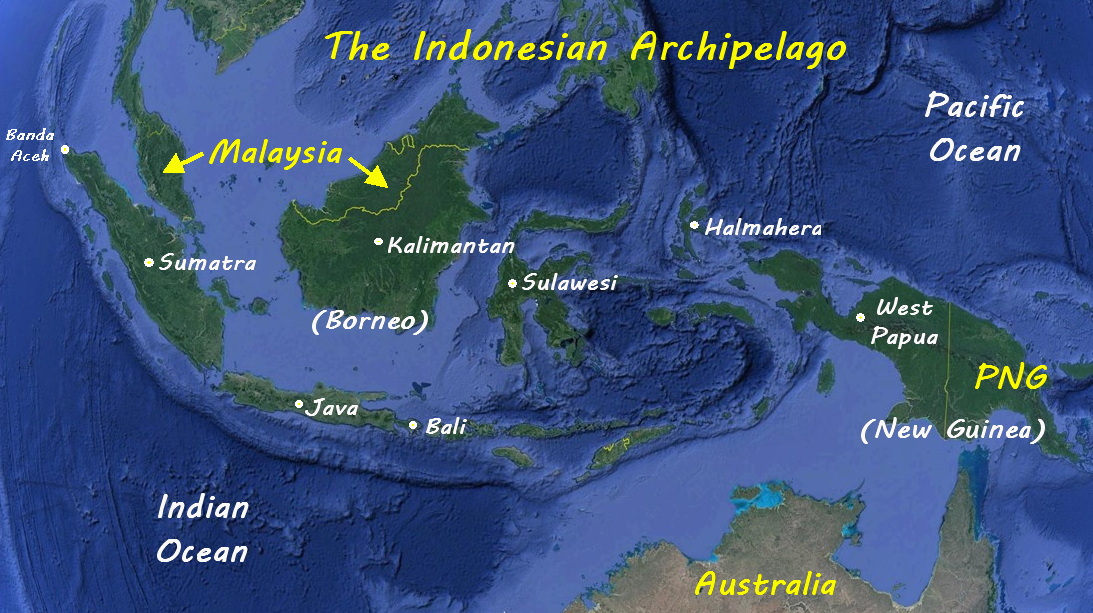
Indonesia:Archipelago of ExtremesIndonesia Map

Indonesia: Archipelago of Extremes

Introduction

Imagine a place where the earth breathes fire, where emerald rice paddies meet turquoise seas, and where the call to prayer echoes from bustling cities to remote tribal villages. That place is Indonesia, a nation of staggering beauty and immense complexity, an archipelago stretching across three time zones and home to over 17,000 islands. But beneath this vibrant tapestry lies a stark reality: Indonesia is a land of extremes, a nation grappling with both breathtaking opportunities and daunting challenges.

What makes Indonesia such a unique case study? Picture this: it’s the world’s largest archipelago, blessed with unparalleled biodiversity, yet simultaneously struggling with deforestation and pollution on a massive scale. It’s a rising economic power, brimming with entrepreneurial spirit, yet battling inequality and widespread poverty. It’s a nation rich in cultural heritage, a melting pot of ethnicities and religions, yet faces the constant threat of social division and extremism.

These contrasts aren’t just academic talking points; they’re woven into the everyday lives of Indonesians, shaping their experiences and impacting the nation’s future. Understanding these extremes is crucial, not just for those interested in Southeast Asia, but for anyone seeking insights into the complexities of a rapidly developing world.

The Double-Edged Sword: Economic Growth vs. Environmental Degradation

Indonesia’s economic rise is a remarkable story. Fueled by natural resources, manufacturing, and a burgeoning middle class, the country has experienced significant growth in recent decades. But this progress has come at a steep environmental cost.

Short-term impacts:

The immediate benefits of economic expansion are undeniable – jobs, infrastructure development, and improved living standards for some. However, the rapid exploitation of natural resources, such as timber, minerals, and palm oil, has led to widespread deforestation, habitat loss, and increased greenhouse gas emissions. Jakarta, the nation’s capital, is notorious for its air pollution, a direct consequence of industrial growth and traffic congestion.

Long-term impacts:

The long-term consequences are even more alarming. Deforestation contributes to climate change, increasing the frequency and intensity of natural disasters like floods and droughts. These events disproportionately affect vulnerable communities, often wiping out livelihoods and exacerbating poverty. Furthermore, the loss of biodiversity threatens Indonesia’s unique ecosystems and the valuable resources they provide. The over-extraction of groundwater in cities like Jakarta is causing land subsidence, literally sinking parts of the city and raising the risk of coastal flooding.

Bridging the Divide: Poverty, Inequality, and Social Cohesion

Indonesia’s economic gains haven’t been evenly distributed. While a significant portion of the population has joined the middle class, a large segment remains trapped in poverty, particularly in rural areas and eastern islands. This disparity fuels social tensions and creates a breeding ground for extremism.

Short-term impacts:

High levels of income inequality contribute to social unrest and crime. Marginalized communities often feel excluded from the benefits of economic growth, leading to resentment and frustration. The lack of access to education, healthcare, and economic opportunities perpetuates the cycle of poverty, limiting social mobility and hindering national development.

Long-term impacts:

The long-term consequences of inequality are far-reaching. It undermines social cohesion, making it harder to build a strong and united nation. It creates fertile ground for radical ideologies that exploit grievances and promise solutions, often through violence and intolerance. The increasing gap between the rich and the poor can lead to political instability, hindering economic progress and jeopardizing social harmony.

Navigating the Archipelago: Practical Solutions for a Sustainable Future

Addressing these challenges requires a multi-faceted approach, focusing on sustainable development, inclusive growth, and promoting social cohesion. Here are some practical solutions that can make a real difference:

  1. Sustainable Resource Management:
    • Strengthening Environmental Regulations: Enforce stricter regulations on deforestation, pollution, and resource extraction. Implement carbon pricing mechanisms to incentivize businesses to reduce their emissions.
    • Promoting Reforestation and Conservation: Invest in large-scale reforestation projects, focusing on native species. Establish protected areas to conserve biodiversity and ecosystem services.
    • Supporting Sustainable Agriculture: Encourage sustainable farming practices that minimize environmental impact and improve soil health. Promote organic farming and agroforestry.
  2. Inclusive Economic Growth:
    • Investing in Education and Skills Development: Provide access to quality education and vocational training for all Indonesians, particularly those from disadvantaged backgrounds.
    • Promoting Small and Medium Enterprises (SMEs): Support the growth of SMEs through access to financing, training, and technology. SMEs are crucial for job creation and economic diversification.
    • Strengthening Social Safety Nets: Implement comprehensive social safety nets to protect vulnerable populations from economic shocks and ensure access to basic necessities.
  3. Fostering Social Cohesion:
    • Promoting Inter-Religious Dialogue: Encourage dialogue and understanding between different religious and ethnic groups to foster tolerance and mutual respect.
    • Strengthening Civil Society: Support the role of civil society organizations in promoting social justice, human rights, and good governance.
    • Combating Extremism: Address the root causes of extremism by promoting education, economic opportunity, and social inclusion.

Alternative Approaches:

  • Community-Based Conservation: Empower local communities to manage and protect natural resources. This approach recognizes that local communities have a vested interest in preserving their environment and can be effective stewards of natural resources.
  • Green Finance: Attract private investment in sustainable development projects. Green bonds, impact investing, and other innovative financing mechanisms can help mobilize capital for environmental and social initiatives.
  • Digital Inclusion: Leverage technology to bridge the gap between urban and rural areas. Provide access to internet connectivity and digital literacy programs to empower marginalized communities.

Indonesia’s Future: A Call to Action

Indonesia stands at a crossroads. The choices it makes today will determine its future for generations to come. The challenges are significant, but so are the opportunities. By embracing sustainable development, promoting inclusive growth, and fostering social cohesion, Indonesia can overcome its extremes and build a more prosperous and equitable future for all its citizens.

The journey won’t be easy. It will require commitment, innovation, and collaboration from all stakeholders – government, businesses, civil society, and individuals. But the potential rewards are immense. Imagine an Indonesia where economic growth is balanced with environmental protection, where prosperity is shared by all, and where diversity is celebrated as a source of strength.

This vision is within reach. But it requires action. Start by becoming informed. Engage in conversations. Support organizations that are working to make a difference. Every small step contributes to a larger movement. Let’s work together to build a brighter future for Indonesia, an archipelago where the extremes are balanced and the potential is unleashed. The time to act is now.

Japan: Beyond the Cherry Blossoms.

“`html
JapanJapan: Beyond the Cherry Blossoms

Japan: Beyond the Cherry Blossoms

Introduction

Ah, Japan. The land of the rising sun, ancient temples, and, of course, the iconic cherry blossoms. Mention Japan, and visions of delicate pink petals fluttering in the spring breeze likely dance in your head. But Japan is so much more than just its fleeting floral beauty. Peel back the layers, and you’ll discover a nation grappling with fascinating challenges and championing innovative solutions that offer valuable lessons for the world.

Forget the predictable travel brochure fodder for a moment. We’re diving into the heart of a demographic shift that’s reshaping Japanese society and influencing its future: the aging population and declining birth rate. It’s a challenge that’s not unique to Japan, but the nation’s experience offers crucial insights and potential pathways for other countries facing similar demographic headwinds.

The Graying Archipelago: A Two-Sided Coin

Japan boasts one of the longest life expectancies globally, a testament to its excellent healthcare, healthy diet, and societal emphasis on well-being. That’s the good news. The flip side? A rapidly aging population coupled with a persistently low birth rate creates a demographic imbalance with significant short-term and long-term consequences.

Short-Term Squeeze:

  • Labor Shortage: Imagine a company struggling to find skilled workers to fill open positions. That’s the reality across numerous sectors in Japan. From manufacturing and healthcare to construction and hospitality, the lack of young entrants into the workforce puts immense pressure on existing employees and hinders economic growth.
  • Strain on Social Security: With fewer working-age individuals contributing to the social security system and a growing number of retirees drawing benefits, the financial sustainability of the system is under threat. This leads to debates about raising the retirement age, increasing taxes, or cutting benefits – all politically sensitive decisions.
  • Increased Healthcare Costs: An aging population naturally requires more healthcare services. Hospitals and care facilities face increased demand, leading to longer wait times and potentially impacting the quality of care. The financial burden on the healthcare system is significant and requires creative solutions.

Long-Term Repercussions:

  • Shrinking Economy: A shrinking population translates to a shrinking domestic market. Businesses may struggle to find customers, leading to reduced investment and slower economic growth. This can create a vicious cycle, discouraging younger generations from starting families due to economic uncertainty.
  • Rural Depopulation: The trend is even more pronounced in rural areas, where younger generations often migrate to urban centers in search of better opportunities. This leaves behind aging communities with dwindling populations and limited access to services, further exacerbating the problem.
  • Cultural Impact: As the older generation becomes the dominant demographic, there’s a risk of cultural stagnation. Fewer young people may lead to a decline in innovation, creativity, and the preservation of traditional values.

Navigating the Demographic Minefield: Practical Solutions for a Sustainable Future

The good news is that Japan isn’t passively accepting its demographic destiny. The nation is actively exploring and implementing a range of solutions to address these challenges. Here are a few key approaches that offer valuable lessons for other countries:

  1. Embracing Technology and Automation:
    • Robotics in Healthcare and Elder Care: Japan is a leader in robotics, and the application of robots in healthcare and elder care is rapidly expanding. Robots can assist with tasks such as lifting patients, monitoring vital signs, and providing companionship, freeing up human caregivers to focus on more complex tasks. Example: SoftBank Robotics’ Pepper robot is used in some nursing homes to engage with residents and provide entertainment.
    • Automation in Manufacturing and Agriculture: Automating repetitive tasks in manufacturing and agriculture can help offset labor shortages and increase efficiency. This includes using robots for assembly line work, automated harvesting systems, and precision agriculture techniques. Example: Fanuc, a Japanese robotics company, provides automation solutions for various industries, helping them improve productivity and reduce their reliance on human labor.
  2. Promoting Female Workforce Participation:
    • Creating a Supportive Work Environment: Japan is actively working to create a more supportive work environment for women, including providing childcare support, flexible work arrangements, and promoting equal pay. Example: The “Womenomics” policy aims to empower women in the workforce by increasing their participation in management positions and providing access to childcare services.
    • Changing Workplace Culture: Addressing traditional gender roles and promoting a more inclusive workplace culture is crucial for attracting and retaining female talent. This includes challenging stereotypes and ensuring that women have equal opportunities for advancement.
  3. Encouraging Immigration:
    • Easing Immigration Restrictions: While Japan has historically been hesitant to embrace immigration, there’s a growing recognition that attracting skilled workers from abroad is essential to address labor shortages. The government is gradually easing immigration restrictions and creating pathways for foreign workers to obtain visas and permanent residency.
    • Integrating Immigrants into Society: Providing language training, cultural orientation programs, and support services for immigrants can help them integrate into Japanese society and contribute to the economy.
  4. Investing in Education and Training:
    • Reskilling and Upskilling Programs: Investing in education and training programs can help workers acquire the skills needed for the jobs of the future. This includes providing opportunities for mid-career workers to reskill and upskill in areas such as technology and data science.
    • Promoting Lifelong Learning: Encouraging lifelong learning can help individuals stay competitive in the workforce and adapt to changing economic conditions. This includes providing access to online courses, workshops, and other learning opportunities.
  5. Supporting Families and Increasing Birth Rates:
    • Providing Financial Incentives: Offering financial incentives for families with children, such as childcare subsidies and tax breaks, can help offset the cost of raising children and encourage couples to have more kids.
    • Creating a Family-Friendly Society: Creating a more family-friendly society includes providing affordable childcare, flexible work arrangements, and parental leave policies that allow both parents to balance work and family responsibilities.

Looking Ahead: A Call to Action

Japan’s demographic challenges are a stark reminder that population trends can have profound and lasting impacts on society and the economy. While the challenges are significant, Japan’s proactive approach and innovative solutions offer valuable lessons for other countries facing similar demographic shifts.

The key takeaway is that there’s no single silver bullet. A multifaceted approach that combines technological innovation, policy reforms, and societal shifts is essential to navigate these complex challenges successfully.

Whether you’re a policymaker, business leader, or simply a concerned citizen, now is the time to learn from Japan’s experience and take action to address demographic challenges in your own community. By embracing innovation, promoting inclusivity, and investing in the future, we can create a more sustainable and prosperous world for all.

So, the next time you think of Japan, remember that it’s more than just cherry blossoms. It’s a nation at the forefront of navigating some of the most pressing challenges facing the world today, and its journey offers valuable insights for us all. Let’s learn from their experiences and work together to build a brighter future.


“`

China’s Century: Crucible of Power.

China’s Century: Crucible of PowerShanghai 1937

China’s Century: Crucible of Power

Introduction

Okay, let’s be honest. When you hear “China,” what’s the first thing that pops into your head? Manufacturing giant? Tech innovator? Geopolitical chess master? Whatever it is, one thing’s for sure: China’s presence on the world stage is undeniable, and its influence is only growing. The 21st century is increasingly being dubbed “China’s Century,” but this rise isn’t a simple, linear narrative. It’s a crucible, a forge where power is being shaped and tested, creating both incredible opportunities and daunting challenges for the world.

Forget the dry, academic reports. We’re diving into the heart of China’s ascent, exploring the forces at play, and figuring out what it all means for you, me, and the future of global affairs.

The Here and Now: A Snapshot of Power

Right now, China is a whirlwind of activity. Its economy, while facing some headwinds, remains a powerhouse. Its technological advancements, particularly in areas like AI, 5G, and renewable energy, are pushing the boundaries of innovation. Its military is modernizing rapidly, projecting power across the region.

But this isn’t just about numbers and hardware. China’s cultural influence is also expanding. From the proliferation of Mandarin language learning to the popularity of Chinese cuisine and entertainment, China is actively shaping global tastes and perspectives.

The Ripples: Short-Term Impacts We’re Already Seeing

This growing power has immediate, tangible effects on our daily lives. Think about the supply chain disruptions we’ve all experienced in recent years. Much of it stems from China’s central role in global manufacturing. Similarly, the price of electronics, clothing, and countless other consumer goods is directly influenced by Chinese production costs and trade policies.

Beyond the economic realm, China’s assertive foreign policy is reshaping international alliances and creating new geopolitical fault lines. The South China Sea dispute, China’s growing relationship with Russia, and its stance on Taiwan are all flashpoints that could have significant short-term consequences for global stability.

Looking Ahead: Long-Term Impacts and the Big Questions

Now, let’s zoom out and consider the long game. What are the long-term implications of China’s rise?

  • A Shift in the Global Order: For decades, the United States has been the undisputed global superpower. China’s ascent challenges this established order, potentially leading to a more multipolar world where power is more evenly distributed.
  • The Future of Innovation: China is investing heavily in research and development, aiming to become a global leader in cutting-edge technologies. This could lead to breakthroughs in areas like artificial intelligence, biomedicine, and sustainable energy, but also raises concerns about technological dominance and ethical considerations.
  • Competing Models of Governance: China’s state-led capitalism offers a different model of economic development compared to the Western liberal model. The success or failure of this approach could influence the choices other developing countries make about their own economic and political systems.
  • The Environment: As the world’s largest emitter of greenhouse gases, China’s actions on climate change will be crucial to addressing the global climate crisis. Its commitment to clean energy and sustainable development will have a profound impact on the planet’s future.

Navigating the Crucible: Solutions and Strategies

So, what can we do to navigate this complex landscape and ensure a future where China’s rise benefits everyone? Here are some practical solutions, applicable at different levels:

  1. Diversify Supply Chains:
    • The Problem: Over-reliance on a single source for critical goods leaves businesses vulnerable to disruptions.
    • The Solution: Actively diversify supply chains, exploring alternative manufacturing hubs in Southeast Asia, India, and even reshoring production to developed economies.
    • Example: During the COVID-19 pandemic, many companies realized their dependence on Chinese suppliers. Some are now investing in factories in Vietnam and Mexico to reduce their reliance on a single source.
  2. Invest in Education and Innovation:
    • The Problem: To compete effectively, countries need to develop a skilled workforce and foster a culture of innovation.
    • The Solution: Increase investment in STEM education, support research and development, and encourage entrepreneurship.
    • Example: South Korea’s transformation into a tech powerhouse is a testament to the power of investing in education and innovation. The country heavily subsidized its tech companies, providing access to funding and resources needed to compete globally.
  3. Strengthen International Cooperation:
    • The Problem: Global challenges like climate change, pandemics, and economic instability require international cooperation.
    • The Solution: Work with allies and partners to address common challenges, promote free and fair trade, and uphold international law.
    • Example: The Paris Agreement on climate change is a prime example of international cooperation. It brings together nations to reduce their emissions and mitigate the impact of climate change.
  4. Engage with China Constructively:
    • The Problem: Isolating China is not a viable strategy. Dialogue and engagement are necessary to address disagreements and find common ground.
    • The Solution: Maintain open channels of communication, engage in diplomatic negotiations, and seek opportunities for collaboration on issues of mutual interest.
    • Example: Despite tensions over trade and human rights, the United States and China continue to cooperate on issues like North Korea’s nuclear program and combating drug trafficking.
  5. Promote Transparency and Accountability:
    • The Problem: Lack of transparency and accountability in China’s economic and political system creates uncertainty and distrust.
    • The Solution: Advocate for greater transparency in Chinese government policies, promote human rights, and support independent media.
    • Example: International organizations like Amnesty International and Human Rights Watch play a vital role in monitoring human rights conditions in China and holding the government accountable.

Alternative Approaches: A Menu of Options

Not every solution will work for every situation. Here are a few alternative approaches to consider:

  • For businesses: Consider adopting a “China + 1” strategy, where you maintain a presence in China but also diversify your operations to another country to mitigate risk.
  • For governments: Explore bilateral and multilateral trade agreements that promote fair trade practices and protect intellectual property.
  • For individuals: Educate yourself about China, its history, and its culture. Engage in respectful dialogue and challenge misinformation.

Conclusion

China’s rise presents both significant challenges and incredible opportunities. By understanding the dynamics at play, diversifying our strategies, and fostering constructive engagement, we can navigate this complex landscape and create a future where China’s growth contributes to global prosperity and stability.

The 21st century will be shaped by how we respond to China’s rise. It’s not about fearing the future; it’s about shaping it. It’s about understanding the crucible of power and using it to forge a better world for all.

So, take action. Start a conversation. Support businesses that are promoting ethical practices. Engage with your elected officials and advocate for policies that promote international cooperation. The future is not predetermined; it’s being written right now. And you have a role to play.

India: The Unfolding Century.


India:TheUnfoldingCenturyCourting India Book Cover

India:TheUnfoldingCentury

Introduction

Everfeltlikeyou’rewatchingatime-lapseofaflowerblooming,butatthescaleofanation?That’sIndiarightnow.Alandofancienttraditionscollidinghead-onwithbreakneckmodernization,abillion-plusdreamssimmeringbeneathacanopyofchallenges.Thisisn’tjustaboutspicyfoodandvibrantsaris;thisisaboutasleepinggiantawakening,reshapingthegloballandscapeonecalculatedstepatatime.Buckleup,becausewe’redivingintotheexciting,complex,andoftenparadoxicalunfoldingofIndiainthe21stcentury.

ThePromise&TheParadox:ABalancingAct

India’spotentialisundeniable.Demographically,it’sapowerhouse.Ayoungworkforce,aburgeoningmiddleclasshungryforconsumption,andarapidlygrowingtechsectorarethekeyingredientsforexplosivegrowth.Weseethispotentialsplashedacrossheadlinesdaily:record-breakingGDPgrowthrates,ambitiousinfrastructureprojects,andadigitalrevolutionconnectingthefarthestcornersofthecountry.Thesheerscaleofambitionisbreathtaking.

Butlet’snotsugarcoatthings.Thisrapidgrowthcomeswithitsfairshareofgrowingpains.Thestarkrealityisthatprosperityisn’tevenlydistributed.Thechasmbetweenthehavesandhave-notsremainsasignificanthurdle.Issueslikepoverty,inadequateinfrastructure,andenvironmentaldegradationarenotrelicsofthepast;theyarepressingchallengesdemandingimmediateattention.Thinkofitlikeahigh-speedtrainrunningontracksthatstillneedsignificantupgrades–exhilarating,butpotentiallyrisky.

Short-TermStumbles,Long-TermLeaps?

Intheshortterm,we’reseeingtheimpactoftheseinequalitiesmanifestinseveralways.Jobcreation,despitetheeconomicboom,isn’tkeepingpacewiththeinfluxofyoungpeopleenteringtheworkforce.Thisfuelssocialunrestandlimitsthepotentialofthedemographicdividend.Furthermore,environmentalpressuresareintensifying.Rapidurbanizationisstrainingresources,leadingtowaterscarcity,airpollution,andcompromisedpublichealth.

Lookingfurtherdowntheline,theseshort-termissuescouldhaveprofoundlong-termconsequences.Unaddressedinequalitycanleadtosocialfragmentationandpoliticalinstability,hinderingsustainedeconomicprogress.Environmentaldegradationthreatenstheveryfoundationofthecountry’slong-termprosperity,impactingagriculture,livelihoods,andoverallqualityoflife.

TurningtheTide:PracticalSolutionsforaBrighterFuture

So,howdoweeensurethatIndiafulfillsitspromisewithoutsuccumbingtoitsparadoxes?Theanswerliesinimplementingpractical,scalable,andinclusivesolutions.Hereareafewactionableapproaches:

  • InvestinginSkillDevelopment:Thisisn’tjustaboutprovidingdegrees;it’saboutequippingtheworkforcewiththeskillsneededforthe21st-centuryeconomy.Vocationaltraining,apprenticeships,andtargetededucationprogramscanbridgetheskillsgapandboostemployability.
    • Example:ThePradhanMantriKaushalVikasYojana(PMKVY)schemeaimstoprovideindustry-relevantskilltrainingtomillionsofyouth.However,itseffectivenesscanbeamplifiedbyforgingstrongerpartnershipswithprivatesectoremployerstoensuretrainingalignswithactualjobrequirements.
  • PrioritizingSustainableInfrastructure:Buildingroads,bridges,andcitiesiscrucial,butnotattheexpenseoftheenvironment.Investinginrenewableenergy,promotingsustainableagriculture,andimplementingrobustenvironmentalregulationsareessentialforlong-termsustainability.
    • Example:TheKochiInternationalAirportinKeralaistheworld’sfirstairportpoweredentirelybysolarenergy.Thisdemonstratesthepotentialofrenewableenergytopowerlarge-scaleinfrastructureprojectswhilereducingcarbonemissions.
  • EmpoweringLocalCommunities:Decentralizinggovernanceandempoweringlocalcommunitiestomanagetheirresourcescanleadtomoreequitableandsustainabledevelopment.Thisincludesprovidingaccesstofinance,technology,andtraining.
    • Example:TheSelf-EmployedWomen’sAssociation(SEWA)inIndiaisapowerfulexampleofgrassempowerment.Itprovideswomenintheinformalsectorwithaccesstofinancialservices,skillstraining,andmarketlinkages,enablingthemtoprovetheirlivelihoods.
  • LeveragingTechnologyforInclusiveGrowth:Technologycanbeapowerfultoolforbridgingthedigitaldivideandpromotingfinancialinclusion.Mobilebanking,e-governance,andonlineeducationcanreachremotecommunitiesandprovideaccesstoessentialservices.
    • Example:TheUnifiedPaymentsInterface(UPI)hasrevolutionizeddigitalpaymentsinIndia.Itprovidesasimple,secure,andinteroperableplatformformakingtransactions,evenforthosewithlimitedaccesstotraditionalbankingservices.

AlternativePaths:TailoringSolutionstoSpecificChallenges

Nosinglesolutionfitsall.Dependingonthespecificcontextandchallenges,differentapproachesmaybemoreeffective:

  • ForAddressingRuralPoverty:Focusonpromotingagriculturaldiversification,improvingirrigationinfrastructure,andcreatingruralemploymentopportunities.Microfinanceinitiativescanalsoplayacrucialroleinempoweringruralentrepreneurs.
  • ForTacklingUrbanCongestion:Investinpublictransportation,promotecyclingandwalking,andimplementcongestionpricingschemes.Affordablehousingandmixed-usedevelopmentcanalsohelpreducecommutingdistances.
  • ForMitigatingClimateChange:Implementcarbonpricingmechanisms,promoteenergyefficiency,andinvestinclimate-resilientinfrastructure.Reforestationandafforestationinitiativescanhelpsequestercarbondioxidefromtheatmosphere.
  • ForStrengtheningEducation:Improveteachertraining,curriculumdevelopment,andschoolinfrastructure.Leveragetechnologytodeliverpersonalizedlearningexperiencesandpromotedigitalliteracy.

ACenturyofHope:ThePowerofCollectiveAction

TheunfoldingofIndiainthe21stcenturyisacomplexandmultifacetedprocess.Therearechallengestoovercome,butalsoimmenseopportunitiestoseize.Thesolutionsarewithinourreach,buttheirsuccessdependsonourcollectivewillingnesstoact.

Thisisn’tjustataskforpolicymakersandcorporations;itrequirestheactiveparticipationofeverycitizen.Frommakinginformedconsumerchoicestoadvocatingforsustainablepolicies,everyactioncounts.

Let’sfaceit,India’sjourneyisamarathon,notasprint.Therewillbebumpsalongtheway,momentsofdoubt,andperhapsevensetbacks.Butthepotentialisundeniable,thespiritisindomitable,andthefutureisourstoshape.Letusembracethechallenges,seizeopportunities,andworktogethertobuildabrighter,moreequitable,andmoresustainableIndiaforgenerationstocome.Theunfoldingcenturyawaits–let’smakeitcount.

America: Reckoning.

America: ReckoningAmerica Reckoning image

America: Reckoning

Introduction

Okay,let’s be real.Things feel… complicated right now,don’t they? We’re talking about America,the land of opportunity,the shining city on a hill.But lately,the hill seems a little… eroded.The city,a little… fractured.We’re at a point of reckoning,a moment where we have to confront some uncomfortable truths about who we are,what we’ve done,and most importantly,where we want to go.This isn’t about political rhetoric or pointing fingers.It’s about taking a hard look in the mirror and deciding if we like what we see.

Explanation of the Problem

So,what’s the deal? What are we actually reckoning with? It’s not just one thing.It’s a complex web of interconnected challenges,from economic inequality that seems to be tearing communities apart,to deeply entrenched systemic injustices that continue to disproportionately affect marginalized communities,to a political climate so polarized it feels like we’re speaking different languages.

Think about it.You’ve probably noticed it in your own life,in your neighborhood,on your social media feed.The gap between the haves and have-nots seems wider than ever.The cost of living is skyrocketing,wages are stagnant for many,and the promise of upward mobility feels increasingly like a myth.This isn’t just about numbers on a spreadsheet;it’s about real people struggling to make ends meet,worrying about healthcare,education,and the future of their kids.

Then there are the issues of racial justice and systemic inequality.The past few years have brought a renewed awareness of the historical and ongoing injustices faced by Black and Brown communities.We’ve seen protests,calls for reform,and a growing understanding that simply being “not racist” isn’t enough.We need to be actively anti-racist,working to dismantle the systems and structures that perpetuate inequality.

And of course,the elephant in the room:our fractured political landscape.It feels like we’re living in echo chambers,only hearing opinions that confirm our own biases.Compromise seems like a dirty word,and genuine dialogue is rare.This polarization makes it incredibly difficult to address any of the other challenges we face,because we can’t even agree on the facts,let alone the solutions.

Short-Term Pain,Long-Term Gain (Maybe)

The short-term impacts of these issues are already being felt.We’re seeing increased social unrest,rising crime rates in some cities,and a growing sense of anxiety and division.Economically,inequality is dampening overall growth,as a large segment of the population struggles to participate fully in the economy.Politically,gridlock is the norm,making it difficult to pass meaningful legislation to address these problems.

Looking ahead,the long-term consequences could be even more dire.If we don’t address these issues,we risk further eroding social cohesion,leading to increased instability and potentially even violence.Economically,we could see a decline in overall prosperity,as inequality continues to stifle innovation and opportunity.Politically,our democracy could become increasingly dysfunctional,leading to disillusionment and a loss of faith in our institutions.

Okay,so it’s not a pretty picture.But here’s the thing:recognizing the problem is the first step towards solving it.We’re at a crossroads,and the choices we make now will determine the future of our country.The good news is,we have the power to change course.

Solutions

So,what can we do? The good news is,there are concrete steps we can take to address these challenges.Here are a few practical solutions,with examples to inspire us:

  • Investing in Education and Job Training: This is a no-brainer.A well-educated and skilled workforce is essential for a thriving economy.We need to invest in early childhood education,improve our public schools,and make college more affordable.But it’s not just about traditional education.We also need to invest in vocational training programs that equip people with the skills they need for in-demand jobs.
    • Example: Germany’s apprenticeship system,which combines classroom learning with on-the-job training,is often cited as a model for workforce development.It provides young people with valuable skills and a clear path to employment.
  • Addressing Economic Inequality: We need to create a fairer economy where everyone has a chance to succeed.This means raising the minimum wage,strengthening unions,and enacting policies that support working families.We also need to address the tax loopholes that allow the wealthy to avoid paying their fair share.
    • Example: The Earned Income Tax Credit (EITC) is a proven anti-poverty tool that helps low-income workers keep more of their earnings.Expanding the EITC could significantly reduce poverty and boost economic mobility.
  • Reforming the Criminal Justice System: Our criminal justice system is deeply flawed,disproportionately affecting people of color and perpetuating cycles of poverty and incarceration.We need to reform our sentencing laws,end cash bail,and invest in rehabilitation programs that help people re-enter society after serving their time.
    • Example: The state of Georgia has implemented a “Ban the Box” policy,which prohibits employers from asking about criminal history on initial job applications.This gives formerly incarcerated individuals a fair chance to compete for jobs and rebuild their lives.
  • Promoting Civic Engagement: A healthy democracy requires active participation from its citizens.We need to make it easier for people to vote,encourage civic education,and foster a culture of respectful dialogue and debate.This means engaging with people who hold different viewpoints,listening to their concerns,and finding common ground.
    • Example: Organizations like Braver Angels bring together people with different political views for structured conversations aimed at building understanding and bridging divides.

Choosing Your Own Adventure:Different Approaches for Different Folks

The beauty of this challenge is that there are many different ways to contribute to the solution.Here are a few alternative approaches,so you can choose the one that best fits your skills and interests:

  • The Advocate: If you’re passionate about a particular issue,consider becoming an advocate.Contact your elected officials,write letters to the editor,and participate in peaceful protests or demonstrations.
  • The Educator: Knowledge is power.Educate yourself and others about the challenges we face and the potential solutions.Share articles and resources on social media,lead discussions in your community,and mentor young people.
  • The Volunteer: There are countless organizations working to address these issues.Volunteer your time and skills to support their efforts.Whether it’s tutoring children,serving meals at a homeless shelter,or helping with voter registration,every little bit helps.
  • The Entrepreneur: Use your business skills to create solutions to social problems.Start a social enterprise that provides job training to disadvantaged youth,develops affordable housing,or promotes sustainable agriculture.
  • The Conversationalist: Engage in respectful conversations with people who hold different viewpoints.Listen to their concerns,share your own perspectives,and look for common ground.Even small conversations can help bridge divides and build understanding.

Conclusion

America is at a reckoning,a critical moment in its history.The challenges we face are complex and daunting,but they are not insurmountable.By investing in education,addressing economic inequality,reforming our criminal justice system,and promoting civic engagement,we can create a more just and equitable society for all.

This isn’t just about politics;it’s about our shared humanity.It’s about creating a future where everyone has a chance to thrive,where opportunity is not limited by race,class,or zip code.It’s about building a society where we can all feel proud to call ourselves Americans.

The path ahead will not be easy.There will be setbacks and challenges along the way.But if we work together,with courage,compassion,and a commitment to justice,we can overcome these obstacles and build a brighter future for ourselves and for generations to come.This is our reckoning.Let’s make it count.

So,take a deep breath.Choose your path.And get to work.The future of America depends on it.You got this.

The Economic Tsunami: Are You Ready?


The Economic Tsunami: Are You Ready?Economic Tsunami

The Economic Tsunami: Are You Ready?

Introduction

Imagine standing on a seemingly calm beach, the sun warm on your skin, the gentle waves lapping at your feet. Everything feels peaceful, secure. But out on the horizon, unseen and unacknowledged by most, a massive wave is building. That, in essence, is the current state of the global economy. While the surface might appear relatively stable, beneath it churns a powerful economic force, a potential tsunami that could drastically reshape our financial landscape. Are you ready to ride out the storm?

We’re not talking about a sudden, catastrophic collapse. Instead, picture a gradual erosion of purchasing power, rising interest rates, and increased economic uncertainty – a combination of factors that, if left unaddressed, could significantly impact your financial well-being, your career, and even your lifestyle. This isn’t fear-mongering; it’s a realistic assessment of the converging pressures facing us today. Inflation remains stubbornly persistent, geopolitical instability casts a long shadow, and technological disruptions are upending traditional industries. Ignoring these signals is like ignoring the receding tide before a tsunami hits.

The Short-Term Ripple Effects

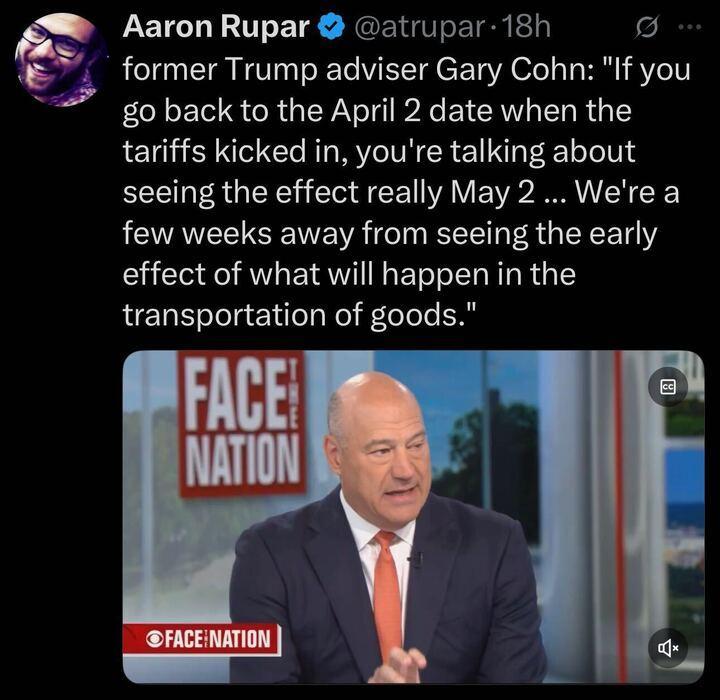
In the immediate future, we’re likely to feel the pressure on our wallets most acutely. Inflation erodes the value of our savings, making everyday expenses more challenging to manage. Grocery bills are higher, gas prices fluctuate wildly, and the cost of housing remains a significant burden for many. This isn’t just an abstract economic concept; it’s a tangible reality impacting families across the board.

Beyond the individual level, businesses are also feeling the pinch. Rising costs of materials and labor force them to increase prices, further fueling inflation. Smaller businesses, in particular, struggle to compete with larger corporations that can absorb these costs more easily. This can lead to job losses and economic contraction in certain sectors.

The housing market, a bellwether of economic health, is particularly vulnerable. Rising interest rates make mortgages more expensive, cooling down demand and potentially leading to price corrections. For those who have recently purchased homes with variable-rate mortgages, the increased payments can strain their finances.

The Long-Term Submergence

While the short-term effects are concerning, the long-term implications of this “economic tsunami” are even more profound. If inflation remains unchecked, it can lead to a devaluing of assets, impacting retirement savings and long-term investments. The increasing cost of living can also disproportionately affect vulnerable populations, exacerbating existing inequalities.

Furthermore, the rise of automation and artificial intelligence poses a significant challenge to the job market. While these technologies offer tremendous potential for increased productivity, they also threaten to displace workers in various industries. Retraining and upskilling become crucial to navigate this changing landscape.

Geopolitical instability adds another layer of complexity. Trade wars, political conflicts, and supply chain disruptions can ripple through the global economy, creating uncertainty and hindering growth. The rise of protectionism and nationalism can further exacerbate these issues.

Navigating the Waves: Practical Solutions for Turbulent Times

So, how do we prepare for and navigate this potential economic tsunami? The good news is that proactive steps can significantly mitigate the impact and even position you for future success. Here are a few practical solutions to consider:

  1. Fortify Your Financial Foundation:
    • Budgeting and Expense Tracking: The first step is to understand where your money is going. Tools like Mint, YNAB (You Need a Budget), or even a simple spreadsheet can help you track your income and expenses, identify areas where you can cut back, and create a realistic budget.
    • Emergency Fund: Aim to build an emergency fund of 3-6 months’ worth of living expenses. This provides a safety net to weather unexpected job loss, medical expenses, or other financial emergencies.
    • Debt Management: High-interest debt, such as credit card debt, can be particularly damaging during times of economic uncertainty. Focus on paying down these debts as quickly as possible. Consider strategies like the debt snowball or debt avalanche method.

    Example: Sarah, a single mother, used to live paycheck to paycheck. After tracking her expenses for a month, she realized she was spending a significant amount on takeout food. By committing to cooking at home more often, she was able to save enough money to start building an emergency fund.

  2. Invest Wisely and Diversify:
    • Long-Term Investing: While market volatility can be unsettling, it’s important to remember that investing is a long-term game. Avoid making emotional decisions based on short-term fluctuations.
    • Diversification: Don’t put all your eggs in one basket. Diversify your investments across different asset classes, such as stocks, bonds, and real estate. This helps to mitigate risk.
    • Consider Inflation-Protected Securities: Investments like Treasury Inflation-Protected Securities (TIPS) are designed to protect your purchasing power from inflation.

    Example: John, a seasoned investor, initially felt panicked when the stock market dipped. However, he reminded himself of his long-term investment strategy and resisted the urge to sell. His diversified portfolio helped him weather the storm, and he eventually saw his investments rebound.

  3. Upskill and Adapt to the Changing Job Market:
    • Identify In-Demand Skills: Research industries and skills that are in high demand and likely to remain relevant in the future, such as data analysis, cybersecurity, and project management.
    • Online Courses and Certifications: Take advantage of online courses and certifications to acquire new skills and enhance your resume. Platforms like Coursera, Udemy, and LinkedIn Learning offer a wide range of courses.
    • Networking: Connect with professionals in your field and attend industry events to stay informed about the latest trends and opportunities.

    Example: Maria, a retail worker, saw the writing on the wall as online shopping became increasingly popular. She took an online course in digital marketing and eventually landed a job as a social media manager for a local business.

  4. Explore Alternative Income Streams:
    • Freelancing or Consulting: Leverage your existing skills to offer freelance or consulting services. Platforms like Upwork and Fiverr can connect you with clients.
    • Passive Income: Explore opportunities to generate passive income, such as writing an ebook, creating an online course, or investing in rental properties.
    • Side Hustles: Consider starting a side hustle that aligns with your interests and skills. This could involve anything from selling handmade crafts to providing virtual assistant services.

    Example: David, a teacher, started writing ebooks in his spare time. Over time, his ebook sales generated a significant stream of passive income, providing him with financial security and flexibility.

Multiple Approaches, One Goal: Resilience

Remember, there’s no one-size-fits-all solution. The best approach will depend on your individual circumstances, risk tolerance, and financial goals. The key is to be proactive, informed, and adaptable. Don’t be afraid to seek advice from financial professionals or mentors who can provide guidance and support.

Ultimately, preparing for an economic tsunami is about building resilience. It’s about strengthening your financial foundation, diversifying your income streams, and equipping yourself with the skills to navigate a changing world.

A Wave of Opportunity:

While the prospect of an economic downturn can be daunting, it also presents opportunities. Periods of economic disruption often lead to innovation, creativity, and new business models. By embracing change, adapting to new realities, and investing in yourself, you can not only weather the storm but also emerge stronger and more prosperous on the other side.

Don’t let the “economic tsunami” paralyze you with fear. Instead, use it as a catalyst for positive change. Take control of your financial future, invest in your skills, and build a resilient foundation that can withstand any economic challenge. The future may be uncertain, but with preparation and proactive action, you can be ready to ride the wave and emerge victorious. The tide is turning – are you ready to surf?

Democracy’s Endgame: Are We Witnessing the Collapse?


Democracy’s Endgame: Are We Witnessing the Collapse?Image

Democracy’s Endgame: Are We Witnessing the Collapse?

Introduction

Is democracy, that grand experiment in self-governance, teetering on the brink? It’s a question that’s been whispered in hushed tones for years, but lately, the volume’s been cranked up. From the rise of populism to the spread of misinformation, from widening economic inequality to eroding trust in institutions, it feels like democracy is facing a barrage of challenges. Are these just bumps in the road, or are we witnessing something more profound – a potential endgame?

Nobody wants to believe democracy is collapsing. It’s the ideal we’ve been striving for, the foundation of many societies we admire. But ignoring the cracks in the foundation won’t make them disappear. Instead, it’s time to take a hard look at what’s happening and ask ourselves: what’s at stake, and what can we do about it?

The Short-Term Pain, Long-Term Consequences

The immediate symptoms of democracy’s struggles are readily apparent. We see them in increasingly polarized political landscapes, where compromise feels like a dirty word. We see them in the spread of fake news and echo chambers, where people only hear what they already believe. We see them in the declining participation in elections, especially among younger generations.

The short-term impacts are frustrating, yes, but they also erode the very fabric of democratic societies. Gridlock paralyzes governments, making it difficult to address pressing issues. Misinformation fuels division and distrust, making it harder to find common ground. And apathy allows extreme voices to dominate the conversation, pushing the mainstream further to the fringes.

However, the long-term consequences are even more frightening. A sustained decline in democratic norms can lead to:

  • Authoritarianism: When faith in democratic processes crumbles, the door opens for strongmen and autocratic regimes who promise simple solutions and quick fixes, often at the expense of individual freedoms.
  • Social Unrest: A society where large segments feel unheard and disenfranchised is a society ripe for unrest. Protests, riots, and even civil conflict can erupt when people believe their voices are no longer being represented.
  • Economic Instability: Democracies are generally more stable and predictable economies. When democracy weakens, investor confidence falters, leading to economic downturns and increased inequality.
  • International Instability: Historically, democracies have been more likely to cooperate with each other and maintain peace. A world where democracies are in decline could become more volatile and prone to conflict.

So, What Can We Do? A Toolkit for Democratic Renewal

The good news is that democracy isn’t a passive system destined to rise or fall. It’s a living, breathing organism that can adapt and evolve. It requires active participation and conscious effort to thrive. Here are some practical steps we can take:

1. Embrace Media Literacy: Be a Critical Consumer of Information

In the age of instant information, it’s crucial to develop media literacy skills. This means learning to:

  • Identify the source: Who created this content? Are they a reputable organization with a clear track record?
  • Check the facts: Are the claims made in the article or video supported by evidence? Can you find corroborating information from other reliable sources?
  • Be wary of sensationalism: Does the content rely on emotional appeals and inflammatory language? This can be a sign of bias.
  • Diversify your sources: Don’t rely on a single news outlet or social media platform. Seek out information from a variety of perspectives.

Example: Consider the spread of misinformation during the 2016 US election. By learning to identify fake news sources and cross-reference information, citizens could have been more discerning consumers of political information.

2. Participate Actively: From Voting Booth to Town Hall

Democracy is not a spectator sport. It requires active participation at all levels. This includes:

  • Voting in every election: Local, state, and national elections all matter. Your voice counts.
  • Contacting your representatives: Let your elected officials know your views on important issues.
  • Attending town hall meetings: Engage in dialogue with your community and your representatives.
  • Supporting civic organizations: Get involved with organizations that promote voter registration, education, and participation.

Example: In Switzerland, direct democracy empowers citizens to vote on laws and policies directly. This high level of participation fosters a sense of ownership and responsibility, strengthening the democratic process.

3. Strengthen Civil Society: The Backbone of a Healthy Democracy

Civil society organizations – non-governmental organizations, charities, advocacy groups, and community organizations – play a vital role in holding governments accountable and promoting civic engagement. We can:

  • Volunteer our time: Support causes we believe in by volunteering our time and skills.
  • Donate to worthy organizations: Provide financial support to organizations that are working to strengthen democracy.
  • Join community groups: Participate in local groups that address community needs and promote civic participation.

Example: The American Civil Liberties Union (ACLU) is a civil society organization that has a long history of defending individual rights and liberties in the United States. By supporting the ACLU, individuals can contribute to the protection of democratic values.

4. Promote Education: Investing in the Future of Democracy

Education is essential for creating informed and engaged citizens. We need to:

  • Support civics education in schools: Ensure that young people learn about the principles of democracy, the importance of civic participation, and the role of government.
  • Promote lifelong learning: Encourage adults to continue learning about current events and public policy issues.
  • Support libraries and educational institutions: These institutions play a vital role in providing access to information and fostering critical thinking skills.

Example: Finland’s education system is renowned for its emphasis on critical thinking, problem-solving, and civic engagement. This comprehensive approach helps to cultivate informed and engaged citizens who are well-equipped to participate in a democratic society.

5. Demand Ethical Leadership: Hold Our Leaders Accountable

Ultimately, the health of a democracy depends on the integrity of its leaders. We need to:

  • Demand transparency and accountability: Hold our elected officials accountable for their actions and demand transparency in government.
  • Support ethical leaders: Vote for candidates who demonstrate integrity, competence, and a commitment to democratic values.
  • Speak out against corruption: Publicly condemn corruption and demand that those responsible are held accountable.

Example: The independent anti-corruption commission in Hong Kong (ICAC) has been instrumental in combating corruption and promoting good governance. By holding officials accountable, the ICAC has helped to strengthen the rule of law and promote public trust.

No Single Silver Bullet

It’s important to remember that there is no single solution to the challenges facing democracy. A multi-faceted approach is needed, one that involves individual action, community engagement, and systemic reform. The options presented are also not mutually exclusive. They are designed to give you a variety of practical and applicable solutions.

A Reason for Hope, A Call to Action

The challenges facing democracy are real and significant. But they are not insurmountable. By embracing media literacy, participating actively in civic life, strengthening civil society, promoting education, and demanding ethical leadership, we can help to revitalize democracy and ensure that it remains a vibrant and resilient force for good in the world.

This isn’t the time for despair, but for determined action. Each of us has a role to play in shaping the future of democracy. Even small acts of engagement can have a ripple effect, inspiring others to get involved and strengthening the foundations of self-governance.

The future of democracy is not predetermined. It is being written by us, every day, through our choices and our actions. Let’s choose to write a future where democracy thrives. Let’s get to work.