Politics

Israel: Crossroads of History, Crucible of Conflict

Israel: Crossroads of History, Crucible of ConflictIsrael Landscape

Israel: Crossroads of History, Crucible of Conflict

Introduction

Imagine a place where ancient history whispers from every stone, where the past feels incredibly present, and yet, a place perpetually grappling with a complex, often heartbreaking present. That’s Israel. More than just a dot on the map, it’s a land interwoven with religion, politics, and profound human stories. It’s a place that sparks passion, debate, and often, conflict. But why? And what can be done? Let’s unpack this fascinating, challenging nation.

A Land Forged in History

For millennia, Israel, known in antiquity as the Land of Canaan, has been a geographical and spiritual heartland. A cradle of monotheism, it holds immense significance for Judaism, Christianity, and Islam. Throughout history, it’s been conquered and reconquered by empires – Roman, Byzantine, Ottoman – each leaving its mark on the landscape and the cultural fabric. The dream of a Jewish homeland, however, persisted through centuries of diaspora, culminating in the establishment of the State of Israel in 1948. This event, celebrated by many, also marked the beginning of a new chapter of conflict with the existing Palestinian population.

The Roots of the Conflict

The Israeli-Palestinian conflict is arguably the most intractable and widely discussed conflict in modern history. At its core, it’s a battle over land, identity, and self-determination. Both Israelis and Palestinians claim historical rights to the same territory, leading to overlapping claims and deep-seated mistrust.

Short-Term Impacts: A Daily Reality

The immediate consequences of the conflict are readily apparent:

  • Security Concerns: Israelis face ongoing threats from rocket fire, stabbings, and other forms of violence, leading to a heightened sense of insecurity. Checkpoints, security walls, and military presence are daily realities.
  • Palestinian Displacement: Palestinians living in the West Bank and Gaza Strip face restrictions on movement, limited access to resources, and the constant threat of displacement due to settlements and demolitions.
  • Economic Hardship: The conflict disrupts economic activity, particularly in the Palestinian territories, leading to high unemployment and poverty.
  • Humanitarian Crisis: The blockade of Gaza has created a dire humanitarian situation, with shortages of essential goods and limited access to healthcare.

Long-Term Impacts: Shaping the Future

The protracted nature of the conflict has far-reaching, long-term consequences:

  • Erosion of Trust: Decades of violence and political stagnation have eroded trust between Israelis and Palestinians, making peaceful coexistence increasingly difficult.
  • Radicalization: The ongoing conflict fuels extremism on both sides, making it harder to find moderate voices willing to compromise.
  • Regional Instability: The conflict has broader implications for regional stability, contributing to tensions and proxy wars in the Middle East.
  • Generational Trauma: The cycle of violence creates a legacy of trauma and resentment that can be passed down through generations, perpetuating the conflict.

Pathways to Peace: Practical Solutions

Finding a lasting solution to the Israeli-Palestinian conflict is a monumental challenge, but not an impossible one. Several approaches, often intertwined, offer potential pathways forward:

  1. The Two-State Solution (Revised): This widely discussed approach envisions two independent states, Israel and Palestine, living side-by-side in peace and security. A revised approach requires addressing key sticking points, such as:
    • Borders: Negotiating mutually agreed-upon borders based on the 1967 lines, with land swaps to accommodate existing settlements.
    • Jerusalem: Finding a shared sovereignty arrangement for Jerusalem, allowing both Israelis and Palestinians to claim the city as their capital.
    • Refugees: Resolving the issue of Palestinian refugees through compensation, resettlement options, and limited returns to Israel, acknowledging the demographic realities.
  2. Economic Cooperation: Fostering economic ties between Israelis and Palestinians can create mutual benefits and reduce tensions.

    Example: Joint industrial zones and infrastructure projects can create jobs and promote trade, building interdependence and shared prosperity.

  3. Grassroots Peacebuilding: Supporting initiatives that bring Israelis and Palestinians together at the community level can help break down stereotypes and build trust.

    Example: Organizations like Seeds of Peace bring young people from both sides together for dialogue and leadership training, fostering empathy and understanding.

  4. International Mediation and Pressure: A concerted international effort, involving the United States, European Union, and Arab states, is needed to facilitate negotiations and ensure compliance with international law.
  5. One-State Solution (with Caveats): While controversial, a one-state solution envisions a single state where Israelis and Palestinians have equal rights. This would require:
    • Equal Rights and Citizenship: Guaranteeing equal rights and citizenship for all residents, regardless of ethnicity or religion.
    • Power Sharing: Establishing a power-sharing mechanism to ensure that both Israelis and Palestinians have a voice in government and policy-making.
    • Addressing Demographic Concerns: Considering mechanisms to protect the distinct identities and cultures of both groups within a unified state.

A Note on Practicality:

No single solution is a silver bullet. The path forward requires a combination of these approaches, implemented with courage, pragmatism, and a genuine commitment to peace. Compromises will be necessary on both sides, and the process will likely be long and arduous.

Case Studies of Success (and Setbacks):

  • The Camp David Accords (1978): This historic agreement between Israel and Egypt demonstrated that peace is possible, but also highlighted the challenges of implementing agreements in a complex regional context.
  • The Oslo Accords (1993): While ultimately unsuccessful in achieving a final settlement, the Oslo Accords created a framework for negotiations and demonstrated the potential for direct dialogue between Israelis and Palestinians.
  • Northern Ireland Peace Process: While distinct from the Israeli-Palestinian conflict, the Northern Ireland peace process offers valuable lessons about the importance of inclusive dialogue, power-sharing, and addressing the root causes of conflict.

A Call to Action: From Apathy to Advocacy

The Israeli-Palestinian conflict is a complex issue with no easy solutions, but inaction is not an option. Here’s how you can get involved:

  • Educate Yourself: Learn about the history, the different perspectives, and the complexities of the conflict.
  • Support Peacebuilding Organizations: Donate to or volunteer with organizations working to promote dialogue, reconciliation, and economic development in the region.
  • Advocate for a Just Peace: Contact your elected officials and urge them to support policies that promote a two-state solution, respect international law, and address the humanitarian needs of both Israelis and Palestinians.
  • Engage in Respectful Dialogue: Talk to people with different perspectives and be willing to listen and learn.

Conclusion: Hope Amidst the Hardship

The challenges facing Israel and Palestine are immense, but so is the potential for peace. By embracing practical solutions, fostering dialogue, and refusing to give in to despair, we can create a future where Israelis and Palestinians can live side-by-side in dignity, security, and peace. It’s a long and difficult road, but the destination – a future of shared prosperity and lasting peace – is worth the journey. The time for apathy is over. Let’s choose hope, choose action, and choose a better future for all.

Africa: The Untapped Future

Africa: The Untapped FutureAfrica

Africa: The Untapped Future

Introduction

Ever felt like you’re missing out on something big? Something that’s about to explode onto the world stage and reshape everything we know? Well, look no further than the African continent. For too long, Africa has been painted with a broad brush of poverty, conflict, and untapped potential. But that narrative is changing, and fast. What if I told you that Africa is not just a continent with problems, but a continent brimming with solutions, innovation, and the promise of a future we can barely imagine? Buckle up, because we’re about to dive into the incredible, often overlooked, potential of Africa and why it’s poised to be the next frontier of growth and opportunity.

The Sleeping Giant Awakens: Why Now?

Why all the buzz now? It’s not just hype. A confluence of factors is converging to create a perfect storm of opportunity.

  • Demographic Dividend: Africa boasts the youngest and fastest-growing population on the planet. This isn’t just about numbers; it’s about a surge in the workforce, a breeding ground for innovation, and a massive consumer market just waiting to be tapped. Forget the “graying” populations of developed nations; Africa is vibrant and ready to work.
  • Technological Leapfrogging: Africa is bypassing traditional infrastructure and going straight to cutting-edge technology. Mobile banking, solar energy, and digital education are revolutionizing entire industries, creating solutions tailored to local needs. Think about it: why build expensive landlines when you can connect an entire village with affordable smartphones?
  • Resource Richness: Africa is a treasure trove of natural resources, from minerals and oil to fertile land. While resource exploitation has historically been problematic, a new wave of responsible and sustainable development is emerging, focused on beneficiation and empowering local communities.
  • Improved Governance: While challenges remain, many African nations are making strides in governance, democracy, and economic reform. This creates a more stable and predictable environment for investment and growth.

Short-Term Pain, Long-Term Gain: Addressing the Challenges

Let’s be realistic. Africa isn’t a paradise without problems. Corruption, infrastructure deficits, political instability, and inequality are significant hurdles. But understanding these challenges is crucial to understanding the opportunity.

  • Short-Term Impacts: Corruption diverts resources, infrastructure gaps hinder trade and development, instability scares away investors, and inequality fuels social unrest. These issues directly impact the daily lives of Africans, limiting access to education, healthcare, and economic opportunities.
  • Long-Term Impacts: If left unchecked, these problems can perpetuate a cycle of poverty, prevent sustainable development, and lead to conflict and instability. They can also hinder Africa’s ability to fully participate in the global economy and achieve its potential.

The good news is that these challenges are not insurmountable. In fact, many of them are creating unique opportunities for innovation and problem-solving.

Unlocking the Potential: Practical Solutions for a Brighter Future

So, how do we turn these challenges into opportunities? It’s all about practical, actionable solutions.

  1. Investing in Education and Skills Development: Equip the young population with the skills they need to thrive in the 21st century. This means focusing on STEM education, vocational training, and entrepreneurship programs. Example: The African Leadership University is pioneering a new model of higher education focused on developing ethical and entrepreneurial leaders for the continent.
  2. Building Infrastructure for the Future: Invest in sustainable infrastructure, including renewable energy, transportation, and digital connectivity. This will not only create jobs but also unlock economic opportunities and improve the quality of life. Example: The Grand Inga Dam project in the Democratic Republic of Congo has the potential to power the entire continent with clean energy.
  3. Promoting Good Governance and Fighting Corruption: Strengthen institutions, promote transparency, and hold leaders accountable. This will create a more stable and predictable environment for investment and growth. Example: Rwanda’s success in combating corruption and promoting good governance has made it one of the fastest-growing economies in Africa.
  4. Fostering Entrepreneurship and Innovation: Create a supportive ecosystem for entrepreneurs, including access to funding, mentorship, and technology. This will unleash the creative potential of Africa’s young population and drive economic growth. Example: The rise of mobile money platforms like M-Pesa in Kenya has revolutionized financial inclusion and empowered millions of people.
  5. Sustainable Resource Management: Implement policies that ensure that natural resources are used sustainably and that local communities benefit from their exploitation. This will prevent environmental degradation and promote inclusive growth. Example: Botswana’s success in managing its diamond resources has made it one of the wealthiest countries in Africa.

Alternative Approaches: A Menu of Possibilities

There’s no one-size-fits-all solution. Here are some alternative approaches:

  • Public-Private Partnerships: Leverage the resources and expertise of both the public and private sectors to address development challenges.
  • South-South Cooperation: Learn from the experiences of other developing countries and adapt successful models to the African context.
  • Harnessing the Diaspora: Engage the African diaspora in development efforts, tapping into their skills, knowledge, and resources.
  • Embracing Technology: Utilize technology to leapfrog traditional development approaches and create innovative solutions.

Beyond Aid: Investing in a Future

The old narrative of Africa as a recipient of aid is outdated. It’s time to shift the focus to investment, trade, and partnerships. Africa doesn’t need charity; it needs opportunity.

A Call to Action: Be Part of the Story

Africa’s future is not predetermined. It’s being written right now, by Africans and by those who choose to be part of the story. Whether you’re an investor, an entrepreneur, a student, or simply someone who cares about the future of our world, there’s a role for you to play.

  • Invest in African businesses: Support companies that are creating jobs, solving problems, and driving economic growth.
  • Volunteer your skills: Share your expertise with African organizations and communities.
  • Advocate for policy changes: Support policies that promote good governance, sustainable development, and inclusive growth in Africa.
  • Educate yourself: Learn more about Africa’s challenges and opportunities, and share your knowledge with others.

The Takeaway: Optimism and Opportunity

Africa is not just a continent; it’s a story of resilience, innovation, and potential. Despite the challenges, there’s a palpable sense of optimism and determination on the ground. The future is not just bright; it’s being actively created by a generation of Africans who are determined to build a better world. So, are you ready to be part of the untapped future? The door is open. The opportunity awaits. Let’s write the next chapter together.

Asia: The Unfolding Century

Asia: The Unfolding Century

Asia

Asia: The Unfolding Century

Introduction

Forget everything you think you know about the future. It’s not in Silicon Valley. It’s not on Wall Street. The real story, the one that will define the 21st century, is unfolding right now in Asia. From the bustling streets of Mumbai to the high-tech hubs of Seoul, the continent is a whirlwind of change, opportunity, and challenges that will ripple across the globe. Are you ready to unpack it?

Asia is not a monolith. It’s a kaleidoscope of cultures, economies, and political systems, each with its own trajectory. But despite their differences, these nations are increasingly interconnected, forming a dynamic and powerful force that is reshaping the world order. This isn’t just about economic growth figures and rising GDPs; it’s about a fundamental shift in global power, cultural influence, and technological innovation.

But it’s not all sunshine and roses. Asia faces significant hurdles that, if not addressed effectively, could derail its ascent. Understanding these challenges and the potential solutions is crucial for anyone who wants to navigate the complexities of this unfolding century.

The Tightrope Walk: Balancing Growth and Sustainability

One of the most pressing issues is the tension between rapid economic growth and environmental sustainability. For decades, many Asian economies prioritized industrialization and expansion at the expense of the environment. The result? Widespread pollution, deforestation, and alarming levels of carbon emissions.

  • Short-Term Impact: In the immediate future, this translates to health crises due to air and water pollution, damage to ecosystems, and increased vulnerability to natural disasters like floods and droughts. Think of the choking smog in Delhi or the devastating floods in Southeast Asia – these are not abstract problems; they are realities impacting millions.
  • Long-Term Impact: Over the long haul, these environmental challenges could undermine the very economic progress that fueled them. Climate change poses an existential threat, particularly to low-lying coastal regions and agricultural heartlands. Scarce resources, like water, could become a major source of conflict.

So, what can be done?

The good news is that many Asian nations are starting to recognize the urgency of the situation and are exploring innovative solutions. Here are a few approaches:

  1. Investing in Green Technology: Governments can incentivize the development and adoption of renewable energy sources like solar, wind, and hydro power. Think of China’s massive investment in solar energy, transforming it into a global leader in renewable energy production. Tax breaks, subsidies, and research grants can encourage businesses to adopt cleaner technologies and reduce their carbon footprint.
  2. Promoting Sustainable Consumption: Educating the public about sustainable living and promoting responsible consumption patterns is crucial. This includes reducing waste, using public transportation, and supporting eco-friendly products. Singapore’s efforts to promote a “zero-waste” nation through recycling programs and public awareness campaigns are a great example.
  3. Strengthening Environmental Regulations: Enforcing stricter environmental regulations and holding polluters accountable is essential. This includes setting emission standards, imposing fines for violations, and implementing environmental impact assessments for new projects. South Korea’s aggressive efforts to clean up its air and water quality through stringent regulations demonstrate that change is possible.
  4. Embracing Circular Economy Principles: Encouraging businesses to adopt circular economy models, which focus on reducing waste and reusing resources, can significantly minimize environmental impact. For instance, companies can design products for durability, repairability, and recyclability, promoting a closed-loop system that minimizes waste.

The Inequality Divide: Bridging the Gap

Another significant challenge is the widening gap between the rich and the poor. While Asia has lifted millions out of poverty, the benefits of economic growth have not been shared equally. This inequality can lead to social unrest, political instability, and hinder long-term development.

  • Short-Term Impact: In the short term, income inequality can fuel social tensions, leading to protests and even violence. It can also limit access to essential services like healthcare and education for marginalized communities, perpetuating cycles of poverty.
  • Long-Term Impact: Over time, high levels of inequality can undermine social cohesion and trust, making it difficult to build a stable and prosperous society. It can also stifle innovation and economic growth by limiting opportunities for a large segment of the population.

Bridging the Divide: Practical Solutions

Addressing inequality requires a multi-pronged approach that tackles the root causes of poverty and promotes inclusive growth.

  1. Investing in Education and Skills Development: Providing access to quality education and skills training is crucial for empowering individuals to climb the economic ladder. This includes investing in vocational training programs, scholarships for disadvantaged students, and lifelong learning opportunities. Vietnam’s success in improving literacy rates and educational attainment is a testament to the power of education in reducing inequality.
  2. Strengthening Social Safety Nets: Implementing robust social safety nets, such as unemployment benefits, healthcare subsidies, and affordable housing programs, can provide a cushion for vulnerable populations and prevent them from falling into poverty. India’s Mahatma Gandhi National Rural Employment Guarantee Act (MGNREGA), which guarantees 100 days of wage employment to rural households, is an example of a social safety net that can alleviate poverty and reduce inequality.
  3. Promoting Inclusive Growth Policies: Implementing policies that promote inclusive growth, such as progressive taxation, minimum wage laws, and land reforms, can help ensure that the benefits of economic growth are shared more equitably. Taiwan’s focus on small and medium-sized enterprises (SMEs) and its equitable distribution of land have contributed to its relatively low levels of income inequality.
  4. Supporting Entrepreneurship and Small Businesses: Empowering entrepreneurs and small businesses, particularly in marginalized communities, can create jobs and opportunities for economic advancement. This includes providing access to credit, training, and market access. Bangladesh’s Grameen Bank, which provides microloans to poor women, has demonstrated the transformative power of entrepreneurship in reducing poverty and empowering communities.

The Geopolitical Dance: Navigating a Complex Landscape

Finally, Asia faces a complex geopolitical landscape, with rising tensions between major powers like China, the United States, and India. These tensions can lead to conflicts, trade wars, and instability, hindering economic growth and regional cooperation.

  • Short-Term Impact: In the short term, geopolitical tensions can disrupt trade flows, create uncertainty for businesses, and lead to increased military spending. The ongoing trade war between the United States and China has already had a significant impact on global supply chains and economic growth.
  • Long-Term Impact: Over the long term, geopolitical conflicts can escalate into armed conflicts, undermining regional stability and hindering economic development. The South China Sea dispute, for example, poses a significant threat to regional peace and security.

Navigating the Geopolitical Minefield: A Path Forward

Addressing geopolitical tensions requires a commitment to diplomacy, dialogue, and cooperation.

  1. Promoting Multilateralism and Regional Cooperation: Strengthening regional institutions, such as the Association of Southeast Asian Nations (ASEAN), and promoting multilateralism can help foster dialogue and cooperation among countries. ASEAN’s efforts to promote regional integration and conflict resolution demonstrate the importance of multilateralism in maintaining peace and stability.
  2. Investing in Diplomacy and Conflict Resolution: Investing in diplomatic efforts and conflict resolution mechanisms can help prevent disputes from escalating into armed conflicts. This includes promoting dialogue, mediation, and arbitration. The Iran nuclear deal, while imperfect, demonstrates the potential of diplomacy to resolve complex geopolitical challenges.
  3. Building Trust and Transparency: Promoting transparency and building trust among countries is essential for reducing tensions and preventing misunderstandings. This includes sharing information, engaging in joint military exercises, and promoting cultural exchange.
  4. Focusing on Shared Interests: Identifying and focusing on shared interests, such as climate change, pandemics, and economic development, can help build common ground and foster cooperation, even in the face of geopolitical differences.

The Asian Century: A Call to Action

The unfolding century presents both immense opportunities and significant challenges for Asia. By addressing the environmental, social, and geopolitical hurdles, Asia can unlock its full potential and become a force for good in the world. This requires leadership, innovation, and a commitment to inclusive and sustainable development.

The future isn’t predetermined. It’s being shaped right now by the choices we make. Asia’s journey will depend on its ability to balance economic growth with environmental sustainability, address inequality, and navigate the complex geopolitical landscape. The solutions are within reach, and the time to act is now. Let’s work together to ensure that the unfolding century is one of peace, prosperity, and progress for all.

Indonesia: Paradise Lost?

Indonesia:ParadiseLost?Report Cover

Indonesia:ParadiseLost?

Introduction

Indonesia.Thenameconjuresimagesofemeraldricepaddiescascadingdownvolcanicslopes,pristinebeachesfringedwithswayingpalms,andancienttempleswhisperingtalesofforgottenempires.It’salandofvibrantcultures,aromaticspices,andabiodiversitysorichitfeelslikesteppingintoaliving,breathingEden.Butisthisparadise startingtoslipaway?

Let’sfaceit,thepicture-postcardperfectionoftenmasksamorecomplexreality.WhileIndonesiacontinuestoalluretravelersandinvestorsalike,apersistentquestionhangsintheair:arewelovingthisarchipelagoto death?Fromdeforestationandplasticpollutiontoovertourismandtheexploitationofnaturalresources,paradiseisfacingsomeseriouschallenges.Thisisn’tjustaboutprettypictures;it’sabouttheveryfutureofanationandthewell-beingofitspeople.

TheShadowOverParadise:Short-TermandLong-TermImpacts

TheproblemsplaguingIndonesiaaremulti-faceted,buttheyoftenstemfromacommonroot:rapideconomicdevelopmentcollidingwithalackofsustainablepractices.

Let’sstartwithdeforestation.Drivenbythepalmoilandloggingindustries,vastswathesofrainforestdare disappearingatanalarmingrate.Theimmediateconsequencesaredevastating:lossofhabitatforendangeredspecieslikeorangutans,increasedriskoffloodingandlandslides,andthedisplacementofindigenouscommunities.Thelong-termimpactsareevenmorechilling.Deforestationcontributessignificantlytogreenhousegasemissions,exacerbatingclimatechangeandpotentiallyleadingtomorefrequentandintensenaturaldisasters.Imaginetheknock-oneffectonagriculture,tourism,andthelivelihoodsofmillionswhodependontheland.

Thenthere’splasticpollution.Beachesoncerenownedfortheirpristinebeautyarenowchokedwithplasticwaste,threateningmarinelifeanddamagingthetourismindustry.Thinkoftheimagesofturtlesentangledinplasticbags,orcoralreefssmotheredindebri.Theimmediateeffectisthevisualblight,thedestructionofecosystems,andtheriskofmicroplasticsenteringthefoodchain.Lookingfurtherahead,we’retalkingaboutapotentialcollapseofmarineecosystems,impactingfoodsecurityandcoastalcommunitieswhorelyonfishing.

Overtourism,whilebringingmuch-neededrevenue,canalsobeadouble-edgedsword.DestinationslikeBali,onceahavenforspiritualseekersandsurfers,arenowstrugglingtocopewiththesheervolumeofvisitors.Thisleadstoovercrowding,strainonlocalinfrastructure,risingpricesforlocals,andtheerosionoftraditionalculture.Short-term,wesee trafficjams,overflowinglandfills,andfrustratedresidents.Long-term,werisklosingtheveryessenceofwhatmakestheseplacesspecial–theuniqueculture,thetranquility,thesenseofauthenticity.

Finally,theexploitationofnaturalresources,particularlymining,posesasignificantthreat.Whileprovidingeconomicopportunities,uncheckedminingpracticesoftenleadtoenvironmentaldegradation,watercontamination,anddisplacementoflocalcommunities.Theimmediateimpactisthedestructionofecosystemsandthedisruptionoflivelihoods.Inthelongrun,wefacedepletedresources,long-termhealthproblemsforcommunitiesexposedtotoxins,andpotentialsocialunrest.

ReclaimingParadise:PracticalSolutionsforaSustainableFuture

Thegoodnewsis,it’snottoolatetochangecourse.Indonesiahasthepotentialtonotonlypreserveitsparadisebutalsotobecomeagloballeaderinsustainabledevelopment.Thekeyliesinimplementingpractical,applicablesolutions.

  1. SustainableForestryandReforestation:
    • Certification:PromoteandenforcesustainableforestrypracticesthroughcertificationschemesliketheForestStewardshipCouncil(FSC).Thisensuresthattimberandpalmoilaresourcedresponsibly.
    • ReforestationInitiatives:Investinlarge-scalereforestationprojects,focusingonnativespeciesandinvolvinglocalcommunities.ExamplesincludethereplantingeffortsinKalimantanaimedatrestoringorangutanhabitatandmitigatingclimatechange.
    • Community-BasedForestry:Empowerlocalcommunitiestomanageandprotectforests,providingthemwithsustainablelivelihoodsthatdependonforestconservation.
  2. TacklingPlasticPollution:
    • Reduce,Reuse,Recycle:Implementcomprehensivewastemanagementsystemswithastrongemphasisonreducingplasticconsumption,promotingreusablealternatives,andimprovingrecyclinginfrastructure.
    • PlasticBansandTaxes:Considerimplementingbansonsingle-useplasticsandintroducingtaxesonplasticproductionandconsumption,asseeninsomeregio ofBali.
    • CommunityClean-upInitiatives:Encouragecommunity-basedclean-upinitiativestoremoveplasticwastefrombeachesandwaterways.OrganizationslikeByeByePlasticBagsinBalihaveshownthepowerofgrassrootsaction.
  3. ResponsibleTourism:
    • Ecotourism:Promoteecotourismasasustainablealternativetomasstourism.Thisinvolvescreatingtourismexperiencesthatminimizeenvironmentalimpact,respectlocalcultures,andbenefitlocalcommunities.Examplesincludeeco-lodgesinSumatrathatsupportwildlifeconservationandprovideemploymentforlocalvillagers.
    • CarryingCapacity:Implementcarryingcapacitylimitsforpopulardestinationstopreventovercrowdingandenvironmentaldegradation.
    • EducatingTourists:Educatetouristsaboutresponsibletravelpractices,suchasrespectinglocalcustoms,minimizingwaste,andsupportinglocalbusinesses.
  4. SustainableMiningPractices:
    • EnvironmentalImpactAssessments:Enforcerigorousenvironmentalimpactassessmentsbeforeanyminingprojectisapproved,ensuringthatpotentialenvironmentalandsocialimpactsarethoroughlyevaluated.
    • RehabilitationandRestoration:Requireminingcompaniestorehabilitateandrestoremingsitesafteroperationscease.
    • CommunityConsultation:Involvelocalcommunitiesindecision-makingprocessesrelatedtominingprojects,ensuringthattheirconcernsareaddressed.

AlternativeApproaches:AMenuofOptions

Thesesolutionsarenotmutuallyexclusive.Infact,acombinationofapproachesisoftenthemosteffective.Herearesomealternativeperspectives:

  • Technology:Embraceinnovativetechnologieslikewaste-to-energyplantsandplasticrecyclingtechnologiestoaddressenvironmentalchallenges.
  • Education:Investinenvironmentaleducationprogramstoraiseawarenessaboutsustainabilityandempowercitizenstomakeinformedchoices.
  • PolicyReform:Implementstrongerenvironmentalregulationsandpolicies,andensurethattheyareeffectivelyenforced.
  • InternationalCollaboration:Partnerwithinternationalorganizationsandothercountriestoshareknowledge,expertise,andresourcesforsustainabledevelopment.

ParadiseRegained:ACalltoAction

Indonesia’sjourneytowardssustainabilityisamarathon,nota sprint.Therewillbechallengesalongtheway,butthepotentialrewardsareimmense.Byembracingsustainablepractices,Indonesiacannotonlypreserveitsnaturalbeautybutalsocreateamoreprosperousandequitablefutureforitspeople.

Thepowertoshapethisfutureliesinourhands–inthehandsofpolicymakers,businesses,communities,andindividuals.Whetherit’ssupportingeco-friendlybusinesses,reducingyourplasticconsumption,volunteeringforaclean-upinitiative,oradvocatingforstrongerenvironmentalpolicies,everyactioncounts.

Let’snotstandbyandwatchasparadisefadesaway.Let’sworktogethertoreclaimit,tobuildafuturewhereIndonesia’snaturalbeautythrivesalongsideitseconomicprogress.Let’sensurethatfuturegenerationscanexperiencethemagicofthisincrediblearchipelago,atrueparadisereclaimed.It’stimet Act,andthetimeisnow.

Japan: Beyond the Cherry Blossoms.

“`html

Japan: Beyond the Cherry BlossomsJapanese Landscape

Japan: Beyond the Cherry Blossoms

Introduction

Cherry blossoms in full bloom, ancient temples bathed in golden light, futuristic cityscapes buzzing with innovation – these are the images that often spring to mind when we think of Japan. And while these snapshots certainly capture a part of the country’s charm, they only scratch the surface of a nation grappling with complex challenges and undergoing profound transformations. Beyond the postcard-perfect scenery lies a story of resilience, adaptation, and a relentless pursuit of solutions in the face of pressing issues. Let’s peel back the layers and explore Japan beyond the cherry blossoms.

The Graying Giant: An Aging Population and its Rippling Effects

One of the most significant challenges facing Japan today is its rapidly aging population. For decades, birth rates have been declining while life expectancy has been increasing, creating a demographic imbalance that casts a long shadow on the nation’s future. This isn’t just a numbers game; it’s a systemic issue with far-reaching consequences.

In the short term, the aging population places immense strain on the healthcare system. With a larger proportion of elderly citizens, the demand for medical services, elderly care facilities, and geriatric specialists is skyrocketing. This puts pressure on existing resources and requires significant investment in infrastructure and training.

Economically, the shrinking workforce poses a significant threat. Fewer young people entering the workforce means a smaller tax base to support social security and pension systems. This also leads to labor shortages in various sectors, impacting productivity and economic growth. You might see this playing out in your local convenience store in Japan, where foreign workers are becoming increasingly common to fill staffing gaps.

The long-term effects are even more profound. A declining population can lead to a decrease in innovation and entrepreneurship, as there are fewer young people to drive new ideas and ventures. Social isolation among the elderly becomes a major concern, as many live alone and lack adequate support networks. The very fabric of society is being reshaped, demanding innovative solutions and a shift in cultural norms.

Empty Homes and Hollowed-Out Communities: The Rise of Akiya

A direct consequence of the aging population and rural-to-urban migration is the proliferation of akiya, or vacant homes. Once vibrant communities are now dotted with abandoned houses, a haunting reminder of a shrinking population and a bygone era.

In the short term, akiya present a safety hazard. Neglected buildings can fall into disrepair, becoming breeding grounds for pests and posing a fire risk. They also detract from the aesthetic appeal of neighborhoods, potentially lowering property values.

Over the long term, the rise of akiya contributes to the decline of rural communities. As houses remain vacant, local businesses struggle, and essential services dwindle. This creates a vicious cycle, further accelerating the exodus of residents and leaving behind ghost towns. The social fabric of these communities unravels, and the cultural heritage associated with them is at risk of being lost forever.

Navigating the Future: Practical Solutions for a Changing Japan

While the challenges are significant, Japan is not standing still. The government, businesses, and communities are actively seeking solutions to address these pressing issues. Here are some practical approaches being explored:

  • Boosting Birth Rates:
    • Enhanced Parental Leave and Childcare Support: Providing generous parental leave policies and affordable, high-quality childcare can encourage couples to have more children. For instance, countries like Sweden and France, which have implemented comprehensive family-friendly policies, have seen higher birth rates compared to Japan.
    • Financial Incentives: Offering financial incentives such as baby bonuses or tax breaks for families with children can help alleviate the financial burden of raising a family. However, these incentives need to be carefully designed to avoid unintended consequences and ensure long-term sustainability.
    • Promoting Work-Life Balance: Creating a culture that values work-life balance can make it easier for parents to juggle work and family responsibilities. This can involve reducing long working hours, encouraging flexible work arrangements, and promoting a more family-friendly workplace.
  • Activating the Silver Economy:
    • Extending Retirement Ages: Encouraging older adults to remain in the workforce longer can help alleviate labor shortages and boost the economy. This can involve raising the mandatory retirement age, offering retraining programs, and creating age-friendly workplaces.
    • Creating Opportunities for Senior Entrepreneurship: Supporting older adults who want to start their own businesses can tap into their wealth of experience and skills. This can involve providing access to funding, mentorship, and business training programs tailored to the needs of senior entrepreneurs.
    • Developing Age-Tech Solutions: Investing in technology that supports independent living and improves the quality of life for seniors can help them stay active and engaged in their communities. This can include developing assistive devices, telehealth services, and smart home technologies.
  • Revitalizing Rural Communities and Re-purposing Akiya:
    • Akiya Banks: Many municipalities have established akiya banks, online databases that list vacant properties for sale or rent. These banks make it easier for potential buyers or renters to find affordable housing in rural areas.
    • Subsidies and Incentives for Renovation: Providing financial assistance for renovating akiya can encourage people to move into these homes and revitalize rural communities. These subsidies can cover the cost of repairs, upgrades, and energy-efficient improvements.
    • Creative Re-purposing of Akiya: Akiya can be transformed into a variety of useful spaces, such as community centers, co-working spaces, guesthouses, or even art galleries. This can breathe new life into vacant properties and attract visitors to rural areas. An example of this can be seen in some villages which have been using abandoned schools to create collaborative workspaces, attracting young entrepreneurs seeking a quieter lifestyle.
  • Embracing Immigration:
    • Easing Visa Restrictions: Streamlining the visa process and making it easier for skilled workers to immigrate to Japan can help address labor shortages in key sectors.
    • Providing Language and Cultural Integration Support: Offering language classes and cultural orientation programs can help immigrants adapt to life in Japan and integrate into local communities.
    • Addressing Discrimination and Promoting Inclusion: Creating a welcoming and inclusive environment for immigrants is essential for attracting and retaining talent. This can involve promoting diversity in the workplace, combating discrimination, and celebrating the contributions of immigrants to Japanese society.

Looking Ahead: A Future Forged in Resilience

Japan’s journey is a testament to its resilience, adaptability, and unwavering commitment to finding solutions. While the challenges are daunting, the nation’s innovative spirit and strong sense of community offer a beacon of hope. By embracing these solutions, Japan can navigate the complexities of its aging population, revitalize its rural communities, and create a more vibrant and sustainable future for generations to come. The path forward may not be easy, but with a spirit of collaboration and a willingness to embrace change, Japan can continue to inspire the world with its ability to overcome adversity and thrive. The cherry blossoms are beautiful, but the real beauty lies in Japan’s ability to adapt and innovate. It’s a story worth watching, and perhaps even emulating.


“`

China’s Century: Crucible of Power

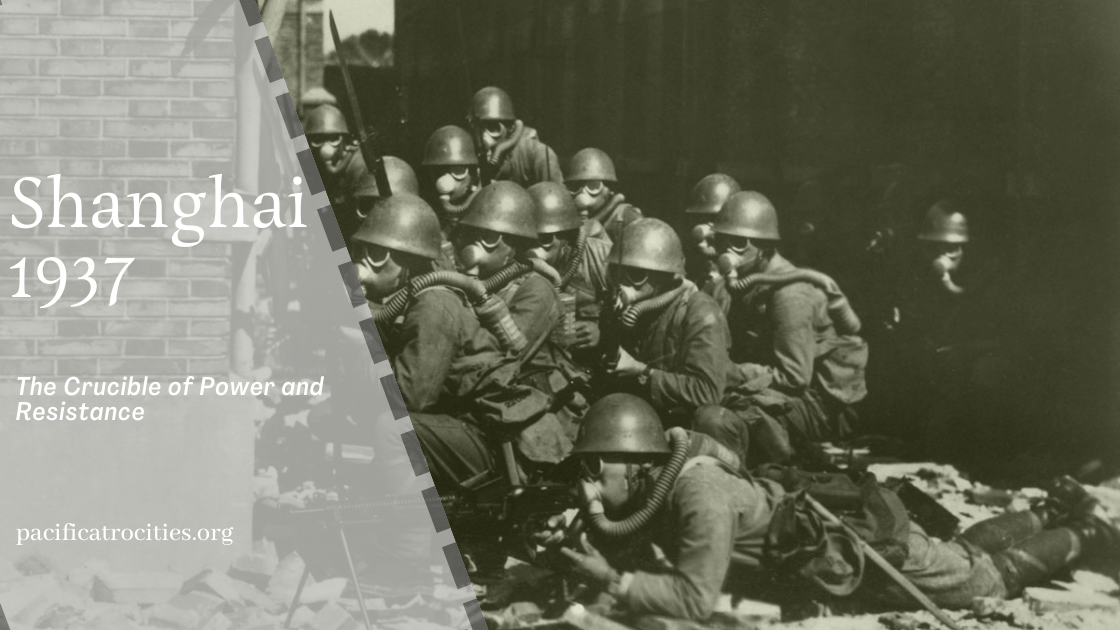
China’s Century: Crucible of PowerShanghai 1937

China’s Century: Crucible of Power

Introduction

Forget everything you think you know about China. Seriously. Ditch the fortune cookie stereotypes and the images of sprawling factories churning out cheap goods. The 21st century narrative is being rewritten, and China is wielding the pen. We’re not just talking economic growth anymore; we’re talking about a fundamental shift in global power dynamics. This isn’t just “China Rising”; it’s China *arriving*. But this ascent isn’t without its complexities, its challenges, and its potential pitfalls. Think of it as a crucible, a fiery furnace where China’s strength and future are being forged. So, buckle up. We’re diving deep into the forces shaping “China’s Century,” and what it means for you.

The Weight of Ambition: Challenges on the Horizon

China’s ambitions are no secret: to be a global leader in technology, economics, and even political influence. But this ambition comes with a heavy price. The sheer scale of China’s economic transformation has created a unique set of problems.

  • The Environmental Tightrope: Rapid industrialization has taken a toll. Air pollution chokes major cities, water resources are strained, and climate change looms large. This isn’t just an environmental issue; it’s a social one, impacting public health and fueling discontent. The long-term implications are stark: increased healthcare costs, reduced agricultural productivity, and potentially large-scale population displacement due to environmental degradation.
  • The Innovation Gap: While China has made impressive strides in tech, particularly in areas like AI and renewable energy, the reliance on copying rather than creating new innovation has been holding the country back. China is trying to close this gap, but the journey is long and innovation takes time.
  • The Demographic Dilemma: China’s one-child policy, though now abandoned, has left a legacy of an aging population and a shrinking workforce. This puts pressure on the social security system and could slow down economic growth. The long-term impact is a smaller pool of workers supporting a larger number of retirees, creating significant economic challenges.
  • Geopolitical Tensions: China’s growing assertiveness in the South China Sea and its relationship with Taiwan are causing friction with neighboring countries and the United States. This creates uncertainty and could lead to conflict. The long-term risk is a potential military confrontation that could destabilize the region and disrupt global trade.

Forging a Path Forward: Practical Solutions for a Complex Future

These challenges are daunting, but not insurmountable. China has the resources, the talent, and the political will to address them. The key lies in adopting practical, sustainable solutions.

  • Green Innovation as a Growth Engine: Instead of viewing environmental regulations as a constraint, China can leverage them as a catalyst for innovation. Investing heavily in green technologies, like solar, wind, and electric vehicles, not only reduces pollution but also creates new industries and jobs.
    • Example: China is already a world leader in renewable energy production. Further investment in smart grids and energy storage can make its economy even more sustainable.
  • Cultivating Creativity: Fostering a Culture of Innovation: Shifting from imitation to innovation requires a fundamental change in mindset. This means investing in education, research, and development, but also creating an environment where experimentation and risk-taking are encouraged.
    • Example: Establishing more innovation hubs, similar to Silicon Valley, and providing venture capital for startups can help foster a culture of entrepreneurship and creativity.
  • Addressing the Demographic Shift: Policies for an Aging Society: Raising the retirement age, encouraging higher birth rates, and investing in elder care services can help mitigate the impact of an aging population.
    • Example: Japan, which faces a similar demographic challenge, has successfully integrated older workers into the workforce and developed innovative technologies to support elder care.
  • Diplomacy and Dialogue: Building Bridges, Not Walls: Open communication, mutual respect, and a willingness to compromise are essential for managing geopolitical tensions. China can play a constructive role in promoting peace and stability in the region.
    • Example: Engaging in multilateral dialogues with neighboring countries and the United States can help build trust and prevent misunderstandings.

Alternative Approaches: Customizing Solutions to Fit the Context

There’s no one-size-fits-all solution to these challenges. Different regions and industries will require different approaches.

  • Decentralized Environmental Governance: Empowering local governments to enforce environmental regulations can lead to more effective and targeted solutions.
  • Public-Private Partnerships for Innovation: Encouraging collaboration between universities, research institutions, and private companies can accelerate the pace of innovation.
  • Flexible Retirement Policies: Allowing individuals to choose when they retire can help retain experienced workers in the workforce.
  • Regional Economic Integration: Promoting free trade and investment within Asia can create new opportunities for economic growth and cooperation.

The Future is Not Predetermined: A Call to Action

China’s Century is not a foregone conclusion. Its success depends on the choices it makes today. But the implications of these choices extend far beyond China’s borders. Whether China rises as a responsible global leader or stumbles under the weight of its ambitions will shape the future of the world.

This isn’t just a spectator sport. Everyone has a role to play. Whether you’re a business leader, a policymaker, or simply an informed citizen, you can contribute to a more sustainable and prosperous future.

  • For Business Leaders: Invest in sustainable practices, promote innovation, and engage in ethical and responsible business practices.
  • For Policymakers: Support policies that promote environmental sustainability, foster innovation, and encourage international cooperation.
  • For Citizens: Stay informed, advocate for change, and support businesses and organizations that are working towards a better future.

China’s Century is a story that’s still being written. It’s a story of ambition, challenges, and opportunities. By working together, we can help ensure that this story has a happy ending. Let’s embrace the future with optimism, courage, and a commitment to creating a world that is more sustainable, equitable, and prosperous for all. It’s time to turn the crucible of power into a forge of progress.

India: The Unfolding Century

India: The Unfolding CenturyCourting India Book Cover

India: The Unfolding Century

Introduction

India. The very name conjures images of vibrant colours, ancient traditions, and a bustling energy that’s both captivating and overwhelming. But beyond the Taj Mahal and Bollywood, lies a nation undergoing a profound transformation, a journey that will undoubtedly shape the 21st century – and perhaps, more importantly, our own futures. Think of it like this: India isn’t just a country; it’s a continent-sized experiment in progress, a real-time case study in growth, innovation, and the persistent challenges of balancing tradition with modernity.

So, what exactly is unfolding? Well, practically everything. India is grappling with a demographic boom, a technological revolution, and a rapidly evolving socio-economic landscape. The scale is massive, the potential immense, and the stakes incredibly high. But let’s cut through the noise and delve into the key areas that will define India’s trajectory and impact the world in the coming decades.

The Demographic Dividend Dilemma: A Blessing or a Burden?

India is young. Really young. With over 65% of its population under the age of 35, the country boasts a demographic dividend – a potential workforce that could fuel unprecedented economic growth. The short-term impact is already visible. A burgeoning consumer market, a dynamic startup ecosystem, and a growing demand for education and infrastructure are all fueled by this youthful energy.

However, this potential comes with its own set of challenges. Can India create enough jobs to absorb this massive workforce? Will its education system equip young people with the skills they need to thrive in a rapidly changing global economy? The long-term consequences of failing to address these issues are stark: widespread unemployment, social unrest, and a missed opportunity to unlock India’s full potential.

Think of it like this: Imagine a dam overflowing with potential energy. That energy can either be harnessed to power a city or allowed to flood and cause devastation. India’s young population is that energy, and the country needs to build the right infrastructure to channel it effectively.

The Tech Takeoff: Leapfrogging into the Future

While traditional infrastructure development plays catch-up, India has been making impressive strides in the digital realm. From pioneering mobile payment systems like UPI to boasting a thriving IT sector, India is leapfrogging legacy technologies and embracing innovation at an astonishing pace. This is having a profound short-term impact, transforming everything from agriculture to healthcare. Farmers are using mobile apps to access market information and weather forecasts. Doctors are using telemedicine to reach patients in remote areas. And businesses are leveraging data analytics to improve efficiency and reach new customers.

Looking ahead, the potential is even more transformative. Artificial intelligence, blockchain, and the Internet of Things are poised to revolutionize industries and create new opportunities. But this tech-driven future also presents challenges. Bridging the digital divide, ensuring cybersecurity, and addressing the ethical implications of AI are critical considerations.

Take the example of Aadhaar, India’s biometric identification system. While lauded for its potential to streamline government services and reduce fraud, it has also faced criticism regarding data privacy and security. This highlights the importance of carefully navigating the ethical and social implications of technological advancements.

Navigating the Crossroads: Solutions for a Thriving Future

So, how can India navigate these challenges and harness its potential to become a global leader in the 21st century? Here are some practical and applicable solutions:

  • Investing in Education and Skills: This is paramount. Beyond increasing access to education, India needs to focus on improving the quality of education and aligning it with the needs of the modern workforce. This includes:
    • Vocational Training Programs: Emphasizing practical skills and apprenticeships to prepare young people for specific industries.
      • Example: The Skill India Mission, while ambitious, needs consistent funding and effective implementation at the grassroots level.
    • STEM Education: Promoting science, technology, engineering, and mathematics to foster innovation and technological expertise.
      • Example: Collaborating with international universities to establish centres of excellence in STEM fields.
    • Lifelong Learning Initiatives: Creating opportunities for adults to upskill and reskill throughout their careers.
      • Example: Online learning platforms offering affordable and accessible courses in emerging technologies.
  • Creating a Conducive Business Environment: Fostering entrepreneurship and attracting foreign investment are essential for job creation and economic growth. This includes:
    • Streamlining Regulations: Reducing bureaucratic hurdles and simplifying business registration processes.
      • Example: Implementing a single-window clearance system for businesses to obtain all necessary permits and licenses.
    • Investing in Infrastructure: Improving transportation, energy, and communication networks to support economic activity.
      • Example: The Bharatmala Pariyojana project, focused on improving road infrastructure, is a step in the right direction.
    • Promoting Innovation: Providing incentives for research and development and supporting startups.
      • Example: Establishing incubators and accelerators to nurture innovative ideas and provide mentorship to entrepreneurs.
  • Promoting Sustainable Development: Balancing economic growth with environmental protection is crucial for long-term sustainability. This includes:
    • Investing in Renewable Energy: Shifting away from fossil fuels and embracing solar, wind, and other renewable energy sources.
      • Example: India’s ambitious renewable energy targets are commendable, but require significant investment and effective implementation.
    • Promoting Sustainable Agriculture: Adopting farming practices that conserve water, reduce pollution, and improve soil health.
      • Example: Promoting organic farming and providing incentives for farmers to adopt sustainable practices.
    • Conserving Natural Resources: Protecting forests, water bodies, and biodiversity.
      • Example: Implementing stricter environmental regulations and enforcing them effectively.

Alternative Approaches: A Tailored Solution

There’s no one-size-fits-all solution. Different regions and communities in India have unique needs and challenges. Therefore, a tailored approach is essential. For instance:

  • Focus on Rural Development: Investing in agriculture, rural infrastructure, and education to improve the livelihoods of farmers and reduce rural-urban migration.
  • Empowering Women: Providing women with access to education, healthcare, and economic opportunities to unlock their full potential and promote gender equality.
  • Strengthening Governance: Promoting transparency, accountability, and good governance to combat corruption and ensure that public resources are used effectively.

The Road Ahead: An Optimistic Outlook

The path ahead won’t be easy. There will be challenges and setbacks. But India has a history of resilience and innovation. With a young and ambitious population, a thriving tech sector, and a growing economy, the country is well-positioned to navigate the complexities of the 21st century and emerge as a global leader.

The unfolding century is not just about India’s progress; it’s about the potential for a more inclusive, sustainable, and prosperous world. By embracing innovation, investing in its people, and promoting sustainable development, India can not only transform itself but also inspire others to do the same. The energy is palpable, the opportunity is immense, and the time to act is now. Let’s watch, learn, and perhaps even participate in this unfolding story, a story that promises to be one of the most compelling narratives of our time.

America: A House Divided.

America: A House DividedDivided House

America: A House Divided

Introduction

Remember that awkward Thanksgiving dinner? The one where politics came up, and suddenly the mashed potatoes weren’t the only thing getting mashed? Multiply that by 330 million people, sprinkle in social media echo chambers, and you’ve got a pretty good picture of the state of America today: A house divided.

It’s more than just disagreeing on policy. It’s a chasm widening between us, fueled by partisan rhetoric, misinformation, and a deep-seated lack of trust. But how did we get here, what’s at stake, and, most importantly, what can we do about it?

The Cracks in the Foundation: Understanding the Divide

This isn’t a new phenomenon. Disagreement has always been a part of the American experiment. But the current level of polarization feels different, more entrenched. Several factors contribute to this:

  • The Rise of Tribalism: We increasingly identify ourselves by our political affiliations, making it harder to see common ground. We’re more likely to consume information that confirms our biases and less likely to engage with opposing viewpoints. Think of the algorithms that curate your social media feed – they’re designed to keep you engaged, often by reinforcing your existing beliefs.
  • The Echo Chamber Effect: Social media and certain news outlets have created echo chambers where we’re primarily exposed to opinions that mirror our own. This can lead to the radicalization of views and the dehumanization of those who disagree with us.
  • Economic Anxiety: Economic inequality and job insecurity have created a breeding ground for resentment and anger. When people feel left behind, they’re more likely to gravitate towards ideologies that offer simple solutions and scapegoats.
  • Erosion of Trust: Trust in institutions like the government, media, and even science has plummeted. This makes it harder to find common ground and agree on facts, let alone solutions.

The Short-Term Pain and the Long-Term Consequences

The consequences of this division are already being felt across various aspects of American life.

  • Political Gridlock: It’s increasingly difficult to pass meaningful legislation, even on issues with broad popular support. Partisan gridlock paralyzes progress and leaves critical problems unresolved.
  • Erosion of Democratic Norms: When political opponents are viewed as enemies, democratic norms like compromise and respect for the rule of law are threatened. This can lead to instability and even violence.
  • Strained Social Fabric: The deep divisions in society are eroding our ability to connect with and understand one another. This weakens communities and makes it harder to address shared challenges.

Looking further down the line, the long-term consequences are even more alarming:

  • Economic Decline: A divided nation is less productive and innovative. The lack of cooperation and investment in shared goals can lead to economic stagnation.
  • Diminished Global Influence: Internal division weakens America’s ability to lead on the world stage. It undermines our credibility and makes it harder to address global challenges like climate change and pandemics.
  • Threat to National Security: A deeply polarized nation is more vulnerable to foreign interference and internal conflict. Extremist groups can exploit divisions to sow discord and incite violence.

Building Bridges: Practical Solutions for a Divided America

So, what can we do? The task seems daunting, but change starts with individual actions, amplified by community efforts and ultimately reflected in policy. Here are some practical solutions we can all embrace:

  1. Practice Active Listening: Instead of waiting for your turn to talk, truly listen to understand the other person’s perspective. Ask clarifying questions and try to find common ground, even if you disagree on the details.
    • Example: If a friend expresses a different opinion on healthcare, instead of immediately launching into a counterargument, ask them to explain their reasoning. “What are your biggest concerns about the current system? What would your ideal solution look like?”
  2. Seek Diverse Information Sources: Break out of your echo chamber. Read news from outlets with different perspectives, and be critical of the information you consume. Fact-check claims and be wary of sensationalized headlines.
    • Example: If you primarily get your news from one source, try subscribing to a newsletter or following a journalist with a different political leaning.
  3. Engage in Civil Discourse: When engaging in political discussions, focus on the issues and avoid personal attacks. Use respectful language and be willing to admit when you don’t know something.
    • Example: When debating climate change, focus on the scientific evidence and the potential consequences of inaction, rather than resorting to insults or stereotypes.
  4. Support Local Initiatives: Get involved in your community. Volunteer, attend local events, and support organizations that promote unity and understanding.
    • Example: Join a local book club that focuses on diverse perspectives, or volunteer at a community center that serves people from different backgrounds.
  5. Promote Media Literacy Education: Teach children and adults how to critically evaluate information and identify misinformation. Media literacy education can empower people to become more informed and responsible consumers of news.
    • Example: Support initiatives in schools and libraries that teach media literacy skills, such as fact-checking, source evaluation, and identifying bias.
  6. Reform Campaign Finance: Reduce the influence of money in politics by supporting campaign finance reforms that limit corporate and wealthy donor contributions. This can level the playing field and make politicians more accountable to the people.
    • Example: Support organizations working to pass legislation that limits campaign spending and requires greater transparency in political donations.
  7. Promote Ranked-Choice Voting: Ranked-choice voting allows voters to rank candidates in order of preference, rather than simply choosing one. This can reduce the incentive for negative campaigning and encourage candidates to appeal to a broader range of voters.
    • Example: Maine has successfully implemented ranked-choice voting in state and federal elections, leading to more civil campaigns and higher voter turnout.

Alternative Approaches:

  • Cross-Cultural Dialogue: Organize facilitated dialogues between people from different backgrounds to foster understanding and empathy. These dialogues can provide a safe space for people to share their stories and perspectives.
  • Restorative Justice Practices: Apply restorative justice principles to political conflicts, focusing on repairing harm and building relationships rather than simply assigning blame.
  • Civic Education Initiatives: Invest in civic education programs that teach people about the history and principles of American democracy. This can help to foster a sense of shared citizenship and responsibility.

A Call to Action: Rebuilding Our House

America is not beyond repair. The cracks in our foundation may be deep, but they are not insurmountable. By taking individual action, supporting community initiatives, and advocating for policy changes, we can begin to rebuild our house.

It won’t be easy. It will require courage, patience, and a willingness to listen to those with whom we disagree. But the future of our nation depends on it.

Let’s start now. Let’s commit to engaging in civil discourse, seeking diverse perspectives, and working together to build a more united and just America. The task is monumental, but the potential reward – a stronger, more resilient, and more unified nation – is worth the effort. The next Thanksgiving dinner doesn’t have to be a battlefield. It can be a celebration of our shared humanity, our common ground, and our unwavering belief in the American dream.

Economic Tsunami: Are You Prepared?


Economic Tsunami: Are You Prepared?Economic Tsunami

Economic Tsunami: Are You Prepared?

Introduction

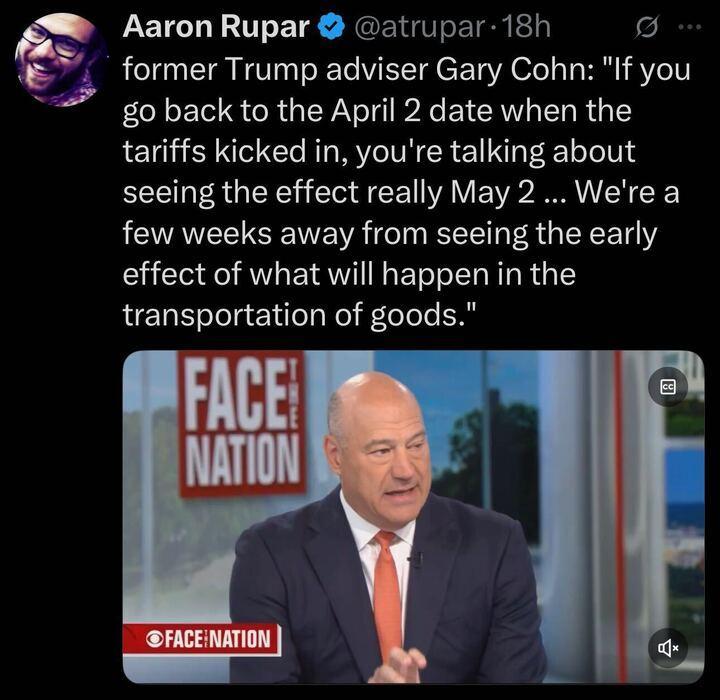
Okay,let’stalkfrankly.Thefinancialnewslatelyhasn’texactlybeensunshineandrainbows,hasit?We’rehearingwhispers–sometimesshouts–ofinflation,recession,marketcorrections,andgeneraleconomicuncertainty.Itcanfeellikewe’restandingonthebeach,watchingadarklineappearonthehorizon,unsurewhetherit’sjustapassingquallorafull-blowneconomictsunami.

Thetruthis,predictingthefuturewithabsolutecertaintyisimpossible.Butbeingprepared,understandingthepotentialdangers,andhavingaplanofaction?That’ssomethingwe*can*control.Thisisaboutscaremongering;it’saboutempoweringyoutonavigatepotentiallychoppywatersandemergestrongerontheotherside.

So,let’sdivein.Whatexactly*are*wefacing,andmoreimportantly,whatcandodaboutit?

The Short-Term Rumble and the Long-Term Ripple

Let’sbreakdownthepotentialimpactsofeconomicinstability.Intheshortterm,wemightsee:

  • Inflationpinchingyourpocketbook:Groceries,gas,eventhatmorninglatte–everythingcostsmore.Thisputspressureonhouseholdbudgetsandcanleadtodifficultchoices.
  • Jobinsecurity:Companies,facinguncertainfutures,maystartfreezinghiring,cuttingbackonhours,orevenresortingtolayoffs.
  • Marketvolatility:Thestockmarketcanfeellikearoallercoaster,withsignificantupsanddownsthatcanerodeyourinvestmentportfolio.

Lookingfurtherdowntheline,theripplesofaneconomicdownturncanspreadmuchwider:

  • Reducedretirementsavings:Marketdipscansignificantlyimpactyourretirementnestegg,potentiallydelayingyourretirementorrequiringyoutoadjustyourlifestyle.
  • Stagnantwagegrowth:Evenifyoukeepyourjob,salaryincreasesmaybeminimal,furtherimpactingyourlong-termfinancialgoals.
  • Increaseddebtburden:Ascostsriseandincomesstagnate,individualsandfamiliesmayturntocreditcardsandloanstomakeendsmeet,leadingtoacycleofdebt.

Thinkofitlikeapowerfulwave.Theinitialimpactcanknockyouoffyourfeet,buttheundertowcandragyoufurtheroutthanyourealize.That’swhypreparationiskey.

Building Your Economic Breakwater: Practical Solutions

So,howdoweprepare?Here’samulti-prongedapproach,focusingonpractical,actionablestepscanyoutake*today*:

  1. ShoreUpYourEmergencyFund:

    Thisisyourfirstlineofdefense.Aimfor3-6monthsoflivingexpensesinareadilyaccessible,high-yieldsavingsaccount.Thinkofitasyourpersonaleconomicinsurancepolicy.

    • PracticalTip:Ifyoudon’thaveafullyfundedemergencyfund,startsmall.Setarealisticsavingsgoaleachmonthandautomatetheprocess.Even$25aweekaddsupovertime.
    • CaseStudy:Sarah,asinglemother,lostherjobunexpectedlyduringthe2008recession.Thankstoathree-monthemergencyfund,shewasabletocoverherrentandutilitieswhileshelookedfornewemployment,avoidingdebtandhomelessness.
  2. ReviewandReviseYourBudget:

    Nowisthetimetotakeahardlookatyourspendinghabits.Identifyareaswhereyoucancutbackwithoutsacrificingyourqualityoflife.

    • PracticalTip:Trackyourexpensesforamonthtogetaclearpictureofwhereyourmoneyisgoing.Usebudgetingapps,spreadsheets,orevenagoodold-fashionednotebook.
    • AlternativeApproach:Considerthe”50/30/20″rule:50%ofyourincomeforneeds,30%forwants,and20%forsavingsanddebtrepayment.Adjustthepercentagesbasedonyourspecificcircumstances.
  3. DiversifyYourIncomeStreams:

    Relyingsolelyononesourceofincomecanberisky.Exploreopportunitiestogenerateadditionalincomethroughsidehustles,freelancework,orpassiveincomestreams.

    • PracticalTip:Identifyskillsyoualreadypossessandseehowyoucanmonetizethem.Areyoutalentedwriter?Offerfreelancewritingservices.Goodwithcomputers?Providetechsupport.
    • Example:John,ateacher,startedofferingonlinetutoringservicesafterschoolhours.Thisnotsupplementedhisincomebutalsoprovidedhimwithvaluableexperienceandapotentialcareerpathoutsideofeducation.
  4. ManageandMinimizeDebt:

    High-interestdebtcanbeamajordrainonyourfinances,especiallyduringeconomicdownturns.Prioritizepayingdownhigh-interestcreditcarddebtandexploreoptionsforconsolidatingorrefinancingotherloans.

    • PracticalTip:The”snowballmethod”(payingoffthesmallestdebtfirst)orthe”avalanchemethod”(payingoffthehighestinterestdebtfirst)caneffectivestrategiesfordebtrepayment.Choosethemethodthatbestmotivatesyou.
    • Consider:Contactyourcreditorstonegotiatelowerinterestratesorpaymentplans.Theymaybewillingtowithyoutohelpyouavoiddefault.
  5. InvestWiselyandDiversifyYourPortfolio:

    Whilemarketvolatilitycanbeunsettling,rememberthatinvestingisalong-termgame.Diversifyyourinvestmentportfolioacrossdifferentassetclassestomitigaterisk.

    • PracticalTip:Considerinvestinginlow-costindexfundsorETFsthattracktheoverallmarket.Thisprovidesbroaddiversificationwithoutrequiringextensiveresearchoractivemanagement.
    • ImportantNote:Consultwithaqualifiedfinancialadvisorbeforemakinganysignificantinvestmentdecisions.
  6. UpskillandReskill:

    Inarapidlychangingeconomy,continuouslearningisessentialforcareersecurityandadvancement.Identifyin-demandskillsinyourindustryandinvestintrainingandeducationtostayaheadofthecurve.

    • PracticalTip:Explorefreeonlinecourses,workshops,andcertificationsofferedbyreputableinstitutions.PlatformslikeCoursera,edX,andLinkedInLearningofferawiderangeofcoursesinvariousfields.
    • Benefit:Upskillingnotonlyincreasesyourearningpotentialbutalsomakesyoumoreadaptableandresilientinthefaceofeconomicuncertainty.
  7. Network,Network,Network:

    Maintainingastrongprofessionalnetworkcanbeinvaluableduringchallengingeconomictimes.Connectwithcolleagues,mentors,andindustryprofessionalstostayinformedaboutjobopportunitiesandindustrytrends.

    • PracticalTip:Attendindustryevents,joinprofessionalorganizations,andactivelyparticipateinonlineforumsandcommunities.
    • Keytakeaway:Networkingisn’tjustaboutfindingajob;it’saboutbuildingrelationshipsandexpandingyourknowledgebase.

Ride the Wave, Don’t Drown in It

Aneconomicdownturncanbeadauntingprospect,butit’salsoanopportunitytotakecontrolofyourfinancialfuture.Byimplementingthesepracticalstrategies,youcanbuildastrongerfinancialfoundation,protectyourassets,andnavigatetheeconomicwaveswithconfidence.

Remember,preparationisnotaboutpredictingthefuture;it’saboutcreatingoptionsandbuildingresilience.It’saboutknowingthateveniftheunexpectedhappens,youhaveaplan,asafetynet,andtheskillstoweatherthestorm.

Don’tletfearparalyzeyou.Takeaction.Startsmall,beconsistent,andrememberthateverystepyoutake towardsfinancialsecurityisastepintherightdirection.Theeconomiclandscapemaybeuncertain,butyourabilitytoprepareandadaptisnot.You’vegotthis.Now,gobuildthateconomicbreakwater!

Democracy on the Brink.

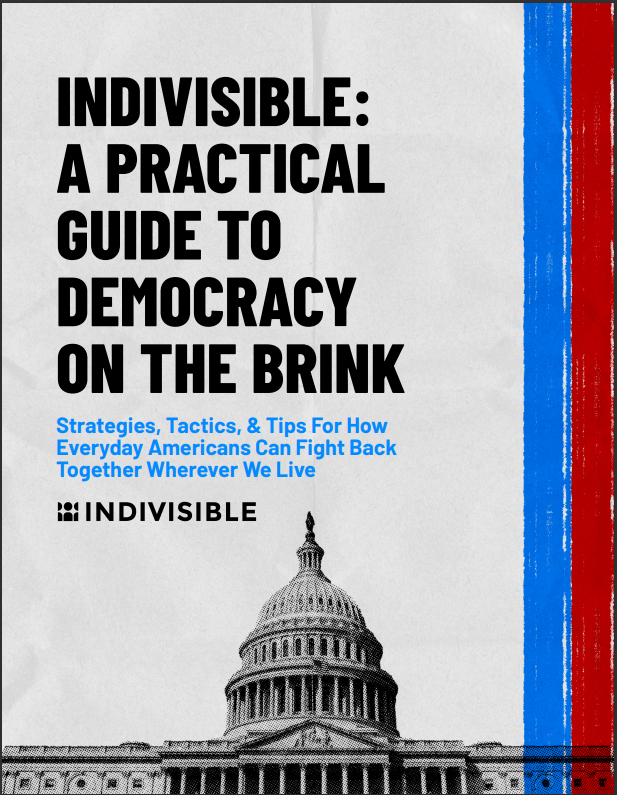
Democracy on the Brink

Democracy on the Brink

Introduction

Okay,let’s talk.Not about doom and gloom,but about something vital,something that affects every single one of us:democracy.You might be thinking,”Ugh,politics,”and I get it.But stick with me,because what’s happening right now feels a little…shaky.It feels like democracy,the very system designed to give us a voice,is teetering on the edge.

Forget the lofty pronouncements and historical treatises.Let’s be real.We’re seeing rising political polarization,the spread of misinformation,declining trust in institutions,and,frankly,a whole lot of anger.This isn’t just happening”somewhere else.”It’s happening here,in our communities,online,and sometimes even at our dinner tables.And the potential consequences,both short-term and long-term,are something we can’t afford to ignore.

Explanation of the Problem

The Here and Now: Short-Term Shocks

In the immediate future,the erosion of democratic norms translates into real-world problems.Think about it:increasingly bitter political battles paralyze governments,making it difficult to address crucial issues like healthcare,climate change,or economic inequality.The result?Gridlock.Progress stalls.Frustration boils over.

We’re already seeing this play out in many nations.The constant cycle of partisan bickering and political infighting erodes public confidence and makes people feel like their voices don’t matter.This,in turn,can lead to apathy and disengagement,further weakening the democratic process.

Another immediate threat is the rise of misinformation and disinformation.The internet and social media,while offering incredible opportunities for connection and information sharing,have also become fertile ground for falsehoods.These false narratives,often spread intentionally,can manipulate public opinion,sow discord,and undermine faith in legitimate sources of information.This makes it incredibly difficult to have informed public discourse,which is essential for a healthy democracy.

Consider the 2016 US presidential election.The spread of false information on social media platforms undoubtedly influenced public perception and may have even impacted the outcome of the election.This is just one example of how misinformation can have serious and immediate consequences.

The Long Game: Long-Term Shadows

Looking further down the line,the weakening of democratic institutions and processes could have even more profound and lasting consequences.A decline in trust in government,for instance,can lead to decreased civic participation.Why bother voting or engaging in community affairs if you believe the system is rigged or JAWABET88 that your voice doesn’t matter?This creates a vicious cycle,where declining participation further weakens democratic institutions.

Moreover,if democratic norms continue to erode,we risk sliding into authoritarianism or some other form of illiberal government.This is not hyperbole.History is littered with examples of democracies that crumbled under the weight of internal divisions,economic instability,and the rise of populist leaders who promised easy solutions.

The long-term impacts of this include:

  • Erosion of civil liberties:Freedoms of speech,assembly,and the press could be curtailed.
  • Increased inequality:The rule of law,which protects the rights of all citizens,could be weakened,leading to greater disparities in wealth and opportunity.
  • Political instability:A lack of democratic accountability could lead to social unrest and even violence.

These are not abstract concerns.They are real possibilities that we must actively work to prevent.

Solutions

So,what can we actually *do* to pull democracy back from the brink?The good news is,there are practical,actionable steps we can take,both individually and collectively.

Here are a few approaches:

  1. Boost Civic Education:One of the most fundamental things we can do is improve civic education.People need to understand how their government works,what their rights and responsibilities are,and how to engage in constructive dialogue.
    • Practical Application:Support local schools and community organizations that offer civics courses or workshops.Advocate for stronger civics education requirements in schools.
    • Example:iCivics,a non-profit organization founded by former Supreme Court Justice Sandra Day O’Connor,offers free and engaging civics resources for teachers and students.
  2. Combat Misinformation:We all have a responsibility to be critical consumers of information.This means fact-checking claims before sharing them,relying on credible sources,and being wary of emotionally charged content.
    • Practical Application:Use fact-checking websites like Snopes or PolitiFact to verify information before sharing it on social media.Be skeptical of news sources that have a clear political agenda.
    • Example:The Poynter Institute’s MediaWise project provides resources and training to help people identify and debunk misinformation.
  3. Promote Constructive Dialogue:We need to find ways to bridge divides and engage in respectful conversations,even with people who hold different views.This means listening actively,seeking to understand,and avoiding personal attacks.
    • Practical Application:Participate in community forums or workshops on dialogue and conflict resolution.Practice empathy and try to see things from the other person’s perspective.
    • Example:Braver Angels is a non-profit organization that facilitates workshops and debates between Republicans and Democrats,with the goal of fostering understanding and reducing polarization.
  4. Support Local Journalism:Local news outlets play a crucial role in holding local officials accountable and informing the public about important community issues.But many local newspapers are struggling to survive.
    • Practical Application:Subscribe to your local newspaper or news website.Support local journalists and organizations that are working to strengthen local news coverage.
    • Example:Report for America is a national service program that places talented journalists in local newsrooms to help cover underserved communities.
  5. Get Involved in Your Community:Democracy isn’t just about voting.It’s about actively participating in your community,whether it’s volunteering,attending town hall meetings,or running for local office.
    • Practical Application:Join a local community organization,volunteer for a cause you care about,or attend a town hall meeting to voice your concerns.
    • Example:Many communities have neighborhood associations or civic groups that work to improve the quality of life in their area.

Choosing Your Path: A Menu of Options

The beautiful thing about these solutions is that they’re not mutually exclusive.You can choose the ones that resonate with you the most and that fit your skills and interests.Maybe you’re passionate about education and want to volunteer at a local school.Maybe you’re a natural communicator and want to help facilitate constructive dialogues.Or maybe you’re a news junkie and want to support local journalism.

The point is,there’s something for everyone to do.And even small actions can make a big difference.

Conclusion

Look,the challenges facing democracy are real and significant.But they are not insurmountable.We have the power to shape our future.We have the power to strengthen our communities.We have the power to reclaim our democracy.

It won’t be easy.It will require hard work,dedication,and a willingness to engage with people who hold different views.But the stakes are too high to stand on the sidelines.

Let’s start today.Let’s start small.Let’s start by educating ourselves,combating misinformation,promoting constructive dialogue,supporting local journalism,and getting involved in our communities.

Democracy isn’t a spectator sport.It’s a participatory process.And it’s up to all of us to play our part.It’s time to get involved.Our future depends on it.