Sports

Israel: Crucible of History, Catalyst of Conflict.

Brief History of Israel-Hamas Ceasefire Agreements

Israel: Crucible of History, Catalyst of Conflict

Introduction

For millennia, the land now known as Israel has been a stage upon which empires have risen and fallen, faiths have taken root, and destinies have been forged. It’s a place brimming with historical significance, a cradle of civilization, and, undeniably, a region perpetually at the heart of global conflict. But why is this tiny sliver of land, smaller than Lake Michigan, such a persistent flashpoint? And more importantly, what can be done to navigate its complex and often turbulent waters?

A History Etched in Stone (and Strife)

Imagine a palimpsest – an ancient manuscript where layers of writing have been superimposed over each other for centuries. That’s Israel. From the ancient Israelites and the rise of Judaism to the Roman Empire, the Byzantine era, the Islamic conquests, the Crusades, the Ottoman rule, and finally, the British Mandate, the land has been shaped by a succession of cultures and powers, each leaving their indelible mark.

This dense layering of history is both a blessing and a curse. It’s a source of profound cultural and religious significance for Jews, Christians, and Muslims alike, making the land holy to billions. However, it also fuels competing narratives, territorial claims, and deeply entrenched grievances. The past is not just a memory here; it’s a living, breathing force that shapes the present.

The modern conflict, as we know it, largely stems from the late 19th and early 20th centuries, with the rise of Zionism – a movement advocating for the establishment of a Jewish homeland in Palestine – and the subsequent influx of Jewish immigrants. This coincided with growing Arab nationalism and a desire for self-determination, creating a collision course that ultimately led to the creation of the State of Israel in 1948 and the displacement of hundreds of thousands of Palestinians.

The Ripple Effects: Short-Term Pain, Long-Term Consequences

The Israeli-Palestinian conflict isn’t just a regional issue; its reverberations are felt globally. In the short term, the conflict leads to:

  • Humanitarian Crises: Ongoing cycles of violence result in loss of life, displacement, and suffering for both Israelis and Palestinians. Gaza, in particular, faces severe challenges due to the ongoing blockade and frequent conflicts.
  • Political Instability: The conflict fuels political instability in the region, hindering economic development and fostering extremism. It also acts as a proxy for larger geopolitical rivalries between regional and international powers.
  • Increased Security Threats: The ongoing tensions create a breeding ground for terrorist organizations and incite violence beyond the immediate borders of Israel and Palestine, impacting global security.

The long-term consequences TITANSLOT88 are even more daunting:

  • Erosion of Trust: Decades of conflict have eroded trust between Israelis and Palestinians, making it increasingly difficult to envision a peaceful future.
  • Radicalization: The cycle of violence breeds resentment and despair, leading to radicalization on both sides and perpetuating the conflict.
  • International Polarization: The conflict divides international opinion and strains diplomatic relations, hindering efforts to address other global challenges.
  • Economic Stagnation: The ongoing conflict stifles economic growth and investment in the region, hindering the potential for prosperity and stability.

Forging a Path Forward: Practical Solutions for a Complex Problem

While there’s no magic bullet to solve the Israeli-Palestinian conflict, there are practical steps that can be taken to de-escalate tensions and build a foundation for lasting peace. These solutions require a multi-faceted approach, addressing the political, economic, and social dimensions of the conflict.

  1. Confidence-Building Measures: These small, concrete steps are designed to foster trust and cooperation between Israelis and Palestinians. Examples include:
    • Joint Economic Projects: Promoting joint ventures in sectors like tourism, agriculture, and technology can create mutual benefits and foster economic interdependence.
    • People-to-People Programs: Supporting initiatives that bring Israelis and Palestinians together for dialogue, cultural exchange, and joint projects can help break down stereotypes and build empathy.
  2. Economic Development: Investing in sustainable economic development in both Israel and Palestine is crucial for creating opportunities, reducing poverty, and fostering stability.
    • Case Study: Rawabi: The planned Palestinian city of Rawabi serves as an example of how investment in infrastructure and housing can create jobs and improve living standards. Continued support for such initiatives is crucial.
    • Easing Restrictions: Removing restrictions on the movement of goods and people in the West Bank and Gaza would boost the Palestinian economy and create opportunities for trade and investment.
  3. Strengthening Governance: Strengthening democratic institutions and the rule of law in both Israel and Palestine is essential for ensuring accountability, transparency, and respect for human rights.
    • Supporting Civil Society: Empowering civil society organizations that promote human rights, democracy, and peace-building can help hold leaders accountable and foster a culture of dialogue and reconciliation.
    • Promoting Free and Fair Elections: Ensuring that both Israelis and Palestinians have the opportunity to participate in free and fair elections is crucial for legitimizing leadership and ensuring that the voices of the people are heard.
  4. Reviving the Peace Process: A renewed and sustained effort to revive the peace process is essential for achieving a two-state solution based on mutual recognition and respect.
    • Multilateral Approach: Engaging multiple international actors, including the United States, the European Union, and regional powers, can help create a more balanced and effective mediation process.
    • Focus on Core Issues: Addressing the core issues of borders, security, refugees, and Jerusalem in a comprehensive and equitable manner is crucial for achieving a lasting peace agreement.
  5. Education for Peace: Integrating peace education into school curricula and community programs can help cultivate a culture of tolerance, empathy, and understanding among future generations.
    • Bilingual Education: Promoting bilingual education programs that teach both Hebrew and Arabic can help bridge the linguistic and cultural divide between Israelis and Palestinians.
    • Historical Narratives: Encouraging the study of both Israeli and Palestinian historical narratives can help students develop a more nuanced and empathetic understanding of the conflict.

Conclusion: A Spark of Hope in a Land of History

The Israeli-Palestinian conflict is a deeply complex and emotionally charged issue. There are no easy answers, and the path to peace will be long and arduous. However, it’s not a hopeless cause. By focusing on practical solutions, fostering trust, and promoting dialogue, we can begin to chip away at the walls of division and build a future where both Israelis and Palestinians can live in peace and security.

The crucible of history has forged resilience in this region. The catalyst of conflict, though devastating, can also be a catalyst for change. The solutions outlined are not mere wishful thinking; they are grounded in reality and have the potential to make a real difference.

Let’s choose to be agents of change, supporting initiatives that promote dialogue, understanding, and cooperation. Let’s hold our leaders accountable for pursuing peace and justice. Let’s amplify the voices of those who are working tirelessly to build a better future for both Israelis and Palestinians.

The task ahead is challenging, but the potential rewards are immense. A future of peace, prosperity, and shared destiny awaits. Let’s work together to make that future a reality.

 

Africa Rising: A Continent Redefining Its Destiny

AfricaRisingCoverImage

AfricaRising:AContinentRedefiningItsDestiny

Introduction

Foryears,narrativessurroundingAfricahaveoftenbeenpaintedwithstrokesofhardship,conflict,andpoverty.Butscratchbeneaththesurface,andyou’llfindavibranttapestryofinnovation,resilience,andaburningdesiretoforgeanewpath.”AfricaRising”isn’tjustacatchyphrase;it’satangiblereality,acontinentactivelyrewritingitsstory,andtheworldisstartingtotakenotice.

AContinentontheMove:Short-TermTriumphs andLong-TermGoals

So,whatdoesthis”rising”actuallylooklike?Intheshortterm,we’reseeingremarkablestridesinseveralkeyareas.Mobiletechnologyisleapfroggingtraditionalinfrastructure,connectingcommunitiesanddrivingfinancialinclusionthroughmobilebankingserviceslikeM-Pesa.Entrepreneurshipisbooming,withyoungAfricanslaunchinginnovativestartupsthataddresslocalneedsandgenerateemployment.Furthermore,agrowingmiddleclassisdrivingdemandforgoodsandservices,fuelingeconomicgrowthacrossthecontinent.

However,thisriseisn’twithoutitschallenges.Corruption,politicalinstability,andinadequateinfrastructurecontinuetohinderprogressinsomeregions.Thelong-termvisionforAfricagoesbeyondsimplycatchinguptothedevelopedworld.It’saboutcreatingsustainable,inclusivegrowththatbenefitsallAfricans,preservingitsuniqueculturalheritage,andtakingitsrightfulplaceasagloballeader.

TheRoadblocks:Challenges totheAfricanDream

Whilethepotentialisimmense,severalhurdlesstandinthewayofAfricafullyrealizingitsdestiny:

  • InfrastructureDeficit:Insufficientroads,railways,andenergyinfrastructureimpedetrade,investment,andoveralleconomicdevelopment.
  • GovernanceandCorruption:Weakgovernanceandcorruptionundermineinvestorconfidence,divertresources,andstifleinnovation.
  • SkillsGap:Amismatchbetweentheskillsdemandedbythejobmarketandtheskillspossessedbytheworkforcelimitsproductivityandcompetitiveness.
  • ClimateChange:Africaisdisproportionatelyaffectedbyclimatechange,whichthreatensagriculture,waterresources,andlivelihoods.

Thesechallengesaresignificant,buttheyarenotinsurmountable.Withstrategicactionandacommittmenttosustainabledevelopment,Africacanovercometheseobstaclesandcontinueitsupwardtrajectory.

ForgingaNewPath:PracticalSolutionsforSustainableGrowth

HereareseveralpracticalsolutionsthatcanhelpAfricanavigatethesechallengesandaccelerateitsrise:

  • InvestinginInfrastructure:Governmentsshouldprioritizeinfrastructuredevelopment,focusingonprojectsthatconnectcommunities,facilitatetrade,andprovideaccesstoessentialservices.Public-privatepartnershipscanbeaneffectivewaytofinanceandmanagetheseprojects.
    • Example:TheLamuPort-SouthSudan-EthiopiaTransport(LAPSSET)CorridorprojectaimstoconnectEastAfricancountriesthroughanetworkofroads,railways,andpipelines,boostingregionaltradeandeconomicintegration.
  • StrengtheningGovernanceandCombatingCorruption:Promotingtransparency,accountability,andtheruleoflawarecrucialforattractinginvestmentandfosteringsustainabledevelopment.Implementinge-governanceinitiativescanhelpreducecorruptionandimproveservicedelivery.
    • Example:Rwandahasmadesignificantprogressinimprovinggovernancethroughtheuseoftechnologyandtheimplementationofanti-corruptionmeasures.
  • BridgingtheSkillsGap:InvestingineducationandvocationaltrainingisessentialforequippingAfricanswiththeskillstheyneedtosucceedinthe21st-centuryeconomy.Partnershipsbetweeneducationalinstitutionsandtheprivatesectorcanensurethattrainingprogramsarealignedwithindustryneeds.
    • Example:TheMastercardFoundationScholarsProgramprovidesscholarshipsandsupporttotalentedAfricanstudents,enablingthemtovaccessequalityeducationanddeveloptheskillsneededtodrivechangeintheircommunities.
  • EmbracingSustainableDevelopment:Africacanleverageitsabundantnaturalresourcestopoweritsgrowthwhileprotectingtheenvironment.Investinginrenewableenergy,promotingsustainableagriculture,andprotectingbiodiversityarecrucialforensuringasustainablefuture.
    • Example:Moroccohasemergedasaleaderinrenewableenergy,withambitiousplanstogenerateasignificantportionofitselectricityfromsolarandwindpower.

AlternativeApproaches:TailoringSolutionstoLocalContexts

Whilethesesolutionsofferasolidframework,it’scrucialtorecognizethatAfricaisadiversecontinent,andthere’snoon-size-fits-allapproach.Herearesomealternativestrategies:

  • FocusonRegionalIntegration:Strengtheningregionaltradeblocsandpromotingcross-bordercooperationcanboosteconomicgrowthandcreateopportunitiesforAfricanbusinesses.
  • LeveragetheDiaspora:EngagingtheAfricandiasporacanbringvaluableskills,knowledge,andinvestmenttothecontinent.
  • PromoteInclusiveGrowth:Ensuringthatthebenefitsofeconomicgrowtharesharedequitablyacrossallsegmentsofsocietyisessentialforlong-termstabilityandsocialcohesion.

ExamplesofSuccessStories

Acrossthecontinent,weseeinspiringexamplesofsuccessthathighlightthepotentialof”AfricaRising”:

  • Ethiopia:Thenation’sfocusoninvestmentsininfrastructureandmanufacturinghasmadeitoneofthefastestgrowingeconomiesinAfrica.
  • Ghana:Ghanahasenhanceditseconomicstatusthroughinitiativessuchasthe”YearofReturn”andtheencouragementoflocalbusinesses.
  • Kenya:Aglobalhubfortechnologyandinnovation,Kenyahasfostereditseconomicgrowththroughentrepreneurshipandmobiletechnology.

TheFutureisNow:EmbracingtheAfricanRenaissance

“AfricaRising”isn’tjustafuturepossibility;it’sapresentreality.Despitethechallenges,thecontinentisshowingremarkableresilienceandingenuity.Byembracinginnovation,investinginitspeople,andpromotinggoodgovernance,Africaispoisedtoredefineitsdestinyandtakeitsplaceasaglobalpowerhouse.

Thetimetoactisnow.Whetheryou’reaninvestor,anentrepreneur,orsimplysomeonewhobelievesinthepotentialofAfrica,there’saroleforyoutoplayinthisexcitingjourney.Let’sworktogethertocreateabrighterfutureforAfrica,afuturewhereeveryAfricanhastheopportunitytothriveandreachtheirfullpotential.Theseedsofchangehavebeensown;now,let’snurturethemandwatchAfricablossom.

Asia: The World’s Pivot.

Asia:TheWorld’sPivotAsia Pivot

Asia:TheWorld’sPivot

Introduction

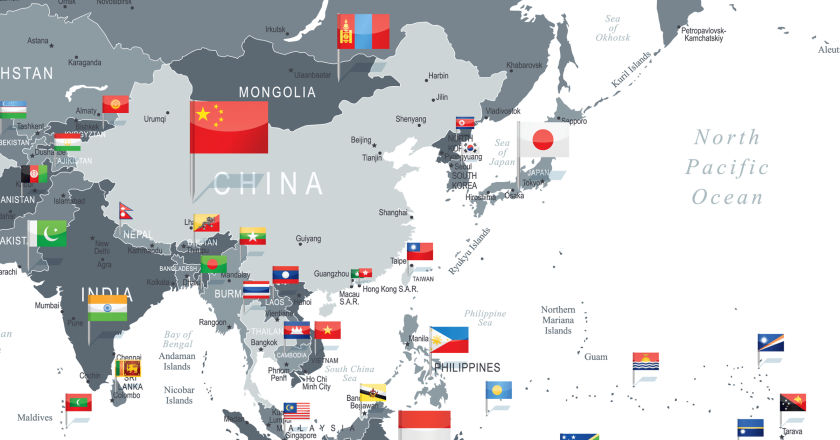
Remember when everyone talked about the “rise of China”? Well, buckle up, because the story is way bigger than just one country. Asia, as a whole, is rapidly shifting from a continent often viewed through the lens of manufacturing and emerging markets to a global powerhouse – the veritable pivot point of the 21st century.

But why now? And what does this shift really mean for you, whether you’re a business owner, an investor, or simply someone trying to understand where the world is headed? Let’s dive in and explore the forces driving this monumental change, the challenges it presents, and, most importantly, the opportunities it unlocks.

ThePerfectStorm:DriversofAsia’sAscendancy

Several factors are converging to propel Asia forward. First, let’s talk about demographics. Asia is home to over half the world’s population, a vast consumer market with increasingly sophisticated tastes and disposable income. This massive population isn’t just cheap labor anymore; it’s a dynamic source of innovation and demand.

Then there’s technology. Forget the image of Asia as simply a follower; many Asian nations are now at the forefront of technological advancements. South Korea dominates in semiconductors, Singapore is a fintech hub, and China is leading the charge in AI and renewable energy. This technological prowess is fueling rapid economic growth and creating new industries.

Finally, we can’t ignore the geopolitical landscape. As Western economies grapple with their own challenges, Asia is stepping up to fill the void, forging new trade alliances and asserting its influence on the global stage. The Regional Comprehensive Economic Partnership (RCEP), the world’s largest free trade agreement, is just one example of this growing economic integration.

Short-TermTurbulence,Long-TermTransformation

This rapid shift isn’t without its bumps. In the short term, we’re seeing:

  • Supply Chain Disruptions: The pandemic exposed the vulnerabilities of relying heavily on Asian supply chains. Lockdowns and geopolitical tensions can cause major headaches for businesses worldwide.
  • Geopolitical Risk: Tensions in the South China Sea, the ongoing situation in Myanmar, and the complex relationship between China and the United States create uncertainty and volatility.
  • Income Inequality: Despite overall economic growth, wealth is not always distributed evenly. Addressing income inequality is crucial for long-term stability.

Looking further ahead, the long-term implications are transformative:

  • Shifting Economic Power: The global economic center of gravity is undoubtedly moving eastward. This will reshape trade flows, investment patterns, and international relations.
  • New Consumer Markets: Asia’s growing middle class represents a massive opportunity for businesses across all sectors, from luxury goods to healthcare.
  • Technological Innovation: Asian companies are poised to lead the way in many key technologies, shaping the future of industries like AI, robotics, and clean energy.

NavigatingtheNewAsianLandscape:PracticalSolutions

So, how can you navigate this new landscape and capitalize on the opportunities it presents? Here are some practical solutions:

  1. DiversifyYourSupplyChains:Don’t put all your eggs in one basket. Explore alternative sourcing options in Southeast Asia, India, or even Latin America to reduce your reliance on any single country or region.
    • Example:Many companies that previously relied solely on China for manufacturing are now establishing production facilities in Vietnam and Thailand to diversify their supply chains.
  2. EmbraceDigitalization:Invest in digital technologies to improve efficiency, enhance communication, and reach new customers in Asia. This includes e-commerce platforms, digital marketing tools, and data analytics.
    • Case Study:A small European fashion brand successfully expanded into the Asian market by partnering with local e-commerce platforms and using social media marketing to build brand awareness.
  3. UnderstandLocalCulture:Asia is not a monolith. Each country has its own unique culture, customs, and business practices. Take the time to learn about these differences and adapt your approach accordingly.
    • Tip:Hire local experts who understand the cultural nuances of the markets you’re targeting.
  4. InvestinEducationandTraining:Equip your workforce with the skills they need to succeed in the new Asian economy. This includes language training, cultural awareness programs, and technical skills development.
  5. ForgeStrategicPartnerships:Collaborate with local companies to gain access to new markets, technologies, and expertise. These partnerships can help you navigate the complex regulatory environment and build trust with local stakeholders.
    • Example:A US-based renewable energy company partnered with a local construction firm in India to develop a solar power project, leveraging the local company’s knowledge of the market and regulatory landscape.

AlternativeApproaches:ChoosingYourPath

There’s no one-size-fits-all approach to engaging with Asia. Here are a few alternative strategies to consider:

  • Focus on Niche Markets: Instead of trying to compete with established players in large markets like China and India, identify niche markets with specific needs and tailor your products or services accordingly.
  • LeverageRegionalTradeAgreements: Take advantage of regional trade agreements like RCEP and the Comprehensive and Progressive Agreement for Trans-Pacific Partnership (CPTPP) to reduce tariffs and barriers to trade.
  • InvestinSustainableDevelopment: Focus on projects that promote sustainable development and address social and environmental challenges in Asia. This can help you build a positive brand image and attract socially conscious consumers.

AFutureForgedinCollaborationandInnovation

Asia’s rise is not a threat, but an opportunity. It’s a chance to collaborate, innovate, and build a more prosperous and sustainable future for all. By understanding the drivers of this transformation, navigating the challenges, and embracing the opportunities, you can position yourself to thrive in the new Asian landscape.

The world is indeed pivoting towards Asia. This shift demands adaptability, understanding, and a willingness to embrace new perspectives. Don’t just watch from the sidelines; become an active participant in shaping this exciting new chapter in global history. The time to act is now. Don’t be left behind. The future is being written in Asia, and you can be a part of the story.

Indonesia: Archipelago of Astonishment

“`html
Indonesia: Archipelago of AstonishmentRaja Ampat

Indonesia: Archipelago of Astonishment

Introduction

Imagine waking up to the sound of gamelan music drifting on the breeze, the scent of clove and ginger clinging to the air, and the sight of volcanic peaks piercing a turquoise sky. This isn’t a scene from a dream; it’s just another day in Indonesia, an archipelago of astonishment that’s teeming with life, both natural and cultural. Stretching across over 17,000 islands, Indonesia is a vibrant tapestry woven with ancient traditions, breathtaking landscapes, and a resilient spirit. But beneath the surface of this paradise lies a complex challenge that threatens to unravel the very fabric of its beauty: plastic pollution.

Indonesia’s allure is undeniable. From the emerald rice paddies of Bali to the orangutan-filled jungles of Sumatra, from the Komodo dragons stalking their prey on remote islands to the bustling megacity of Jakarta, the country offers an unparalleled sensory experience. Yet, this biodiversity hotspot is drowning in plastic, a stark contrast that demands our attention.

The Tide of Trouble: Understanding the Problem

The plastic problem in Indonesia isn’t just about unsightly litter on pristine beaches. It’s a multifaceted crisis that’s impacting the environment, the economy, and the health of its citizens. Imagine the majestic coral reefs, once vibrant ecosystems teeming with life, now choked by plastic bags and bottles. Picture fishing communities, struggling to earn a living as their catches dwindle due to polluted waters. Envision the long-term health consequences of ingesting microplastics through contaminated seafood. The reality is grim.

Short-Term Impacts: A Visible Crisis

  • Devastated Marine Ecosystems: Coral reefs are bleached and smothered, fish populations decline, and endangered species like sea turtles and dugongs are threatened.
  • Economic Hardship: Tourism, a vital industry for many coastal communities, suffers as beaches become littered and unattractive. Fishing yields decrease, impacting the livelihoods of local fishermen.
  • Public Health Concerns: Improper waste disposal leads to the spread of disease and contaminates water sources.

Long-Term Impacts: A Looming Threat

  • Ecosystem Collapse: The long-term degradation of marine and terrestrial ecosystems could lead to irreversible biodiversity loss, impacting the delicate balance of nature.
  • Food Security Risks: Contamination of seafood and agricultural land could jeopardize food security for a nation heavily reliant on both.
  • Climate Change Acceleration: Plastic production and incineration contribute significantly to greenhouse gas emissions, exacerbating the effects of climate change, including rising sea levels and extreme weather events.

Turning the Tide: Practical Solutions for a Brighter Future

The good news is that the situation isn’t hopeless. Indonesia has the potential to turn the tide and create a sustainable future. The key lies in implementing practical, adaptable, and comprehensive solutions. Here are some approaches, offering alternative pathways for different communities and contexts:

  1. Strengthening Waste Management Infrastructure:

    The Approach: Improving collection, sorting, and recycling systems is crucial. This involves investing in modern waste management facilities, providing adequate bins and collection services, and educating communities on proper waste segregation.

    Example: Surabaya, Indonesia’s second-largest city, has implemented a “Bus for Bottles” program, allowing residents to exchange plastic bottles for bus tickets. This initiative encourages recycling and reduces plastic waste in public spaces.

  2. Promoting Circular Economy Principles:

    The Approach: This involves shifting away from a linear “take-make-dispose” model to a circular system where materials are reused, repaired, and recycled. This includes supporting businesses that use recycled materials and promoting the development of eco-friendly alternatives to plastic.

    Example: Avani Eco, an Indonesian company, produces biodegradable and compostable alternatives to plastic bags, straws, and food packaging made from cassava starch and other plant-based materials.

  3. Enhancing Education and Awareness:

    The Approach: Educating the public about the impacts of plastic pollution and the importance of responsible waste management is essential. This can be achieved through public awareness campaigns, school programs, and community workshops.

    Example: Sungai Watch, an organization dedicated to cleaning up Indonesian rivers, conducts educational workshops for local communities, teaching them about waste management and the importance of keeping rivers clean.

  4. Implementing Stricter Regulations and Enforcement:

    The Approach: Governments need to implement and enforce regulations that reduce plastic production, promote recycling, and penalize illegal dumping. This includes banning single-use plastics, implementing extended producer responsibility schemes, and increasing fines for littering.

    Example: Bali banned single-use plastics in 2019, including plastic bags, straws, and Styrofoam. This regulation has significantly reduced plastic waste on the island.

  5. Empowering Local Communities:

    The Approach: Engaging local communities in the design and implementation of waste management solutions is crucial for their success. This involves providing them with the resources and training they need to manage waste effectively and creating economic opportunities through recycling initiatives.

    Example: Many coastal communities in Indonesia have established local waste banks, where residents can deposit recyclable materials and receive cash or other incentives. This not only reduces waste but also provides a source of income for local families.

A Shared Responsibility: Taking Action Together

Addressing the plastic crisis in Indonesia requires a collective effort. Governments, businesses, communities, and individuals all have a role to play.

  • Individuals: Reduce your consumption of single-use plastics, recycle properly, and participate in cleanup initiatives.
  • Businesses: Adopt sustainable packaging practices, support recycling programs, and invest in research and development of eco-friendly alternatives.
  • Governments: Implement stricter regulations, invest in waste management infrastructure, and promote education and awareness campaigns.

Archipelago of Hope: A Future We Can Create

Indonesia’s journey to overcome the plastic crisis will be challenging, but the potential rewards are immense. By embracing innovative solutions, fostering collaboration, and empowering local communities, Indonesia can reclaim its title as an archipelago of astonishment, a land where breathtaking beauty and sustainable practices coexist in harmony.

Imagine future generations inheriting a pristine Indonesia, where coral reefs thrive, rivers run clean, and the air is free from the stench of burning plastic. This vision is within reach. It requires dedication, innovation, and a shared commitment to protecting this incredible archipelago for generations to come. Let us all play our part in turning the tide and creating a future where Indonesia’s beauty shines brighter than ever before. It’s time to transform our concern into concrete action. Let the journey begin!


“`

Japan: The Unfolding Enigma

Japan: The Unfolding EnigmaThe Enigma at Amigara Fault

Japan: The Unfolding Enigma

Introduction

Japan. The land of the rising sun, ancient traditions, and cutting-edge technology. A nation that has captivated the world for centuries with its unique blend of the old and the new. But beneath the shimmering surface of bullet trains and serene temples lies a complex reality, an unfolding enigma that presents both challenges and opportunities. For a while now, Japan has been facing a multitude of problems that are starting to threaten the very fabric of society. Now, we will dive into some of these issues and see the short and long-term effects, and how we can find some potential solutions to these issues.

The Demographic Dilemma: A Shrinking and Aging Population

Perhaps the most pressing issue facing Japan is its rapidly aging and shrinking population. For decades, birth rates have been declining, while life expectancy continues to rise. This demographic shift has profound implications for the nation’s economy, social security system, and overall societal structure.

Short-Term Impacts:

  • Labor Shortages: With fewer young people entering the workforce, Japan is facing severe labor shortages in various sectors, from healthcare and construction to agriculture and manufacturing.
  • Strained Social Security: A smaller working population must support a growing number of retirees, putting immense pressure on the pension system and healthcare services.
  • Economic Stagnation: Reduced consumer spending and investment due to a shrinking population can hinder economic growth and innovation.

Long-Term Impacts:

  • Decline in Competitiveness: Without a vibrant and skilled workforce, Japan risks losing its competitive edge in the global market.
  • Rural Depopulation: Young people are increasingly moving to urban centers, leaving rural areas with dwindling populations and struggling economies.
  • Cultural Preservation Challenges: As the older generation passes away, there is a risk of losing traditional skills, customs, and cultural heritage.

Economic Challenges: Navigating a Changing Global Landscape

Japan’s economic miracle of the post-World War II era is now a distant memory. The nation has struggled with deflation, low growth, and increasing global competition.

Short-Term Impacts:

  • Weak Domestic Demand: Persistent deflation and stagnant wages have dampened consumer spending and business investment.
  • Dependence on Exports: Japan’s reliance on exports makes it vulnerable to global economic fluctuations and trade tensions.
  • Technological Disruption: Rapid advancements in artificial intelligence, automation, and other technologies threaten jobs and industries.

Long-Term Impacts:

  • Erosion of Living Standards: Without sustained economic growth, Japan risks a decline in living standards and social inequality.
  • Loss of Technological Leadership: Failure to adapt to new technologies could lead to a loss of its dominance in key industries.
  • Geopolitical Implications: A weaker economy could diminish Japan’s influence in the international arena.

Societal Pressures: Adapting to Changing Values and Expectations

Japanese society is undergoing a transformation as traditional values clash with modern expectations. Issues such as work-life balance, gender inequality, and social isolation are becoming increasingly prominent.

Short-Term Impacts:

  • Mental Health Issues: Long working hours, intense competition, and social pressures contribute to stress, anxiety, and depression.
  • Gender Inequality: Women continue to face barriers to career advancement and equal pay, hindering their full participation in the workforce.
  • Social Isolation: A growing number of people, especially young adults, are experiencing social isolation and loneliness.

Long-Term Impacts:

  • Decline in Social Cohesion: Eroding social bonds and increasing polarization could undermine the sense of community and national identity.
  • Talent Drain: Frustrated and disillusioned individuals may seek opportunities abroad, leading to a loss of valuable human capital.
  • Political Instability: Growing social unrest and discontent could lead to political instability and policy gridlock.

Possible Solutions and Strategies

Addressing these multifaceted challenges requires a comprehensive and coordinated approach involving government, businesses, and individuals. Here are some potential solutions:

  1. Boosting Birth Rates and Supporting Families:
    • Financial Incentives: Provide generous subsidies for childcare, parental leave, and education to alleviate the financial burden of raising children.
    • Workplace Reforms: Promote flexible work arrangements, shorter working hours, and a culture that values work-life balance to make it easier for parents to balance work and family responsibilities.
    • Expanded Childcare Services: Increase the availability and affordability of high-quality childcare services to support working parents.
  2. Revitalizing the Economy and Fostering Innovation:
    • Deregulation and Structural Reforms: Reduce bureaucratic red tape, promote competition, and encourage entrepreneurship to unleash economic dynamism.
    • Investment in Technology and Innovation: Increase funding for research and development, support startups, and create an ecosystem that fosters innovation in areas such as AI, robotics, and biotechnology.
    • Attracting Foreign Investment and Talent: Streamline visa processes, improve language education, and promote Japan as an attractive destination for foreign businesses and skilled workers.
  3. Promoting Gender Equality and Social Inclusion:
    • Equal Pay and Opportunities: Enforce equal pay laws, promote women to leadership positions, and eliminate gender bias in hiring and promotion practices.
    • Workplace Diversity and Inclusion: Create a workplace culture that values diversity, promotes inclusion, and provides equal opportunities for all individuals, regardless of gender, ethnicity, or sexual orientation.
    • Support for Socially Isolated Individuals: Provide mental health services, create community programs, and promote social interaction to combat loneliness and isolation.

Conclusion: A Path Forward

Japan’s challenges are significant, but they are not insurmountable. By embracing bold reforms, fostering innovation, and prioritizing the well-being of its citizens, Japan can navigate these challenges and create a brighter future.

The solutions discussed here are not exhaustive, and the specific approach will need to be tailored to Japan’s unique circumstances. However, the underlying principles of investing in people, fostering innovation, and promoting social inclusion are universally applicable.

Japan has a long history of resilience and adaptability. By harnessing its strengths and embracing change, the nation can overcome its current challenges and continue to be a global leader in the 21st century.

China’s Century: Crucible of Change

China’s Century: Crucible of ChangeChinese Fining and Blast Furnace

China’s Century: Crucible of Change

Introduction

Okay, let’s talk China. Not just the Great Wall and Kung Fu Panda China, but the China that’s reshaping our world at breakneck speed. “China’s Century” isn’t just some catchy headline – it’s a reality unfolding before our eyes, a reality brimming with both immense opportunity and daunting challenges. Think of it as a crucible, a vessel forged in intense heat, where old structures are melting and new possibilities are being molded.

Why should you care? Because what happens in China doesn’t stay in China anymore. Its economic decisions, technological advancements, and geopolitical strategies ripple across the globe, impacting everything from your investment portfolio to the climate you live in.

So, what are these game-changing forces, and how can we navigate them? Let’s dive in.

The Dragon’s Breath: Challenges Forged in Growth

China’s rise has been nothing short of meteoric. We’re talking about a nation that, within a few decades, lifted hundreds of millions out of poverty and became the world’s second-largest economy. But this rapid ascent comes with a price.

  • Environmental Strain: The breakneck industrialization has left a significant environmental footprint. Smog-choked cities, depleted resources, and escalating carbon emissions pose serious long-term threats, not just for China, but for the entire planet. Think about it: the sheer scale of China’s industry means its environmental practices have a global impact on air and water quality.
    • Short-Term Impact: Increased health problems, disruption to agriculture, and pressure on international climate agreements.
    • Long-Term Impact: Irreversible damage to ecosystems, rising sea levels, and increased global instability.
  • Economic Imbalances: While some regions have thrived, others lag behind, creating a widening income gap. This disparity breeds social unrest and limits the nation’s overall potential. The gleaming skyscrapers of Shanghai stand in stark contrast to the rural communities struggling to keep pace.
    • Short-Term Impact: Social unrest, internal migration, and pressure on social welfare systems.
    • Long-Term Impact: Slower economic growth, increased inequality, and potential for political instability.
  • Geopolitical Tensions: China’s growing influence is naturally creating friction with established global powers. Disputes over trade, technology, and territorial claims are increasingly common. Imagine the world stage as a crowded room – China’s arrival means everyone else has to adjust their position.
    • Short-Term Impact: Trade wars, heightened military spending, and increased diplomatic pressure.
    • Long-Term Impact: Shift in global power dynamics, potential for military conflict, and a reshaping of international alliances.

Forging a New Path: Practical Solutions for a Sustainable Future

These challenges are daunting, but not insurmountable. The good news is that China recognizes these issues and is actively seeking solutions. The key is to approach these challenges with innovative and practical solutions that drive meaningful change.

Here are a few paths forward:

  1. Green Technology Revolution: China can become a global leader in renewable energy and clean technologies. The government is already investing heavily in solar, wind, and electric vehicles. Imagine a future where Chinese innovation drives down the cost of clean energy for the whole world.
    • Example: China’s rapid adoption of electric buses in major cities demonstrates its commitment to reducing emissions. The city of Shenzhen, for instance, has transitioned its entire bus fleet to electric vehicles.
  2. Sustainable Development Zones: Creating targeted zones focused on eco-friendly industries and responsible resource management can help balance economic growth with environmental protection.
    • Example: The Sino-Singapore Tianjin Eco-City, a collaborative project between China and Singapore, is a prime example of a sustainable development zone focused on green building, renewable energy, and waste management.
  3. Strategic Trade Partnerships: Building relationships with countries that prioritize fair trade and sustainable practices can foster economic cooperation while promoting ethical business standards.
    • Example: China’s Belt and Road Initiative, while controversial, has the potential to promote sustainable development by investing in infrastructure and renewable energy projects in developing countries. By focusing on green infrastructure, China can influence other nations to adopt eco-friendly practices.
  4. Invest in Education and Innovation: To address economic imbalances, investing in education and innovation in less developed regions can create opportunities and foster economic growth.
    • Example: By providing scholarships and establishing research centers in rural areas, the government can nurture local talent and encourage innovation.

Alternative Approaches: A Menu of Possibilities

Different situations call for different strategies. Here’s a look at alternative approaches that businesses and individuals can adapt:

  • For Businesses:
    • Embrace Green Supply Chains: Prioritize suppliers with strong environmental track records.
    • Localize Production: Reduce transportation costs and support local economies by manufacturing closer to consumers.
    • Invest in R&D: Develop sustainable products and processes that appeal to environmentally conscious consumers.
  • For Individuals:
    • Support Eco-Friendly Brands: Choose products and services from companies committed to sustainability.
    • Reduce Your Carbon Footprint: Opt for public transportation, conserve energy, and recycle.
    • Engage in Dialogue: Support policies that promote environmental protection and social equity.

The Crucible’s Glow: A Future Forged with Purpose

“China’s Century” is not a guarantee, but a possibility. It’s a moment in history where the choices made today will determine the future of the world. The challenges are real, but so is the potential for transformation. By embracing innovation, prioritizing sustainability, and fostering collaboration, China can not only secure its own future, but also contribute to a more prosperous and equitable world for all.

You might be asking yourself, “What can I do?” Remember, even small actions can contribute to a bigger change. By staying informed, making conscious choices, and advocating for a more sustainable future, you can play a vital role in shaping the outcome of this unfolding story.

The crucible is hot, but the potential is there to forge something truly remarkable. Let’s work together to ensure that “China’s Century” is a century of progress, sustainability, and shared prosperity. The future is not something that happens to us – it’s something we create. So let’s get to work!

India: The Unfolding Century.


India:The Unfolding CenturyCourting India Book Cover

India:The Unfolding Century

Introduction

Imagine a tapestry, vibrant and complex, still being woven. Threads of tradition intertwine with threads of innovation, creating a picture that’s both familiar and utterly new. That’s India today, and the next few decades promise to be its most transformative yet. This isn’t just about economic growth figures or political maneuvering; it’s about a nation redefining itself, facing its challenges head-on, and striving to realize its immense potential. Let’s dive into this unfolding story.

The Short Game: Triumphs and Tangles

Right now, India’s at a fascinating crossroads. The “India story” is undeniably compelling. Its booming tech sector, driven by a young and increasingly skilled workforce, is creating ripples globally. Companies like Infosys and Tata Consultancy Services are not just outsourcing hubs anymore; they’re innovators, pushing the boundaries of AI, cloud computing, and fintech.

The digital revolution, fueled by cheap data and affordable smartphones, is connecting hundreds of millions to the internet, creating a massive market and empowering individuals in unprecedented ways. Think of the farmer in a remote village now able to access weather forecasts and market prices on his phone, cutting out middlemen and improving his livelihood.

But let’s be real: the picture isn’t all sunshine and roses. Rapid urbanization is straining infrastructure, leading to congested cities and environmental challenges. The healthcare system, while improving, still struggles to reach everyone, especially in rural areas. And income inequality remains a stubborn hurdle, threatening to leave many behind.

Consider the challenge of water scarcity. A report by NITI Aayog projected that 21 Indian cities would run out of groundwater by 2020 – a stark warning that demands urgent action. This scarcity affects agriculture, industry, and daily life, impacting millions.

The Long View: Building a Sustainable Future

Looking further down the line, the stakes are even higher. India’s demographic dividend – its large, young population – presents a massive opportunity, but only if these young people are equipped with the skills and education needed for the jobs of the future. Climate change looms large, threatening to exacerbate existing challenges like water scarcity and food security. And geopolitical shifts are reshaping the world order, demanding that India play an increasingly active role on the global stage.

Think about the energy sector. India’s rapidly growing economy needs massive amounts of energy, but relying on fossil fuels is not sustainable in the long run. The transition to renewable energy sources like solar and wind is crucial, but it requires significant investment, technological innovation, and a shift in mindset.

Solutions: A Multifaceted Approach

So, how can India navigate these complexities and unlock its full potential? There’s no single answer, but here are a few key areas where focused action can make a real difference:

  • Investing in Education and Skills:This is the bedrock of any sustainable future. It’s not just about literacy rates; it’s about equipping young people with critical thinking skills, creativity, and the ability to adapt to a rapidly changing world. Vocational training programs, tailored to the needs of specific industries, are crucial.
    • Example:The Skill India Mission is a good start, but it needs to be scaled up and made more effective. Partnering with private sector companies to design and deliver training programs can ensure that graduates have the skills that employers are looking for.
  • Sustainable Urban Development:Cities are engines of growth, but they need to be planned and managed sustainably. This means investing in public transportation, promoting energy-efficient buildings, and managing waste effectively.
    • Example:The Smart Cities Mission aims to transform Indian cities into sustainable and livable spaces. Key initiatives include integrated traffic management, smart grids for energy distribution, and waste management systems.
  • Harnessing Technology for Good:Technology can be a powerful tool for addressing many of India’s challenges. From telemedicine to precision agriculture, the possibilities are endless.
    • Example:The use of drones for crop monitoring can help farmers optimize their irrigation and fertilizer use, improving yields and reducing environmental impact.
  • Promoting Inclusive Growth:Economic growth needs to benefit everyone, not just a select few. This means creating opportunities for marginalized communities, promoting gender equality, and ensuring access to basic services for all.
    • Example:Microfinance institutions have played a significant role in empowering women entrepreneurs in rural areas. By providing access to credit, these institutions enable women to start their own businesses and improve their livelihoods.
  • Embracing Renewable Energy:Transitioning to renewable energy sources is essential for mitigating climate change and ensuring energy security.
    • Example:India’s commitment to solar energy is commendable. The Jawaharlal Nehru National Solar Mission aims to increase the share of solar energy in the country’s energy mix. Providing incentives for rooftop solar installations and supporting research and development in solar technologies can further accelerate the transition.

It is also important to consider a mix of different solutions. For instance, one approach is to emphasize decentralized, localized solutions. This might involve promoting community-based renewable energy projects, empowering local governments to manage water resources, and supporting small-scale enterprises in rural areas. Another approach would be to focus on strengthening the social safety net, providing unemployment benefits, and ensuring access to healthcare and education for all.

A Call to Action: Shaping the Future

The unfolding century presents both challenges and opportunities for India. It is a moment that calls for collaboration, innovation, and a commitment to building a better future for all. The threads of this tapestry are still being woven, and each of us has a role to play in shaping the final picture. Whether it’s supporting sustainable businesses, volunteering in your community, or simply making more conscious consumer choices, every action counts.

The story of India is far from written. It’s a story of resilience, innovation, and a deep-rooted belief in the power of human potential. It’s a story that’s still unfolding, and we’re all invited to be a part of it. Let’s embrace the challenges, seize the opportunities, and work together to create a future that’s worthy of the dreams of a billion people. It’s time to roll up our sleeves and get to work. The future is ours to build.

America: Reckoning.

America: ReckoningImage

America:Reckoning

Introduction

We stand at a crossroads.Not just another political squabble,not just a fleeting economic downturn,but a fundamental moment of reckoning.Look around.The cracks are widening.From simmering social divisions to a climate in crisis,and a growing sense of economic unease,it’s clear the foundations of the America we thought we knew are being tested like never before.This isn’t about assigning blame,it’s about acknowledging reality and asking ourselves a crucial question: what are we going to do about it?

Think of it like this: America is a grand old house.Built with ambition,grit,and a dash of audacity.But years of neglect,a few rushed repairs,and a reluctance to address the underlying issues have left it… well,a little rickety.Ignoring the creaks and groans won’t make them disappear.They’ll just get louder,and eventually,something will break.

But before you start picturing a dystopian collapse,let’s take a deep breath.Reckoning doesn’t have to mean ruin.It can mean renewal.It can mean confronting the uncomfortable truths,dusting off the blueprints,and getting to work on building a stronger,more resilient future.

The Cracks in the Foundation: Short-Term Pain, Long-Term Consequences

So,what are these “cracks” we’re talking about? Let’s break it down.

  • The Deepening Divide:Political polarization is at an all-time high.We’re not just disagreeing; we’re demonizing each other.This spills over into everything – from dinner table conversations to national policy.The short-term impact? Gridlock, frustration, and a growing sense of alienation.The long-term? A fractured society unable to address critical challenges,making common ground feel like a distant memory.
  • The Climate Clock is Ticking:The effects of climate change are no longer a distant threat.We’re seeing more frequent and intense extreme weather events – floods, wildfires, droughts – impacting communities across the country.In the short-term,this means displacement, economic disruption, and humanitarian crises.Long-term? The very livability of certain regions is at stake, impacting food security, infrastructure, and the overall stability of our society.
  • The Economic Squeeze:For many Americans,the dream of upward mobility feels increasingly out of reach.Stagnant wages, rising costs of living, and crushing student debt are squeezing the middle class.The short-term consequence? Anxiety, stress, and a sense of being left behind.The long-term? A shrinking middle class, increased inequality, and potential for social unrest.

A Blueprint for Renewal: Practical Solutions for a Better Future

Okay,enough doom and gloom.Let’s talk about solutions.This isn’t about utopian fantasies; it’s about practical, achievable steps we can take to address these challenges.

  • Bridging the Divide: Fostering Dialogue and Empathy:We need to actively cultivate spaces for civil discourse and bridge the divides that separate us.
    • Community Initiatives:Support organizations that promote dialogue and understanding across political lines.Initiatives like “Braver Angels,”which facilitates workshops bringing together Republicans and Democrats to discuss their differences respectfully,have shown promising results.
    • Media Literacy:Teach critical thinking skills to combat misinformation and promote a more nuanced understanding of complex issues.
    • Local Engagement:Get involved in local politics and community organizations.Building relationships with people who hold different views can humanize the “other side” and foster empathy.
  • Addressing Climate Change: A Multi-Pronged Approach:We need to transition to a sustainable economy and mitigate the impacts of climate change.
    • Investing in Renewable Energy:Support policies that incentivize the development and deployment of renewable energy sources like solar, wind, and geothermal.The success of Germany’s “Energiewende”(energy transition) demonstrates the potential for large-scale adoption of renewable energy.
    • Sustainable Infrastructure:Invest in infrastructure that is resilient to climate change,such as flood defenses, drought-resistant crops, and efficient transportation systems.
    • Carbon Pricing:Implement carbon pricing mechanisms,such as carbon taxes or cap-and-trade systems,to make polluters pay for the environmental damage they cause.
  • Creating Economic Opportunity: A Fairer Playing Field:We need to address income inequality and create economic opportunities for all Americans.
    • Investing in Education:Expand access to quality education and job training programs to equip individuals with the skills they need to succeed in the 21st-century economy.Programs like “Year Up,”which provide young adults with job training and internships,have a proven track record of success.
    • Raising the Minimum Wage:Increase the minimum wage to a living wage to ensure that all workers can earn enough to support themselves and their families.
    • Supporting Small Businesses:Provide resources and support to small businesses,which are the backbone of the American economy.

Your Role in the Reckoning: Empowerment and Action

These solutions aren’t just for politicians and policymakers.We all have a role to play.

  • Engage in Informed Citizenship:Stay informed about the issues, participate in the political process, and hold your elected officials accountable.
  • Support Sustainable Practices:Make conscious choices in your daily life to reduce your environmental impact, such as conserving energy, reducing waste, and supporting sustainable businesses.
  • Invest in Your Community:Volunteer your time, donate to local organizations, and build relationships with your neighbors.

A Reason for Optimism: Building a Better America

The challenges we face are significant, but they are not insurmountable.By acknowledging the cracks in our foundation, embracing practical solutions, and working together, we can build a stronger, more resilient, and more just America.

This reckoning isn’t about tearing down what we’ve built; it’s about reinforcing it, updating it, and making it fit for the future.It’s about creating an America where everyone has the opportunity to thrive, where the environment is protected, and where we can all live together in peace and prosperity.

It won’t be easy, but it’s worth it.Let’s roll up our sleeves and get to work.The future of America depends on it.

Economic Earthquake: Are You Ready?

Economic Earthquake: Are You Ready?

Earthquake Preparation

Economic Earthquake: Are You Ready?

Introduction

Okay, let’s be honest. When you saw the title, did a little shiver run down your spine? Good. Because the global economy feels a bit like it’s teetering on the edge of something… significant. Maybe you’re thinking, “Great, another doomsday article,” but hold on a second. This isn’t about fear-mongering; it’s about preparedness. We’re not predicting the end of the world, but acknowledging the possibility of a major economic shift – let’s call it an “economic earthquake” – and, more importantly, equipping you to navigate it.

Think of it like this: you wouldn’t go hiking without a map and some water, right? Similarly, understanding the potential impacts of an economic downturn and having a plan is crucial for weathering the storm. So, grab a cup of coffee (or tea – we’re not judging), and let’s dive in.

What Does an Economic Earthquake Even Feel Like?

We’re not talking about a gentle tremor here. An economic earthquake is a period of significant instability, characterized by a combination of factors like:

  • Market Volatility: Wild swings in stock prices, bond yields, and commodity values can become the norm, creating uncertainty and fear.
  • Inflation: Rising prices erode purchasing power, making everyday necessities more expensive. We’ve seen this recently, and the impact can be felt by everyone, from struggling families to large corporations.
  • Job Losses: Companies, facing reduced demand and profitability, may resort to layoffs, impacting individual households and overall economic stability.
  • Supply Chain Disruptions: Remember the toilet paper shortages of 2020? Economic earthquakes can exacerbate these issues, leading to scarcity and price increases.
  • Increased Interest Rates: To combat inflation, central banks often raise interest rates, making borrowing more expensive for businesses and individuals.

Short-Term Impacts: The Aftershocks

Imagine the immediate aftermath of an earthquake. Power outages, damaged buildings, and a general sense of chaos. Similarly, the short-term impacts of an economic earthquake can be jarring:

  • Shrinking Budgets: Rising prices and potential job losses can force individuals to cut back on spending, impacting businesses that rely on consumer demand.
  • Investment Losses: Market volatility can erode the value of investments, particularly for those close to retirement or with a high-risk tolerance.
  • Increased Debt: With higher interest rates, borrowing money becomes more expensive, making it harder to manage existing debt and potentially leading to defaults.
  • Business Closures: Small and medium-sized businesses, often operating on thin margins, are particularly vulnerable during economic downturns.

Long-Term Impacts: Rebuilding the Foundations

The long-term effects of an economic earthquake can reshape the economic landscape for years to come:

  • Shifting Industries: Some industries may decline, while others experience growth. For example, during the 2008 financial crisis, the housing market suffered significantly, while the technology sector eventually rebounded and thrived.
  • Changing Consumer Behavior: After experiencing economic hardship, consumers may become more cautious with their spending habits, prioritizing value and necessity over luxury and convenience.
  • Increased Inequality: Economic downturns often disproportionately impact vulnerable populations, exacerbating existing inequalities in wealth and opportunity.
  • Technological Advancements: Desperation breeds innovation. Companies may look for new technologies and automation to survive and grow.

So, What Can You Do? Practical Solutions for a Shaky Future

Okay, enough doom and gloom. Let’s talk about practical steps you can take to prepare for – and even thrive – during an economic earthquake. These solutions aren’t one-size-fits-all, so choose the ones that best suit your situation and risk tolerance:

  1. Build an Emergency Fund: This is your financial safety net. Aim to save at least 3-6 months’ worth of living expenses in a readily accessible account. This will provide a cushion in case of job loss or unexpected expenses.
    • Example: Sarah lost her job during the pandemic. Because she had a solid emergency fund, she was able to cover her expenses for several months while she searched for a new opportunity, avoiding debt and financial stress.
  2. Diversify Your Income Streams: Don’t put all your eggs in one basket. Explore opportunities to generate income outside of your primary job. This could include freelancing, starting a side business, or investing in income-generating assets.
    • Case Study: John, an accountant, started a part-time consulting business in his spare time. When his company downsized, his consulting income helped him bridge the gap while he searched for a new full-time position.
  3. Reduce Debt: High debt burdens can be crippling during economic downturns. Focus on paying down high-interest debt like credit cards and personal loans. Consider consolidating your debt to lower your monthly payments.
  4. Invest Wisely: Don’t panic-sell your investments during market downturns. Instead, consider rebalancing your portfolio to ensure it aligns with your risk tolerance and long-term goals. Diversification is key to mitigating risk. Consider also investing in assets that tend to hold their value during economic turmoil, such as precious metals or real estate.
  5. Enhance Your Skills: Invest in your professional development to stay competitive in the job market. Take online courses, attend workshops, or pursue certifications that will enhance your skills and make you a more valuable asset to employers.
  6. Network, Network, Network: Build and maintain strong relationships with people in your industry. Networking can provide valuable insights, opportunities, and support during challenging times.
  7. Be Frugal (Without Sacrificing Happiness): Look for ways to cut expenses without sacrificing your quality of life. Cook at home more often, negotiate better deals on your bills, and find free or low-cost entertainment options.
  8. Consider Inflation-Resistant Assets: Certain assets, like real estate or commodities, tend to hold their value or even increase in value during periods of high inflation. Consult with a financial advisor to determine if these assets are a good fit for your portfolio.
  9. Learn About Financial Literacy: The more you understand about personal finance, the better equipped you’ll be to make informed decisions and navigate economic challenges. Read books, take online courses, and consult with a financial advisor to improve your financial literacy.
  10. Stay Informed, But Don’t Overreact: Keeping up-to-date with economic news is important, but avoid getting caught up in fear-mongering and sensationalism. Focus on reliable sources of information and make decisions based on facts and logic, rather than emotions.

Alternative Approaches:

  • Focus on Value Investing: Instead of chasing high-growth stocks, consider investing in undervalued companies with strong fundamentals that are likely to weather economic storms.
  • Embrace the Gig Economy: Consider supplementing your income with freelance work or side hustles. This can provide a valuable source of income and flexibility during economic uncertainty.
  • Invest in Yourself: Take the time to learn new skills, explore new interests, and take care of your physical and mental health. These investments will pay dividends in the long run, regardless of the economic climate.

Conclusion: Prepare, Don’t Panic

An economic earthquake might be on the horizon, but with the right preparation and mindset, you can weather the storm and emerge stronger on the other side. This isn’t about predicting the future; it’s about building resilience and taking control of your financial destiny. The strategies outlined here provide a starting point for building a more secure and adaptable financial future.

Remember, the best time to prepare for an earthquake is before it happens. By taking proactive steps now, you can protect yourself and your family from the potential impacts of an economic downturn and position yourself for long-term success. So, take a deep breath, assess your situation, and start putting these strategies into action. You’ve got this!

Democracy on Life Support.

Democracy on Life SupportDemocracy Image

Democracy on Life Support

Introduction

Okay, let’s be honest. When was the last time you felt completely, unequivocally confident about the state of democracy? If you’re struggling to remember, you’re not alone. Globally, and in many individual nations, democracy feels… fragile. Like a patient hooked up to machines, its vitals fluctuating, its future uncertain.

This isn’t some dramatic doomsday prediction. It’s a feeling in the air, a creeping sense that something isn’t quite right. Voter turnout is declining in some areas, misinformation spreads like wildfire, and trust in institutions – from the media to governments themselves – is eroding. We hear about democratic backsliding, authoritarian tendencies, and the rise of populism. The headlines scream crisis. But what does it *really* mean for us, the everyday citizens? And more importantly, what can we actually *do* about it?

The Short-Term Pain: A World of Uncertainty

In the short term, a weakened democracy manifests in several uncomfortable ways. Think about the rising political polarization we’re seeing. When people lose faith in the system, they retreat to their corners, reinforcing pre-existing biases and demonizing the “other side.” This makes constructive dialogue almost impossible, leading to gridlock and inaction on critical issues, from climate change to healthcare.

Then there’s the impact on our wallets. Political instability makes economies jittery. Businesses become hesitant to invest, jobs become less secure, and the cost of living can increase. The ripple effects of political uncertainty impact everything from mortgage rates to the price of your morning coffee.

Finally, and perhaps most chillingly, a struggling democracy can erode our fundamental rights and freedoms. We might see restrictions on freedom of speech, assembly, or the press. The rule of law – the cornerstone of a just society – can become selectively applied, leaving some more vulnerable than others.

The Long Game: A Legacy Worth Fighting For

Looking further down the line, the consequences of a failing democracy are even more profound. We’re talking about a world where future generations inherit a system where their voices aren’t heard, where accountability is a myth, and where power is concentrated in the hands of a few.

Imagine a society where dissent is silenced, where independent journalism is suppressed, and where elections are mere formalities. It’s a bleak picture, one where innovation stifles, creativity withers, and social progress grinds to a halt. The long-term impact is a loss of opportunity, a decline in quality of life, and a future where the potential of our societies remains tragically untapped.

Think about countries that have experienced democratic backsliding firsthand. Venezuela, for example, once a thriving democracy, has seen its economy collapse, its political institutions hollowed out, and millions of its citizens forced to flee. This serves as a stark reminder that democracy is not a given. It’s something that requires constant vigilance and active participation.

Reviving the Patient: Practical Solutions for a Healthier Democracy

So, what can we do? The good news is that even on life support, there’s still hope for recovery. Here are some practical, actionable steps we can take, focusing on different approaches to fit various individual strengths and interests:

  • Become a Savvy Consumer of Information: The digital age has flooded us with information, but not all information is created equal. Learn to identify credible sources, fact-check claims, and be wary of emotionally charged content designed to manipulate you. Organizations like Snopes and PolitiFact are excellent resources for debunking misinformation. Consider diversifying your news sources to get a balanced perspective. This isn’t just about avoiding “fake news”; it’s about developing critical thinking skills that are essential for informed citizenship.
  • Engage in Meaningful Dialogue (Even When It’s Uncomfortable): It’s easy to stay within echo chambers, surrounded by people who share our views. But genuine democracy requires us to engage with those who hold different opinions, even if it’s challenging. Look for opportunities to have respectful conversations, listen actively, and try to understand the other person’s perspective. Local community meetings, online forums dedicated to civil discourse, and even conversations with family members who have differing views can be valuable starting points. The goal isn’t necessarily to change someone’s mind, but to foster understanding and bridge divides.
  • Support Independent Journalism: A free and independent press is crucial for holding power accountable. Subscribe to reputable news outlets, donate to investigative journalism projects, and support local newspapers and radio stations. Advocate for policies that protect journalistic freedom and shield reporters from harassment and intimidation. Think of the Watergate scandal. It was investigative journalism that uncovered the truth and held those in power accountable, reminding us of the vital role a free press plays in a healthy democracy.
  • Get Involved in Your Community (Beyond Voting): Voting is essential, but it’s just one piece of the puzzle. Attend local government meetings, volunteer for organizations that address community needs, and advocate for policies that you believe in. Run for local office or support candidates who share your values. Democracy thrives when citizens are actively engaged in shaping their communities. Consider joining a neighborhood association, volunteering at a local school, or participating in a community clean-up event. These seemingly small actions can have a significant impact.
  • Advocate for Electoral Reform: Many argue that our electoral systems are outdated and contribute to polarization and voter disenfranchisement. Support reforms like ranked-choice voting, automatic voter registration, and campaign finance reform. Research organizations like FairVote and Common Cause that are working to promote these reforms and get involved in their advocacy efforts. Electoral reform can level the playing field, encourage more candidates to run, and give voters more choices.

Choosing Your Path: A Toolkit for Democratic Revival

The beauty of these solutions is that you can choose the ones that best suit your skills and interests. Are you a natural communicator? Focus on engaging in meaningful dialogue. Are you passionate about local issues? Get involved in your community. Are you tech-savvy? Help combat misinformation online.

Think of this as building a democratic toolkit. Each action, no matter how small, contributes to the overall health of the system. And remember, you don’t have to do it alone. Connect with like-minded individuals, join organizations dedicated to democratic reform, and work together to create a more vibrant and resilient society.

A Reason for Optimism: The Power is in Our Hands

Democracy might be on life support, but it’s not dead. It’s a system that requires constant maintenance, active participation, and a belief in the power of collective action. We have the power to revive it, to strengthen it, and to ensure that it endures for generations to come.

Don’t let cynicism or despair paralyze you. Instead, embrace the opportunity to be part of the solution. Start small, focus on what you can control, and remember that every action, no matter how seemingly insignificant, makes a difference.

The future of democracy isn’t predetermined. It’s being written every day, by each and every one of us. Let’s choose to write a story of resilience, hope, and a renewed commitment to the ideals that underpin a just and equitable society. Let’s get to work.