Africa: The Undiscovered Future.

Africa: The Undiscovered FutureAfrica

Africa: The Undiscovered Future

Introduction

We’ve all heard the narratives. Poverty, conflict, and struggle often dominate the headlines when Africa is mentioned. But what if I told you that these stories are just a fraction of a much larger, more compelling truth? What if the real story of Africa is one of unprecedented potential, a future brimming with innovation, growth, and opportunity, just waiting to be unlocked?

Think of Africa as a treasure chest, packed with resources – human, natural, and technological – that are only beginning to be fully appreciated. It’s a continent not just rising, but accelerating, poised to reshape the global landscape in ways we can barely imagine. Intrigued? Let’s dive in and explore the untapped potential that makes Africa the undiscovered future.

The Sleeping Giant Wakes: Why Africa Matters Now

For too long, Africa has been overlooked, its potential underestimated. But several key factors are converging to create a perfect storm of opportunity.

Firstly, consider demographics. Africa boasts the youngest and fastest-growing population in the world. This burgeoning workforce, hungry for opportunity and increasingly tech-savvy, represents a massive engine for economic growth. Imagine the innovation that can be unleashed when you combine this demographic dividend with access to technology and education.

Secondly, the continent is rich in natural resources, from minerals and oil to arable land and renewable energy sources. While resource exploitation has historically been a challenge, a new wave of African leaders are pushing for sustainable development and fairer deals, ensuring that these resources benefit the people first and foremost.

Thirdly, and perhaps most excitingly, Africa is leapfrogging traditional development models through technology. With mobile penetration rates soaring, Africans are adopting digital solutions for everything from banking and healthcare to agriculture and education. This technological revolution is bypassing the need for expensive infrastructure and creating entirely new economic opportunities.

The Challenges Holding Us Back (And How to Overcome Them)

Of course, this rosy picture isn’t without its thorns. Several significant challenges still need to be addressed to fully realize Africa’s potential.

  • Infrastructure Deficit: Poor infrastructure – roads, railways, and power grids – remains a major impediment to trade and investment.
    • Short-Term Impact: Higher transportation costs, delays in delivery, and increased business expenses.
    • Long-Term Impact: Reduced competitiveness, limited access to markets, and slower economic growth.
  • Governance and Corruption: Corruption and weak governance hinder economic development and erode public trust.
    • Short-Term Impact: Misallocation of resources, bribery, and a lack of transparency in government processes.
    • Long-Term Impact: Instability, lack of investor confidence, and hindered progress towards development goals.
  • Education and Skills Gap: The education system needs to be reformed to equip young Africans with the skills needed for the 21st-century economy.
    • Short-Term Impact: Limited job opportunities for young people and a mismatch between skills and employer needs.
    • Long-Term Impact: Slower economic growth, increased unemployment, and a reduced ability to compete in the global economy.

Practical Solutions: Building a Brighter Future

So, how do we overcome these challenges and unlock Africa’s full potential? Here are some practical solutions, focusing on immediate and long-term impacts:

  1. Investing in Infrastructure:
    • Solution: Public-private partnerships (PPPs) can attract private investment to build and maintain crucial infrastructure projects. Governments should also streamline regulatory processes and create a stable investment climate.
    • Example: The Lekki Deep Sea Port in Nigeria, developed through a PPP, is significantly improving trade efficiency and reducing congestion at Lagos ports.
  2. Strengthening Governance and Fighting Corruption:
    • Solution: Implement transparent procurement processes, strengthen anti-corruption agencies, and promote a culture of accountability. Technology can play a crucial role, such as using blockchain for tracking government transactions.
    • Example: Rwanda’s zero-tolerance approach to corruption, coupled with digital governance initiatives, has significantly improved its ease of doing business and attracted foreign investment.
  3. Revamping Education and Bridging the Skills Gap:
    • Solution: Invest in vocational training programs that equip young people with practical skills. Partner with businesses to develop curricula that meet industry needs and promote digital literacy.
    • Example: The Moringa School in Kenya offers intensive coding boot camps that have successfully placed graduates in high-paying tech jobs, addressing the skills gap in the digital economy.
  4. Leveraging Technology for Inclusive Growth:
    • Solution: Support the growth of African startups and technology hubs. Provide access to affordable internet and promote digital literacy, especially in rural areas.
    • Example: M-Pesa in Kenya, a mobile money transfer service, has revolutionized financial inclusion by allowing millions of people to access financial services through their mobile phones.
  5. Promoting Sustainable Development:
    • Solution: Invest in renewable energy sources, promote sustainable agriculture practices, and implement policies that protect the environment. Governments and businesses should adopt sustainable practices to ensure long-term economic and social well-being.
    • Example: The Grand Ethiopian Renaissance Dam (GERD) is set to become Africa’s largest hydropower project, providing clean energy to millions and boosting regional development.

Alternative Approaches: Tailoring Solutions to Local Contexts

It’s crucial to remember that Africa is not a monolith. Each country and region faces unique challenges and requires tailored solutions. Some alternative approaches include:

  • Microfinance Initiatives: Empowering small-scale entrepreneurs through access to microloans and financial literacy training can stimulate local economies.
  • Regional Integration: Strengthening regional trade blocs can reduce trade barriers, promote economic cooperation, and boost intra-African trade.
  • Diaspora Engagement: Engaging the African diaspora by encouraging them to invest their skills, knowledge, and capital in their home countries can drive innovation and development.

A Call to Action: Be Part of the African Story

The future of Africa is not predetermined. It’s being written now, by the innovators, entrepreneurs, and leaders who are working tirelessly to build a brighter tomorrow. The opportunity is there for everyone to be a part of this story. Whether you’re an investor, an entrepreneur, or simply someone who cares about global development, you can contribute to unlocking Africa’s immense potential.

Imagine a continent where every child has access to quality education, where businesses thrive, and where innovation flourishes. This vision is not just a dream; it’s a realistic possibility. By investing in Africa’s people, infrastructure, and technology, we can create a future where the continent takes its rightful place as a global leader.

Don’t let the old narratives define your perception of Africa. Look beyond the headlines and see the potential, the innovation, and the boundless opportunity that lies within. Embrace the undiscovered future of Africa, and you might just discover a future for yourself in the process. The time for action is now. Let’s build this future together.

Asia: The Century’s Pivot

Asia:The Century’s PivotBook Cover

Asia:The Century’s Pivot

Introduction

Remember when everyone was obsessed with the “American Dream”? Well, hold onto your hats, because the narrative is shifting. The 21st century isn’t just about Silicon Valley anymore; it’s increasingly about what’s happening in Asia. From bustling megacities to innovative tech hubs, Asia is rapidly becoming the epicenter of global economic, political, and cultural influence. But this rise isn’t without its challenges. So, buckle up as we explore Asia’s pivotal role in shaping our future, the hurdles it faces, and how we can all play a part in navigating this exciting new era.

The Rise of the Dragon (and the Elephant, and the Tiger…)

For decades, Western economies dominated the global stage. Now, countries like China, India, South Korea, and Singapore are driving innovation, trade, and investment at a breakneck pace. Consider this: China’s GDP has grown exponentially in recent decades, lifting hundreds of millions out of poverty. India boasts a burgeoning tech sector that’s giving Silicon Valley a serious run for its money. South Korea is a global leader in electronics and entertainment, while Singapore continues to be a financial powerhouse.

This isn’t just about economic growth; it’s about a shift in power dynamics. Asian nations are taking on more prominent roles in international organizations, influencing global policy, and shaping the future of technology. The short-term impact is already evident: increased competition in global markets, new investment opportunities, and a growing demand for Asian goods and services.

But what about the long-term? We’re talking about a world where Asia’s cultural and economic influence permeates every aspect of our lives. From the food we eat to the technology we use, Asia will play an increasingly important role in shaping our daily experiences.

Navigating the Challenges: It’s Not All Smooth Sailing

However, Asia’s rise isn’t without its bumps in the road. Rapid growth has brought challenges, including:

  • Environmental Concerns: Pollution, deforestation, and climate change pose significant threats to the region’s sustainability.
  • Income Inequality: While some have prospered, others have been left behind, creating social and economic disparities.
  • Geopolitical Tensions: Territorial disputes, political rivalries, and historical grievances continue to simmer beneath the surface.
  • Governance and Human Rights: Balancing economic development with democratic values and human rights remains a critical challenge.

These issues could have serious short-term and long-term impacts. In the short term, environmental disasters could disrupt supply chains and displace communities. Social unrest could destabilize governments and create economic uncertainty. In the long term, unchecked pollution could lead to irreversible environmental damage, while political instability could hinder economic growth and development.

Charting a Course for the Future: Practical Solutions

So, how can we navigate these challenges and ensure that Asia’s rise benefits everyone? Here are some practical solutions:

  1. Sustainable Development:

    Investing in renewable energy, promoting sustainable agriculture, and implementing stricter environmental regulations are crucial.

    Example: China’s investment in solar and wind energy has made it a global leader in renewable energy production.

  2. Inclusive Growth:

    Implementing policies that promote education, healthcare, and social safety nets can help reduce income inequality and ensure that everyone benefits from economic growth.

    Example: South Korea’s universal healthcare system provides access to quality healthcare for all citizens, regardless of income.

  3. Diplomacy and Conflict Resolution:

    Promoting dialogue, cooperation, and peaceful resolution of disputes is essential for maintaining stability in the region.

    Example: The Association of Southeast Asian Nations (ASEAN) has played a crucial role in promoting regional cooperation and resolving conflicts through dialogue.

  4. Good Governance and Human Rights:

    Strengthening democratic institutions, promoting transparency and accountability, and upholding human rights are essential for ensuring long-term stability and prosperity.

    Example: Taiwan’s democratic system and vibrant civil society provide a model for other countries in the region.

Alternative Approaches: Choosing What Works Best

There’s no one-size-fits-all solution. Here are some alternative approaches:

  • Focus on Technology: Investing in research and development, promoting innovation, and leveraging technology to address environmental and social challenges.
  • Prioritize Education: Investing in education and skills development to prepare the workforce for the jobs of the future.
  • Strengthen Regional Cooperation: Working together to address common challenges and promote shared interests.

The best approach will depend on the specific context and priorities of each country. The key is to be flexible, adaptable, and willing to experiment with different solutions.

Your Role in the Asian Century: Taking Action

You might be thinking, “This is all happening on the other side of the world. What can I do?” The truth is, we’re all connected. Here’s how you can play a part:

  • Stay Informed: Educate yourself about the issues facing Asia and the opportunities it presents.
  • Support Sustainable Businesses: Choose products and services from companies that are committed to sustainability and ethical practices.
  • Engage in Dialogue: Participate in discussions and debates about Asia’s role in the world.
  • Invest in the Future: Support organizations and initiatives that are working to promote sustainable development, inclusive growth, and peace in Asia.

Conclusion: A Future of Shared Prosperity

The Asian Century presents both challenges and opportunities. By embracing sustainable development, promoting inclusive growth, fostering diplomacy, and upholding good governance, we can create a future where everyone benefits from Asia’s rise.

It’s not just about Asia; it’s about all of us. By working together, we can create a more prosperous, sustainable, and equitable world for future generations. The time to act is now. Let’s embrace the Asian Century and shape a future where everyone has the opportunity to thrive. The shift is happening, and we all have a role to play in ensuring it’s a positive one. So, let’s get to work!

Indonesia: Tipping Point.

Indonesia: Tipping PointRenewable Energy

Indonesia: Tipping Point

Introduction

Imagine standing on the edge of a precipice. Behind you lies familiar territory, comfort, and the well-trodden path. But just ahead, a plunge into the unknown – a realm of both immense potential and significant risk. That’s precisely where Indonesia finds itself today: at a tipping point. A nation brimming with promise, grappling with challenges that demand immediate and innovative action. Are we about to witness a surge of unprecedented growth and prosperity, or will the weight of existing issues pull us back? The answer, quite frankly, lies in our hands.

Indonesia’s potential is undeniable. The world’s fourth most populous nation, a demographic powerhouse, and a rapidly growing economy. Sitting astride vital trade routes and possessing a wealth of natural resources, the archipelago nation is poised to become a major global player. But beneath the surface, a confluence of factors threatens to derail this trajectory. From environmental degradation to widening inequality and systemic corruption, the challenges are formidable. This isn’t about painting a doomsday scenario; it’s about recognizing the urgency and seizing the opportunity to shape a brighter future.

Explanation of the Problem

One of the most pressing issues is environmental degradation. Deforestation, driven by agricultural expansion and illegal logging, is rampant. The immediate impact is visible: air pollution choking cities like Jakarta, increased flooding, and the loss of biodiversity. In the long term, the consequences are even more dire: climate change, disrupted ecosystems, and the erosion of vital natural resources that underpin the economy. The haze from forest fires, a recurring nightmare, serves as a stark reminder of the short-term economic costs to tourism and health, overshadowed by the long-term damage to the country’s reputation and environment.

Another crucial area is inequality. While Indonesia has made significant progress in poverty reduction, the gap between the rich and the poor remains wide and, in some cases, is widening. This disparity breeds social unrest, limits economic mobility, and hinders overall development. The short-term impact is felt in limited access to education and healthcare for marginalized communities. The long-term consequences are stunted human capital, decreased social cohesion, and a potential drag on economic growth as a large segment of the population remains unable to fully participate in the economy.

Corruption, a persistent and insidious problem, further exacerbates these challenges. It undermines good governance, discourages investment, and diverts resources away from essential services. In the short-term, this leads to inefficiency, delays in infrastructure projects, and a lack of accountability. In the long-term, it erodes trust in institutions, weakens the rule of law, and creates a climate of uncertainty that stifles innovation and entrepreneurship.

Solutions

The good news is that these challenges are not insurmountable. With the right strategies and a collective commitment, Indonesia can navigate this tipping point and emerge stronger than ever. Here are some practical, applicable, and easily understandable solutions:

  • Sustainable Development: Balancing Growth with Preservation: We need to shift away from unsustainable practices and embrace a model of development that prioritizes environmental protection. This involves stricter enforcement of environmental regulations, promoting sustainable agriculture, and investing in renewable energy.
    • Example: Look at Costa Rica, a nation that has successfully decoupled economic growth from environmental degradation. Their commitment to reforestation and renewable energy has made them a global leader in sustainable tourism and environmental conservation. Indonesia can learn from their policies, such as implementing carbon taxes and incentivizing reforestation efforts.
  • Inclusive Growth: Leveling the Playing Field: Addressing inequality requires a multi-pronged approach that focuses on education, healthcare, and economic empowerment. This involves expanding access to quality education for all, strengthening social safety nets, and promoting entrepreneurship among marginalized communities.
    • Example: The Grameen Bank in Bangladesh provides microloans to impoverished entrepreneurs, enabling them to start their own businesses and lift themselves out of poverty. Indonesia can expand similar programs, focusing on providing access to capital, training, and mentorship for small businesses in underserved areas.
  • Good Governance: Strengthening Transparency and Accountability: Combating corruption requires a comprehensive approach that includes strengthening anti-corruption institutions, promoting transparency in government processes, and empowering citizens to hold their leaders accountable.
    • Example: Hong Kong’s Independent Commission Against Corruption (ICAC) is widely regarded as one of the most effective anti-corruption agencies in the world. By granting broad powers to investigate and prosecute corruption cases, the ICAC has significantly reduced corruption in Hong Kong. Indonesia can strengthen its own anti-corruption agency, the KPK, and ensure that it has the resources and independence it needs to effectively combat corruption.

It’s important to recognize that there is no one-size-fits-all solution. Indonesia is a vast and diverse nation, and the specific challenges and opportunities vary from region to region. Therefore, it’s essential to tailor solutions to the local context. Here are some alternative approaches:

  • Community-Based Conservation: Empowering local communities to manage and protect their natural resources can be a more effective approach than top-down regulations.
  • Social Entrepreneurship: Supporting social enterprises that address social and environmental problems can create jobs, generate income, and promote sustainable development.
  • Digital Governance: Leveraging technology to improve transparency and accountability in government processes can reduce opportunities for corruption and improve service delivery.

Conclusion

Indonesia stands at a pivotal moment. The choices we make today will determine the future of our nation. By embracing sustainable development, promoting inclusive growth, and strengthening good governance, we can unlock our full potential and create a brighter future for all Indonesians.

This isn’t just about government policies or corporate responsibility; it’s about individual action. Each of us has a role to play in shaping Indonesia’s future. Whether it’s supporting sustainable businesses, volunteering in our communities, or holding our leaders accountable, every action counts.

Indonesia’s tipping point is not a moment of despair but a moment of opportunity. An opportunity to build a more sustainable, equitable, and prosperous nation. Let’s seize that opportunity with courage, determination, and a shared vision for a better Indonesia. The future is not predetermined; it is ours to create.

Japan: Beyond the Cherry Blossoms

Japan: Beyond the Cherry BlossomsJapan Beyond Cherry Blossoms

Japan:Beyond the Cherry Blossoms

Introduction

Ah,Japan.The land of the rising sun,bullet trains,and,of course,those breathtaking cherry blossoms.For many,the image of Japan is eternally painted in soft pink hues,a picture of serene beauty and ancient tradition.But beyond the postcard-perfect imagery lies a dynamic nation grappling with a significant challenge:a rapidly aging and shrinking population.While the rest of the world marvels at its technological prowess and cultural richness,Japan is facing a demographic reality that threatens its economic stability and societal fabric.

Now,you might be thinking,”Aging population?That’s happening everywhere!”And you wouldn’t be wrong.But Japan’s situation is particularly acute.Its birth rate is stubbornly low,and its population is aging faster than almost any other country on Earth.Imagine a society where there are fewer and fewer young people to support an ever-growing number of elderly citizens.That’s Japan’s reality,and it’s impacting everything from its workforce to its healthcare system.

So,let’s peel back the layers of the “Land of the Rising Sun” and delve into the short-term and long-term impacts of this demographic shift,exploring innovative solutions that could help navigate these challenging times.

The Here and Now:Short-Term Impacts

In the immediate term,Japan’s aging population is creating noticeable strain on several fronts:

  • Labor Shortages:Imagine trying to run a business when you can’t find enough workers.This is the everyday reality for many Japanese companies.Sectors like construction,healthcare,and hospitality are particularly hard hit.The lack of manpower is leading to project delays,reduced services,and increased pressure on the existing workforce,potentially leading to burnout and decreased productivity.
  • Healthcare System Overload:With a larger elderly population,the demand for healthcare services is skyrocketing.Hospitals and nursing homes are stretched thin,struggling to cope with the increasing needs of older patients.This not only affects the quality of care but also places a significant financial burden on the healthcare system.
  • Pensions Under Pressure:The pension system,designed to support retirees,is facing a major crisis.Fewer young workers are contributing to the system,while a growing number of elderly citizens are drawing benefits.This imbalance threatens the long-term viability of the pension system and raises concerns about the financial security of future retirees.
  • Shrinking Consumer Market:A smaller population translates to a smaller consumer base.This can lead to reduced demand for goods and services,hindering economic growth.Businesses may struggle to stay afloat as they face declining sales and increased competition.

Looking Ahead:Long-Term Consequences

The long-term consequences of Japan’s demographic challenges are even more profound:

  • Economic Stagnation:A shrinking workforce and declining consumer market could lead to prolonged economic stagnation.Innovation and productivity growth may be stifled as businesses struggle to invest in research and development.
  • Social Isolation:As rural communities age and young people migrate to urban areas,many elderly individuals are left isolated and without adequate support.This can lead to loneliness,depression,and a decline in overall well-being.
  • Cultural Shift:With fewer young people to carry on traditions and cultural practices,there’s a risk of cultural erosion.Unique aspects of Japanese heritage may be lost as the population ages and values shift.
  • Increased Dependency Ratio:The dependency ratio,which measures the number of dependents (children and elderly) per working-age adult,is rising sharply in Japan.This means that fewer workers will have to support a larger number of dependents,placing a significant strain on the economy and social safety net.
  • Decline in Innovation:As the population ages,there may be a decrease in innovation and entrepreneurship.Older workers may be less likely to embrace new technologies or take risks,hindering economic progress.

Navigating the Future:Practical Solutions

The challenges are significant,but Japan is not standing still.The government,businesses,and individuals are exploring innovative solutions to address the aging population:

  1. Embracing Immigration:While historically hesitant,Japan is gradually opening its doors to foreign workers.Relaxing immigration policies and creating a more welcoming environment for immigrants could help fill labor shortages and boost the economy.
    • Example:Some companies are actively recruiting skilled workers from Southeast Asia and Latin America,offering language training and cultural integration programs.
  2. Empowering Women in the Workforce:Japan has a highly educated female population,but many women leave the workforce after having children.Creating more family-friendly policies,such as affordable childcare and flexible work arrangements,could encourage more women to stay in or return to the workforce.
    • Case Study:“Womenomics,”an initiative launched by the Japanese government,aims to increase female participation in the workforce by setting targets for the number of women in leadership positions.
  3. Investing in Automation and AI:Technology can play a crucial role in addressing labor shortages and improving productivity.Investing in automation,robotics,and artificial intelligence can help automate tasks,streamline processes,and free up human workers to focus on more complex and creative tasks.
    • Example:Many Japanese factories are using robots to perform repetitive tasks,allowing human workers to focus on quality control and problem-solving.
  4. Promoting Active Aging:Encouraging older adults to stay active,healthy,and engaged in society can help them remain productive and independent for longer.This includes promoting healthy lifestyles,providing opportunities for lifelong learning,and creating age-friendly communities.
    • Example:Senior centers and community programs offer a variety of activities for older adults,including exercise classes,social events,and volunteer opportunities.
  5. Incentivizing Childbirth:The government can offer financial incentives and support programs to encourage couples to have more children.This includes providing childcare subsidies,parental leave benefits,and access to fertility treatments.
    • Example:Some municipalities offer cash bonuses to families for each child they have,as well as free or subsidized childcare services.
  6. Raising the Retirement Age:Gradually increasing the retirement age can help keep older workers in the workforce for longer,reducing the strain on the pension system and addressing labor shortages.
    • Case Study:Many companies are offering phased retirement programs,allowing older workers to gradually reduce their working hours while continuing to contribute their expertise.
  7. Reforming the Pension System:The pension system needs to be reformed to ensure its long-term sustainability.This could involve raising contribution rates,reducing benefit levels,or increasing the retirement age.
  8. Developing Age-Friendly Technologies:Innovation in technology tailored to the needs of the elderly,such as easy-to-use devices,health monitoring systems,and assistive robots,can significantly improve their quality of life and independence.
    • Example:Companies are developing robots that can assist elderly individuals with daily tasks,such as bathing,dressing,and medication management.

A Future Forged with Resilience

Japan’s demographic challenges are undeniably daunting,but they also present an opportunity for innovation and adaptation.By embracing a multifaceted approach that combines immigration reform,gender equality,technological innovation,and social support,Japan can navigate these challenges and create a more sustainable and prosperous future.

The road ahead may be bumpy,but the spirit of resilience and ingenuity that has always defined Japan will undoubtedly guide it through these turbulent times.It’s a reminder that even amidst challenges,there’s always potential for growth,innovation,and a renewed sense of purpose.The solutions are within reach,and the future of Japan,like the rising sun,still holds immense promise.So,let’s move beyond the cherry blossoms and focus on the innovative solutions and proactive measures that will shape Japan’s future,inspiring us all to address similar challenges in our own communities.

China’s Century: Opportunity or Threat?


China’s Century: Opportunity or Threat?Book Cover

China’s Century: Opportunity or Threat?

Introduction

For decades, whispers of a “China Century” have echoed through boardrooms, classrooms, and political debates. But what does that really *mean*? Is it a prophecy of global domination, a golden ticket for businesses, or something far more nuanced? Simply put, is China’s rise an opportunity to be embraced or a threat to be guarded against?

Let’s be honest, framing it as a simple “either/or” question is too simplistic. The reality is a complex tapestry woven with threads of both opportunity and potential peril. Ignoring either aspect would be a mistake. So, instead of a black-and-white assessment, let’s delve into the gray areas, exploring the short-term tremors and long-term shifts that China’s ascent is creating, and, more importantly, how we can navigate this evolving landscape.

Short-Term Tremors: The Immediate Impact

Right now, we’re feeling the immediate impacts. Think about it: your smartphone probably contains components manufactured in China. The clothes you’re wearing likely passed through Chinese ports. China is already a global economic powerhouse, and its influence is only intensifying.

  • Economic Interdependence (and its fragility): China’s position as the “world’s factory” has brought affordable goods to billions and fueled global growth. However, the pandemic exposed the fragility of this dependence, with supply chains grinding to a halt and highlighting the need for diversification. Remember the toilet paper shortages? That’s a small example of the wider disruption China’s closures caused.
  • Geopolitical Shifts: China’s growing economic might translates to increased political influence. From the South China Sea to its Belt and Road Initiative, China is actively reshaping the geopolitical order, challenging the established dominance of the United States and other Western powers. This has fueled anxieties about rising tensions and potential conflicts.
  • Technological Advancements: China is rapidly innovating in areas like AI, 5G, and renewable energy. While competition can spur innovation, it also raises concerns about data privacy, cybersecurity, and the potential for technological dominance.

Long-Term Shifts: The Future Landscape

Looking further ahead, the implications become even more profound. What will a world look like where China is a, if not the, dominant force?

  • Economic Restructuring: As China moves up the value chain, focusing on high-tech industries and domestic consumption, its role as a low-cost manufacturing hub will likely diminish. This will necessitate a restructuring of global trade patterns and require other nations to adapt their economies to compete.
  • Cultural Influence: Beyond economics and politics, China’s cultural influence is also growing. From the increasing popularity of Mandarin to the spread of Chinese cuisine and entertainment, the world is becoming more familiar with Chinese culture. This cultural exchange can foster understanding and cooperation, but also potentially lead to cultural homogenization and the erosion of local traditions.
  • The Future of Global Governance: China’s growing influence is challenging the existing institutions of global governance, like the World Bank and the World Trade Organization. The question is whether China will work within these existing frameworks or seek to create alternative institutions that better reflect its interests. The answer will shape the future of international cooperation and the global rules of the game.

Navigating the China Century: Practical Solutions

So, how do we navigate this complex landscape? How do we harness the opportunities while mitigating the risks? Here are some practical solutions:

  1. Diversify and Strengthen Supply Chains: The pandemic revealed the dangers of over-reliance on a single source for critical goods. Businesses and governments should prioritize diversifying supply chains, exploring alternative manufacturing hubs in countries like Vietnam, India, and Mexico. This isn’t about decoupling from China entirely, but about building resilience and reducing vulnerability.
    • Case Study: The EU’s push for “strategic autonomy” in sectors like semiconductors is a prime example of this diversification effort.
  2. Invest in Education and Innovation: To compete effectively in a China-dominated world, countries need to invest in education and innovation, fostering a skilled workforce and developing cutting-edge technologies. This requires prioritizing STEM education, supporting research and development, and creating a favorable environment for entrepreneurship.
    • Example: Germany’s “Industrie 4.0” initiative, focused on digitizing manufacturing, is a strategic response to China’s growing technological prowess.
  3. Promote Dialogue and Cooperation: Instead of viewing China as an adversary, it’s crucial to engage in dialogue and cooperation on issues of mutual concern, such as climate change, global health, and nuclear proliferation. This requires building trust and understanding, even when disagreements exist.
    • Alternative Approach: Some argue for a more confrontational approach, emphasizing the need to defend democratic values and human rights. A balanced approach, combining dialogue with principled stands, is likely the most effective.
  4. Strengthen International Institutions: Rather than abandoning existing international institutions, countries should work to strengthen them, ensuring that they are fair, transparent, and responsive to the needs of all nations. This includes reforming institutions like the WTO to address issues like intellectual property theft and unfair trade practices.
    • Example: The push for reforms within the United Nations to better reflect the current geopolitical landscape.
  5. Embrace Cultural Exchange: Promote cultural exchange programs, language learning initiatives, and cross-cultural collaborations to foster understanding and break down stereotypes. This can help bridge cultural divides and build stronger relationships.
    • Alternative Approach: Some advocate for protecting local cultures from perceived Chinese cultural influence, emphasizing the importance of preserving national identities.

A Call to Action: Embracing the Future with Optimism

The “China Century” is not a predetermined outcome, but rather a period of profound change and uncertainty. Whether it becomes an era of opportunity or a time of conflict depends on the choices we make today. By embracing diversification, investing in innovation, promoting dialogue, strengthening international institutions, and fostering cultural exchange, we can navigate this evolving landscape with confidence and create a more prosperous and peaceful world for all.

The future is not something that happens to us; it is something we actively create. Let’s choose to approach the “China Century” not with fear or apprehension, but with optimism, determination, and a willingness to learn and adapt. Let’s seize the opportunities, mitigate the risks, and build a future where all nations can thrive. The time to act is now.

India: The Unfolding Century


India:The Unfolding CenturyPartition of India

India:The Unfolding Century

Introduction

Imagineagiantwakingup.Notwithayawnandastretch,butwithafocusedroar.That’sIndiatoday.ForgetthesnakecharmersandtheTajMahalpostcards–althoughtheyarecharmingintheirway.What’shappeninginIndianowisaseismicshift,areshapingofglobalpowerdynamicsthat’sgoingtodefinethiscentury.

We’retalkingaboutanationof1.4billionpeople,brimmingwithambition,grapplingwithchallenges,andpoisedtobecomeamajorglobalplayer.Butit’snotasimple,linearstoryofsuccess.It’sacomplexnarrativeunfoldinginreal-time,filledwithcontradictionsandopportunities.Thinkofitasablockbustermovie–youknowit’sgoingtobeepic,butyou’renotquitesurehowit’sallgoingtoplayout.Intrigued?Let’sdivein.

ThePromiseandthePeril:ATightropeWalk

India’spotentialisundeniable.Ayoung,tech-savvyworkforce,athrivingentrepreneurialecosystem,andarapidlyexpandingmiddleclassarefuelingeconomicgrowth.We’reseeingIndiancompaniesnotjustcompetingontheglobalstagebutleadingthechargeinfieldslikesoftware,pharmaceuticals,andrenewableenergy.ThinkoftheboomingITsectorinBangalore,thepharmaceuticalgiantsdevelopinglife-savingdrugs,ortheambitioussolarenergyprojectstransformingthelandscape.Thesearenotisolatedincidents;theyrepresentafundamentalshiftinIndia’sroleintheworld.

Butgrowthisn’talwaysasmoothride.Rapidurbanization,environmentaldegradation,andpersistentinequalitiesposesignificantchallenges.Imaginethestrainonresourcesasmillionsmigratetocitiesinsearchofbetteropportunities,orthepressureoninfrastructurestrugglingtokeeppacewithdemand.Thegapbetweentherichandthepoorremainsastarkreality,hinderinginclusivegrowthandthreateningsocialstability.

Theshort-termimpactsofthesechallengesarealreadyevident:overcrowdedcities,pollutedairandwater,andsocialunrestinsomeareas.Long-term,iftheseissuesarenotaddressedeffectively,theycouldstifleIndia’sgrowthpotential,exacerbateinequalities,andevenleadtoinstability.Thinkofitlikeneglectingthefoundationofaskyscraper–itmightlookimpressiveforawhile,buteventually,thecrackswillstarttoshow.

ForgingaPathForward:PracticalSolutionsforaBrighterFuture

So,howcanIndianavigatethesechallengesandunlockitsfullpotential?Thegoodnewsisthatsolutionsexist.Theyrequireamulti-prongedapproach,focusingoninnovation,sustainability,andinclusivity.

  1. SmartCities,SustainableGrowth:Urbanizationisinevitable,butitdoesn’thavetobechaotic.Thekeyistoplanintelligently,building”smartcities”thataresustainable,livable,andefficient.
    • Example:LookattheKochi-MuzirisBiennale,whichrevitalizedahistoricarea,promotedtourism,andboostedthelocaleconomy.Thisdemonstrateshowculturalinitiativescandriveurbanrenewalandcreatesustainablelivelihoods.
    • Solutions:Investinrenewableenergy,publictransportation,wastemanagementsystems,andgreenspaces.Encouragemixed-usedevelopmenttoreducecommutingandpromotewalkability.Embracetechnologytooptimizeresourceutilizationandimprovecitizenservices.
  2. SkillDevelopmentandEducationReform:Ayoungpopulationisanasset,butonlyiftheyareequippedwiththerightskills.InvestingineducationandvocationaltrainingiscrucialtoensurethatIndia’sworkforceiscompetitiveintheglobaleconomy.
    • Example:ThePradhanMantriKaushalVikasYojana(PMKVY)schemeaimstoprovidevocationaltrainingtomillionsofyoungpeople.Whilechallengesremain,ithighlightsthegovernment’scommitmenttoskilldevelopment.
    • Solutions:Reformtheeducationsystemtofocusoncriticalthinking,problem-solving,andcreativity.Promotevocationaltrainingprogramsthatarealignedwithindustryneeds.Encouragelifelonglearningandupskillingtoadapttothechangingdemandsofthejobmarket.
  3. InclusiveGrowthandSocialJustice:Addressinginequalitiesisnotjustamoralimperative;it’salsoaneconomicone.Creatingamoreequitablesocietywillunleashthepotentialofmarginalizedcommunitiesanddrivesustainablegrowth.
    • Example:TheMahatmaGandhiNationalRuralEmploymentGuaranteeAct(MGNREGA)providesemploymentopportunitiestomillionsofruralhouseholds,reducingpovertyandimprovinglivelihoods.
    • Solutions:Implementpoliciesthatpromoteequalaccesstoeducation,healthcare,andeconomicopportunities.Strengthensocialsafetynetstoprotectvulnerablepopulations.Investininfrastructureanddevelopmentinruralareastobridgetheurban-ruraldivide.
  4. EmbraceTechnologyandInnovation:Indiahasalreadyestablisheditselfasatechpowerhouse.Continuingtofosterinnovationandentrepreneurshipwillbecrucialfordrivingeconomicgrowthandaddressingsocietalchallenges.
    • Example:TheAadharsystem,abiometricidentificationprogram,hasrevolutionizedaccesstogovernmentservicesandfinancialinclusion.
    • Solutions:Supportstartupsandsmallbusinessesthroughfunding,mentorship,andaccesstomarkets.Investinresearchanddevelopmentinareaslikeartificialintelligence,biotechnology,andrenewableenergy.Promoteacultureofinnovationandexperimentation.
  5. EnvironmentalStewardshipandClimateAction:Indiaisparticularlyvulnerabletotheimpactsofclimatechange.Embracingsustainablepracticesandinvestinginrenewableenergyisessentialforprotectingtheenvironmentandensuringlong-termprosperity.
    • Example:India’scommitmenttorenewableenergy,particularlysolarpower,iscommendable.ThecountryisontracktoexceeditsParisAgreementtargetsforreducingemissions.
    • Solutions:Investinrenewableenergysourceslikesolar,wind,andhydropower.Promoteenergyefficiencyinbuildings,transportation,andindustry.Implementpoliciestoreducepollutionandprotectnaturalresources.

ChoosingYourPath:AMenuofOptions

Thesearejustafewofthepotentialsolutions.Thebestapproachwilldependonthespecificcontextandpriorities.Differentstakeholders–government,businesses,civilsociety,andindividuals–willneedtoworktogethertoimplementthesesolutionseffectively.

Hereareafewalternativeapproachestoconsider:

  • DecentralizedGovernance:Empoweringlocalcommunitiestomakedecisionsabouttheirowndevelopment.
  • Public-PrivatePartnerships:Leveragingtheexpertiseandresourcesofboththepublicandprivatesectorstoaddressinfrastructureanddevelopmentchallenges.
  • SocialEntrepreneurship:Supportingbusinessesthatarefocusedonsolvingsocialandenvironmentalproblems.
  • BehavioralChangeCampaigns:Encouragingindividualstoadoptmoresustainableandresponsiblelifestyles.

TheRoadAhead:OptimismandAction

India’sunfoldingcenturyisastoryofimmensepotentialandsignificantchallenges.Butit’salsoastoryofresilience,innovation,anddetermination.Byembracingsustainabledevelopment,promotinginclusivegrowth,andleveragingthepoweroftechnology,Indiacanovercomethesechallengesandemergeasatruegloballeader.

Thefutureisnotpredetermined.Itisbeingshapedbythechoiceswemaketoday.Asindividuals,wecansupportsustainablebusinesses,advocateforsocialjustice,andadoptmoreresponsiblelifestyles.Asasociety,wecaninvestineducation,promoteinnovation,andprotecttheenvironment.

Thetaskisdaunting,buttherewardsareimmense.Let’sworktogethertobuildabrighter,moreprosperous,andmoresustainablefutureforIndia–andfortheworld.Thetimeforactionisnow.Let’sgettowork!

America: A Reckoning.

America: A ReckoningAmerica: A Reckoning

America: A Reckoning

Introduction

We’re at a crossroads. Not the kind you read about in history books, safely distanced by decades or centuries. This one is right here, right now, pressing against us with the urgency of a ticking clock. America, a nation built on ideals of freedom and equality, faces a reckoning. From deep-seated social inequalities to a polarized political landscape and an environment teetering on the brink, the challenges are undeniable. But what does this reckoning truly mean? And more importantly, what can we do about it?

The Weight of the Present: Short-Term Impacts

Let’s be blunt: the short-term effects of our current challenges are already hitting hard. Economically, we see it in the widening wealth gap, where the rich get richer while many struggle to keep up with rising costs. Politically, the division is palpable. Civil discourse feels like a distant memory as echo chambers reinforce existing beliefs and demonize opposing viewpoints. Socially, the consequences are heartbreaking – increased instances of hate crimes, protests fueled by anger and frustration, and a general sense of unease permeating everyday life.

Consider the events that unfolded in Charlottesville in 2017. A rally of white supremacists resulted in violence and tragedy, exposing the raw nerve of racial tensions that continue to plague our society. Or think about the January 6th insurrection, a stark reminder of the fragility of our democratic institutions and the deep divisions that can be exploited. These are not isolated incidents; they are symptoms of a deeper malaise.

Environmental degradation presents another urgent front. We see it in the devastating wildfires ravaging the West, the increasingly frequent and powerful hurricanes battering the coasts, and the alarming rate at which glaciers are melting. These events displace communities, disrupt economies, and threaten ecosystems, demanding immediate and decisive action.

The Long Game: Long-Term Consequences

If we fail to address these issues head-on, the long-term consequences will be devastating. An increasingly unequal society breeds resentment and instability, potentially leading to widespread social unrest. A paralyzed political system unable to compromise will struggle to address critical issues, exacerbating existing problems and hindering progress.

Climate change, if left unchecked, poses an existential threat. Rising sea levels could submerge coastal cities, forcing mass migrations and straining resources. Extreme weather events could become the norm, disrupting agriculture, damaging infrastructure, and causing widespread suffering. Future generations would inherit a world far less hospitable than the one we enjoy today.

Furthermore, the erosion of trust in our institutions – from government to the media – could lead to a breakdown of social cohesion. Without a shared understanding of facts and a willingness to engage in constructive dialogue, it becomes nearly impossible to address complex challenges collectively. We risk sliding into a fractured and fragmented society, incapable of realizing our full potential.

Turning the Tide: Practical Solutions

So, what can we do? The good news is that it’s not too late to turn the tide. But it requires a multi-pronged approach, focusing on practical, applicable solutions.

  • Economic Opportunity for All: One critical area is addressing economic inequality. This isn’t about handouts; it’s about creating a level playing field. We need to invest in education, job training, and affordable healthcare to ensure that everyone has the opportunity to succeed. Consider the success of apprenticeship programs in countries like Germany. These programs provide individuals with valuable skills and on-the-job training, leading to well-paying jobs and a more skilled workforce. We can learn from these models and adapt them to the American context.
  • Rebuilding Trust in Institutions: Restoring faith in our institutions is paramount. This means demanding transparency and accountability from our elected officials and media outlets. It also means supporting independent journalism and promoting media literacy to help people discern fact from fiction. Organizations like ProPublica exemplify investigative journalism at its finest, holding power accountable and exposing wrongdoing.
  • Promoting Civil Discourse: We need to find ways to bridge the divides that separate us. This starts with active listening and a willingness to engage with people who hold different views. It means creating spaces for respectful dialogue and fostering empathy. Initiatives like “Braver Angels” bring people from different political backgrounds together to discuss divisive issues in a constructive manner. These types of initiatives can help to break down stereotypes and build understanding.
  • Sustainable Solutions: Combating climate change requires a fundamental shift in our energy policies. We need to invest in renewable energy sources, such as solar and wind power, and transition away from fossil fuels. We also need to promote energy efficiency and conservation. The success of countries like Denmark, which has significantly reduced its carbon emissions through investments in renewable energy and sustainable transportation, demonstrates that a green economy is not only possible but also beneficial.
  • Community Engagement: Solutions often start at the local level. Get involved in your community. Support local businesses, volunteer your time, and participate in civic activities. Attend town hall meetings, write letters to your elected officials, and make your voice heard. Small actions, when multiplied across communities, can have a significant impact.

Alternative Approaches: A Menu of Options

There’s no one-size-fits-all solution. Here are some alternative approaches to consider:

  • Universal Basic Income (UBI): This would provide a regular, unconditional income to all citizens, regardless of their employment status. Proponents argue that it would alleviate poverty and provide a safety net in an increasingly automated economy.
  • Ranked-Choice Voting: This system allows voters to rank candidates in order of preference. If no candidate receives a majority of the first-choice votes, the candidate with the fewest votes is eliminated, and their votes are redistributed to the voters’ second choices. This can lead to more moderate candidates and reduce the impact of “spoiler” candidates.
  • Carbon Tax: This would put a price on carbon emissions, incentivizing businesses and individuals to reduce their carbon footprint. The revenue generated could be used to fund renewable energy projects or to provide tax rebates to consumers.

These are just a few examples, and the best approach will likely involve a combination of different strategies, tailored to the specific needs of each community and region.

A Call to Action: A Future Worth Fighting For

The challenges facing America are significant, but they are not insurmountable. By embracing practical solutions, fostering dialogue, and working together, we can create a more just, equitable, and sustainable future for all.

This reckoning is not a cause for despair; it is an opportunity for renewal. It is a chance to reaffirm our commitment to the ideals that have always defined America – freedom, equality, and opportunity. Let us seize this moment and build a future worth fighting for.

The future is not predetermined. It is shaped by the choices we make today. So, let’s choose wisely. Let’s choose hope. Let’s choose action. Let’s build a better America, together.

Economic Tsunami: Are You Ready?

Economic Tsunami: Are You Ready?Tsunami Safety

Economic Tsunami: Are You Ready?

Introduction

Remember those disaster movies where the scientist shouts, “It’s coming! Prepare yourselves!” while everyone else is blissfully unaware? Well, while we might not be facing a literal wall of water, the economic landscape is shifting, and some are calling it an “economic tsunami.” Sounds dramatic, right? But ignoring the rumbling under the surface could leave you unprepared for the changes ahead.

This isn’t about doomsday prepping or hiding gold bars in your basement. It’s about understanding the forces at play, making smart choices, and positioning yourself for a future where you can not just survive, but thrive. So, grab a cup of coffee, settle in, and let’s dive into what’s happening and, more importantly, what you can *do* about it.

The Rumbling Under the Surface: What’s Fueling This “Tsunami?”

The term “economic tsunami” is often used to describe a confluence of negative economic factors that can hit with surprising force. Think of it as a perfect storm of issues piling on top of each other, amplifying the potential damage. What’s in this particular storm brewing?

  • Inflation: Remember when a latte cost just a few bucks? Inflation is the relentless rise in the prices of goods and services, eroding your purchasing power. It makes everything more expensive, from groceries to gas, squeezing your budget.
  • Interest Rate Hikes: To combat inflation, central banks often raise interest rates. This makes borrowing money more expensive, impacting mortgages, car loans, and business investments. It’s like tightening the purse strings of the entire economy.
  • Supply Chain Disruptions: Remember the toilet paper shortages of 2020? Supply chain issues haven’t entirely gone away. Geopolitical instability, natural disasters, and labor shortages can all disrupt the flow of goods, leading to higher prices and scarcity.
  • Geopolitical Instability: From wars to trade disputes, global events can have a ripple effect on economies worldwide. Uncertainty in one region can quickly translate into volatility in financial markets and increased risk for businesses.
  • Technological Disruption: Automation and AI are changing the job market at an unprecedented pace. While creating new opportunities, they also threaten existing jobs, requiring workers to adapt and reskill.

Short-Term Impacts: The Immediate Aftermath

The immediate impacts of these combined forces can be felt in several ways:

  • Increased Cost of Living: Everyday expenses will continue to rise, straining household budgets and potentially leading to difficult choices about spending.
  • Job Losses: Companies may be forced to cut costs, leading to layoffs and increased unemployment, particularly in vulnerable sectors.
  • Market Volatility: Stock markets and other investments can become more unpredictable, making it harder to build and maintain wealth.
  • Housing Market Slowdown: Rising interest rates can cool down the housing market, making it harder to buy or sell property.
  • Small Business Struggles: Small businesses often operate on tight margins and are particularly vulnerable to economic downturns.

Long-Term Impacts: The Changing Landscape

Looking further down the road, these trends could reshape our economic reality:

  • Widening Wealth Gap: Those with assets and resources will likely be better positioned to weather the storm, potentially exacerbating inequality.
  • Erosion of Savings: Inflation can eat away at savings, making it harder for people to achieve their financial goals.
  • Increased Economic Anxiety: Uncertainty about the future can lead to stress, anxiety, and decreased overall well-being.
  • Shift in Job Market Skills: The skills needed to succeed in the future job market will continue to evolve, requiring ongoing learning and adaptation.
  • Reshaping of Global Supply Chains: Companies may seek to diversify their supply chains to reduce reliance on any single region, potentially leading to shifts in global trade patterns.

Riding the Wave: Practical Solutions You Can Implement

Okay, so we’ve established the potential for a challenging economic environment. But don’t despair! Here are some actionable steps you can take to protect yourself and even thrive in the face of uncertainty:

  1. Take Control of Your Finances:
    • Budget Like a Pro: Track your income and expenses. Identify areas where you can cut back without sacrificing your quality of life. There are tons of free budgeting apps and spreadsheets that can help.
    • Debt Management: Prioritize paying down high-interest debt, like credit cards. Consider debt consolidation or balance transfers to lower your interest rates.
    • Emergency Fund: Build a financial cushion of 3-6 months’ worth of living expenses. This will provide a safety net in case of job loss or unexpected expenses.
    • Automate Savings: Set up automatic transfers from your checking account to your savings account each month. Even small amounts can add up over time.

    Example: Maria, a single mother, felt overwhelmed by rising grocery costs. By meticulously tracking her spending for a month, she identified several areas where she could save money, such as cutting back on takeout and switching to generic brands. This freed up an extra $100 per month that she could put towards her emergency fund.

  2. Invest Wisely:
    • Diversify Your Portfolio: Don’t put all your eggs in one basket. Spread your investments across different asset classes, such as stocks, bonds, and real estate.
    • Consider Index Funds and ETFs: These low-cost, passively managed investments offer broad market exposure and can be a good option for beginners.
    • Invest for the Long Term: Don’t panic sell during market downturns. Focus on your long-term investment goals and ride out the volatility.
    • Seek Professional Advice: If you’re unsure where to start, consult with a qualified financial advisor who can help you create a personalized investment plan.
  3. Career Resilience:
    • Upskill and Reskill: Identify the skills that are in demand in your industry and invest in training and education to enhance your expertise. Online courses, workshops, and certifications can be valuable.
    • Network Actively: Connect with people in your field and attend industry events. Networking can help you stay informed about job opportunities and emerging trends.
    • Build Your Personal Brand: Showcase your skills and experience online through platforms like LinkedIn. A strong online presence can make you more visible to potential employers.
    • Consider a Side Hustle: Explore opportunities to generate additional income through freelance work, online businesses, or other entrepreneurial ventures.

    Case Study: John, a marketing professional, saw that his company was increasingly focused on digital marketing. He enrolled in an online course to learn more about SEO and social media marketing. This new skillset made him more valuable to his company and helped him secure a promotion.

  4. Practical Lifestyle Adjustments:
    • Energy Efficiency: Reduce your energy consumption by switching to energy-efficient appliances, using LED lighting, and sealing drafts in your home.
    • Meal Planning and Cooking at Home: Eating out less and cooking meals at home can save you a significant amount of money on food.
    • Transportation Options: Consider using public transportation, biking, or walking instead of driving, when possible.
    • Negotiate Bills: Don’t be afraid to negotiate with your service providers, such as your internet or cable company.

Alternative Approaches: Finding What Works for You

There’s no one-size-fits-all solution. Here are a few different paths you can consider:

  • The Conservative Approach: Focus on debt reduction, building a large emergency fund, and investing in low-risk assets like bonds.
  • The Entrepreneurial Approach: Start a business or side hustle to generate additional income and build wealth.
  • The Community-Focused Approach: Participate in local initiatives to support your community and build resilience.
  • The Minimalist Approach: Simplify your life by reducing your possessions and focusing on experiences rather than material goods.

Conclusion: Riding the Wave to a Brighter Future

The economic landscape may be uncertain, but it’s not time to panic. By taking proactive steps to manage your finances, invest wisely, build career resilience, and adjust your lifestyle, you can navigate the “economic tsunami” and emerge stronger than before.

Remember, even in the face of adversity, there is opportunity. By staying informed, being adaptable, and focusing on what you *can* control, you can create a more secure and prosperous future for yourself and your family.

The key is to start now. Don’t wait for the storm to hit. Take action today, even if it’s just a small step, and you’ll be well on your way to riding the wave to a brighter future. The power to weather this storm, and even thrive in it, lies within you. Embrace it.

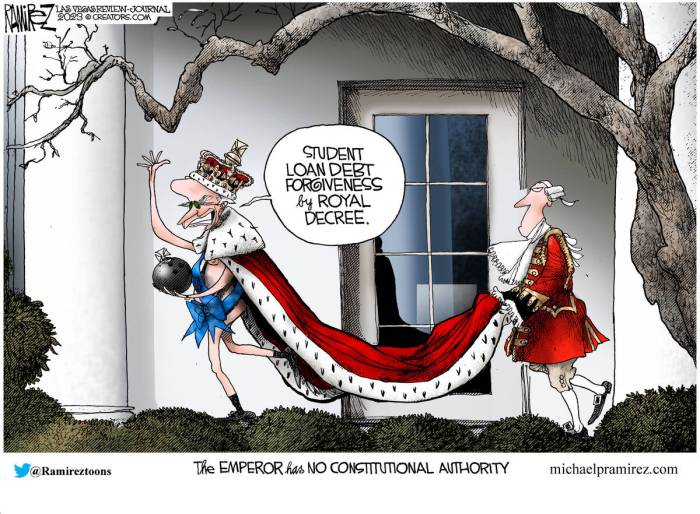
The Emperor Has No Policies.

“`html
The Emperor Has No PoliciesEmperor

The Emperor Has No Policies

Introduction

We’ve all been there, right? Staring at a leader – be it in your company, your community, or even your own family – and realizing they’re…well, not really leading. They’re holding court, maybe making pronouncements, but when it comes to actual, tangible policies, it’s like peering into an empty cupboard. “The Emperor has no clothes!” – or, in our case, no policies.

This isn’t just about vague pronouncements or motivational speeches. It’s about the tangible absence of a clear, well-defined roadmap. It’s about the sinking feeling that important decisions are being made on a whim, based on gut feelings, or worse, ignored altogether. It’s about the deafening silence where a policy should be.

But what’s the real cost of this lack of policy? And what can we do about it? Let’s delve in.

The Short-Term Pain: Chaos and Confusion

In the immediate aftermath of a policy vacuum, the symptoms are often easy to spot. Think about it:

  • Lack of Direction: Teams flounder, uncertain of priorities and objectives. Projects stall because no one knows how to make critical decisions. Imagine a marketing team launching a new product without a clear social media policy – a potential PR nightmare waiting to happen.
  • Inconsistency and Inequity: Decisions become arbitrary and subjective. One employee might get a raise, while another, equally deserving, is overlooked. One department might be allowed to expense certain items, while another isn’t. This breeds resentment and undermines morale.
  • Increased Conflict: With no established procedures, disagreements escalate quickly. What started as a minor difference of opinion can erupt into a full-blown conflict, consuming valuable time and resources.
  • Reactive Firefighting: Instead of proactively planning and addressing potential issues, everyone is constantly scrambling to put out fires. The organization becomes trapped in a cycle of crisis management, unable to focus on long-term growth.
  • Stifled Innovation: When there’s no clear framework for experimentation and risk-taking, innovation grinds to a halt. Employees are afraid to try new things for fear of making a mistake and facing undefined consequences.

The Long-Term Bleed: Erosion and Stagnation

While the short-term consequences are painful, the long-term effects of a policy-free zone are far more insidious.

  • Erosion of Trust: Over time, the lack of clear policies undermines trust in leadership. Employees begin to question the competence and fairness of those in charge, leading to disengagement and cynicism.
  • Decreased Productivity: Uncertainty and ambiguity create stress and anxiety, draining productivity. Employees spend more time worrying about what might happen than focusing on their work.
  • Talent Exodus: The best and brightest employees will eventually seek opportunities where they feel valued and supported. A company known for its lack of policies will struggle to attract and retain top talent.
  • Reputational Damage: A company’s reputation can suffer significantly if it’s perceived as disorganized, unfair, or unpredictable. This can impact its ability to attract customers, partners, and investors.
  • Missed Opportunities: A lack of clear policies can prevent an organization from capitalizing on emerging opportunities. They might be too slow to respond to market changes or too afraid to take calculated risks.

Filling the Void: Practical Solutions for Policy-Phobes

The good news? The “Emperor” can get clothed! Here are several practical approaches to developing effective policies:

  1. Identify the Gaps: Start by identifying the areas where policies are lacking. Conduct surveys, hold focus groups, and review past decisions to identify pain points and recurring issues. For example, a quick survey to your employees might reveal that the policy for remote work is unclear, leading to uncertainty about expectations.
  2. Prioritize and Focus: Don’t try to create all the policies at once. Focus on the most critical areas first, such as those related to compliance, safety, or employee conduct. Prioritize the gaps identified in step one to focus on the most pressing issues.
  3. Involve Stakeholders: Policies should be developed in consultation with those who will be affected by them. This ensures that the policies are relevant, practical, and fair. Creating a working group that represents various departments can bring diverse perspectives to the table.
  4. Document Everything: Create clear, written policies that are easily accessible to everyone. Use simple language and avoid jargon. Consider creating a centralized policy manual or a digital repository.
  5. Communicate Clearly: Announce new policies effectively. Use a variety of communication channels, such as email, meetings, and training sessions, to ensure that everyone understands the policies and their implications. A webinar or town hall meeting can be effective in explaining the rationale behind a new policy and answering questions.
  6. Implement Consistently: Enforce policies fairly and consistently. Don’t make exceptions for certain individuals or departments. This reinforces the importance of the policies and prevents perceptions of favoritism.
  7. Review and Revise: Policies should be reviewed and updated regularly to ensure that they remain relevant and effective. The business environment changes, so policies need to adapt.

Alternative Approaches: Finding What Fits

Not every organization is the same. Here are a few alternative approaches that you can tailor to your specific needs:

  • The Agile Policy: Develop “minimum viable policies” – simple, basic guidelines that can be iterated on over time. This approach is particularly useful in fast-moving environments where agility is essential.
  • The Collaborative Policy: Use a collaborative platform, such as a wiki or a shared document, to develop policies collectively. This empowers employees to contribute their expertise and creates a sense of ownership.
  • The “Principles-Based” Policy: Instead of creating detailed, prescriptive policies, focus on establishing guiding principles that can inform decision-making. This allows for greater flexibility and adaptability.
  • The Case Study Policy: Use real-life examples to illustrate how policies should be applied in different situations. This helps employees understand the practical implications of the policies and makes them easier to remember.

Example: Netflix’s “Freedom and Responsibility”

Netflix provides a compelling example of a company that embraces a policy of “freedom and responsibility.” Instead of rigid rules, they emphasize trust, judgment, and self-discipline. While they still have essential policies related to legal compliance and ethical behavior, they empower employees to make decisions that are in the best interest of the company. This approach has fostered a culture of innovation, accountability, and high performance.

Moving Forward: From Policy Paralysis to Proactive Progress

It’s time to face the uncomfortable truth: a policy vacuum is a breeding ground for chaos, inequity, and stagnation. But by acknowledging the problem and taking proactive steps to address it, you can create a more transparent, fair, and effective organization.

Don’t be afraid to start small. Choose one area where policies are lacking and begin to develop a clear, well-defined framework. Involve your stakeholders, communicate clearly, and implement consistently.

The journey from policy paralysis to proactive progress may not be easy, but the rewards are well worth the effort. A clear set of policies will empower your employees, enhance your reputation, and unlock your organization’s full potential. So, let’s get “The Emperor” dressed in some policies – and watch the empire flourish.


“`

Israel: Crossroads of Hope and Conflict

Israel

Israel: Crossroads of Hope and Conflict

Introduction


Imagine a place where ancient history whispers from every stone, where innovation blooms in the desert, and where the weight of the world’s attention often feels impossibly heavy. That place is Israel. A land of profound beauty and heartbreaking complexity, it stands at a crossroads, a point where hope and conflict perpetually intersect. For centuries, it has been a magnet for dreams, a battleground for ideologies, and a symbol laden with significance for billions around the globe. But what does this constant tension mean for the future, both near and far? And, more importantly, what can be done to navigate these turbulent waters and steer towards a more peaceful horizon?

Explanation of the Problem

The Short-Term Impact: A Daily Reality

The “conflict” aspect of Israel is impossible to ignore. It’s woven into the daily lives of Israelis and Palestinians alike. In the short term, this translates to a constant undercurrent of uncertainty. For Israeli citizens, it can mean security concerns, mandatory military service, and the ever-present possibility of rocket fire or attacks. For Palestinians, it often means navigating checkpoints, facing restrictions on movement, and dealing with the ongoing reality of occupation in the West Bank and the complexities of life in Gaza.

Economically, the short-term impacts are also significant. While Israel boasts a thriving tech sector and a robust economy, the security situation can deter foreign investment in certain areas and disrupt daily business activities. For Palestinians, the economic consequences are far more severe, with high unemployment rates and limited access to resources hindering development and perpetuating a cycle of dependency. Socially, the constant conflict breeds distrust and resentment, making it harder for people on both sides to see each other as human beings with shared aspirations.

The Long-Term Impact: Shaping Generations

Looking further down the road, the long-term consequences of the Israeli-Palestinian conflict are even more profound. The unresolved issues are slowly but surely shaping the future generations of both Israelis and Palestinians. Without a lasting peace, the cycle of violence and animosity risks hardening into entrenched ideologies, making reconciliation even more difficult.

Environmentally, the long-term impact is also a concern. Population growth, resource scarcity, and the pressures of urbanization are already straining the region’s fragile ecosystem. Without cooperation on shared resources like water, these challenges will only intensify, potentially leading to further conflict.

Perhaps the most significant long-term impact is CITA4D the erosion of hope. When generations grow up knowing only conflict and instability, it becomes harder to envision a peaceful future. This can lead to apathy, extremism, and a sense of resignation that undermines any attempt at progress.

Solutions

Pathways to Progress: Practical Solutions

Despite the daunting challenges, there is still reason for optimism. The key lies in pursuing practical solutions that address the root causes of the conflict and promote cooperation and understanding. Here are a few alternative approaches:

  • Economic Cooperation: One of the most promising avenues for progress is fostering economic ties between Israelis and Palestinians. Joint ventures, cross-border trade, and cooperative projects can create mutual benefits and incentives for peace. For example, the Rawabi project, a planned Palestinian city near Ramallah, has partnered with Israeli companies for construction and infrastructure development, creating jobs and fostering collaboration. Expanding initiatives like this can help build trust and interdependence.
  • Educational Initiatives: Education plays a crucial role in shaping perceptions and attitudes. Investing in educational programs that promote understanding, empathy, and critical thinking can help break down stereotypes and challenge ingrained biases. For example, organizations like Seeds of Peace bring together young people from different backgrounds for leadership training and dialogue, fostering friendships and building bridges across divides.
  • Grassroots Peacebuilding: Lasting peace cannot be imposed from the top down; it must be built from the ground up. Supporting grassroots peacebuilding initiatives that bring together Israelis and Palestinians for dialogue, reconciliation, and joint projects is essential. These initiatives, often led by ordinary citizens, create spaces for people to connect on a personal level, share their stories, and work together to address common challenges. One example is the Parents Circle-Families Forum, which brings together bereaved Israeli and Palestinian families to advocate for peace and reconciliation.
  • Diplomatic Engagement: While grassroots efforts are vital, they need to be complemented by strong diplomatic engagement. The international community has a responsibility to play a constructive role in facilitating negotiations, mediating disputes, and providing support for peace initiatives. This includes ensuring that both sides are held accountable to international law and that all efforts are made to prevent incitement and violence.
  • Technological Solutions: Innovation can also play a role in fostering peace. For instance, water management technologies can help address water scarcity, a major source of tension in the region. Similarly, renewable energy projects can reduce dependence on fossil fuels and promote regional cooperation. The Arava Institute for Environmental Studies is a leading research center that brings together Israelis, Palestinians, and Jordanians to study environmental challenges and develop sustainable solutions.

Choosing the Right Approach

The optimal solution will likely involve a combination of these approaches, tailored to the specific context and needs of each community. It’s important to recognize that there is no one-size-fits-all solution. What works in one area may not work in another. The key is to remain flexible, adaptable, and open to new ideas. It’s also vital to involve all stakeholders in the process, ensuring that everyone has a voice and that their concerns are addressed.

Conclusion

A Future of Hope, Not Conflict

The path to peace in Israel is undoubtedly challenging, but it is not impossible. By embracing practical solutions, fostering cooperation, and building bridges of understanding, it is possible to create a future where hope triumphs over conflict. The journey will be long and arduous, but the destination is worth striving for. A future where Israelis and Palestinians can live side by side in peace and security, sharing a land that is sacred to both.

Let’s not allow the weight of the past to paralyze us. Instead, let’s draw inspiration from the resilience and determination of those who are working tirelessly for peace on the ground. Let’s support their efforts, amplify their voices, and join them in building a brighter future for Israel, a future where the crossroads leads not to more conflict, but to a shared destiny of hope and prosperity. The time for action is now. Let’s write a new chapter in the story of Israel, a chapter defined not by conflict, but by peace.