News

Israel: Crossroads of Hope and Conflict

Israel: Crossroads of Hope and ConflictIsrael

Israel: Crossroads of Hope and Conflict

Introduction

Ever heard a place described as a melting pot? Well, Israel is that, cranked up to eleven. It’s a land steeped in history, buzzing with innovation, and, let’s be honest, often caught in the eye of a storm. It’s a place where ancient ruins stand alongside gleaming skyscrapers, and where the echoes of biblical stories mingle with the sounds of bustling modern life. Israel is, in essence, a crossroads of hope and conflict, a nation constantly navigating the delicate balance between progress and preservation, peace and turmoil.

But why this constant tug-of-war? Why does this relatively small nation command so much global attention? The answer is, well, complicated. It’s a story woven with threads of religious significance, national identity, political ambition, and deeply rooted historical grievances.

The Roots of the Problem: A Land Claimed by Many

At its heart, the Israeli-Palestinian conflict revolves around competing claims to the same land. For Jews, it’s the ancestral homeland promised in their religious texts. For Palestinians, it’s their home, where their families have lived for generations. This clash of narratives, fueled by historical events like the Balfour Declaration, the Holocaust, and the establishment of the State of Israel in 1948, has created a cycle of displacement, resentment, and violence.

Think about it: Imagine someone moving into your house and telling you they have the right to be there, even though you’ve lived there your whole life. That, in its simplest form, is the core of the conflict. Of course, it’s much more nuanced than that, with both sides believing they have legitimate claims and grievances.

Short-Term Pain, Long-Term Scars:

The immediate impact of this conflict is tragically clear: human suffering. Innocent lives are lost, families are torn apart, and communities live in constant fear of violence. Economically, the conflict drains resources that could be used for education, healthcare, and infrastructure. It breeds instability and discourages investment.

But the long-term consequences are even more insidious. The ongoing conflict breeds mistrust and hatred, making reconciliation more difficult with each passing year. It perpetuates a cycle of violence, leaving future generations to inherit a legacy of pain and resentment. It also impacts the international standing of both Israelis and Palestinians, affecting their relationships with other nations.

Moreover, the ongoing uncertainty prevents Israel from fully realizing its potential as a regional hub for innovation and trade. For Palestinians, it hinders the development of a stable and prosperous society, trapping many in poverty and despair.

So, What Can Be Done? Charting a Course Towards Hope:

It’s easy to feel overwhelmed by the complexity of the Israeli-Palestinian conflict. There’s no magic wand, no overnight solution. However, that doesn’t mean progress is impossible. Here are a few practical, applicable approaches that can contribute to a more peaceful future:

  • People-to-People Initiatives: Forget the politicians for a moment. Real change often starts at the grassroots level. Initiatives that bring Israelis and Palestinians together for dialogue, education, and joint projects can break down stereotypes and build empathy.
    • Example: Organizations like Seeds of Peace bring young people from both sides together for summer camps, fostering cross-cultural understanding and leadership skills. These programs demonstrate that despite the political tensions, individuals can form meaningful connections.
  • Economic Cooperation: Building a shared economic future can create common ground and reduce dependence on external aid. Joint ventures, cross-border trade, and investment in shared infrastructure can benefit both Israelis and Palestinians.
    • Example: Some Palestinian entrepreneurs are working with Israeli tech companies, leveraging their skills and creating jobs. These collaborations show the potential for economic cooperation to bridge divides and improve livelihoods.
  • Strengthening Civil Society: Empowering civil society organizations on both sides to advocate for peace, human rights, and good governance is crucial. These organizations can act as watchdogs, mediators, and advocates for marginalized communities.
    • Example: Human rights organizations in both Israel and Palestine document human rights abuses and advocate for justice. These organizations play a critical role in holding authorities accountable and promoting respect for human rights.
  • Targeted Education: Educating future generations about the history, culture, and perspectives of both Israelis and Palestinians is essential. Curricula that promote critical thinking, empathy, and understanding can help break down prejudice and foster a culture of peace.
    • Example: Some schools are incorporating peace education programs into their curriculum, teaching students about conflict resolution, empathy, and the importance of dialogue. These programs can help young people develop the skills and attitudes needed to build a more peaceful future.
  • A Two-State Solution with Creative Adjustments: While the traditional two-state solution (an independent Palestinian state alongside Israel) faces numerous obstacles, it remains the most widely supported framework for a lasting peace. However, achieving this requires creative adjustments and compromises on issues like borders, settlements, and Jerusalem.
    • Example: Instead of focusing solely on rigid territorial divisions, exploring alternative models like land swaps, joint sovereignty, and shared governance could unlock new possibilities.

Alternative Approaches:

Recognizing that there’s no one-size-fits-all solution, here are a few alternative approaches worth considering:

  • Confederation: A confederation would involve two independent states cooperating closely on issues of mutual concern, such as security, trade, and infrastructure. This could offer a framework for shared governance and cooperation without requiring full integration.
  • Regional Integration: Integrating Israel and Palestine into a broader regional framework, involving countries like Jordan and Egypt, could dilute the intensity of the conflict and create new opportunities for cooperation.
  • Bottom-Up Approach: Focusing on building trust and cooperation at the local level, through joint projects and community initiatives, could gradually pave the way for a more comprehensive political settlement.

A Call to Action: Be the Change You Want to See

The Israeli-Palestinian conflict is a complex and deeply entrenched problem. But it’s not insurmountable. By supporting initiatives that promote dialogue, cooperation, and mutual understanding, we can help create a more peaceful future for both Israelis and Palestinians.

Don’t underestimate the power of your voice. Whether it’s supporting organizations working on the ground, advocating for peaceful solutions, or simply engaging in respectful dialogue with people from different backgrounds, every action counts.

The path to peace may be long and arduous, but it’s a journey worth taking. Let’s choose hope over despair, understanding over prejudice, and work together to build a future where Israelis and Palestinians can live side-by-side in peace and security. The crossroads may be fraught with conflict, but the potential for hope is always there, waiting to be realized. Let’s not let it fade. Let’s fuel it.
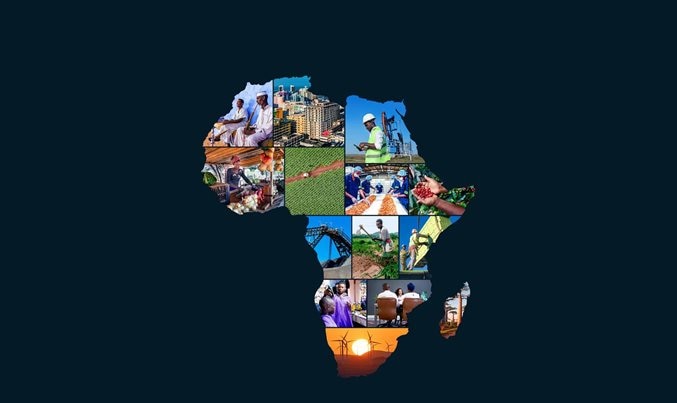
Africa Rising: A Continent Reimagined.

Africa Rising Image

Africa Rising: A Continent Reimagined

Introduction

Remember those old documentaries showcasing Africa? The ones filled with images of poverty, famine, and conflict? While those realities still unfortunately exist in pockets, they paint a desperately incomplete picture. The truth is, a new narrative is emerging – one of innovation, growth, and a continent actively reimagining its future. We’re talking about “Africa Rising,” and it’s more than just a catchy phrase; it’s a dynamic shift underway. But what does it really mean, what are the challenges, and how can this potential be fully realized? Let’s dive in.

For years, Africa has been viewed through a lens of dependency, relying on external aid and resources. But things are changing. A rapidly growing and increasingly youthful population, combined with technological advancements and a burgeoning entrepreneurial spirit, is creating a powerful wave of change. We’re seeing African nations taking ownership of their development, driving innovation from the ground up, and reshaping their economies in ways that are both sustainable and inclusive.

The Here and Now: Short-Term Wins and Lingering Challenges

In the short term, the “Africa Rising” narrative is visible in a multitude of ways. Think mobile banking revolutionizing financial inclusion in countries like Kenya with M-Pesa. This isn’t just about convenience; it’s about empowering individuals, particularly those in rural areas, to access financial services, start businesses, and participate in the formal economy. We’re also seeing significant investments in infrastructure, from roads and railways to renewable energy projects, laying the foundation for sustained economic growth.

However, this rise isn’t without its bumps. Challenges mahjong222 login like political instability, corruption, and inadequate infrastructure still plague many nations, hindering progress. Climate change, with its devastating effects on agriculture and resources, poses a significant threat. Furthermore, the reliance on exporting raw materials, rather than developing robust manufacturing industries, leaves African economies vulnerable to global commodity price fluctuations. These are the hurdles that need to be addressed head-on if the promise of “Africa Rising” is to be fully realized.

The Long Game: Shaping the Future of the Continent

Looking ahead, the long-term impacts of this reimagining are potentially transformative. A thriving African continent, with its own economic engine and innovative solutions, could reshape global trade dynamics, drive technological advancements, and contribute significantly to global solutions for challenges like climate change and poverty. A more integrated Africa, fostered by initiatives like the African Continental Free Trade Area (AfCFTA), could unlock enormous potential for regional trade and economic cooperation, creating jobs and opportunities for millions.

Imagine a future where African universities are at the forefront of research and development, where African entrepreneurs are building global brands, and where African nations are leading the way in sustainable development. This isn’t a pipe dream; it’s a vision that’s within reach if the right strategies are implemented and the right investments are made.

Solutions: Practical Steps for a Sustainable Rise

So, how do we ensure that “Africa Rising” isn’t just a fleeting moment, but a sustained trajectory of progress? Here are some practical solutions that can contribute to this transformative journey:

  • Investing in Education and Skills Development: A well-educated and skilled workforce is crucial for driving innovation and economic growth. This means not just focusing on academic qualifications, but also on vocational training and entrepreneurship programs that equip individuals with the practical skills they need to succeed in the 21st-century economy.
    • Example: The Mastercard Foundation Scholars Program is investing in education across the continent, empowering young Africans to become leaders and change-makers.
  • Promoting Good Governance and Combating Corruption: Transparency, accountability, and the rule of law are essential for creating a stable and predictable business environment that attracts investment and fosters economic growth. This requires strengthening institutions, empowering civil society, and promoting ethical leadership.
    • Example: Initiatives like the African Union Convention on Preventing and Combating Corruption provide a framework for African nations to work together to tackle corruption.
  • Developing Infrastructure: Investing in infrastructure, including roads, railways, ports, and energy, is crucial for connecting markets, facilitating trade, and attracting investment. This requires both public and private sector investment, as well as innovative financing mechanisms.
    • Example: The Grand Inga Dam project in the Democratic Republic of Congo has the potential to provide clean and affordable energy to millions of people across the continent.
  • Diversifying Economies and Promoting Manufacturing: Moving beyond reliance on exporting raw materials and developing robust manufacturing industries is essential for creating jobs, increasing incomes, and reducing vulnerability to global commodity price fluctuations. This requires investing in research and development, supporting small and medium-sized enterprises (SMEs), and promoting regional integration.
    • Example: Ethiopia’s industrial parks are attracting foreign investment and creating jobs in sectors like textiles and apparel.
  • Harnessing Technology and Innovation: Technology has the potential to transform African economies, from agriculture and healthcare to finance and education. This requires investing in digital infrastructure, promoting digital literacy, and supporting innovation hubs and startups.
    • Example: Nigeria’s tech hub, Yaba, is a thriving ecosystem of startups and entrepreneurs, driving innovation in sectors like fintech and e-commerce.

Alternative Approaches: Tailoring Solutions to Local Contexts

There’s no one-size-fits-all solution for Africa. Each nation faces unique challenges and opportunities, and solutions need to be tailored to local contexts. Here are some alternative approaches to consider:

  • Community-led Development: Empowering local communities to take ownership of their development can lead to more sustainable and equitable outcomes. This involves providing communities with the resources, training, and support they need to identify their own priorities and implement their own solutions.
  • Public-Private Partnerships: Combining the resources and expertise of the public and private sectors can be an effective way to finance and implement large-scale development projects. This requires clear and transparent agreements that ensure mutual benefits.
  • South-South Cooperation: Learning from the experiences of other developing countries can be a valuable source of knowledge and inspiration. This involves sharing best practices, technologies, and resources among developing nations.
  • Focus on Green Growth: Prioritizing sustainable development and investing in renewable energy, resource efficiency, and climate resilience can help African nations achieve economic growth while protecting the environment.

A Call to Action: Embracing the Future

“Africa Rising” is more than just a narrative; it’s a call to action. It’s an invitation to embrace the potential of the continent, to invest in its future, and to support its journey towards sustainable and inclusive development. Whether you’re an African citizen, a global investor, or simply someone who believes in the power of human potential, there’s a role for you to play in shaping the future of Africa.

By focusing on education, good governance, infrastructure development, economic diversification, and technological innovation, we can create a future where Africa is not just rising, but thriving. It’s a future where African nations are leading the way in solving global challenges, creating opportunities for their citizens, and contributing to a more just and sustainable world. The time to act is now. Let’s work together to ensure that the promise of “Africa Rising” becomes a reality for generations to come.


Asia: The Next World Order

Asia

Asia: The Next World Order

Introduction

Forget everything you thought you knew about global power dynamics. The script is being rewritten, and the pen is firmly in Asia’s hand. No, we’re not talking about some dystopian takeover, but a gradual, undeniable shift in economic, political, and cultural influence that’s reshaping our world in profound ways. Intrigued? You should be.

For centuries, the West held the reins. But the 21st century is looking very different. From the bustling streets of Shanghai to the tech hubs of Bangalore, Asia is rising, and the implications are far-reaching. Buckle up, because we’re diving deep into what this “Asian Century” really means, what challenges it presents, and how we can all navigate this evolving landscape.

The Tectonic Plates Are Shifting: Why Asia?

The reasons behind Asia’s ascent are multifaceted. First and foremost: sheer numbers. Asia is home to over half the world’s population. That’s a massive consumer market, a colossal workforce, and a breeding ground for innovation. But it’s not just about quantity; it’s about quality too.

Countries like China, India, South Korea, and Japan have invested heavily in education, infrastructure, and technology. They’re no longer just manufacturing hubs; they’re driving innovation in fields like artificial intelligence, renewable energy, and biotechnology. Think of Samsung’s dominance in the smartphone market, the rapid expansion of electric vehicle production in China, or India’s burgeoning space program.

Furthermore, Asia’s growing middle class is fueling unprecedented economic growth. As more people climb the socioeconomic ladder, they demand higher-quality goods and services, creating a ripple effect that benefits businesses and economies across the region.

Short-Term Shocks and Long-Term Transformations

So, what does all this mean in the here and now, and for the future? In the short term, we’re already seeing the impact on global trade, investment flows, and supply chains. The recent disruptions caused by the pandemic highlighted the world’s reliance on Asian manufacturing, and the subsequent scramble to diversify supply chains is a direct response.

Geopolitically, the rise of Asia is challenging the existing world order. China’s growing assertiveness in the South China Sea and its increasing economic influence in developing countries are raising concerns in the West. The United States is responding with efforts to strengthen alliances in the region and counter China’s growing influence.

Looking ahead, the long-term impacts are even more significant. We can expect:

  • A multipolar world: The era of Western dominance is waning, giving way to a world with multiple centers of power. Asia will play a crucial role in shaping global norms, institutions, and governance.
  • Technological dominance: Asia is poised to lead the way in many key technologies, from AI and robotics to renewable energy and advanced materials. This could give Asian companies a competitive edge in the global economy.
  • Cultural influence: Asian culture is already making waves around the world, from K-pop and anime to traditional medicine and cuisine. As Asia’s economic and political power grows, its cultural influence is likely to expand even further.

Navigating the Asian Century: Practical Solutions

So, how can individuals, businesses, and governments navigate this evolving landscape? Here are some practical solutions:

  1. Embrace lifelong learning: The skills needed to succeed in the 21st-century economy are constantly evolving. Invest in yourself by learning new skills, especially in areas like technology, data analysis, and cross-cultural communication. Online courses, workshops, and mentorship programs can be valuable resources.
  2. Diversify your network: Build relationships with people from different cultural backgrounds. Attend international conferences, join professional organizations, or volunteer for global initiatives. Understanding different perspectives and building trust across cultures is essential for success in a globalized world.
  3. Adapt your business strategy: Companies need to adapt their business strategies to take advantage of the opportunities in Asia. This might involve expanding into new markets, partnering with local businesses, or tailoring products and services to meet the needs of Asian consumers.
    • Case Study: Nike’s success in China: Nike adapted its marketing strategy to appeal to Chinese consumers by featuring local athletes and celebrities, and by sponsoring local sports events. This helped Nike build brand loyalty and gain a competitive edge in the Chinese market.
  4. Invest in cultural intelligence: Cultural intelligence, or CQ, is the ability to understand and adapt to different cultural contexts. This is a crucial skill for anyone working in a global environment. Take the time to learn about different cultures, customs, and communication styles.
    • Example: Avoiding miscommunication: Understanding the nuances of communication styles can prevent misunderstandings. For instance, in some Asian cultures, direct confrontation is avoided, while in Western cultures, it is often seen as more transparent.
  5. Promote inclusive globalization: Globalization has the potential to benefit everyone, but it also has the potential to exacerbate inequality. Governments need to promote policies that support inclusive globalization, such as investing in education and training, strengthening social safety nets, and promoting fair trade practices.

Alternative Approaches:

  • Focus on niche markets: Instead of trying to compete head-to-head with established Asian companies, businesses can focus on niche markets where they have a unique competitive advantage.
  • Embrace collaboration: Collaboration is key to success in a complex and rapidly changing world. Companies can partner with other businesses, universities, and research institutions to share knowledge, resources, and expertise.
  • Think long-term: Building sustainable relationships and developing a long-term vision is essential for success in Asia. Don’t focus solely on short-term profits; invest in building trust and developing a deep understanding of the local market.

The Future is Now: Seize the Opportunity

The rise of Asia is not a threat; it’s an opportunity. It’s a chance to create a more balanced, equitable, and prosperous world. By embracing lifelong learning, diversifying our networks, adapting our business strategies, investing in cultural intelligence, and promoting inclusive globalization, we can all benefit from the Asian Century.

The world is changing, and the future is being written now. It’s time to step up, learn, adapt, and seize the opportunities that lie ahead. The Asian Century is not just about Asia; it’s about all of us. Let’s work together to shape a future that is bright, prosperous, and inclusive for all. The power to create this future is in our hands. Are you ready to take action?

Indonesia: Archipelago of Astonishment

Indonesia: Archipelago of AstonishmentRaja Ampat

Indonesia: Archipelago of Astonishment

Introduction

Ever dreamt of waking up to the sound of crashing waves, only to spend the afternoon trekking through lush, emerald rainforests teeming with exotic wildlife? Or perhaps you envision yourself haggling for vibrant textiles in bustling markets, followed by a tranquil evening watching the sun dip below ancient temples? If that sounds like your cup of (Indonesian) coffee, then Indonesia is calling your name.

This sprawling archipelago, a necklace of over 17,000 islands strung across the equator, is more than just a picturesque postcard. It’s a land of astonishing diversity, a melting pot of cultures, and a living, breathing testament to the power and beauty of nature. From the fiery volcanoes of Java to the serene beaches of Bali, Indonesia offers a sensory overload in the best possible way. But beneath the surface of this tropical paradise lies a challenge, a threat to the very beauty that draws millions each year.

Paradise Under Pressure: The Waste Crisis

Let’s be honest: paradise has its problems, and Indonesia’s is a growing mountain of waste. While the country boasts incredible landscapes and vibrant cultures, it also struggles with a significant waste management issue. You might see it washing up on pristine beaches, clogging rivers, or even piling up in landfills that are reaching capacity. It’s a stark contrast to the idyllic imagery, and it’s a problem that demands our attention.

Short-Term Pain, Long-Term Consequences:

The immediate impact of this waste crisis is plain to see. Littered landscapes diminish tourism, impacting local economies that rely on the allure of pristine beaches and unspoiled nature. Clogged waterways lead to flooding, damaging infrastructure and displacing communities. The pungent smell of overflowing landfills hangs heavy in the air, impacting public health and quality of life.

But the long-term consequences are far more insidious. Plastic waste, slowly breaking down into microplastics, contaminates marine ecosystems, threatening the delicate balance of the food chain. This, in turn, impacts fisheries and the livelihoods of countless Indonesians who depend on the ocean for their sustenance. Furthermore, burning waste releases harmful pollutants into the atmosphere, contributing to air pollution and climate change, exacerbating the very environmental challenges that Indonesia is already facing. Think of it as a snowball effect, growing larger and more destructive with each passing year.

Turning the Tide: Practical Solutions for a Sustainable Future

The good news? The situation is far from hopeless. The Indonesian government, local communities, and individuals are actively working to address the waste crisis, and there are concrete steps that can be taken to make a real difference. Here are some practical solutions that can be implemented on a national and individual level:

  1. The Power of the Three R’s: Reduce, Reuse, Recycle (and Refuse!)

    This might sound like a cliché, but it’s the foundation of any successful waste management strategy.

    • Reduce: This is about minimizing the amount of waste we generate in the first place. Think before you buy – do you really need that extra packaging? Opt for products with minimal packaging or choose refillable options whenever possible.
    • Reuse: Give items a second life. Instead of throwing away glass jars, use them for storage. Repair broken items instead of replacing them. Carry reusable shopping bags, water bottles, and coffee cups.
    • Recycle: Properly sort and recycle materials like paper, plastic, and glass. Support local recycling initiatives and advocate for improved recycling infrastructure.
    • Refuse: This is the new addition to the mantra, and perhaps the most powerful. Say no to single-use plastics whenever possible. Refuse plastic bags, straws, and cutlery. This simple act sends a powerful message to businesses and manufacturers, encouraging them to adopt more sustainable practices.

    Example: Communities across Indonesia are embracing the “Bring Your Own (BYO)” movement. Local cafes and restaurants offer discounts to customers who bring their own reusable containers, encouraging a culture of reuse and reducing single-use plastic consumption.

  2. Waste Segregation at the Source:

    Implementing mandatory waste segregation programs at the household and community levels is crucial. This means separating waste into categories like organic waste, recyclable materials, and non-recyclable waste. This makes recycling more efficient and reduces contamination.

    Example: In several cities in Indonesia, local governments provide color-coded bins for different types of waste. Regular educational campaigns help residents understand how to properly segregate their waste.

  3. Composting: Turning Waste into Wealth:

    Organic waste, such as food scraps and yard waste, makes up a significant portion of the waste stream. Composting this waste not only reduces the amount of garbage going to landfills but also creates valuable fertilizer for agriculture and gardening.

    Example: Many villages in Indonesia are implementing community composting programs, turning organic waste into nutrient-rich compost that is used to improve crop yields and reduce the need for chemical fertilizers.

  4. Investing in Waste Management Infrastructure:

    Indonesia needs to invest in modern waste management infrastructure, including recycling facilities, composting plants, and sanitary landfills. This requires government funding, private investment, and international cooperation.

    Example: Some innovative Indonesian companies are developing technologies to convert waste into energy, reducing landfill waste and generating clean energy.

  5. Education and Awareness:

    Raising public awareness about the importance of waste management is critical. Educational campaigns can teach people about the environmental and health impacts of waste and encourage them to adopt more sustainable practices.

    Example: Many schools in Indonesia are incorporating environmental education into their curriculum, teaching children about the importance of reducing, reusing, and recycling.

  6. Government Policies and Regulations:

    Strong government policies and regulations are essential to drive change. This includes implementing stricter regulations on waste management, promoting the use of sustainable materials, and providing incentives for businesses that adopt eco-friendly practices.

    Example: The Indonesian government has implemented a plastic bag levy in some cities, which has been shown to reduce the use of plastic bags.

Alternative Approaches: Finding What Works Best

No single solution is a silver bullet. The most effective approach to tackling the waste crisis will likely involve a combination of these strategies, tailored to the specific needs and circumstances of different communities.

  • Community-Based Solutions: Empowering local communities to take ownership of waste management is crucial. This can involve setting up community recycling centers, organizing cleanup campaigns, and promoting sustainable practices.
  • Circular Economy: Shifting from a linear “take-make-dispose” economy to a circular economy, where resources are kept in use for as long as possible, is essential. This requires rethinking product design, promoting reuse and repair, and developing innovative recycling technologies.
  • Technological Solutions: Exploring innovative technologies like waste-to-energy plants, advanced recycling technologies, and smart waste management systems can help to improve waste management efficiency and reduce environmental impact.

A Future of Astonishment: Embracing Sustainability

The challenge of waste management in Indonesia is significant, but it is not insurmountable. By embracing the solutions outlined above, working together as individuals, communities, and governments, Indonesia can turn the tide on this crisis and create a more sustainable future.

Imagine a future where Indonesia’s beaches are pristine, its rivers are clean, and its air is clear. A future where waste is seen not as a problem, but as a resource. A future where the archipelago’s natural beauty is preserved for generations to come.

This future is within reach. It requires commitment, innovation, and a willingness to change our habits. But the rewards – a healthier environment, a stronger economy, and a more vibrant culture – are well worth the effort.

Don’t let the problem overwhelm you. Start small. Refuse that plastic bag. Segregate your waste. Educate yourself and others. Every action, no matter how small, makes a difference.

Indonesia, with its breathtaking landscapes and diverse cultures, is truly an archipelago of astonishment. Let’s work together to ensure that it remains so for generations to come. Let’s not just admire its beauty, but actively protect it. The future of this incredible archipelago is in our hands. Are you ready to be part of the solution?

Japan: Beyond the Cherry Blossoms

Japan: Beyond the Cherry BlossomsJapan

Japan:Beyond the Cherry Blossoms

Introduction

Ah, Japan. The land of the rising sun, bullet trains, and, of course, the ephemeral beauty of cherry blossoms. But let’s be honest, reducing Japan to just these iconic images is like judging a book by its cover – there’s so much more to explore beneath the surface. We’re not here to dismiss the allure of sakura season, but rather to peel back the layers and delve into a challenge that’s shaping Japan’s future – a challenge that, while less aesthetically pleasing than blooming trees, is just as crucial: Japan’s aging population.

Explanation of the Problem

Imagine a country where the elderly population is not only growing but significantly outnumbering the younger generation. This isn’t a dystopian fantasy; it’s the current reality in Japan. While the nation boasts one of the highest life expectancies globally, it’s coupled with a rapidly declining birth rate, creating a demographic imbalance that presents profound economic, social, and cultural implications. So, what happens when a nation’s silver tsunami starts to reshape its very foundations?

The Ripple Effect: Short-Term and Long-Term Impacts

The immediate impacts of Japan’s aging population are already being felt. Look around, and you’ll see the strain on the healthcare system. With a larger proportion of elderly citizens, the demand for geriatric care, specialized medical services, and long-term care facilities is skyrocketing. This puts immense pressure on resources, infrastructure, and, most importantly, the caregivers who dedicate their lives to supporting the elderly.

Economically, a shrinking workforce means fewer people contributing to the national economy through taxes and productivity. This, in turn, affects the government’s ability to fund social security, pensions, and other essential public services. Businesses face labor shortages, making it difficult to maintain production levels and compete globally. Innovation can also suffer, as a lack of young, innovative minds can stifle creativity and progress.

Looking further down the line, the long-term impacts are even more concerning. We’re talking about potential economic stagnation, a decline in social dynamism, and even a shift in cultural values. Imagine a society where traditions and cultural practices fade away due to a lack of younger generations to carry them on. It’s a scenario that requires proactive and innovative solutions.

Solutions

So, how can Japan navigate this demographic challenge? The good news is that there’s no shortage of potential solutions, each with its own set of benefits and considerations.

  • Embracing Immigration:This is perhaps the most debated but arguably the most impactful solution. Opening borders to skilled workers and young families can help replenish the workforce and inject fresh perspectives into the economy. While historically hesitant, Japan has begun to gradually relax its immigration policies. The “Specified Skilled Worker” visa program, for example, allows foreign workers to fill labor shortages in sectors like agriculture, construction, and nursing care. The challenge lies in overcoming cultural reservations and ensuring successful integration of immigrants into Japanese society.
  • Boosting Birth Rates:Encouraging couples to have more children is another crucial strategy. This requires a multi-pronged approach that addresses the financial and social barriers to parenthood. Governments and organizations can provide generous childcare subsidies, affordable housing, and flexible work arrangements. Creating a supportive environment where parents feel empowered to balance work and family life is key. Countries like France and Sweden, with their comprehensive parental leave policies and subsidized childcare, serve as potential models.
  • Leveraging Technology:Automation and Artificial Intelligence (AI) offer promising avenues for increasing productivity and efficiency, even with a smaller workforce. From robotic caregivers to AI-powered diagnostic tools, technology can help ease the burden on healthcare professionals and improve the quality of life for the elderly. In Japan, companies like SoftBank Robotics are already developing robots designed to assist with household tasks and provide companionship to seniors.
  • Empowering Women in the Workforce:Japan has made significant strides in women’s education and career advancement, but there’s still room for improvement. Creating a more inclusive and equitable work environment, where women have equal opportunities for leadership and career progression, can unlock a vast pool of untapped talent. Encouraging women to remain in the workforce after starting a family is crucial.
  • Promoting Healthy Aging:Encouraging healthy lifestyles and preventative healthcare can help seniors stay active and independent for longer. This not only improves their quality of life but also reduces the strain on the healthcare system. Initiatives that promote exercise, healthy eating, and social engagement can contribute to a healthier and more productive aging population.

A Mosaic of Possibilities: Choosing the Right Approach

The beauty is that these solutions aren’t mutually exclusive; they can be implemented in combination to create a tailored approach that suits Japan’s unique context. Some might lean towards embracing immigration, while others may prioritize boosting birth rates through government incentives. The most effective strategy will likely involve a blend of these approaches, carefully calibrated to address the specific needs and challenges of different regions and communities.

Conclusion

Japan’s aging population presents a significant challenge, but it’s not an insurmountable one. By embracing innovative solutions, fostering a spirit of inclusivity, and harnessing the power of technology, Japan can overcome this demographic hurdle and emerge even stronger. It requires bold decisions, open minds, and a willingness to challenge traditional norms.

As we look beyond the cherry blossoms and acknowledge the realities of Japan’s aging population, we also see an opportunity for innovation, resilience, and growth. The journey may be challenging, but the destination – a vibrant and prosperous Japan – is well worth the effort. Let’s not see this as a crisis but as a catalyst for positive change, a chance to build a more sustainable and equitable future for all. The sun may be setting on one era, but it is most certainly rising on another.

China’s Century: Promise or Peril?

China’s Century: Promise or Peril?Book Cover

China’s Century: Promise or Peril?

Introduction

For decades, we’ve heard whispers, then pronouncements, about China’s inevitable rise. From a sleeping giant to a global powerhouse, China’s economic transformation has been nothing short of breathtaking. But as China flexes its muscles on the world stage, a crucial question hangs in the air: is this the dawn of a new era of prosperity and collaboration, or are we staring down the barrel of a future fraught with conflict and instability? Is China’s Century a promise or a peril?

It’s a question that demands more than just headlines and political rhetoric. It requires a clear-eyed assessment of the challenges and opportunities that lie ahead. Buckle up, because we’re about to dive deep into the heart of this complex issue.

The Short Game: Economic Dominance and Global Disruption

Let’s face it, China’s economic influence is already undeniable. Its manufacturing prowess has reshaped global supply chains, impacting everything from the price of our smartphones to the availability of critical minerals. This dominance, however, comes with its own set of short-term perils.

One immediate challenge is the potential for economic coercion. China’s massive market gives it significant leverage over other nations. We’ve seen this play out in instances where countries have criticized China’s policies, only to face trade restrictions or boycotts. This creates a chilling effect, potentially stifling open dialogue and undermining international norms.

Another pressing concern is the competition for resources. As China’s economy continues to grow, its demand for energy, minerals, and agricultural products will intensify. This could lead to resource scarcity, price volatility, and heightened geopolitical tensions, particularly in regions like Africa and South America, where China has significant investments.

Finally, let’s not forget the disruption to established industries. China’s state-backed companies often enjoy advantages that private enterprises in other countries struggle to match. This can lead to unfair competition, job losses, and the need for rapid adaptation in sectors ranging from steel to renewable energy.

The Long Game: Ideologies, Influence, and the Future World Order

Looking further down the line, the stakes get even higher. The core issue isn’t just about economic power; it’s about the values and principles that will shape the 21st century. China’s political system, with its emphasis on state control and centralized decision-making, stands in stark contrast to the democratic ideals prevalent in many Western nations.

This clash of ideologies has profound implications. Will China’s model of authoritarian capitalism become a more attractive alternative to democracy, particularly in developing countries? Will China successfully export its governance model through initiatives like the Belt and Road Initiative (BRI)? These are questions that will define the future of global governance.

Furthermore, China’s growing military power cannot be ignored. Its rapid modernization of its armed forces, coupled with its assertive posture in the South China Sea, has raised concerns about regional stability and the potential for conflict. The long-term implications of China’s military ambitions are difficult to predict, but they certainly warrant close attention.

Turning Peril into Promise: Practical Solutions

So, what can be done? How do we navigate this complex landscape and ensure that China’s rise contributes to a more prosperous and peaceful world? The answer lies in a multifaceted approach that combines competition, cooperation, and a renewed commitment to our own values.

Here are some practical solutions:

  • Diversify Supply Chains: Don’t put all your eggs in one basket. Businesses and governments should actively diversify their supply chains to reduce dependence on China. Countries like Vietnam and India offer viable alternatives, and reshoring certain industries to domestic locations can enhance resilience. Example: The European Union’s “Global Gateway” initiative aims to invest in infrastructure projects in developing countries, providing alternative supply routes and reducing reliance on China’s BRI.
  • Invest in Innovation: Out-innovate the competition. Governments and private companies should prioritize investments in research and development, particularly in emerging technologies like artificial intelligence, quantum computing, and biotechnology. This will help maintain a competitive edge and create new opportunities for growth. Example: South Korea’s heavy investment in semiconductor technology has allowed it to become a global leader in this critical industry, reducing its dependence on foreign suppliers.
  • Strengthen International Institutions: Reform and reinforce the rules-based international order. This means working with allies and partners to strengthen institutions like the World Trade Organization (WTO) and the United Nations (UN), ensuring that they are fit for purpose in the 21st century. It also means holding China accountable for its actions and challenging its violations of international law. Example: The revitalization of the Quad (United States, Japan, Australia, and India) demonstrates a commitment to maintaining a balance of power in the Indo-Pacific region and upholding international norms.
  • Promote Democratic Values: Lead by example. The best way to counter China’s authoritarian model is to demonstrate the enduring appeal and effectiveness of democracy. This means strengthening our own democratic institutions, promoting free and fair elections, and upholding human rights. It also means actively supporting civil society organizations and independent media outlets in China and elsewhere. Example: The creation of platforms like the “Summit for Democracy” allows countries to share best practices in promoting democratic values and countering authoritarian influence.
  • Strategic Cooperation: Find common ground. Despite our differences, there are areas where cooperation with China is essential, such as climate change, global health, and nuclear non-proliferation. Engaging in strategic cooperation on these issues can build trust and create opportunities for dialogue on more contentious issues. Example: The Paris Agreement on climate change demonstrates that even countries with divergent political systems can work together to address shared global challenges.

A Call to Action: Shaping the Future

The future is not predetermined. Whether China’s Century becomes a promise or a peril depends on the choices we make today. We cannot afford to be passive observers. We must actively engage in shaping the future, working with our allies and partners to create a world that is more prosperous, peaceful, and just.

This requires courage, vision, and a willingness to challenge the status quo. It requires us to invest in our own strengths, uphold our values, and engage with China in a way that is both strategic and principled.

So, what can you do? Stay informed, engage in civil discourse, support businesses and organizations that align with your values, and hold your leaders accountable. Your voice matters. Your actions matter. Together, we can ensure that China’s rise benefits all of humanity.

The future is not written in stone. It is up to us to write the next chapter. Let’s make it a story of cooperation, progress, and shared prosperity. The promise of China’s Century is within our reach. Let’s seize it.

India: The Unfolding Century

India:The Unfolding CenturyIndia

India:The Unfolding Century

Introduction

Imagine a kaleidoscope.Twisting and turning,it presents an ever-shifting mosaic of colors,shapes,and patterns.Now,picture India.A nation of 1.4 billion people,a land steeped in ancient history yet bursting with youthful ambition,a place grappling with both immense challenges and unprecedented opportunities.This isn’t just a country;it’s a constantly evolving spectacle,a dynamic narrative still being written,and arguably,the most compelling story of the 21st century.

So,what makes India’s unfolding so captivating?It’s the sheer scale of it all.We’re talking about the world’s largest democracy,a nuclear power,and an economy poised to become one of the top three globally within the next decade.But this isn’t just about numbers;it’s about the human story,the everyday struggles and triumphs of a nation on the move.

Explanation of the Problem

But let’s be honest,the path forward isn’t a perfectly paved highway.It’s more like a winding mountain road,full of hairpin turns and breathtaking vistas.India faces significant hurdles – poverty,inequality,environmental degradation,and the persistent challenges of infrastructure development.Understanding these challenges and,more importantly,exploring viable solutions is crucial to appreciating the full scope of India’s potential.

The Short-Term Squeeze,the Long-Term Vision

Think of India’s immediate challenges as a series of pressure points.A significant portion of the population still lives in poverty,struggling to access basic necessities like clean water,sanitation,and quality healthcare.This isn’t just a statistic;it’s a daily reality for millions.The immediate impact is clear:reduced productivity,limited opportunities for education and advancement,and a perpetuation of the cycle of poverty.

But what about the long-term repercussions?Unaddressed poverty can lead to social unrest,hinder economic growth,and create a drag on the nation’s overall progress.Moreover,environmental challenges,from air pollution in major cities to water scarcity in rural areas,pose immediate health risks and threaten long-term sustainability.The consequences are felt today in respiratory illnesses,declining agricultural yields,and increased vulnerability to climate change.Looking ahead,unchecked environmental degradation can cripple the economy,displace communities,and undermine the very foundations of India’s future prosperity.

The digital divide,while shrinking,is another pressing issue.While India boasts a booming tech sector,a significant portion of the population,particularly in rural areas,lacks access to reliable internet connectivity and digital literacy.This limits their access to information,education,and economic opportunities,widening the gap between the haves and have-nots.

Solutions

So,how do we navigate these complex challenges and unlock India’s full potential?The good news is that solutions exist,and many are already being implemented with varying degrees of success.The key lies in scaling up these initiatives,fostering innovation,and embracing a multi-pronged approach.

  • Empowering the Underserved Through Skill Development:One of the most impactful solutions is to invest heavily in skill development programs,tailored to the needs of the local economy.The Pradhan Mantri Kaushal Vikas Yojana (PMKVY) is a commendable initiative,but its effectiveness can be significantly enhanced through stronger industry partnerships,ensuring that training aligns with actual job requirements.Consider the example of Tata STRIVE,a program that focuses on providing vocational training to underprivileged youth,with a strong emphasis on employability skills.By focusing on sectors with high growth potential,such as renewable energy,healthcare,and logistics,we can equip individuals with the tools they need to secure meaningful employment and break the cycle of poverty.
  • Harnessing Technology for Inclusive Growth:Technology can be a powerful equalizer,bridging the gap between urban and rural areas and providing access to essential services.The government’s Digital India initiative is a step in the right direction,but it needs to be complemented by initiatives that promote digital literacy and affordability.Telemedicine,for instance,can bring quality healthcare to remote villages,while online education platforms can provide access to educational resources for students in underserved communities.Companies like Reliance Jio have played a crucial role in expanding internet access,but continued efforts are needed to ensure that everyone,regardless of their location or socioeconomic status,can participate in the digital economy.
  • Sustainable Solutions for a Greener Future:Tackling environmental challenges requires a comprehensive approach that balances economic growth with environmental protection.Investing in renewable energy sources,promoting sustainable agriculture practices,and implementing stricter pollution control measures are essential.The National Clean Air Programme (NCAP) aims to reduce air pollution levels in major cities,but its effectiveness depends on the active participation of all stakeholders,including government agencies,businesses,and citizens.Promoting electric vehicles,investing in public transportation,and encouraging energy efficiency are crucial steps towards creating a cleaner,healthier environment.

Alternative Paths:Tailoring Solutions to Local Needs

The beauty of India lies in its diversity.What works in one region may not work in another.That’s why a one-size-fits-all approach is rarely effective.We need to tailor solutions to the specific needs and challenges of each community.

  • Community-Led Development:Empowering local communities to identify their own needs and implement their own solutions can be incredibly effective.Self-Help Groups (SHGs),like those promoted by the National Rural Livelihoods Mission (NRLM),have proven to be a powerful tool for empowering women and promoting economic development in rural areas.By providing access to microfinance,training,and market linkages,SHGs enable women to start their own businesses and improve their livelihoods.
  • Public-Private Partnerships:Leveraging the expertise and resources of the private sector can accelerate progress in key areas such as infrastructure development,healthcare,and education.Public-Private Partnerships (PPPs) can bring innovative solutions and efficient management practices to projects that would otherwise be difficult for the government to implement on its own.
  • Investing in Research and Innovation:Supporting research and development in areas such as clean energy,sustainable agriculture,and affordable healthcare is crucial for creating long-term solutions to India’s challenges.By fostering a culture of innovation and entrepreneurship,we can unlock the potential of India’s talented workforce and create new industries that drive economic growth and improve the quality of life for all.

Conclusion

India’s journey is far from over.The challenges are real,but so is the potential.The unfolding century presents both a responsibility and an opportunity.A responsibility to address the pressing issues that hinder progress,and an opportunity to unlock the immense potential of a nation on the rise.

The solutions aren’t always easy,and progress may be uneven,but the direction is clear.By embracing innovation,empowering communities,and investing in a sustainable future,India can overcome its challenges and emerge as a global leader in the 21st century.

So,what can you do?Whether you’re a student,an entrepreneur,a policymaker,or simply a concerned citizen,you have a role to play.Support initiatives that promote education,entrepreneurship,and sustainable development.Advocate for policies that address inequality and protect the environment.Use your skills and talents to contribute to the India you want to see.

The future of India is not predetermined.It is being written every day,by the actions of millions of people.Join the narrative,be part of the unfolding,and help shape the India of tomorrow – a nation where opportunity thrives,where prosperity is shared,and where the potential of every individual is fully realized.The story is still being written,and your chapter matters.Let’s make it a good one.

America: Reckoning.

America:ReckoningAmerica:Reckoning

America: Reckoning.

Introduction

Okay,let’s be real.America’s facing some stuff.Big stuff.We’re not talking about a minor inconvenience here;we’re talking about a full-blown national… reckoning.A moment where we,as a nation,have to look in the mirror and ask ourselves some tough questions about who we are,what we stand for,and where we’re headed.

Sound dramatic?Maybe.But can you honestly say it’s not true?From simmering social divisions to the ever-widening economic gap,from the climate crisis looming large to the constant hum of political discord,it feels like we’re at a pivotal point.We’re at a crossroads,and the path we choose now will define the America of tomorrow.

But before you throw your hands up in despair,remember this:reckonings,while uncomfortable,can also be incredibly powerful catalysts for change.They force us to confront our flaws,to learn from our mistakes,and ultimately,to build a better future.

So,what exactly are we reckoning with?And more importantly,what can we do about it?Let’s dive in.

The Short and Long of It: The Impacts We Face

Let’s break down some of the most pressing issues,focusing on both the immediate headaches and the long-term consequences if we don’t act.

  • Economic Inequality:The short-term impact is something many of us see daily:struggling families,increased homelessness,and a sense of hopelessness among those who feel left behind.Long-term?We risk creating a society where opportunity is determined by birth,not by hard work.This erodes the very foundation of the American Dream and fosters social unrest.Think about it:when a vast majority feels excluded from the economic pie,it fuels resentment and instability.
  • Social Division:The immediate effects are painfully obvious:political polarization,online echo chambers,and a decline in civil discourse.We struggle to even have conversations with people who hold different beliefs.But the long-term consequences are even more concerning.Untreated,these divisions can lead to further fragmentation,making it harder to address any of our challenges,let alone build a cohesive national identity.Look at history – divided societies rarely thrive.
  • Climate Change:The short-term impacts are already here:extreme weather events,rising sea levels,and devastating wildfires.But the long-term consequences are truly terrifying.We’re talking about potentially irreversible damage to our planet,mass displacement,and a future where resources become increasingly scarce.It’s not just about saving the polar bears;it’s about ensuring the survival of our own civilization.

These are just a few examples,but they highlight the urgent need for action.The short-term impacts are challenging,but the long-term consequences are simply unacceptable.So,what can we do?

Turning the Tide: Practical Solutions for a Better Future

Here’s the good news:we’re not powerless.There are concrete steps we can take,both individually and collectively,to address these challenges and build a more equitable and sustainable future.

  1. Investing in Education and Opportunity:
    • The Solution:Expanding access to quality education,from early childhood to higher education.This includes investing in vocational training and apprenticeships,equipping people with the skills they need to succeed in the modern economy.
    • Example:Germany’s apprenticeship system is a great model.They combine classroom learning with on-the-job training,creating a skilled workforce and reducing unemployment.
    • Alternatives:Offering free community college tuition,expanding Pell Grants,and creating tax incentives for businesses that offer training programs.
  2. Bridging the Divide: Fostering Dialogue and Understanding:
    • The Solution:Actively seeking out opportunities to engage with people who hold different beliefs.This means stepping outside our echo chambers,listening with empathy,and finding common ground.
    • Example:Braver Angels is a non-profit organization that brings together people with different political views for structured dialogues.They teach communication skills and help people find common ground,even on divisive issues.
    • Alternatives:Participating in community forums,volunteering for organizations that bring people together,and consciously seeking out diverse perspectives online.
  3. Embracing Sustainability: Creating a Green Economy:
    • The Solution:Investing in renewable energy,promoting energy efficiency,and implementing policies that reduce carbon emissions.This includes supporting businesses that prioritize sustainability and holding polluters accountable.
    • Example:Denmark is a world leader in renewable energy.They’ve invested heavily in wind power and other clean energy sources,creating a thriving green economy and reducing their carbon footprint.
    • Alternatives:Supporting policies that promote carbon pricing,investing in public transportation,and making conscious choices to reduce our own consumption.
  4. Strengthening Our Democracy: Ensuring Fair and Accessible Elections:
    • The Solution:Protecting voting rights,reducing the influence of money in politics,and promoting civic engagement.This includes supporting independent media and holding our elected officials accountable.
    • Example:Automatic voter registration has been shown to increase voter turnout,making elections more representative.
    • Alternatives:Supporting campaign finance reform,volunteering for voter registration drives,and staying informed about the issues and the candidates.

It’s a Marathon,Not a Sprint: Staying Engaged

These solutions aren’t quick fixes.They require sustained effort,commitment,and a willingness to work together.But the rewards are immense:a more just,equitable,and sustainable America for all.

The Takeaway: Optimism and Action

The challenges we face are daunting,but not insurmountable.We have the ingenuity,the resources,and the will to create a better future.It starts with acknowledging the reckoning,understanding the stakes,and taking action – however small.

Don’t let cynicism paralyze you.Don’t let despair cloud your judgment.Instead,embrace the opportunity to be part of the solution.Talk to your neighbors,volunteer in your community,and let your voice be heard.

This isn’t just about fixing problems;it’s about building a nation that lives up to its ideals.An America where opportunity is truly available to all,where our diversity is celebrated,and where we protect our planet for future generations.

The time for reckoning is now.The time for action is now.Let’s get to work.

China Launches Satellites to Rival SpaceX’s Starlink

China Launches Satellites to Rival SpaceX’s Starlink

China has taken a significant step in the global space race by launching a series of satellites aimed at building its own satellite internet network, poised to rival SpaceX’s Starlink. This ambitious project, named the GuoWang constellation, is part of China’s broader strategy to enhance its capabilities in space and digital infrastructure, ensuring it remains competitive in the rapidly evolving global communications landscape.

The GuoWang Constellation: A Brief Overview

The GuoWang constellation, meaning “national network” in Chinese, is designed to provide global broadband internet coverage, much like SpaceX’s Starlink. The project aims to deploy a vast network of satellites in low Earth orbit (LEO), offering high-speed internet access to users around the world, including in remote and underserved regions. This move is seen as a direct challenge to Starlink, which has already launched thousands of satellites and begun offering services in various parts of the world.

Recent Launch and Deployment

In the latest development, China successfully launched a batch of satellites from the Jiuquan Satellite Launch Center. These satellites are part of the initial phase of the GuoWang constellation and are designed to test the capabilities of the network. The launch utilized the Long March series of rockets, which have been a workhorse of China’s space program for decades.

This launch is the first of many planned for the coming years, as China seeks to establish a network that could eventually include thousands of satellites. The goal is not only to provide internet services but also to support a wide range of applications, including communication, navigation, and Earth observation.

Strategic Implications

China’s move to develop its own satellite internet network has significant strategic implications. Firstly, it reflects the country’s desire to reduce its dependence on foreign technology and infrastructure. With its own satellite network, China can ensure that its communications remain secure and independent of other global powers.

Moreover, the GuoWang constellation is likely to enhance China’s influence in developing countries, where internet connectivity remains a challenge. By offering affordable internet services to these regions, China can strengthen its geopolitical ties and expand its digital footprint.

The Global Space Race Intensifies

The launch of the GuoWang satellites marks a new phase in the global space race. While SpaceX’s Starlink has been a pioneer in the field of satellite internet, other players, including Amazon’s Project Kuiper and OneWeb, are also developing their own networks. China’s entry into this competitive space underscores the importance of satellite internet as a key area of future technological and economic development.

As countries around the world increasingly rely on space-based infrastructure for communication, navigation, and surveillance, the competition to control these networks is likely to intensify. For China, the GuoWang constellation represents not just a technological achievement but also a strategic asset that could play a crucial role in shaping the future of global communications.

China’s launch of satellites for the GuoWang constellation is a bold move in the global space race, signaling its intent to challenge SpaceX’s Starlink and other satellite internet providers. As the project progresses, it will be interesting to see how it impacts the global market for satellite internet services and the broader geopolitical landscape. With the space race heating up, the world is likely to witness significant advancements and competition in this critical area of technology.

Iran Mulls Scrapping Plans for Retaliation Against Israel: A Shift in Strategy?

Iran Mulls Scrapping Plans for Retaliation Against Israel: A Shift in Strategy?

In a surprising turn of events, reports have emerged suggesting that Iran may be reconsidering its long-standing vow to exact revenge on Israel. This potential shift in strategy could signal a significant change in the complex and volatile relationship between the two nations, which have been at odds for decades. While the exact reasons for this reconsideration are not fully clear, the implications of such a move could have far-reaching consequences for regional stability and global geopolitics.

Background: A History of Hostility

The animosity between Iran and Israel dates back to the 1979 Iranian Revolution, which saw the establishment of the Islamic Republic under Ayatollah Khomeini. Since then, Iran has consistently positioned itself as one of Israel’s staunchest adversaries, frequently condemning the Israeli state and expressing support for Palestinian causes. This hostility has manifested in both rhetoric and actions, with Iran allegedly backing anti-Israel militant groups like Hezbollah in Lebanon and Hamas in Gaza.

Over the years, the enmity between the two nations has been marked by numerous confrontations, both direct and indirect. These include cyberattacks, targeted assassinations, and proxy conflicts across the Middle East. Israel, for its part, has conducted several airstrikes against Iranian targets in Syria, aimed at curbing Tehran’s influence and military presence in the region.

The idea of “revenge” against Israel has been a recurring theme in Iranian political discourse, especially following incidents such as the assassination of Iranian nuclear scientist Mohsen Fakhrizadeh in 2020, which Iran attributed to Israel. Iranian leaders have repeatedly vowed to retaliate, further inflaming tensions between the two countries.

Reconsidering Retaliation: Possible Reasons

The reports that Iran is mulling the idea of scrapping its plans for revenge against Israel have raised questions about what might be driving this potential change in strategy. Several factors could be influencing Iran’s reconsideration:

  1. Diplomatic Pressures and Negotiations:
    Iran has been engaged in complex diplomatic negotiations with global powers, particularly concerning its nuclear program. The potential revival of the Joint Comprehensive Plan of Action (JCPOA), commonly known as the Iran nuclear deal, has been a focal point of these discussions. A move to de-escalate tensions with Israel could be seen as a gesture of goodwill or a strategic decision to avoid further complicating these delicate negotiations.
  2. Regional Dynamics and Alliances:
    The Middle East is experiencing shifting alliances and power structures. With the Abraham Accords, several Arab nations have normalized relations with Israel, altering the regional balance. Iran may be reassessing its position in light of these developments, recognizing that aggressive actions against Israel could further isolate Tehran and strain its relations with potential allies in the region.
  3. Economic and Domestic Challenges:
    Iran’s economy has been under severe strain due to a combination of international sanctions, the COVID-19 pandemic, and internal mismanagement. Public discontent has been growing, and the Iranian government may be prioritizing economic recovery and stability over foreign conflicts. The leadership could be calculating that the costs of an aggressive stance towards Israel might outweigh the benefits, especially if it leads to further international isolation or military confrontation.
  4. Strategic Patience and Long-Term Goals:
    Iran’s leadership is known for its strategic patience and long-term planning. It is possible that Iran is rethinking its approach to Israel, not out of weakness, but as part of a broader strategy to achieve its goals through means other than direct confrontation. This could involve focusing on building regional influence, enhancing its nuclear capabilities, or waiting for a more opportune moment to act.

Implications for the Region and Beyond

If Iran does indeed decide to step back from its plans for revenge against Israel, the move could have significant implications for the Middle East and the wider world. A de-escalation of tensions between Iran and Israel could reduce the risk of a larger conflict in the region, which would be a welcome development for many international actors.

For Israel, such a shift could provide an opportunity to strengthen its security without the immediate threat of Iranian retaliation. However, Israeli leaders are likely to remain cautious, knowing that Iran’s intentions could change at any moment.

For the broader region, a reduction in hostility between Iran and Israel could contribute to a more stable Middle East, where diplomatic and economic ties could take precedence over military confrontations. This, in turn, could foster an environment more conducive to addressing other pressing issues, such as the ongoing humanitarian crises in Syria and Yemen.

On the global stage, a potential thaw in Iran-Israel relations could influence international diplomatic efforts, particularly those related to non-proliferation and counter-terrorism. It could also affect the dynamics of U.S. foreign policy in the Middle East, especially as Washington continues to navigate its complex relationships with both Tehran and Tel Aviv.

Conclusion: A Calculated Move or a Temporary Reprieve?

While the reports of Iran reconsidering its plans for revenge against Israel are intriguing, it remains to be seen whether this marks a genuine shift in strategy or a temporary pause. Iran’s leadership is known for its pragmatic approach to foreign policy, and this potential move could be part of a broader, more calculated strategy.

Regardless of the motivations behind it, a decision to step back from revenge could open the door to new diplomatic opportunities and reduce the likelihood of conflict in the region. However, the underlying tensions between Iran and Israel are unlikely to disappear overnight, and the situation will require careful monitoring in the months and years to come.