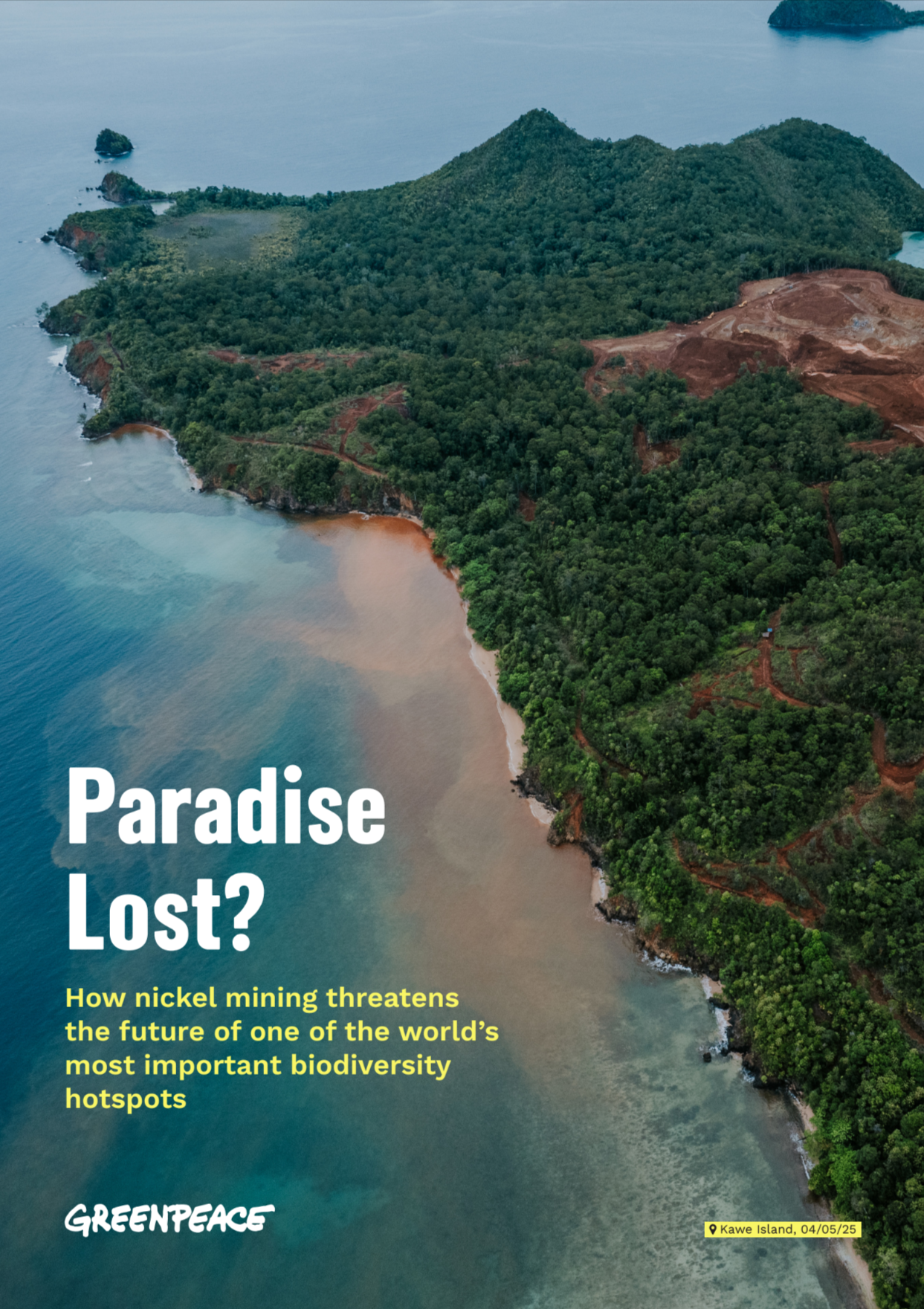
Indonesia: Paradise Lost?
Introduction
Indonesia.The name conjures images of emerald rice paddies cascading down volcanic slopes, ancient temples shrouded in mist, and pristine beaches lapped by turquoise waters.It’s a land of breathtaking beauty, a vibrant tapestry woven with diverse cultures and a rich history.But beneath the surface of this tropical paradise, a concerning narrative is unfolding – is Indonesia on the path to becoming a paradise lost?
For decades, Indonesia has been riding a wave of economic growth, fueled by natural resources and a rapidly expanding middle class.But this progress has come at a cost.Deforestation, pollution, and unsustainable tourism are threatening the very foundations of its natural beauty and cultural heritage.The idyllic landscapes we envision are slowly being eroded, replaced by scenes of environmental degradation and social disruption.
So, what’s really happening in Indonesia, and what can be done to prevent the loss of this precious gem? Let’s dive in.
The Cracks in Paradise: Impacts We Can’t Ignore
The problems plaguing Indonesia aren’t just abstract environmental concerns; they have tangible, far-reaching consequences. Let’s break down some of the most pressing issues:
- Deforestation: The Disappearing Rainforest: Indonesia’s rainforests, once vast and teeming with biodiversity, are disappearing at an alarming rate.Driven by the demand for palm oil, timber, and mining activities, this deforestation leads to habitat loss, endangering iconic species like orangutans and Sumatran tigers.Short-term, it boosts the economy through agricultural expansion.Long-term, it contributes to climate change, soil erosion, and the loss of vital ecosystem services like water purification.We see the immediate profits, but ignore the future costs.
- Plastic Pollution: A Sea of Troubles: Walk along almost any beach in Indonesia, and you’re likely to encounter a disheartening sight: plastic waste.Indonesia is one of the world’s largest contributors to marine plastic pollution, with devastating effects on marine life and coastal ecosystems.In the short-term, cheap and readily available plastic provides convenience.Long-term, it chokes our oceans, kills marine life, and contaminates food chains.
- Unsustainable Tourism: Loving It to Death: Bali, the crown jewel of Indonesian tourism, is a prime example of the double-edged sword of tourism.While tourism generates significant revenue and creates jobs, it also puts immense pressure on local resources, leading to overcrowding, pollution, and cultural commodification.In the short term, tourism booms bring economic benefits.In the long-term, they risk eroding the very essence of what attracts visitors in the first place.
- Cultural Erosion: A Fading Heritage: The rapid pace of modernization and globalization threatens to dilute Indonesia’s unique cultural heritage.Traditional crafts, languages, and customs are at risk of being lost as younger generations embrace Western influences.Short term, cultural exchanges broaden perspectives.Long term, the loss of unique cultural identity diminishes the richness and diversity of Indonesian society.
Restoring Paradise: Practical Solutions for a Sustainable Future
The good news is that the situation is far from hopeless.Indonesia has the potential to reverse the damage and forge a path towards a more sustainable future.The key lies in implementing practical, well-designed solutions.
Here are some approaches that can make a real difference:
- Sustainable Palm Oil Production: Instead of blanket bans, focus on promoting sustainable palm oil practices.This involves implementing stricter regulations on land clearing, ensuring fair labor practices, and supporting smallholder farmers who adopt sustainable methods.
- Example: The Roundtable on Sustainable Palm Oil (RSPO) is a certification scheme that promotes sustainable palm oil production.Supporting RSPO-certified products can help drive demand for sustainable practices.
- Investing in Waste Management Infrastructure: The solution to plastic pollution is not simply blaming individuals.We need to invest in robust waste management systems, including recycling facilities, composting programs, and improved waste collection services.
- Example: Surabaya, Indonesia, has implemented a successful program where residents can exchange plastic waste for bus tickets.This incentivizes recycling and reduces plastic waste in landfills.
- Promoting Ecotourism and Responsible Travel: Shift the focus from mass tourism to ecotourism, which prioritizes environmental protection and cultural preservation.This involves supporting local communities, promoting sustainable accommodations, and educating tourists about responsible travel practices.
- Example: Nihiwatu, a resort on Sumba Island, is committed to empowering local communities and preserving the island’s unique culture.The resort provides employment opportunities for local residents and supports community development projects.
- Empowering Local Communities: Local communities are the guardians of Indonesia’s natural and cultural heritage.By empowering them with the resources and knowledge they need, we can ensure that conservation efforts are effective and sustainable.
- Example: The “Hutan Harapan” (Hope Forest) project in Sumatra involves empowering local communities to protect and restore degraded forest areas.The project provides training and support for community members to manage the forest sustainably.
- Strengthening Environmental Regulations and Enforcement: Laws and regulations are only effective if they are enforced.The Indonesian government needs to strengthen environmental regulations and crack down on illegal activities such as deforestation and illegal mining.
- Investing in Education and Awareness: Ultimately, creating a sustainable future for Indonesia requires a shift in mindset.Investing in education and awareness programs can help raise awareness about environmental issues and empower individuals to make more sustainable choices.
A Call to Action: Paradise Regained
Indonesia stands at a crossroads.The challenges are undeniable, but so is the potential for positive change.By embracing sustainable practices, investing in innovative solutions, and empowering local communities, Indonesia can reclaim its status as a true paradise.
This isn’t just about preserving natural beauty; it’s about creating a healthier, more equitable, and more prosperous future for all Indonesians.It’s about ensuring that future generations can experience the magic of this extraordinary archipelago.
The responsibility lies with each of us – governments, businesses, communities, and individuals.By making conscious choices in our daily lives, we can contribute to the restoration of paradise.Support sustainable businesses, reduce your plastic consumption, travel responsibly, and advocate for policies that protect the environment.
Indonesia’s future is not predetermined.It’s a future that we can shape together.Let’s choose to shape a future where paradise is not lost, but regained, stronger, and more vibrant than ever before.Let’s work together to ensure that the enchanting islands of Indonesia remain a source of wonder and inspiration for generations to come.