Sports

Israel: Crossroads of Hope and Conflict

Israel: Crossroads of Hope and ConflictIsrael

Israel: Crossroads of Hope and Conflict

Introduction

Ever found yourself staring at a map, tracing the borders of a tiny country that seems to hold the weight of the world on its shoulders? That’s Israel. A place of ancient history, vibrant culture, and breathtaking landscapes, yes, but also a place perpetually caught between hope and conflict. It’s a land that sparks passionate opinions and provokes complex emotions. So, what makes this little nation so pivotal, so captivating, and, at times, so contentious? Let’s dive in.

A Land of Contrasts and Complexities

Israel’s story is a tapestry woven with threads of faith, identity, and survival. For millennia, it has been a crossroads of civilizations, a meeting point for Judaism, Christianity, and Islam. This rich heritage, while a source of immense pride and cultural wealth, has also been a breeding ground for disputes, especially concerning land and sovereignty.

The modern State of Israel, established in 1948, was born out of a yearning for a safe haven for the Jewish people after the horrors of the Holocaust. However, its creation resulted in the displacement of many Palestinians, setting the stage for a conflict that continues to reverberate today. This ongoing Israeli-Palestinian conflict is at the heart of the issue, fueled by competing claims to the same land, unresolved refugee issues, and disagreements over security and self-determination.

Short-Term Impacts: The Daily Reality

The daily reality in Israel is often overshadowed by the persistent tension. From the psychological impact of living under the threat of rocket fire in the south to the frustration of checkpoints in the West Bank, the conflict permeates everyday life. Economically, resources are diverted to defense, potentially hindering investment in education, healthcare, and other crucial sectors. The constant state of alert can also deter tourism and foreign investment, impacting economic growth. Moreover, the lack of stability affects international relations, making it harder for Israel to forge strong alliances and partnerships.

Long-Term Impacts: Shaping the Future

Looking ahead, the long-term impacts are even more profound. The ongoing conflict perpetuates a cycle of violence, making it harder to break down deeply entrenched prejudices and stereotypes on both sides. Demographically, the growing populations of both Israelis and Palestinians create further pressure on limited resources, making compromise even more challenging. Socially, a continued state of conflict can lead to increased polarization, making it harder to foster a shared sense of national identity or purpose.

Finding a Path Forward: Practical Solutions

So, what can be done? There’s no magic bullet, but here are several practical approaches:

  1. Economic Cooperation: Building shared economic interests can foster interdependence and incentivize peace. Joint ventures in sectors like technology, agriculture, and tourism can benefit both Israeli and Palestinian communities. For instance, the creation of joint industrial zones, where Israelis and Palestinians work side by side, promotes collaboration and economic growth.
    • Case Study: The Jordan River Village, a summer camp for children with serious illnesses, brings together Israeli, Palestinian, and Jordanian children, fostering understanding and breaking down barriers.
  2. People-to-People Initiatives: Breaking down stereotypes requires direct interaction. Programs that bring Israelis and Palestinians together for dialogue, education, and cultural exchange can help build empathy and understanding. These initiatives can range from joint school projects to community arts programs.
    • Example: Organizations like Seeds of Peace bring teenagers from conflict regions together for summer camps and year-round programs, fostering friendships and leadership skills.
  3. Security Cooperation: Enhancing security cooperation between Israeli and Palestinian authorities can build trust and reduce violence. This includes sharing intelligence, coordinating law enforcement efforts, and working together to combat extremism.
    • Practical Application: Establishing joint security patrols in areas of shared concern can enhance stability and demonstrate a commitment to mutual safety.
  4. Education for Peace: Integrating peace education into school curricula on both sides can help future generations learn about each other’s narratives and promote tolerance. This includes teaching conflict resolution skills and fostering critical thinking about historical narratives.
    • Implementation: Developing textbooks that present balanced perspectives on the conflict and promoting cross-cultural understanding can help break down prejudices from a young age.
  5. Political Dialogue: Ultimately, a lasting solution requires a negotiated political settlement. This involves addressing the core issues of borders, security, refugees, and Jerusalem. While progress may be slow and difficult, maintaining open channels of communication is essential.
    • Alternative Approach: Exploring creative solutions like land swaps, shared governance models, and international guarantees can help break deadlocks and create a framework for a lasting peace.

Alternative Solutions and Approaches

Beyond these core strategies, several alternative approaches can contribute to a more peaceful future:

  • Grassroots Activism: Supporting local initiatives and community organizations that are working to promote coexistence and reconciliation can help build momentum from the ground up.
  • International Mediation: Engaging trusted third parties to facilitate dialogue and help bridge gaps between the parties can be invaluable. This could involve countries, international organizations, or respected individuals.
  • Technological Solutions: Utilizing technology to promote dialogue and understanding, such as online forums, virtual reality experiences, and collaborative platforms, can help overcome geographical barriers and connect people from different backgrounds.

A Reason for Hope: Taking Action

The challenges in Israel are immense, but they are not insurmountable. By supporting initiatives that promote economic cooperation, people-to-people dialogue, security cooperation, and education for peace, we can help create a more hopeful future for both Israelis and Palestinians.

Remember, even small actions can make a big difference. Whether it’s donating to a peace organization, supporting businesses that promote coexistence, or simply educating yourself and others about the conflict, you can contribute to a more peaceful world. The road ahead may be long and winding, but with determination, creativity, and a commitment to justice, we can help Israel navigate its crossroads and build a future where hope prevails over conflict.

Let’s not be passive observers. Let’s be active participants in building a future where Israelis and Palestinians can live side by side in peace and security. The time to act is now.
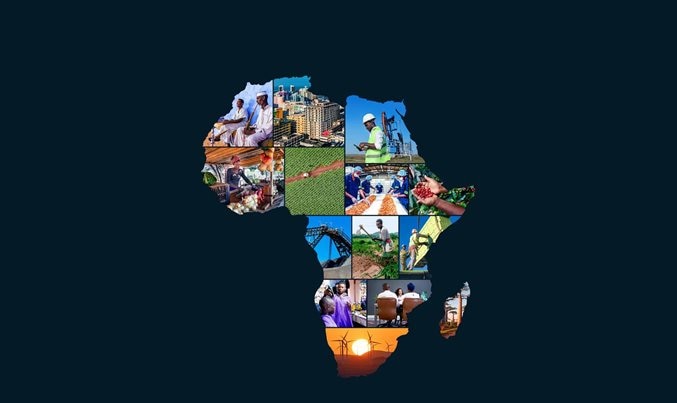
Africa Rising: A Continent Reimagined

“`html
Africa Rising: A Continent ReimaginedAfrica Rising Image

Africa Rising: A Continent Reimagined

Introduction

Imagine a continent brimming with untapped potential, a land where innovation meets tradition, and where challenges are seen as stepping stones to unprecedented growth. That’s Africa today – a continent reimagined. For too long, narratives surrounding Africa have been dominated by stories of hardship and struggle. While these challenges are real, they don’t paint the full picture. A vibrant, dynamic, and resilient Africa is emerging, ready to take its place on the global stage. This isn’t just wishful thinking; it’s a tangible shift, driven by ingenuity, youthful energy, and a collective determination to shape a brighter future.

The Seeds of Change: Unveiling the Short-Term Bloom

The ‘Africa Rising’ narrative isn’t just about grand visions; it’s about the tangible changes happening right now. We’re seeing a burst of entrepreneurial spirit, with tech startups blossoming in bustling hubs like Lagos, Nairobi, and Cape Town. These aren’t just copies of Silicon Valley ventures; they’re innovative solutions tailored to local needs, tackling challenges in agriculture, healthcare, and finance.

Consider the rise of mobile money platforms like M-Pesa in Kenya. In the short term, this technology has revolutionized how people access financial services, particularly in rural areas where traditional banking infrastructure is limited. Farmers can receive payments instantly, families can send money to loved ones, and small businesses can manage their finances more efficiently. This immediate impact translates to increased financial inclusion, reduced transaction costs, and a boost to local economies.

The creative industry is also experiencing a renaissance. From Nollywood’s vibrant film scene to the explosion of Afrobeats music, African artists are captivating audiences worldwide. This cultural wave isn’t just about entertainment; it’s about reclaiming narratives, celebrating African identity, and generating economic opportunities for creatives across the continent.

Planting for the Future: Long-Term Growth and Transformation

The short-term wins are exciting, but the real potential lies in the long-term transformation taking root. Investing in education and skills development is paramount. A young, educated workforce is the engine of economic growth, driving innovation, and attracting foreign investment. Initiatives focused on STEM education, vocational training, and entrepreneurship programs are crucial for preparing the next generation for the jobs of the future.

Sustainable development is another key pillar. Africa possesses vast natural resources, but their exploitation must be managed responsibly. Embracing renewable energy sources, promoting sustainable agriculture, and protecting biodiversity are essential for ensuring long-term prosperity and mitigating the impacts of climate change.

Good governance and strong institutions are the bedrock of any thriving society. Strengthening the rule of law, combating corruption, and promoting transparency are crucial for creating a stable and predictable environment that attracts investment and fosters economic growth.

Navigating the Path: Practical Solutions for Sustainable Growth

So, how do we ensure that Africa continues on this upward trajectory? Here are some practical solutions:

  • Investing in Infrastructure: Roads, railways, ports, and power grids are the arteries of a modern economy. Investing in infrastructure projects, particularly those that connect different regions and countries, is essential for facilitating trade and economic integration. The African Continental Free Trade Area (AfCFTA) is a game-changer, but its success hinges on having the infrastructure to support increased trade flows.
  • Promoting Digital Inclusion: Closing the digital divide is crucial for ensuring that everyone can participate in the digital economy. Expanding internet access, promoting digital literacy, and developing affordable digital devices are essential for empowering individuals and businesses.
  • Supporting Small and Medium Enterprises (SMEs): SMEs are the backbone of the African economy, creating jobs and driving innovation. Providing access to finance, training, and mentorship programs is crucial for helping SMEs grow and thrive. Consider the success of Jumia, an e-commerce platform that connects SMEs with customers across Africa. This platform provides a marketplace for businesses to sell their products, access payment solutions, and reach a wider audience.
  • Diversifying Economies: Reducing reliance on single commodities and diversifying economies is essential for building resilience to external shocks. Investing in manufacturing, tourism, and services sectors can create new jobs and opportunities. Ethiopia’s focus on developing its manufacturing sector is a prime example of this strategy.
  • Fostering Regional Integration: Strengthening regional cooperation and integration is crucial for promoting trade, investment, and economic growth. The East African Community (EAC) is a successful example of regional integration, with member states working together to harmonize policies and promote trade.

Alternative Approaches: Tailoring Solutions to Local Contexts

While these solutions offer a solid framework, it’s important to recognize that Africa is a diverse continent with unique challenges and opportunities in each region and country.

  • Context-Specific Policies: One size doesn’t fit all. Policies need to be tailored to the specific needs and circumstances of each country or region. For example, a country with abundant renewable energy resources may prioritize investments in solar or wind power, while a country with a large agricultural sector may focus on promoting sustainable farming practices.
  • Public-Private Partnerships: Governments can’t do it alone. Public-private partnerships (PPPs) can leverage the expertise and resources of the private sector to deliver infrastructure projects and other essential services. PPPs can help to reduce the burden on public finances and ensure that projects are implemented efficiently and effectively.
  • Community-Based Solutions: Empowering local communities to develop and implement solutions to their own challenges can lead to more sustainable and effective outcomes. Community-based initiatives can address issues such as poverty, healthcare, and education in a way that is culturally sensitive and tailored to local needs.

A Call to Action: Embrace the African Opportunity

The ‘Africa Rising’ narrative is not just a feel-good story; it’s a call to action. It’s an invitation to invest in a continent on the move, to partner with its people, and to be part of its transformation. Whether you’re an entrepreneur, an investor, a policymaker, or simply an individual who cares about the future, there’s a role for you to play in shaping Africa’s destiny.

The journey won’t be without its challenges. There will be setbacks and obstacles along the way. But the potential is undeniable, and the momentum is building. By embracing innovation, investing in education, promoting sustainable development, and fostering good governance, Africa can unlock its full potential and become a global powerhouse.

The time to act is now. Let’s work together to build a brighter future for Africa, a future where opportunity abounds, where prosperity is shared, and where the continent takes its rightful place on the world stage. This is Africa’s moment, and it’s a moment worth seizing.


“`

Asia: The Next World.

Asia: The Next WorldAsia

Asia: The Next World

Introduction

Ever feel like the world’s axis is subtly shifting? Like something big is brewing just over the horizon? That feeling isn’t just intuition; it’s recognition. Look East. Asia isn’t just “up-and-coming” anymore. It’s here. It’s now. And it’s poised to redefine the 21st century. We’re talking about economic powerhouses, technological innovation hubs, and cultural shifts that are impacting everything from the food we eat to the clothes we wear. But it’s not just about flashy growth figures and gleaming skyscrapers. There are complex challenges lurking beneath the surface.

So, buckle up. We’re diving deep into the rise of Asia, exploring its incredible potential, the hurdles it faces, and what all of this means for you and the rest of the world.

The Roar of the Dragon (and the Tiger, and the Elephant…)

Let’s start with the obvious: Asia’s economic growth is staggering. China’s transformation from a largely agrarian society to the world’s second-largest economy is a well-worn story, but it’s a story that continues to evolve. India, meanwhile, is becoming a tech and innovation giant. Southeast Asia, with its dynamic economies like Vietnam, Indonesia, and the Philippines, is becoming a major manufacturing and consumer market.

This isn’t just about raw economic output; it’s about innovation. Asian companies are leading the way in areas like fintech, e-commerce, and renewable energy. Think about it: Alibaba and Tencent are household names, rivaling the reach and influence of their Western counterparts. Companies like Samsung and Huawei are driving innovation in consumer electronics. And across the continent, startups are emerging with disruptive ideas that are changing the way we live, work, and play.

Short-Term Impact:

  • Increased Global Competition: Get ready for more competition. Asian companies are aggressively expanding into global markets, challenging established players in everything from automobiles to consumer goods.
  • Shifting Supply Chains: The pandemic exposed the vulnerabilities of relying too heavily on a single source for manufacturing. Expect to see supply chains diversifying, with more production moving to Southeast Asia and other Asian countries.
  • Rising Consumer Power: Asia is home to billions of consumers, many of whom are entering the middle class for the first time. This growing consumer base is driving demand for goods and services from around the world.

Long-Term Impact:

  • A New Global Order: As Asia’s economic and political influence grows, expect to see a reshaping of the global order. Traditional power structures are being challenged, and new alliances are forming.
  • Technological Leapfrogging: In some areas, Asia is leapfrogging traditional technologies and embracing cutting-edge innovations. This could lead to new paradigms in areas like artificial intelligence, blockchain, and sustainable energy.
  • Cultural Influence: Asian cultures are becoming increasingly influential on the global stage. From K-Pop to anime to the spread of Asian cuisine, expect to see a greater appreciation and integration of Asian cultures in the West.

The Challenges Within the Growth:

But it’s not all sunshine and roses. This rapid growth comes with significant challenges.

  • Inequality: The benefits of economic growth are not always shared equally. Many Asian countries grapple with significant income inequality, which can lead to social unrest and instability.
  • Environmental Degradation: Rapid industrialization has taken a toll on the environment. Air and water pollution, deforestation, and climate change are pressing issues that need to be addressed.
  • Geopolitical Tensions: The rise of Asia is creating geopolitical tensions, particularly in the South China Sea and between China and its neighbors. These tensions could escalate and disrupt regional stability.

Practical Solutions: Navigating the Asian Century

So, how do we navigate this new landscape? Here are some practical solutions for individuals, businesses, and policymakers:

  1. Embrace Lifelong Learning: The skills that are in demand today may not be relevant tomorrow. Invest in continuous learning and development to stay ahead of the curve. Focus on skills like data analysis, critical thinking, and cross-cultural communication.
    • Example: Online learning platforms like Coursera and edX offer a wide range of courses on topics relevant to the Asian market.
  2. Build Cross-Cultural Competence: Understanding and appreciating different cultures is essential for success in a globalized world. Invest in language learning, cultural sensitivity training, and building relationships with people from diverse backgrounds.
    • Example: Companies like Berlitz offer customized cross-cultural training programs for businesses looking to expand into Asian markets.
  3. Invest in Sustainable Solutions: Asia needs sustainable solutions to address its environmental challenges. Support companies and initiatives that are focused on renewable energy, clean technology, and responsible resource management.
    • Example: The Asian Development Bank is investing heavily in sustainable infrastructure projects across the region.
  4. Diversify Your Investments: Don’t put all your eggs in one basket. Diversify your investments across different asset classes and geographies, including Asian markets.
    • Example: Consider investing in Asian stock market indices or mutual funds that focus on Asian equities.
  5. Advocate for Responsible Policies: Support policies that promote inclusive growth, environmental protection, and regional stability. Engage with your elected officials and advocate for policies that align with your values.
  6. Cultivate Local Partnerships: For businesses, building strong relationships with local partners is crucial. Navigating the nuances of Asian business culture requires trust and understanding, which are best achieved through collaboration.
    • Example: Western companies expanding into China often partner with local firms to navigate regulatory hurdles and market dynamics.
  7. Embrace Adaptability and Flexibility: Asia is a diverse and dynamic region. Be prepared to adapt your strategies and approaches to meet the unique needs and challenges of each market.

Alternative Approaches:

  • Focus on Niche Markets: Instead of trying to compete with large multinational corporations, identify niche markets where you can offer specialized products or services.
  • Leverage Technology: Use technology to overcome geographical barriers and connect with customers and partners across Asia.
  • Embrace Social Entrepreneurship: Develop business models that address social and environmental challenges while also generating profits.

A Future Forged Together:

The rise of Asia presents both opportunities and challenges. But by embracing lifelong learning, building cross-cultural competence, investing in sustainable solutions, and advocating for responsible policies, we can navigate this new landscape and create a more prosperous and equitable world for all.

The narrative of Asia is still being written, and you have a role to play. Whether you’re an entrepreneur, an investor, a student, or simply a curious global citizen, now is the time to engage, to learn, and to contribute to the next chapter of this incredible story. Don’t just watch from the sidelines; jump in and be a part of shaping the future. The world awaits.

Indonesia: Paradise Lost?

Indonesia:Paradise Lost?Greenpeace Report Cover

Indonesia:Paradise Lost?

Introduction

Indonesia.Just the name conjures images of breathtaking sunsets over emerald rice paddies,ancient temples humming with history,and a vibrant tapestry of cultures woven together across thousands of islands.It’s a land of Komodo dragons and orangutans,of coral reefs teeming with life and volcanic peaks piercing the clouds.Paradise,right?

Well,maybe.But look closer,and you’ll see cracks appearing in the idyllic facade.Cracks widened by deforestation,pollution,and a growing gap between economic progress and environmental sustainability.The question isn’t just “Is Indonesia losing its paradise?” but “Can we help it find its way back?”

For decades,Indonesia has experienced rapid economic growth,fueled by natural resource exploitation.This boom has lifted millions out of poverty,but at a significant cost.The insatiable global demand for palm oil,for instance,has led to the large-scale destruction of rainforests,displacing indigenous communities and releasing massive amounts of carbon dioxide into the atmosphere.Jakarta,a sprawling metropolis,consistently ranks among the world’s most polluted cities,with air quality posing serious health risks to its inhabitants.Plastic waste chokes the oceans surrounding the islands,devastating marine ecosystems and impacting the livelihoods of fishermen.

The Short-Term Pain,the Long-Term Consequences

The immediate impact is visible:hazy skies obscuring the stunning landscapes,fishermen pulling in nets filled with plastic instead of fish,and the relentless march of development swallowing precious natural habitats.But the long-term consequences are far more daunting.

  • Economic Instability:Tourism,a vital source of income for many Indonesians,is threatened by environmental degradation.Who wants to vacation in a polluted paradise?Furthermore,depleted natural resources mean dwindling opportunities for future generations.
  • Health Crisis:Air and water pollution contribute to respiratory illnesses,skin diseases,and other health problems,straining the healthcare system and reducing productivity.
  • Climate Change Amplification:Deforestation and industrial emissions exacerbate climate change,leading to rising sea levels,extreme weather events,and disruptions to agriculture.As an archipelago nation,Indonesia is particularly vulnerable to these effects.
  • Social Unrest:Displacement of indigenous communities and competition for dwindling resources can lead to social tensions and conflicts,undermining social cohesion.

These aren’t just abstract concerns;they’re realities unfolding across Indonesia right now.But the story doesn’t have to end here.The good news is that Indonesia,with its vibrant culture and resilient people,possesses the potential to reverse this trend and build a more sustainable future.

Reclaiming Paradise:Practical Solutions

The path to restoring Indonesia’s paradise isn’t a single road,but a network of interconnected initiatives.Here are some practical approaches that can make a real difference:

  1. Sustainable Agriculture & Forestry:Instead of viewing forests solely as sources of timber and land for plantations,we need to embrace sustainable practices that prioritize conservation.
    • Reforestation & Agroforestry:Actively replanting degraded areas with native trees and promoting agroforestry systems(integrating trees into agricultural landscapes)can restore ecosystems,sequester carbon,and provide alternative income sources for local communities.The success of programs like the “One Million Trees” initiative,which aims to plant millions of trees across Indonesia,demonstrates the potential of large-scale reforestation efforts.
    • Sustainable Palm Oil Production:Supporting certified sustainable palm oil production can reduce deforestation by promoting responsible land management and minimizing environmental impact.Consumers can also play a role by choosing products that use sustainably sourced palm oil.
    • Protecting Peatlands:Peatlands are crucial carbon sinks.Preventing drainage and fires in peatlands is essential to reducing greenhouse gas emissions and preserving biodiversity.Indonesia has already made progress in restoring degraded peatlands,but continued efforts are crucial.
  2. Waste Management Revolution:Tackling the plastic pollution crisis requires a multi-pronged approach focused on reducing,reusing,and recycling.
    • Reducing Plastic Consumption:Implementing policies such as bans on single-use plastics,promoting reusable alternatives,and incentivizing businesses to reduce plastic packaging can significantly decrease waste generation.Cities like Bali have already taken steps in this direction by banning single-use plastics,providing a blueprint for other regions.
    • Improving Waste Collection & Recycling:Investing in modern waste management infrastructure,including efficient collection systems,sorting facilities,and recycling plants,is crucial to diverting waste from landfills and oceans.Community-based waste management programs,which empower local residents to manage their own waste,can also be highly effective.
    • Waste-to-Energy Technologies:Exploring waste-to-energy technologies,such as incineration and anaerobic digestion,can convert waste into electricity and reduce reliance on fossil fuels.However,it’s crucial to ensure that these technologies are implemented with proper environmental safeguards to minimize air pollution.
  3. Renewable Energy Transition:Shifting away from fossil fuels and embracing renewable energy sources is essential to reducing air pollution and mitigating climate change.
    • Solar & Wind Power:Indonesia has abundant solar and wind resources that can be harnessed to generate clean electricity.Investing in solar farms,wind turbines,and rooftop solar installations can significantly reduce reliance on coal-fired power plants.The government’s commitment to increasing the share of renewable energy in the national energy mix is a positive step,but further investment and policy support are needed.
    • Geothermal Energy:Indonesia is located on the “Ring of Fire,” making it a prime location for geothermal energy development.Geothermal power plants can provide a reliable and sustainable source of electricity.
    • Hydropower:Developing small-scale hydropower projects can provide clean energy to remote communities without the environmental impacts associated with large dams.
  4. Empowering Local Communities:Engaging local communities in conservation efforts is crucial to ensuring their long-term success.
    • Community-Based Ecotourism:Promoting ecotourism initiatives that are owned and managed by local communities can provide alternative income sources and incentivize conservation.By showcasing the natural beauty and cultural heritage of Indonesia,ecotourism can create a positive feedback loop between conservation and economic development.
    • Supporting Traditional Knowledge:Indigenous communities possess valuable knowledge about sustainable resource management.Integrating traditional knowledge into conservation strategies can enhance their effectiveness and ensure that they are culturally appropriate.
    • Providing Education & Training:Investing in education and training programs that empower local communities to participate in conservation efforts can build local capacity and ensure the long-term sustainability of these initiatives.

Your Role in Reclaiming Paradise

The transformation of Indonesia requires collective action from individuals,businesses,and governments.As individuals,we can make conscious choices to reduce our environmental footprint,support sustainable businesses,and advocate for policy changes.Businesses can adopt sustainable practices,invest in renewable energy,and support community-based conservation initiatives.Governments can enact policies that promote sustainable development,protect natural resources,and incentivize responsible behavior.

The journey to reclaiming Indonesia’s paradise is a challenging one,but it’s a journey worth taking.By embracing sustainable practices,empowering local communities,and investing in a green future,we can ensure that Indonesia remains a land of breathtaking beauty and vibrant culture for generations to come.It’s not about simply restoring what was lost,but about creating a new paradigm where economic prosperity and environmental sustainability go hand in hand.

Don’t let Indonesia become a paradise lost.Let’s work together to make it a paradise regained,a beacon of hope for a sustainable future.The power to make a difference lies within each of us.Are you ready to act?

Japan: The Unwavering Enigma.

Japan: The Unwavering EnigmaJapan

Japan:The Unwavering Enigma

Introduction

Japan.The land of the rising sun.A nation that dances between ancient traditions and cutting-edge innovation.A place where neon-lit skyscrapers cast shadows on serene temples,and where the silent grace of a tea ceremony exists alongside the high-octane thrill of anime conventions.For many,it’s an unwavering enigma,a place perpetually fascinating,yet often difficult to fully grasp.But beyond the cherry blossoms and bullet trains,Japan faces a complex challenge that could reshape its future:a rapidly aging and shrinking population.This isn’t just a demographic shift;it’s a cultural and economic earthquake,and understanding its ripples is crucial for anyone interested in the future of this captivating nation.

The Ticking Clock:Understanding the Demographic Challenge

Imagine a society where the average age is steadily climbing,and the number of young people entering the workforce is dwindling.That’s Japan today.The nation’s birth rate has been declining for decades,while life expectancy continues to increase.This has created a demographic imbalance where the elderly population is significantly larger than the younger generation.

So,what’s causing this?Several factors are at play.The high cost of raising children,demanding work culture,and societal expectations around marriage and family all contribute.Many young Japanese find it difficult to balance career aspirations with the responsibilities of parenthood.Furthermore,a growing number of young people are choosing to delay or forgo marriage altogether,further impacting the birth rate.

Short-Term Strains:The Immediate Impacts

The immediate impacts of this demographic shift are already being felt across various sectors.Firstly,there’s a shrinking workforce.With fewer young people entering the labor market,businesses are struggling to find and retain employees.This labor shortage is particularly acute in sectors like healthcare,construction,and agriculture,leading to increased workload for existing employees and potential disruptions in essential services.

Secondly,the social security system is under immense strain.A larger elderly population requires more pension payouts and healthcare services,while a smaller working population contributes less in taxes.This imbalance threatens the sustainability of the social safety net,potentially leading to higher taxes or reduced benefits.

Finally,there’s a noticeable decline in consumer spending.With a larger proportion of the population in retirement,there’s less discretionary income being spent on goods and services.This can stifle economic growth and create a cycle of stagnation.Think about local businesses,struggling because their customer base is literally aging out of existence.

Long-Term Fault Lines:The Future Implications

The long-term implications of Japan’s demographic challenge are even more profound.The decline in population could lead to a shrinking economy,reduced global competitiveness,and even a decline in Japan’s overall influence on the world stage.Empty homes and abandoned towns are becoming increasingly common,painting a bleak picture of rural decline.

Furthermore,the aging population poses a threat to innovation.With fewer young people entering the workforce,there’s a potential decline in creativity and entrepreneurship.A vibrant economy needs fresh ideas and a willingness to take risks,and a society dominated by older generations may become more risk-averse and resistant to change.

Beyond the economic and social impacts,there’s also a cultural dimension to consider.As the younger generation becomes smaller,there’s a risk of losing cultural traditions and values.The burden of preserving Japan’s rich heritage falls on a smaller group of people,potentially leading to cultural homogenization and a loss of unique identity.

Reversing the Tide:Practical Solutions for a Sustainable Future

While the challenges are significant,Japan is not without solutions.Addressing this demographic crisis requires a multi-faceted approach that tackles both the symptoms and the root causes.Here are a few practical and applicable solutions:

  • Incentivizing Parenthood:Offering financial incentives,such as increased child allowances and subsidized childcare,can help reduce the financial burden of raising children.Countries like France and Sweden have successfully implemented similar policies.For example,France offers generous parental leave policies and childcare subsidies,contributing to a higher birth rate compared to other European nations.
  • Creating a Family-Friendly Work Environment:Promoting flexible work arrangements,such as telecommuting and shorter work hours,can make it easier for parents to balance work and family responsibilities.Companies that prioritize work-life balance are more likely to attract and retain employees.Consider the case of some Scandinavian companies,which have embraced shorter workweeks and flexible schedules,leading to increased employee satisfaction and productivity.
  • Embracing Immigration:Relaxing immigration policies and actively recruiting skilled workers from abroad can help fill the labor shortage and inject new energy into the economy.Canada and Australia have successfully utilized immigration to boost their economies and address demographic challenges.Canada,for instance,has implemented a points-based immigration system that prioritizes skilled workers and entrepreneurs,contributing to its economic growth and cultural diversity.
  • Investing in Automation and Technology:Embracing automation and robotics can help improve productivity and reduce the reliance on human labor.This is particularly crucial in sectors facing severe labor shortages.Japan is already a leader in robotics,and further investments in this area can help mitigate the impact of the shrinking workforce.
  • Promoting Active Aging:Encouraging older adults to remain active and engaged in the workforce can help extend their productive lives and contribute to the economy.Creating opportunities for older adults to volunteer,mentor,or work part-time can benefit both the individual and society.Many countries are exploring policies to raise the retirement age and encourage lifelong learning,enabling older adults to remain active and contribute to society.
  • Changing Societal Attitudes:Shifting societal attitudes towards marriage and family can encourage young people to embrace parenthood.Promoting gender equality and challenging traditional gender roles can create a more supportive environment for working parents.

Alternative Approaches:A Menu of Options

Beyond these core solutions,there are several alternative approaches that Japan can consider:

  • Investing in Education and Training:Equipping the workforce with the skills needed for the future economy can help increase productivity and competitiveness.Focusing on STEM fields (science,technology,engineering,and mathematics) is particularly important.
  • Promoting Regional Revitalization:Decentralizing economic activity and investing in rural areas can help stem the flow of young people to urban centers.Creating attractive opportunities in rural areas can help revitalize local communities and preserve cultural heritage.
  • Encouraging Entrepreneurship:Supporting startups and small businesses can create new jobs and stimulate economic growth.Providing access to funding,mentorship,and training can help aspiring entrepreneurs turn their ideas into reality.
  • Strengthening Social Connections:Fostering a sense of community and social connection can help combat social isolation and improve overall well-being.Creating opportunities for people to connect with each other,regardless of age or background,can strengthen the social fabric of society.

The Dawn of a New Era:Taking Action for a Brighter Future

Japan’s demographic challenge is undoubtedly a significant hurdle,but it’s not insurmountable.By embracing innovative solutions,fostering a spirit of collaboration,and challenging outdated norms,Japan can navigate this period of transition and emerge stronger and more resilient.The key is to act now,with a sense of urgency and a commitment to building a sustainable future for all.

The unwavering enigma that is Japan has faced countless challenges throughout its history,from natural disasters to economic downturns.Each time,it has demonstrated a remarkable ability to adapt and reinvent itself.This demographic challenge is no different.It’s an opportunity to reimagine the future,to create a society that is more inclusive,more sustainable,and more vibrant than ever before.Let’s remember that the rising sun always follows the darkest night.With courage,innovation,and a unwavering commitment to progress,Japan can once again illuminate the path forward,not just for itself,but for the world.Now is the time to take action,to contribute to a brighter future for Japan,and to witness the next chapter in this extraordinary nation’s story.

China’s Century: Challenge or Collapse?


China’s Century: Challenge or Collapse?Fall of an Empire

China’s Century: Challenge or Collapse?

Introduction

For decades, we’ve been hearing about China’s rise. “The sleeping giant has awakened,” they said. “The next global superpower,” they proclaimed. And let’s be honest, a lot of that talk has felt…inevitable. But is China’s ascent a sure thing, a smooth ride to the top? Or are there bumps, maybe even cliffs, on the road ahead? Is China’s century a challenge, pushing the world to new heights, or a potential collapse that could send global shockwaves?

That’s the million-dollar question, and one that’s far from a simple yes or no. Let’s dive in, ditch the jargon, and explore the forces at play, the potential pitfalls, and the possible paths forward.

The Dragon’s Roar: Short-Term Gains, Long-Term Pains?

China’s economic boom has been nothing short of spectacular. They’ve lifted hundreds of millions out of poverty, become a manufacturing powerhouse, and are pushing the boundaries of technology. Short-term, this has meant cheaper goods for us, new markets for businesses, and a sense of global economic dynamism.

But lurking beneath the surface are some serious challenges. Consider these:

  • The Debt Mountain: China’s debt levels are sky-high, fueled by a property bubble and massive infrastructure projects. Think of it like this: building a skyscraper is impressive, but if you’re taking on unsustainable debt to build it, you’re setting yourself up for a potential fall. Companies like Evergrande are only a single visible piece of a very large iceberg. If this bubble bursts, the ripple effects could be devastating, impacting global markets and potentially triggering a recession.
  • Demographic Time Bomb: China’s one-child policy, while controversial, had unintended consequences. An aging population, coupled with a shrinking workforce, is creating a demographic time bomb. Fewer young people to support more elderly is not a recipe for economic growth. This puts enormous strain on the healthcare system and pension funds and limits innovation and productivity.
  • Environmental Degradation: Rapid industrialization has come at a steep environmental cost. Smog-choked cities, polluted rivers, and widespread desertification are not just aesthetic problems; they impact public health, agricultural output, and long-term sustainability. Climate change impacts, like increased flooding and droughts, further exacerbate these issues.
  • Geopolitical Tensions: China’s growing assertiveness in the South China Sea, its trade practices, and its human rights record have strained relations with many countries. This creates uncertainty and instability, hindering global cooperation and potentially leading to conflict. Sanctions and trade wars, as we’ve already seen, can significantly impact China’s economy and global supply chains.

Navigating the Rapids: Practical Solutions and Alternative Approaches

So, is it all doom and gloom? Not necessarily. China has shown remarkable resilience and adaptability in the past. The key lies in addressing these challenges head-on. Here are some potential solutions:

  1. Debt Restructuring and Fiscal Prudence: China needs to aggressively manage its debt, restructure struggling companies, and implement stricter fiscal policies. This might involve accepting short-term pain for long-term gain. Look at South Korea’s response to the 1997 Asian Financial Crisis. They underwent painful reforms, including restructuring their financial sector and embracing greater transparency. While it hurt initially, it ultimately made them a more robust economy.
  2. Investing in Human Capital and Innovation: Shifting from a manufacturing-based economy to one driven by innovation and high-tech industries is crucial. This requires investing heavily in education, research and development, and creating an environment that fosters entrepreneurship. Look at Israel, a small country with limited natural resources, yet a global leader in technology and innovation. This is largely due to its strong focus on education, research, and a culture that encourages risk-taking.
  3. Greener Growth: Embracing sustainable development practices is no longer optional; it’s essential. This means investing in renewable energy, cleaning up polluted areas, and implementing stricter environmental regulations. Germany’s “Energiewende” (energy transition) is a case study in shifting towards renewable energy sources, despite the challenges. While not without its problems, it demonstrates a commitment to a greener future.
  4. Soft Power and Diplomacy: Engaging in constructive dialogue, promoting cultural exchange, and building strong diplomatic relationships can help ease geopolitical tensions. This requires a more nuanced approach to foreign policy. Consider the example of Canada, which often acts as a mediator in international disputes, building bridges through diplomacy and cultural exchange.

Alternative Approaches: A Menu of Options

  • The Gradualist Approach: This involves slowly implementing reforms over time, minimizing disruption to the economy and society. The risk is that problems may fester and become more difficult to solve in the long run.
  • The Shock Therapy Approach: This involves implementing rapid and radical reforms, potentially causing short-term pain but leading to faster long-term growth. The risk is that it can lead to social unrest and economic instability.
  • The Hybrid Approach: This involves a combination of gradual and radical reforms, tailored to specific challenges. This requires careful planning and execution to avoid unintended consequences.

The Future is Unwritten: A Call to Action

China’s future is not predetermined. Whether it becomes a global leader, a cautionary tale, or something in between depends on the choices it makes today. The challenges are significant, but so is the potential for growth and innovation.

The world is watching, and we all have a stake in the outcome. Whether you’re a business leader, a policymaker, or simply an informed citizen, it’s crucial to stay informed, engage in constructive dialogue, and support policies that promote sustainable development and global cooperation.

China’s Century isn’t just about China; it’s about the future of the world. By understanding the challenges and embracing proactive solutions, we can shape a future where China’s rise contributes to a more prosperous and sustainable world for all. Don’t just be a passive observer; be an active participant in shaping the narrative. Let’s work together to ensure that China’s Century is a century of progress, not a century of peril.

India: The Unfolding Century

India:The Unfolding Century

Introduction

Imagine a tightly coiled spring, brimming with potential, just beginning to release.That,in essence,is India today.We stand at the cusp of what many believe will be India’s century,a period of unprecedented growth,innovation,and global influence.But the path ahead isn’t a perfectly paved highway;it’s a winding road with breathtaking views and challenging obstacles.So,buckle up as we navigate the exciting,sometimes bumpy,journey that is India’s unfolding century.

The Promise and the Peril:A Double-Edged Sword

India’s story is one of contrasts.On one hand,we have a rapidly expanding economy,a burgeoning tech sector,and a demographic dividend–a young and vibrant workforce.On the other,we grapple with persistent poverty,inadequate infrastructure,environmental degradation,and deep-seated social inequalities.These aren’t just headlines;they are the realities that shape the lives of millions and will ultimately determine the trajectory of India’s future.

Short-Term Pains,Long-Term Gains:Facing the Challenges

Let’s delve into some key areas:

  • Economic Growth vs.Inequality:India’s impressive GDP growth often masks the stark reality of income inequality.While the wealthy prosper,a significant portion of the population struggles to make ends meet.The short-term impact is evident in social unrest and limited access to basic necessities like healthcare and education.Long-term,this disparity could stifle economic progress,lead to political instability,and hinder India’s ability to achieve its full potential.
  • The Urban Crunch:The relentless migration from rural areas to cities is putting immense pressure on infrastructure.Overcrowding,inadequate sanitation,and traffic congestion are everyday realities in many Indian cities.In the short term,this impacts public health,productivity,and the overall quality of life.Long-term,it could lead to urban decay,environmental crises,and a decline in economic competitiveness.
  • Environmental Concerns:Rapid industrialization and unsustainable consumption patterns are taking a toll on the environment.Air and water pollution,deforestation,and climate change are posing significant threats.The short-term consequences include respiratory illnesses,water scarcity,and increased vulnerability to natural disasters.Long-term,these issues could jeopardize agricultural productivity,displace populations,and undermine India’s long-term sustainability.

Forging a Brighter Future:Practical Solutions for a New India

The good news is that these challenges are not insurmountable.With strategic planning,innovative solutions,and a collective commitment,India can overcome these hurdles and realize its full potential.Here are some practical approaches:

  1. Investing in Human Capital:
    • Focus on Education:Implement innovative teaching methods,provide vocational training,and promote lifelong learning to equip individuals with the skills needed for the 21st-century economy.
    • Improve Healthcare:Strengthen public healthcare infrastructure,expand access to affordable healthcare services,and promote preventive healthcare measures to improve the overall health and well-being of the population.
  2. Promoting Inclusive Growth:
    • Empower Small Businesses:Provide access to finance,technology,and markets to help small businesses thrive and create employment opportunities.
    • Strengthen Social Safety Nets:Expand social security programs,such as unemployment benefits and food subsidies,to protect vulnerable populations and reduce income inequality.
  3. Building Sustainable Infrastructure:
    • Invest in Renewable Energy:Promote the use of solar,wind,and hydro power to reduce dependence on fossil fuels and mitigate climate change.
    • Improve Transportation:Develop efficient public transportation systems,such as metros and buses,to reduce traffic congestion and air pollution.
    • Manage Waste Effectively:Implement waste segregation at source,promote recycling,and invest in waste-to-energy technologies to reduce landfill waste and environmental pollution.
  4. Harnessing Technology for Development:
    • Promote Digital Literacy:Provide digital literacy training to empower individuals with the skills needed to participate in the digital economy.
    • Use Technology for Good:Leverage technology to improve governance,healthcare,education,and agriculture.
  5. Strengthening Governance and Transparency:
    • Promote Transparency and Accountability:Implement measures to reduce corruption and improve governance.
    • Empower Local Communities:Empower local communities to participate in decision-making processes and hold their leaders accountable.

Case Studies in Progress:

  • The Delhi Metro:A prime example of how sustainable transportation can transform a city,reducing pollution and improving connectivity.
  • Aadhaar:The world’s largest biometric ID system,streamlining service delivery and reducing corruption.
  • The Solar Mission:A commitment to renewable energy that is rapidly transforming India’s energy landscape.

Alternative Approaches:A Menu of Options

India doesn’t need to follow a single,prescribed path.Here are alternative approaches to consider:

  • Decentralized Development:Focus on empowering local communities and promoting sustainable rural development to reduce migration to urban centers.
  • Green Growth:Prioritize environmental sustainability in all development initiatives to ensure long-term ecological balance.
  • Social Entrepreneurship:Encourage social entrepreneurs to develop innovative solutions to address social problems and create positive change.

A Call to Action:Shaping India’s Destiny

The unfolding century is not a passive observation;it’s an invitation to participate.Whether you’re an entrepreneur,a student,a policymaker,or simply a concerned citizen,you have a role to play in shaping India’s destiny.

  • Stay Informed:Educate yourself about the challenges and opportunities facing India.
  • Get Involved:Participate in community initiatives,support social causes,and engage with policymakers.
  • Embrace Innovation:Seek out new solutions and technologies to address the challenges facing India.
  • Be the Change:Lead by example and inspire others to create a better future for India.

The Path Ahead:Optimism and Opportunity

India’s journey is far from over,but the potential for greatness is undeniable.By addressing the challenges head-on,embracing innovation,and working together,India can overcome any obstacle and emerge as a global leader in the 21st century.The unfolding century is not just a period of economic growth;it’s a chance to build a more inclusive,sustainable,and prosperous future for all Indians.It’s a future we can all be a part of creating.Let’s seize the opportunity and write the next chapter of India’s remarkable story,together.

America: Reckoning.

America: ReckoningImage

America: Reckoning

Introduction

Okay,let’s be honest.When you hear “reckoning,” what comes to mind?Maybe dusty Old West showdowns or the day your credit card bill finally arrives?In this case,it’s something bigger,something about the very fabric of America.We’re at a point where a whole lot of chickens have come home to roost,and we’re facing the consequences of decisions,oversights,and frankly,inaction,that have been brewing for decades.

This isn’t a doom-and-gloom piece designed to leave you paralyzed with fear.Instead,think of it as a wake-up call,a chance to understand the challenges facing us and,more importantly,to explore what we can do about them.We’re talking about issues like economic inequality,political polarization,and the lingering wounds of racial injustice – all interwoven,all impacting our present and threatening our future.

Why should you care?Because these aren’t abstract political talking points.They impact your life,your family,your community.They affect the cost of living,the quality of education,the safety of your streets,and even the conversations you have around the dinner table.This is about building a better America,a more just America,a more *sustainable* America for ourselves and for generations to come.

So,let’s dive in.What exactly are we reckoning with?

The Short-Term Pain,Long-Term Strain:

Think of economic inequality.The short-term impact is obvious:people struggling to make ends meet,families forced to make impossible choices between food,rent,and healthcare.But the long-term consequences are far more insidious.It fuels social unrest,breeds distrust in institutions,and stifles economic growth.When a significant portion of the population is struggling,it limits innovation,productivity,and ultimately,the collective prosperity of the nation.We see the symptoms everywhere,from the rise in homelessness to the stagnation of wages for many working-class Americans.

Then there’s political polarization.The short-term?Gridlock,shouting matches,and a news cycle designed to outrage rather than inform.The long-term?The erosion of democratic norms,the inability to address critical issues,and the very real risk of societal fragmentation.When we can’t even agree on basic facts,how can we possibly work together to solve complex problems?The echo chambers we’ve created online and off are hardening into impenetrable walls.

And finally,the reckoning with racial injustice.The short-term manifests in instances of discrimination,systemic bias,and the disproportionate impact of economic hardship on communities of color.The long-term is a perpetuation of historical trauma,a waste of human potential,and a weakening of the moral authority of the nation.Addressing racial injustice isn’t just about righting past wrongs;it’s about unlocking the full potential of our diverse society and creating a truly level playing field.

Turning the Tide:Practical Solutions for a Better Tomorrow

Okay,enough doom and gloom.Let’s talk solutions.The good news is,the problems might be complex,but the solutions don’t have to be.Here are a few practical approaches,with examples and alternative strategies to consider:

1.Leveling the Economic Playing Field:

  • Raising the Minimum Wage:This is a no-brainer.A living wage is essential for basic human dignity and can significantly reduce poverty.Cities like Seattle and San Francisco have already implemented higher minimum wages with mixed results,but the overall trend suggests positive impacts on low-wage workers.Alternative:Explore a Universal Basic Income (UBI) pilot program.Several cities and even countries are experimenting with UBI,providing a guaranteed income to all citizens.This could act as a safety net and stimulate economic activity.
  • Investing in Education and Job Training:This is about creating opportunities for people to acquire the skills they need to succeed in the modern economy.Community colleges and vocational schools are crucial here.Germany’s apprenticeship program is a prime example of how to bridge the gap between education and employment.Alternative:Offer tax incentives for companies that invest in employee training and development.This encourages businesses to take responsibility for upskilling their workforce.
  • Reforming the Tax System:Closing loopholes and ensuring that corporations and wealthy individuals pay their fair share is crucial for funding public services and reducing inequality.Implementing a progressive tax system,where higher earners pay a larger percentage of their income in taxes,can generate revenue for social programs and infrastructure investments.Alternative:Explore a wealth tax on the assets of the wealthiest individuals.This could generate significant revenue and address wealth inequality directly.

2.Bridging the Political Divide:

  • Promoting Civic Education:We need to equip citizens with the knowledge and skills to engage in informed and respectful dialogue.Investing in civic education in schools and communities is essential.Organizations like the National Constitution Center offer resources and programs to promote civic engagement.Alternative:Support media literacy initiatives to help people identify misinformation and bias in news sources.
  • Encouraging Cross-Party Dialogue:Creating spaces for people with different political views to come together and talk is crucial for building understanding and empathy.Organizations like Braver Angels facilitate constructive conversations between people on the left and right.Alternative:Support ranked-choice voting,which can encourage candidates to appeal to a broader range of voters and reduce polarization.
  • Reforming Campaign Finance:Limiting the influence of money in politics is essential for ensuring that elected officials are responsive to the needs of their constituents,not just wealthy donors.Public financing of elections is one potential solution.Alternative:Increase transparency in campaign finance by requiring disclosure of all donors,regardless of the amount.

3.Healing the Wounds of Racial Injustice:

  • Investing in Communities of Color:Targeted investments in education,healthcare,housing,and job training in underserved communities are essential for addressing the legacy of discrimination.The Harlem Children’s Zone is a successful example of a community-based organization that provides comprehensive services to children and families in Harlem.Alternative:Implement place-based policies that focus on improving economic opportunities in specific geographic areas that have historically been disadvantaged.
  • Reforming the Criminal Justice System:Addressing racial bias in policing,sentencing,and incarceration is crucial for creating a more just and equitable society.Ending mandatory minimum sentencing laws and investing in rehabilitation programs are two potential solutions.Alternative:Implement community policing initiatives that prioritize building trust and collaboration between law enforcement and the communities they serve.
  • Promoting Diversity and Inclusion:Implementing policies that promote diversity and inclusion in education,employment,and housing is essential for creating a more equitable society.Affirmative action policies,while controversial,have been shown to be effective in increasing representation of underrepresented groups.Alternative:Support mentorship programs that connect young people from diverse backgrounds with role models and mentors who can help them succeed.

A Call to Action:Your Role in the Reckoning

This reckoning isn’t a spectator sport.It requires the active participation of every American.The good news is,you don’t have to be a politician or a billionaire to make a difference.Here are a few things you can do right now:

  • Get Informed:Stay informed about the issues facing our country.Read diverse news sources,listen to different perspectives,and critically evaluate the information you consume.
  • Engage in Civil Discourse:Talk to people with different political views.Listen respectfully,try to understand their perspectives,and find common ground.
  • Support Organizations That Are Making a Difference:There are countless organizations working to address the challenges facing our country.Find one that resonates with you and support their work,whether through donations,volunteering,or advocacy.
  • Vote:This is the most basic and fundamental way to participate in our democracy.Make sure you are registered to vote and that you vote in every election,from local to national.
  • Run for Office:If you are passionate about making a difference,consider running for office yourself.We need more people who are willing to serve their communities and work towards a better future.

The Future is Unwritten:

America is at a crossroads.We can continue down the path of division,inequality,and injustice,or we can choose a different path,a path of unity,opportunity,and justice for all.The choice is ours.

This is not about blaming the past;it’s about learning from it.It’s about recognizing the challenges we face and working together to create a better future.It’s about building an America where everyone has the opportunity to thrive,where our differences are celebrated,and where our democracy is strong and resilient.

The task ahead is daunting,but it is not insurmountable.With courage,compassion,and a commitment to action,we can create an America that lives up to its ideals.The reckoning has begun.Let’s rise to the occasion.The future is unwritten,and it’s up to us to write it together.

The Coming Economic Storm.

The Coming Economic StormEconomic Storm

The Coming Economic Storm: Are You Ready to Weather It?

Introduction

Remember that feeling when you were a kid, watching storm clouds gather on the horizon? A mix of excitement and apprehension, a sense that something big was about to happen? Well, if you’ve been paying attention to the economic landscape lately, you might be feeling a similar unease. The truth is, economic indicators are flashing yellow – some even red – suggesting we might be heading for a bit of a squall. But don’t panic! Understanding the potential storm and preparing for it is the best way to stay safe and even find opportunities amidst the turbulence.

What Makes This Storm Different?

This isn’t your garden-variety recession. We’re facing a confluence of factors, a perfect storm if you will. Inflation, still stubbornly high despite efforts to tame it, is eroding purchasing power. Interest rates, jacked up to combat inflation, are making borrowing more expensive for individuals and businesses alike. Geopolitical instability adds another layer of uncertainty, disrupting supply chains and fueling anxieties.

Think of it this way: inflation is like a persistent leak in your tire, slowly deflating your budget. Higher interest rates are like a strong headwind, making it harder to accelerate your financial growth. And geopolitical instability? That’s the unpredictable pothole that could throw you off course completely.

Short-Term Impacts: Feeling the Pinch

In the short term, most of us will feel the pinch directly. We’re already seeing it: grocery bills are higher, gas prices fluctuate wildly, and that dream vacation suddenly seems a little further out of reach. Businesses, especially smaller ones, are struggling with higher input costs and tighter credit conditions, potentially leading to layoffs or even closures.

Imagine a small bakery owner. The cost of flour, sugar, and butter – essential ingredients – has skyrocketed. Customers, feeling the strain on their own budgets, are buying fewer cakes. The owner is now facing a difficult choice: raise prices, which could drive away more customers, or absorb the costs and risk profits. This is the reality for countless businesses right now.

Long-Term Implications: Navigating the New Normal

The long-term implications are even more profound. Extended periods of high inflation can erode savings and create lasting economic inequality. Reduced business investment can stifle innovation and slow down economic growth. A prolonged recession can lead to job losses and social unrest.

Consider the impact on retirement savings. Years of hard work and careful planning can be undermined by persistent inflation, forcing individuals to postpone retirement or significantly reduce their living standards. The ripple effects are felt across the entire economy.

Weathering the Storm: Practical Solutions for Individuals

So, what can you do to prepare for this economic storm? Here are a few practical solutions you can implement today:

  • Assess Your Financial Situation: Start by taking a hard look at your income, expenses, assets, and liabilities. Understand where your money is going and identify areas where you can cut back. This is like checking the pressure in your tires and making sure your car is in good working order before a long journey.
  • Build an Emergency Fund: Aim to have at least 3-6 months’ worth of living expenses saved in a readily accessible account. This will act as a buffer against unexpected job losses, medical emergencies, or other financial setbacks. Think of it as a spare tire – essential for dealing with unexpected bumps in the road.
  • Pay Down High-Interest Debt: Focus on paying down credit card debt and other high-interest loans. The interest you’re paying on these debts can significantly erode your financial resources, especially during times of economic uncertainty. This is like shedding unnecessary weight from your car to improve fuel efficiency.
  • Invest Wisely: Don’t panic sell your investments based on short-term market fluctuations. Instead, consider diversifying your portfolio and investing for the long term. Consult with a financial advisor if you’re unsure how to allocate your assets. Think of it as setting your GPS for the long haul and making minor adjustments along the way.
  • Upskill and Reskill: The job market is constantly evolving. Invest in yourself by acquiring new skills or upgrading your existing ones. This will make you more competitive and resilient in the face of economic uncertainty. This is like learning how to navigate using different methods – map, compass, or GPS – ensuring you always have a way to reach your destination.

Weathering the Storm: Practical Solutions for Businesses

Businesses also need to adapt and prepare. Here are some strategies to consider:

  • Streamline Operations: Identify areas where you can improve efficiency and reduce costs. Negotiate with suppliers, automate processes, and optimize your supply chain. This is like tuning up your engine to maximize performance and minimize fuel consumption.
  • Focus on Customer Retention: It’s often more cost-effective to retain existing customers than to acquire new ones. Focus on providing excellent customer service, building strong relationships, and offering value-added products or services. This is like ensuring your passengers are comfortable and satisfied, so they keep riding with you.
  • Diversify Revenue Streams: Don’t rely on a single product or service. Explore new markets, develop new offerings, and diversify your revenue streams to reduce your vulnerability to economic shocks. This is like having multiple routes to your destination, ensuring you can adapt to road closures or traffic jams.
  • Manage Cash Flow Carefully: Monitor your cash flow closely and ensure you have sufficient liquidity to meet your obligations. Consider establishing a line of credit or exploring other financing options to provide a cushion during uncertain times. This is like having a full tank of gas, ensuring you don’t run out of fuel in the middle of the journey.
  • Invest in Employee Training: A skilled and motivated workforce is essential for success. Invest in employee training and development to improve productivity, innovation, and customer service. This is like equipping your crew with the necessary skills and knowledge to navigate any challenges that arise.

Alternative Approaches: Finding What Works for You

Not every solution will work for everyone. Here are some alternative approaches to consider:

  • Real Estate Investing: While the housing market may cool down, real estate can still be a solid long-term investment, particularly if you focus on rental properties that generate passive income.
  • Small Business Ownership: Starting your own business can be risky, but it can also be a rewarding way to achieve financial independence and control your own destiny. Carefully research your market, develop a solid business plan, and be prepared to work hard.
  • Side Hustles: Earning extra income through a side hustle can provide a valuable cushion during economic uncertainty. Explore your skills and interests and find opportunities to earn money online or offline.

Case Study: Learning from Past Storms

The 2008 financial crisis offers valuable lessons. Businesses that had diversified revenue streams and strong balance sheets were better able to weather the storm. Individuals who had saved diligently and avoided excessive debt were less vulnerable to job losses and foreclosure. By studying past crises, we can learn from mistakes and develop strategies to mitigate future risks.

Don’t Just Stand There: It’s Time to Act

The coming economic storm may seem daunting, but it’s not insurmountable. By taking proactive steps to assess your financial situation, build resilience, and explore alternative solutions, you can weather the storm and emerge stronger on the other side.

The key is to be informed, be prepared, and be proactive. Don’t wait for the storm to hit before taking action. Start now, and you’ll be better equipped to navigate the challenges ahead and seize the opportunities that arise. The clouds may be gathering, but with the right preparation and a positive outlook, you can navigate this economic storm and arrive at a brighter, more secure future.

Politics: The Art of Division.

Politics:The Art of DivisionPolitical Division Image

Politics:The Art of Division

Introduction

Ever scrolled through social media and felt that familiar knot of frustration tightening in your stomach?Chances are,politics had something to do with it.We’re constantly bombarded with headlines screaming about opposing viewpoints,partisan bickering,and seemingly unbridgeable divides.It’s easy to feel like politics,far from uniting us for the common good,has become the art of division.But is that all there is to it?And if so,what can we do about it?Let’s dive in.

The Divide:A Quick Look at the Landscape

Okay,let’s be honest,the world has always had disagreements.But something feels different these days,right?The internet,while connecting us in incredible ways,has also amplified echo chambers,where we’re only hearing opinions that reinforce our own.This confirmation bias,combined with increasingly sophisticated algorithms designed to keep us clicking,makes it ridiculously easy to demonize the “other side.”

We see this played out in countless ways:from heated debates over climate change policies to passionate arguments about immigration reform.These aren’t just abstract concepts;they impact real lives,real communities,and the very future of our planet.

The Short-Term Pain:Why the Bickering Bites

The immediate consequences of this political polarization are often the most obvious:

  • Gridlock:Nothing gets done.Important legislation stalls,funding dries up,and vital programs languish,leaving citizens frustrated and disillusioned.Think of the repeated government shutdowns in the US,or the years it took to pass key infrastructure bills.
  • Erosion of Trust:Constant conflict fuels cynicism.When politicians are perceived as prioritizing partisan gains over the needs of their constituents,trust in government,institutions,and even each other,plummets.
  • Increased Stress and Anxiety:Let’s face it,engaging in political discourse online can be downright exhausting.Constant exposure to negativity and conflict can lead to increased stress,anxiety,and even depression.
  • Social Fragmentation:Political divides can seep into our personal lives,straining relationships with friends,family,and colleagues.Holiday dinners become minefields,and social media feeds become battlegrounds.

The Long-Term Scars:The Lasting Impact

But the long-term consequences are even more concerning:

  • Weakened Democracy:A deeply divided populace is vulnerable to manipulation and extremism.When people lose faith in the system,they become more susceptible to radical ideologies and anti-democratic movements.
  • Economic Instability:Political uncertainty can deter investment,stifle innovation,and lead to economic instability.Businesses are hesitant to make long-term commitments when the political landscape is constantly shifting.
  • Environmental Degradation:Addressing climate change and other environmental challenges requires collective action.Political polarization hinders progress and delays crucial interventions.
  • Generational Trauma:The constant stress and division can have a profound impact on children and young people,shaping their worldview and their ability to engage constructively in civic life.

Bridging the Divide:Practical Solutions for a More United Future

So,what can we do?It’s a big problem,but not an insurmountable one.Here are some practical steps we can all take to bridge the divide:

  • Cultivate Empathy and Active Listening:Sounds simple,right?But truly trying to understand the perspectives of others,even those with whom you vehemently disagree,is crucial.Active listening means paying attention,asking clarifying questions,and resisting the urge to interrupt or dismiss.Example:Instead of immediately attacking someone’s stance on immigration,ask them why they hold that belief.Understanding the underlying values and experiences can often reveal common ground.
  • Seek Out Diverse Information Sources:Break free from your echo chamber.Actively seek out news and perspectives from different sources,including those that challenge your own beliefs.Look for news outlets that prioritize factual reporting and avoid sensationalism.Think of it as a mental cleanse–flushing out the stale air of biased opinions.
  • Engage in Constructive Dialogue,Not Just Debate:Debates often focus on winning an argument.Dialogue,on the other hand,aims to foster understanding and find common ground.Focus on identifying areas of agreement and exploring solutions collaboratively.Example:Instead of arguing about whether or not taxes should be raised,try discussing specific ways to allocate resources more effectively.
  • Support Organizations Promoting Civil Discourse:Numerous organizations are dedicated to fostering dialogue and building bridges across political divides.Supporting these organizations financially or through volunteering can make a real difference.Examples include the National Institute for Civil Discourse and Braver Angels.
  • Practice Media Literacy:Learn to critically evaluate information and identify misinformation.Be aware of the algorithms that shape your online experience and actively curate your social media feeds to avoid echo chambers.Fact-checking websites like Snopes and PolitiFact can be valuable resources.
  • Demand Accountability from Politicians:Hold elected officials accountable for their words and actions.Support candidates who prioritize collaboration and compromise over partisan grandstanding.Let your voice be heard through voting,contacting your representatives,and participating in peaceful protests.
  • Focus on Local Issues and Community Building:Sometimes,the best way to overcome political division is to focus on issues that unite us at the local level.Participating in community projects,volunteering,and supporting local businesses can help build stronger social connections and foster a sense of shared purpose.
  • Lead by Example:Be mindful of your own behavior and language.Avoid inflammatory rhetoric,personal attacks,and generalizations.Encourage others to engage in respectful and constructive dialogue.Remember,change starts with each of us.

Alternative Approaches:Shifting the Focus

Besides individual actions,consider these broader strategies:

  • Electoral Reform:Explore alternative voting systems,such as ranked-choice voting,which can incentivize candidates to appeal to a broader range of voters and reduce polarization.
  • Campaign Finance Reform:Limit the influence of money in politics by advocating for campaign finance reform.This can help level the playing field and reduce the power of special interests.
  • Media Regulation:Explore responsible ways to regulate social media platforms and combat the spread of misinformation,while upholding freedom of speech principles.

A Call to Action:Embracing Hope and Building a Better Future

The challenges posed by political division are real,but they are not insurmountable.By cultivating empathy,seeking out diverse perspectives,engaging in constructive dialogue,and demanding accountability from our leaders,we can begin to bridge the divides that separate us.

This isn’t just a lofty ideal;it’s a practical necessity.Our future depends on our ability to work together,to find common ground,and to build a society where everyone feels valued and respected.

So,take a deep breath.Step away from the keyboard for a moment.Reach out to someone with whom you disagree.Listen.Learn.And remember that even in the midst of division,there is always hope for a more united and just future.The art of division doesn’t have to define us.We can choose to create something better,together.Start today.Your actions,however small they may seem,can make a difference.